
In this article, we will explore the common symptoms of sleep paralysis. Sleep paralysis is a phenomenon where an individual experiences a temporary inability to move or speak while falling asleep or upon waking up. The most frequent symptoms include the sensation of being unable to move, feelings of pressure on the chest, and hallucinations such as seeing or hearing things that are not there. By understanding these common symptoms, individuals may be better equipped to recognize and manage episodes of sleep paralysis. Have you ever woken up in the middle of the night unable to move or speak, feeling a heavy pressure on your chest? You might have experienced sleep paralysis. In this article, we will explore the common symptoms of sleep paralysis and provide you with valuable information on this intriguing phenomenon.
Understanding Sleep Paralysis
Sleep paralysis is a temporary condition in which you are unable to move or speak while falling asleep or waking up. It occurs when there is a disconnect between your mind and body during the transition between sleep and wakefulness. This phenomenon is often accompanied by hallucinations, intense fear, and a feeling of being watched.
Sleep paralysis can be a terrifying experience, leaving you feeling helpless and vulnerable. However, it is important to understand that it is a relatively common occurrence and typically does not pose any serious health risks. By recognizing the symptoms of sleep paralysis, you can better understand and cope with this phenomenon.
What Happens During Sleep Paralysis?
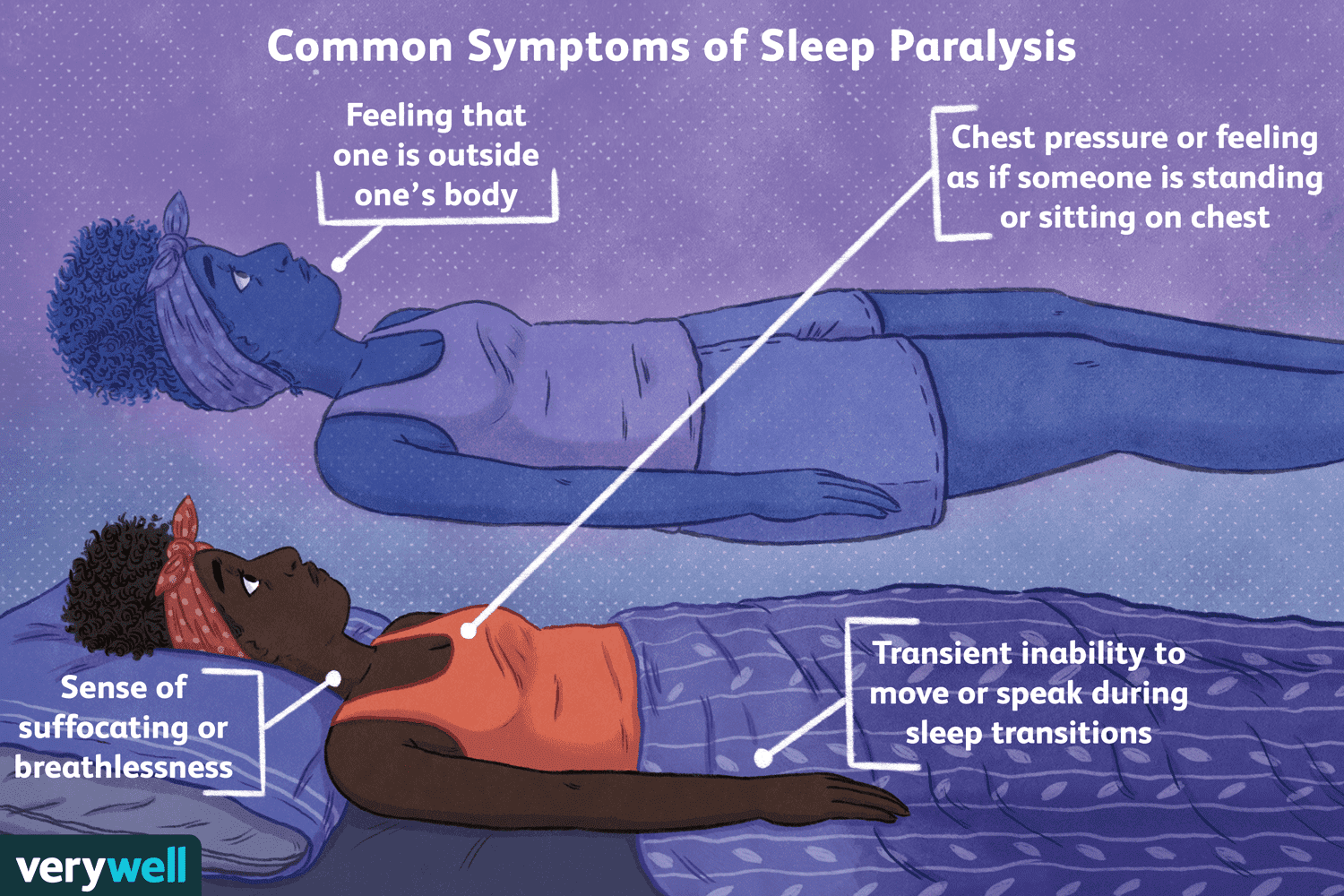
During sleep paralysis, your mind is awake, but your body is still in a state of sleep, causing temporary paralysis. This state can be accompanied by vivid hallucinations, often of shadowy figures or intruders in the room. Additionally, individuals may experience intense fear, a sense of suffocation, and a feeling of being unable to move. These sensations can be extremely distressing, leading to feelings of panic and terror.
It is important to note that while sleep paralysis can be a frightening experience, it is not dangerous and typically only lasts for a few seconds to a couple of minutes. Understanding what happens during sleep paralysis can help you manage your fear and anxiety when experiencing this phenomenon.
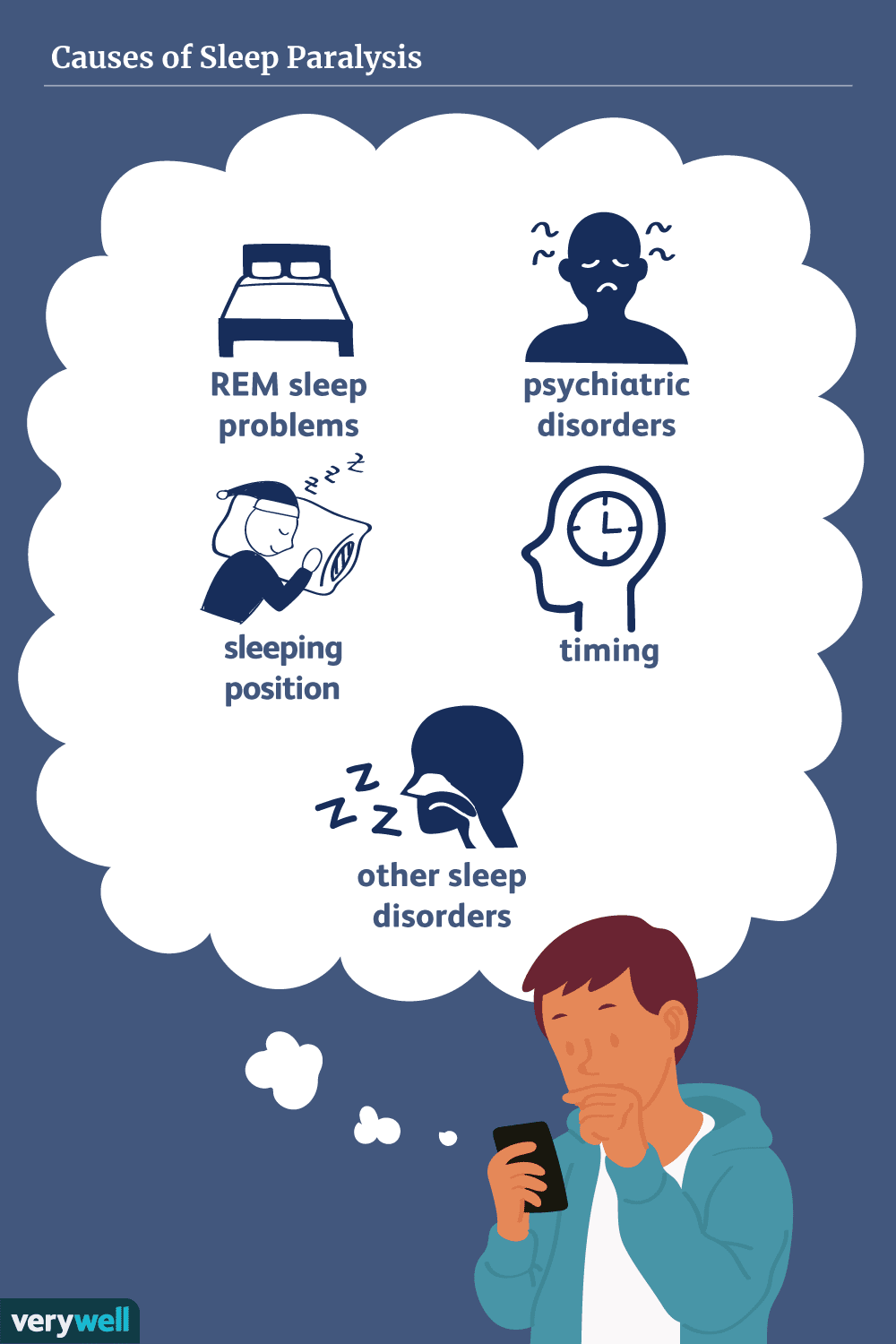
The Relationship Between Sleep Paralysis and REM Sleep
Sleep paralysis is closely related to REM (rapid eye movement) sleep, which is the stage of sleep during which vivid dreams occur. During REM sleep, the body becomes temporarily paralyzed to prevent individuals from acting out their dreams and potentially harming themselves. In individuals with sleep paralysis, this paralysis may continue into the waking state, leading to the characteristic inability to move or speak.
The relationship between sleep paralysis and REM sleep highlights the intricate nature of the sleep cycle and the potential for disruptions to occur. Understanding this connection can provide insight into why sleep paralysis happens and how it manifests in individuals.

Common Symptoms of Sleep Paralysis
While the experience of sleep paralysis can vary from person to person, there are several common symptoms that individuals may experience during an episode. By recognizing these symptoms, you can better understand and identify when you are experiencing sleep paralysis.
Inability to Move or Speak
One of the hallmark symptoms of sleep paralysis is the inability to move or speak despite being conscious. Individuals may feel as though they are paralyzed, unable to wiggle their fingers or toes or turn their head. This sensation of being trapped in one’s own body can be distressing and disorienting, leading to feelings of helplessness.
If you find yourself unable to move or speak upon waking up or falling asleep, you may be experiencing sleep paralysis. It is important to remain calm and try to focus on controlling your breathing to help ease the sensation of paralysis.
Feeling of Pressure on the Chest
Many individuals report feeling a heavy pressure on their chest during episodes of sleep paralysis. This sensation can be likened to someone sitting on your chest or a weight pressing down on you, making it difficult to take deep breaths. The feeling of pressure on the chest can exacerbate the sense of suffocation and fear that often accompanies sleep paralysis.
If you experience a sensation of pressure on your chest during sleep paralysis, try to focus on your breathing and remain calm. Remind yourself that this feeling is a common symptom of sleep paralysis and will pass once the episode is over.
Hallucinations
Hallucinations are another common symptom experienced during sleep paralysis. These hallucinations can take various forms, such as seeing shadowy figures in the room, hearing voices, or feeling a presence in the room. The hallucinations experienced during sleep paralysis can be vivid and realistic, adding to the fear and anxiety of the episode.
If you witness hallucinations during sleep paralysis, it is important to remind yourself that they are not real but are a product of your mind during this altered state of consciousness. Try to focus on calming thoughts and remind yourself that the hallucinations will disappear once the episode has ended.
Sense of Fear and Dread
Feelings of intense fear and dread are often reported by individuals experiencing sleep paralysis. The combination of paralysis, hallucinations, and a sense of being watched can create a terrifying experience that leaves individuals feeling vulnerable and overwhelmed. This fear response is a natural reaction to the disorienting and distressing nature of sleep paralysis.
If you find yourself overwhelmed by feelings of fear and dread during sleep paralysis, try to focus on calming techniques such as deep breathing or visualization exercises. Remind yourself that sleep paralysis is a temporary condition and that the episode will pass.
Feeling of Being Watched
Many individuals with sleep paralysis report feeling as though they are being watched or monitored by an unseen presence in the room. This sensation of being observed can heighten feelings of fear and paranoia, contributing to the overall sense of unease during an episode of sleep paralysis.
If you experience a feeling of being watched during sleep paralysis, try to focus on grounding techniques such as focusing on your surroundings or gently moving your fingers or toes. Remind yourself that this sensation is a common symptom of sleep paralysis and will dissipate once the episode has ended.

Coping with Sleep Paralysis
While sleep paralysis can be a distressing experience, there are ways to cope with and manage this phenomenon. By implementing coping strategies and making lifestyle changes, you can reduce the frequency and intensity of sleep paralysis episodes.
Improve Sleep Hygiene
Improving your sleep hygiene is essential for reducing the likelihood of experiencing sleep paralysis. Establishing a regular sleep schedule, creating a relaxing sleep environment, and avoiding stimulants before bedtime can help promote restful and uninterrupted sleep. By prioritizing good sleep habits, you can minimize the disruptions to your sleep cycle that may contribute to sleep paralysis.
Reduce Stress and Anxiety
Stress and anxiety are common triggers for sleep paralysis episodes. By implementing stress-reducing techniques such as mindfulness, meditation, and relaxation exercises, you can manage your emotional well-being and reduce the likelihood of experiencing sleep paralysis. Additionally, engaging in regular physical activity and maintaining a healthy lifestyle can help alleviate stress and anxiety, promoting better sleep quality.
Address Underlying Sleep Disorders
Underlying sleep disorders, such as sleep apnea or narcolepsy, can increase the risk of experiencing sleep paralysis. If you suspect that you may have an underlying sleep disorder, it is important to seek medical evaluation and treatment. By addressing any sleep disorders or conditions, you can improve your overall sleep quality and reduce the occurrence of sleep paralysis.
Seek Professional Help
If you are experiencing frequent or debilitating episodes of sleep paralysis, it may be beneficial to seek professional help. A healthcare provider or sleep specialist can evaluate your symptoms, provide a proper diagnosis, and recommend appropriate treatment options. By working with a medical professional, you can receive personalized guidance and support in managing your sleep paralysis.
Maintain a Sleep Journal
Keeping a sleep journal can help you track your sleep patterns, identify triggers for sleep paralysis, and monitor any changes in your symptoms over time. By recording your sleep habits, nighttime experiences, and emotional state, you can gain valuable insight into your sleep paralysis episodes and make informed decisions about managing this phenomenon. Utilize a notebook or mobile app to record detailed information about your sleep patterns and experiences.
Conclusion
Sleep paralysis is a common and often unsettling phenomenon that can affect individuals during the transition between sleep and wakefulness. By recognizing the common symptoms of sleep paralysis, understanding its relationship to REM sleep, and implementing coping strategies, you can effectively manage this experience and reduce its impact on your sleep quality. If you continue to experience frequent or distressing episodes of sleep paralysis, it is important to seek professional help to address any underlying issues and receive appropriate treatment. Remember that sleep paralysis is a temporary condition and with proper management, you can navigate this phenomenon with confidence and resilience.
