How Do Cultural Beliefs Affect Coping Strategies For Sleep Paralysis?
Understanding Sleep Paralysis
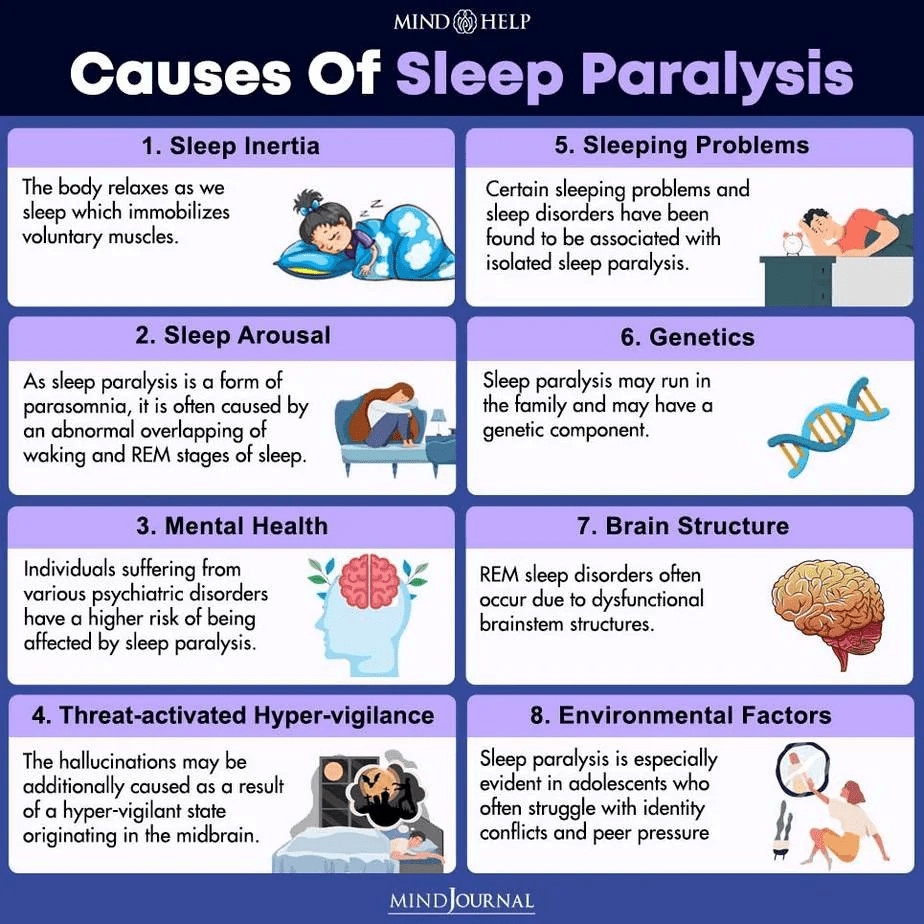
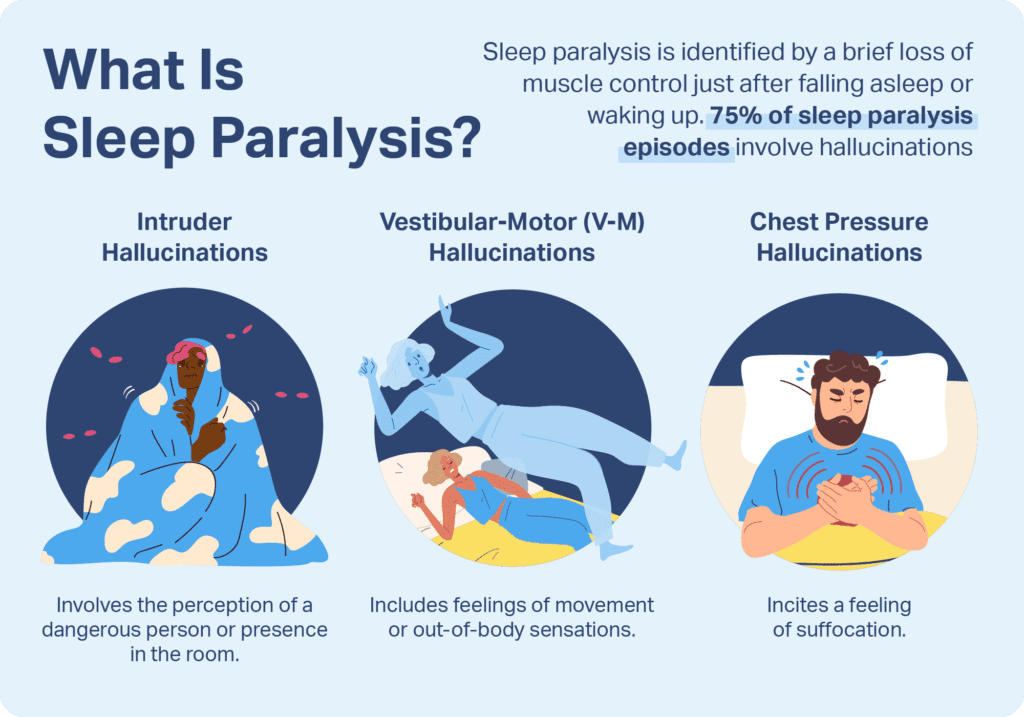
Sleep paralysis is a phenomenon that occurs when a person is either falling asleep or waking up. During this state, the individual is temporarily unable to move or speak. It can be a frightening experience, with many people reporting feelings of being held down, seeing shadowy figures, or hearing voices. While sleep paralysis is a common occurrence and usually lasts only a few seconds to a few minutes, it can have a significant impact on an individual’s mental well-being if it happens frequently.
Coping Strategies for Sleep Paralysis
People who experience sleep paralysis often develop coping strategies to help manage the fear and anxiety associated with these episodes. There are various coping mechanisms that individuals may employ to alleviate the distress caused by sleep paralysis, such as relaxation techniques, changing sleep habits, or seeking professional help. However, cultural beliefs and practices can also play a significant role in how people cope with sleep paralysis.
Cultural Beliefs and Sleep Paralysis
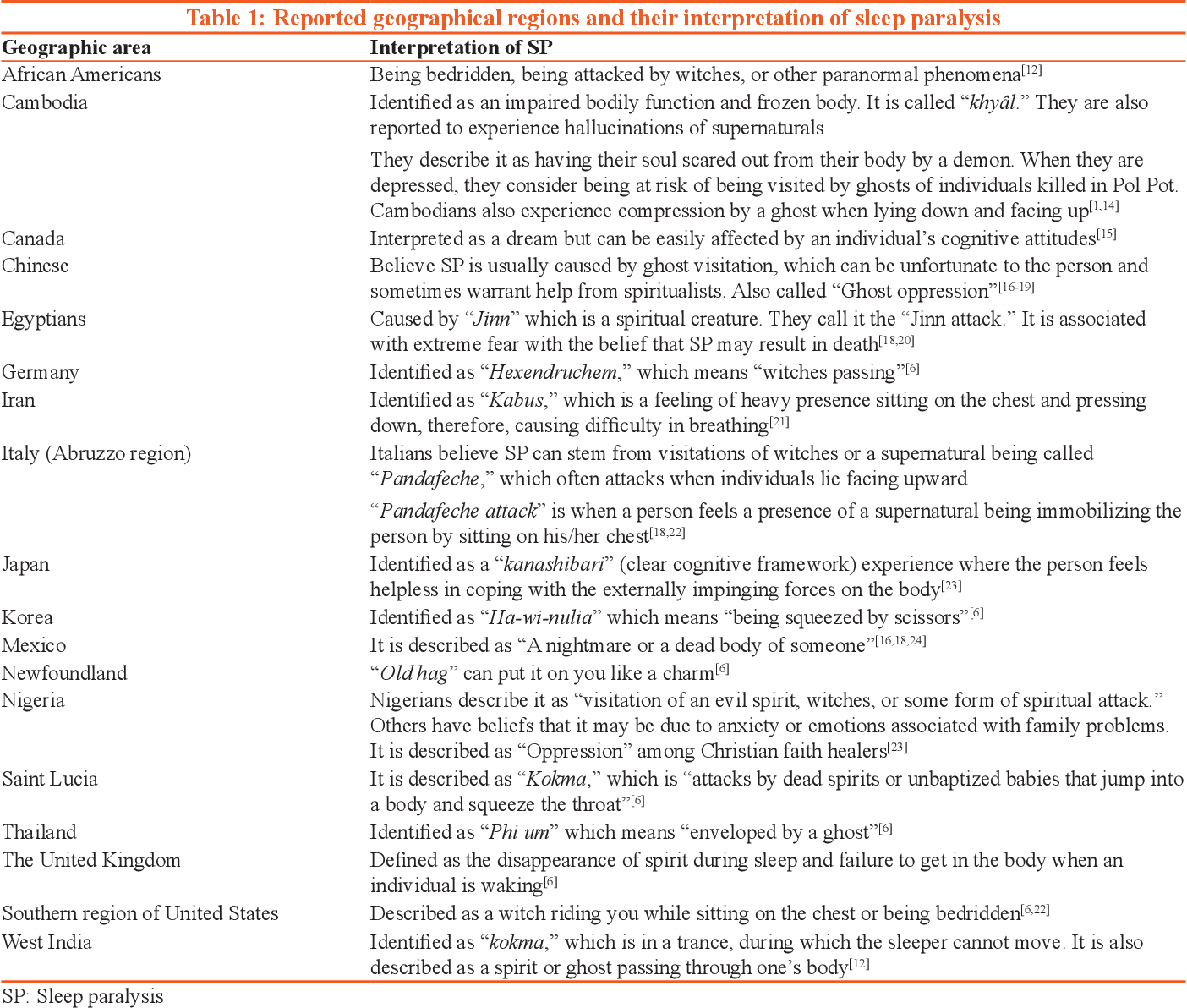
Cultural beliefs can influence how people perceive and cope with sleep paralysis. Different cultures have unique interpretations of sleep paralysis, which can shape an individual’s understanding of the experience and the coping strategies they use. For example, in some cultures, sleep paralysis is seen as a spiritual or supernatural phenomenon, while in others, it is viewed as a medical condition.
Role of Culture in Coping Strategies
The role of culture in coping strategies for sleep paralysis is crucial. Cultural beliefs can influence the type of coping mechanisms that individuals choose to use when dealing with sleep paralysis. For instance, in cultures where sleep paralysis is believed to be caused by malevolent spirits, individuals may engage in rituals or seek the help of shamans or spiritual healers to protect themselves from these entities.
Importance of Cultural Sensitivity
It is essential to be culturally sensitive when discussing coping strategies for sleep paralysis. Different cultures have diverse beliefs, practices, and traditions that shape how individuals navigate their experiences with sleep paralysis. By recognizing and respecting these cultural differences, we can better understand how people cope with sleep paralysis and provide more effective support.
Cultural Beliefs and Coping Strategies
Cultural beliefs can impact the coping strategies that individuals use to manage sleep paralysis. Let’s explore how different cultural beliefs influence the coping mechanisms employed by people experiencing sleep paralysis.
| Cultural Belief | Coping Strategy |
|---|---|
| Spiritual Phenomenon | Rituals, prayers, seeking help from religious leaders |
| Medical Condition | Seeking medical treatment, therapy, medication |
| Supernatural Threat | Warding off evil spirits, using protective talismans |
Spiritual Phenomenon
In cultures where sleep paralysis is viewed as a spiritual phenomenon, individuals may turn to religious or spiritual practices to cope with their experiences. This could involve performing rituals, reciting prayers, or seeking guidance from religious leaders. By engaging in these practices, individuals may feel a sense of protection or empowerment in the face of sleep paralysis.
Medical Condition
On the other hand, in cultures where sleep paralysis is considered a medical condition, individuals may seek help from healthcare professionals to address their symptoms. This could involve consulting doctors, therapists, or taking prescribed medication to manage the underlying factors contributing to sleep paralysis. By approaching sleep paralysis from a medical standpoint, individuals may receive the necessary treatment and support to alleviate their symptoms.
Supernatural Threat
In cultures where sleep paralysis is seen as a supernatural threat, individuals may employ protective measures to ward off evil spirits or malevolent forces. This could involve using talismans, amulets, or engaging in rituals to protect themselves from harm during episodes of sleep paralysis. By utilizing these protective strategies, individuals may feel more secure and in control of their experiences.
Case Studies
To further illustrate how cultural beliefs affect coping strategies for sleep paralysis, let’s examine two case studies from different cultural backgrounds.
Case Study 1: Spiritual Belief
Anna comes from a culture where sleep paralysis is believed to be a result of spiritual forces. Whenever she experiences sleep paralysis, she immediately turns to reciting prayers and seeking guidance from her religious leader. By engaging in these spiritual practices, Anna feels a sense of comfort and protection, which helps alleviate her fear and anxiety during episodes of sleep paralysis.
Case Study 2: Medical Belief
Emily, on the other hand, comes from a culture where sleep paralysis is understood as a medical condition. Whenever she has an episode of sleep paralysis, Emily reaches out to her doctor and therapist for support. She follows a treatment plan that includes therapy and medication to address her symptoms. By approaching sleep paralysis from a medical perspective, Emily feels empowered to manage her experiences effectively.
Conclusion
Cultural beliefs play a significant role in shaping how individuals cope with sleep paralysis. By understanding the cultural context in which an individual experiences sleep paralysis, we can better appreciate the coping strategies they employ to manage this phenomenon. Culturally sensitive approaches to coping with sleep paralysis can help individuals navigate their experiences more effectively and find support that aligns with their beliefs and practices. Whether through spiritual rituals, medical interventions, or protective measures, cultural beliefs influence how people cope with sleep paralysis and ultimately impact their well-being.