Welcome to a fascinating exploration of the impact of sleep paralysis on parenting and family dynamics. As you delve into this article, you will discover the potential challenges that individuals experiencing sleep paralysis may face in their roles as parents and how it can affect the overall dynamics within the family unit. By understanding the effects of sleep paralysis, you will gain insight into how to navigate these challenges with empathy and understanding, ultimately strengthening familial relationships and creating a supportive environment for all members. Let’s embark on this enlightening journey together. Have you ever experienced the frightening sensation of being awake but unable to move, as if something is holding you down? You might have experienced sleep paralysis. In this article, we will explore the impact of sleep paralysis on parenting and family dynamics, discussing how this phenomenon can affect your daily life and relationships with your loved ones.
What is Sleep Paralysis?
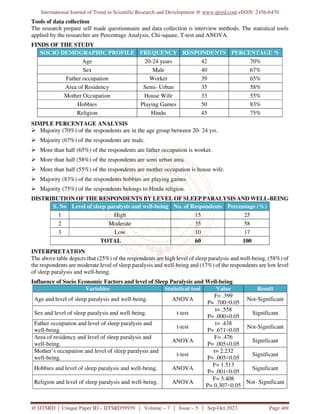
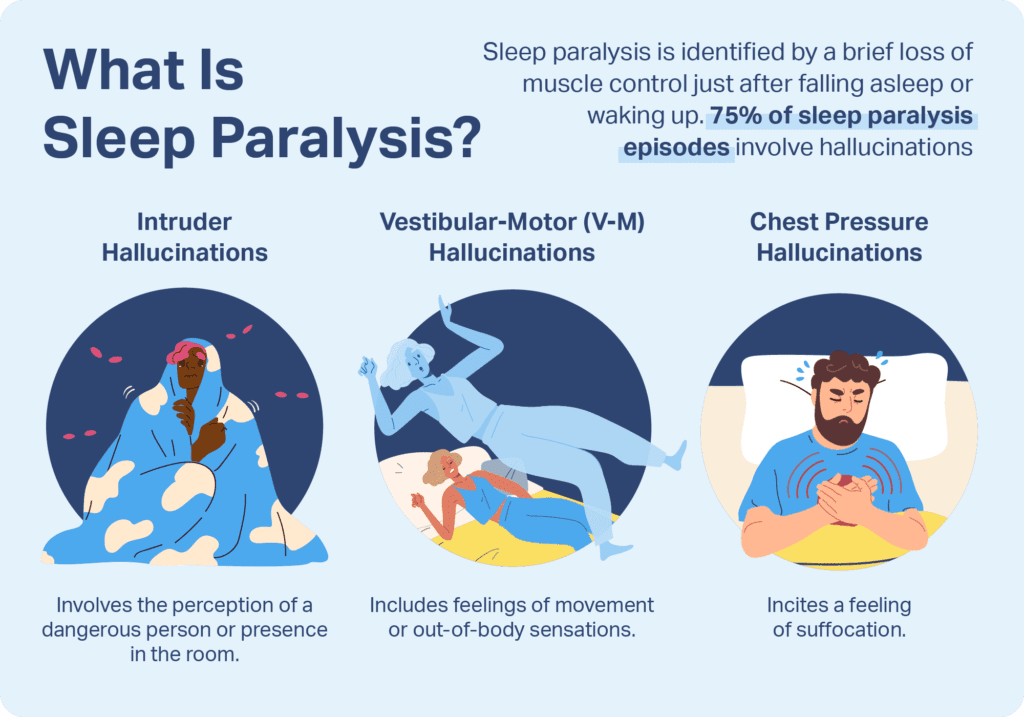
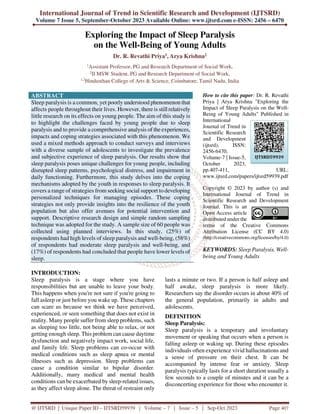
Sleep paralysis is a phenomenon in which a person is temporarily unable to move or speak while falling asleep or waking up. This can be a terrifying experience, as you may feel conscious but unable to control your body. Some people also report hallucinations during episodes of sleep paralysis, adding to the fear and confusion.
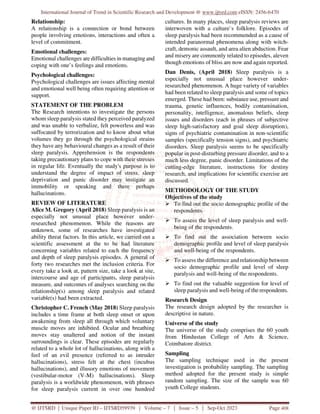
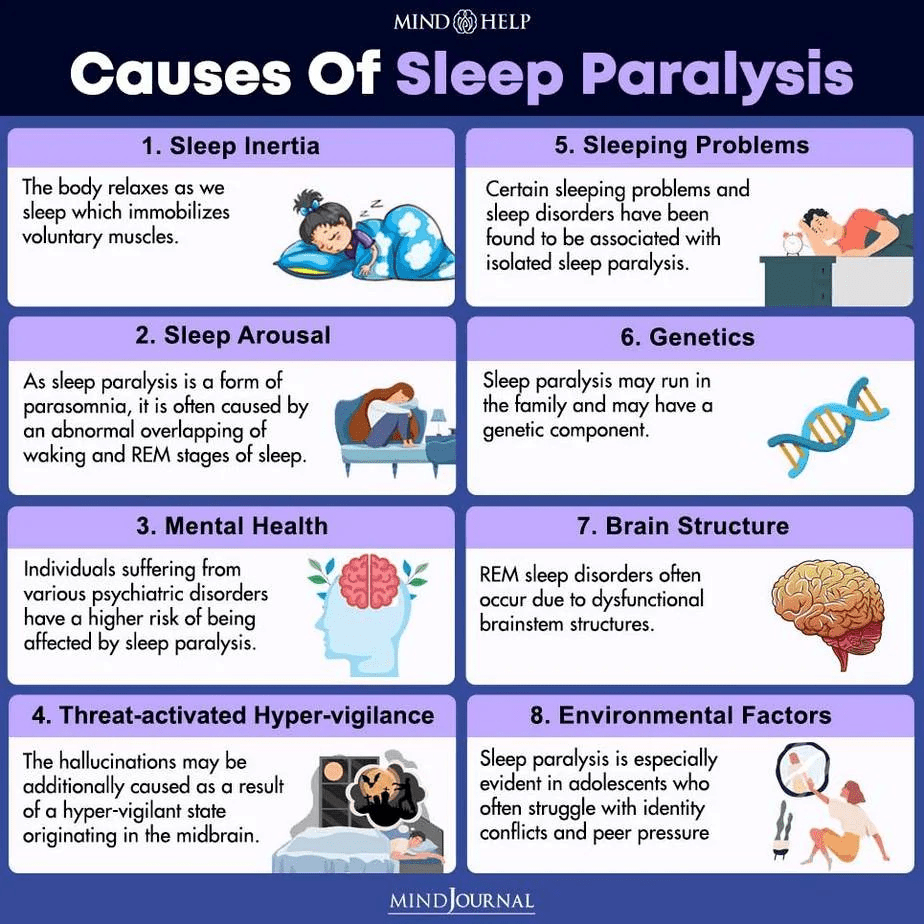
While sleep paralysis is not harmful in itself, it can be quite distressing for those who experience it. The exact cause of sleep paralysis is not fully understood, but factors such as stress, disrupted sleep patterns, and genetics may play a role in its occurrence.
Your Experience with Sleep Paralysis
If you have ever had an episode of sleep paralysis, you know how unsettling it can be. The feeling of being trapped in your own body, unable to move or speak, can be frightening. You may also experience hallucinations, such as seeing or hearing things that are not actually there, adding to the confusion and fear.
Talking about your experience with sleep paralysis with your family can help them understand what you are going through. They can provide support and reassurance, helping you feel more comfortable and less alone in dealing with this phenomenon.
Impact on Parenting
Sleep paralysis can have a significant impact on parenting, as it may affect your ability to care for your children and manage daily tasks effectively. If you are a parent experiencing sleep paralysis, it is important to understand how this phenomenon can influence your role as a caregiver.
Balancing Parenting Responsibilities
As a parent, you have a multitude of responsibilities to juggle on a daily basis. From feeding and bathing your children to helping them with their homework and activities, the demands of parenting can be overwhelming. If you experience sleep paralysis, you may find it challenging to meet these responsibilities effectively.
It is important to prioritize self-care and seek support from your partner, family members, or friends when needed. Communicate openly with your children about your experience with sleep paralysis, helping them understand why you may need extra rest or assistance at times.
Managing Parenting Stress
Parenting can be stressful even without the added challenge of sleep paralysis. The fear and anxiety that may accompany episodes of sleep paralysis can exacerbate feelings of stress and overwhelm, making it difficult to cope with the demands of parenting.
Finding healthy coping mechanisms, such as practicing mindfulness, engaging in physical exercise, or seeking professional help, can help you manage parenting stress effectively. Remember to prioritize your well-being and seek support from your loved ones when needed.
Impact on Family Dynamics
Sleep paralysis can also impact family dynamics, as it may influence how you interact with your partner, children, and other family members. Understanding how sleep paralysis affects your relationships can help you navigate these challenges and maintain strong family bonds.
Communicating with Your Partner
If you experience sleep paralysis, it is important to communicate openly with your partner about your struggles and feelings. Your partner can provide emotional support and understanding, helping you feel more connected and supported in dealing with this phenomenon.
Discussing how sleep paralysis affects your daily life and relationship dynamics can foster empathy and strengthen your bond with your partner. Remember to listen to your partner’s concerns and feelings as well, creating a safe space for honest communication and mutual support.
Supporting Your Children
When dealing with sleep paralysis, it is essential to communicate with your children in an age-appropriate manner about your experience. Children may be curious or worried about your well-being, so it is important to address their concerns and provide reassurance.
Encourage your children to ask questions and express their feelings about your sleep paralysis. Be honest and open with them, helping them understand that this phenomenon is temporary and does not pose a threat to your health. Reassure your children that you are taking care of yourself and that they can always come to you with any questions or worries they may have.
Coping Strategies
Dealing with sleep paralysis can be challenging, but there are strategies you can use to cope with this phenomenon effectively. From creating a sleep-friendly environment to practicing relaxation techniques, incorporating these coping strategies into your daily routine can help you manage sleep paralysis and its impact on parenting and family dynamics.
Sleep Hygiene
Improving your sleep hygiene can help reduce the frequency and intensity of sleep paralysis episodes. Create a relaxing bedtime routine, avoid caffeine and electronic devices before bed, and maintain a comfortable sleep environment to promote restful sleep.
Make sure your bedroom is dark, quiet, and at a comfortable temperature to optimize your sleep quality. Invest in a supportive mattress and pillows, and consider using white noise or calming music to help you fall asleep peacefully.
Relaxation Techniques
Practicing relaxation techniques, such as deep breathing, progressive muscle relaxation, or meditation, can help alleviate stress and anxiety associated with sleep paralysis. Incorporate these techniques into your daily routine to promote calmness and relaxation before bedtime.
Engage in activities that promote relaxation, such as reading a book, taking a warm bath, or listening to soothing music. Create a bedtime ritual that helps you unwind and signal to your body that it is time to sleep, improving the quality of your rest.
Seeking Professional Help
If you continue to experience sleep paralysis despite trying various coping strategies, consider seeking professional help. A healthcare provider or sleep specialist can evaluate your symptoms, provide a diagnosis, and recommend appropriate treatment options.
Therapy, medication, or lifestyle changes may be recommended to help you manage sleep paralysis effectively. It is crucial to address any underlying factors contributing to sleep paralysis, such as stress, anxiety, or sleep disorders, to improve your overall well-being and quality of life.
Conclusion
In conclusion, sleep paralysis can have a significant impact on parenting and family dynamics, affecting your ability to care for your children and maintain strong relationships with your loved ones. By understanding how sleep paralysis influences your daily life and relationships, you can navigate these challenges more effectively and seek support when needed.
Remember to prioritize self-care, communicate openly with your family, and practice healthy coping strategies to manage sleep paralysis and its effects on parenting and family dynamics. With the right support and resources, you can overcome the challenges of sleep paralysis and maintain a positive and fulfilling family life.