Hello there! Have you ever wondered how pregnancy can affect sleep paralysis? In this article, we will explore the relationship between pregnancy and sleep paralysis, and why pregnant individuals may be more prone to experiencing this unsettling phenomenon. So sit back, relax, and let’s delve into the fascinating connection between pregnancy and sleep paralysis. How Does Pregnancy Impact Sleep Paralysis?
Have you ever experienced sleep paralysis? If you have, you know how terrifying it can be. But did you know that pregnancy can also impact your experience with sleep paralysis? In this article, we will explore how pregnancy affects sleep paralysis and what you can do to cope with this common phenomenon.
Understanding Sleep Paralysis
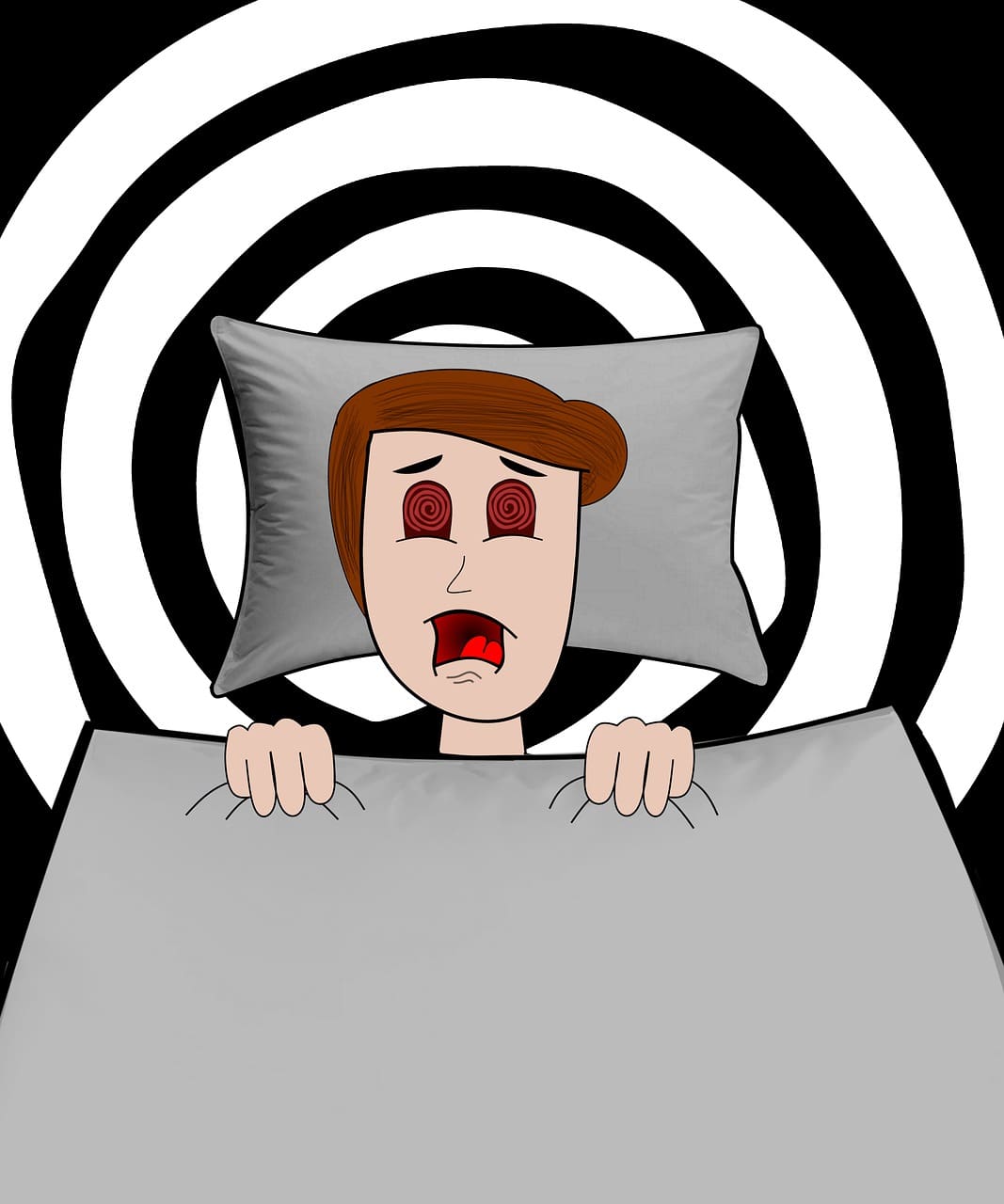
Sleep paralysis is a state between wakefulness and sleep where you are unable to move or speak, often accompanied by terrifying hallucinations. This phenomenon occurs when your body is transitioning between different stages of sleep, specifically during REM (rapid eye movement) sleep. During REM sleep, your body naturally becomes temporarily paralyzed to prevent you from acting out your dreams. However, individuals who experience sleep paralysis may become conscious while their body is still in this state of paralysis, leading to feelings of helplessness and fear.
What Happens During Sleep Paralysis?
When you experience sleep paralysis, you may feel like you are awake but unable to move or speak. This sensation can be accompanied by hallucinations, such as seeing shadowy figures or feeling a dark presence in the room. These hallucinations can create a sense of dread and fear, making the experience even more unsettling.
Factors that Influence Sleep Paralysis
Various factors can influence your likelihood of experiencing sleep paralysis, including stress, sleep deprivation, and disrupted sleep patterns. Pregnant individuals are already more vulnerable to these factors due to hormonal changes, physical discomfort, and increased stress levels. These factors can contribute to an increased risk of experiencing sleep paralysis during pregnancy.
Pregnancy and Sleep Paralysis
Pregnancy is a time of immense change for your body, both physically and hormonally. These changes can impact your sleep patterns and quality, potentially increasing your likelihood of experiencing sleep paralysis. The following factors may contribute to the relationship between pregnancy and sleep paralysis:
Hormonal Changes
During pregnancy, your body experiences significant hormonal fluctuations to support the growth and development of the fetus. These hormonal changes can affect your sleep-wake cycle and REM sleep patterns, increasing the likelihood of experiencing sleep paralysis. Additionally, hormonal imbalances can influence your overall mood and stress levels, further contributing to sleep disturbances.
Physical Discomfort
As your pregnancy progresses, you may experience physical discomfort due to the growing baby, weight gain, and bodily changes. Finding a comfortable sleeping position can become challenging, leading to disrupted sleep and increased stress levels. Physical discomfort can exacerbate existing sleep issues, such as sleep paralysis, making it more difficult to achieve restful sleep.
Emotional Stress
Pregnancy is a time of emotional ups and downs, as you navigate changes in your body, relationships, and future responsibilities. Anxiety about the pregnancy, upcoming labor and delivery, and becoming a parent can contribute to increased stress levels and sleep disturbances. Emotional stress can trigger or worsen sleep paralysis episodes, creating a vicious cycle of sleep deprivation and heightened anxiety.
Coping Strategies for Pregnancy-Related Sleep Paralysis
If you are experiencing sleep paralysis during pregnancy, know that you are not alone. Many pregnant individuals encounter this phenomenon due to the factors mentioned above. However, there are strategies you can implement to cope with pregnancy-related sleep paralysis and improve your overall sleep quality:
Maintain a Consistent Sleep Schedule
Establishing a regular sleep routine can help regulate your circadian rhythm and promote better sleep quality. Aim to go to bed and wake up at the same time each day, even on weekends, to reinforce your body’s natural sleep-wake cycle. Avoid napping excessively during the day, as it can disrupt your nighttime sleep and increase the likelihood of experiencing sleep paralysis.
Create a Relaxing Bedtime Routine
Engage in calming activities before bedtime to signal to your body that it is time to wind down and prepare for sleep. Practice relaxation techniques such as deep breathing, meditation, or gentle yoga to reduce stress and promote a sense of tranquility. Avoid stimulating activities, heavy meals, and electronic devices in the hour leading up to bedtime to create a peaceful sleep environment.
Improve Sleep Environment
Optimize your sleep environment to enhance comfort and promote restful sleep. Ensure your bedroom is cool, dark, and quiet to create an ideal sleeping environment. Invest in a supportive mattress and pillows to alleviate physical discomfort and promote proper spinal alignment. If necessary, use white noise machines or earplugs to block out external disturbances that may disrupt your sleep.
Maintain a Healthy Lifestyle
Prioritize your overall health and well-being by adopting healthy lifestyle habits during pregnancy. Eat a balanced diet rich in nutritious foods to support your physical and mental health. Stay physically active with low-impact exercises approved by your healthcare provider to improve sleep quality and reduce stress levels. Limit caffeine and sugar intake, especially in the hours leading up to bedtime, to prevent sleep disturbances.
Seek Support and Guidance
If sleep paralysis is significantly impacting your quality of life during pregnancy, do not hesitate to seek support from healthcare professionals. Consult with your obstetrician or midwife about your sleep issues and explore potential treatment options. Counseling or therapy may help you address underlying stress, anxiety, or emotional concerns that contribute to sleep paralysis. Additionally, joining a support group for pregnant individuals can provide a sense of community and understanding during this challenging time.
Conclusion
Pregnancy is a transformative journey that can bring about various changes in your body and life. While sleep paralysis may be a distressing experience during pregnancy, it is essential to understand the contributing factors and implement coping strategies to alleviate its impact. By prioritizing healthy sleep habits, managing stress levels, and seeking support when needed, you can navigate pregnancy-related sleep paralysis with resilience and grace. Remember that self-care is essential during this time, and taking care of your physical, emotional, and mental well-being will ultimately benefit both you and your growing baby. If you continue to experience difficulties with sleep paralysis, do not hesitate to reach out for professional guidance and support. You deserve to have restful and rejuvenating sleep throughout your pregnancy journey.