
Sleep paralysis, a phenomenon that plagues individuals during their slumber, has long been both a curiosity and a source of distress. In this article, you will explore the perplexing nature of sleep paralysis and discover the various strategies that can be employed to conquer this sleep demon. Through an analysis of its causes, symptoms, and potential treatments, you will gain a deeper understanding of this enigmatic condition, equipping you with the knowledge to overcome its unsettling grasp and regain control over your nocturnal experiences.
Understanding Sleep Paralysis
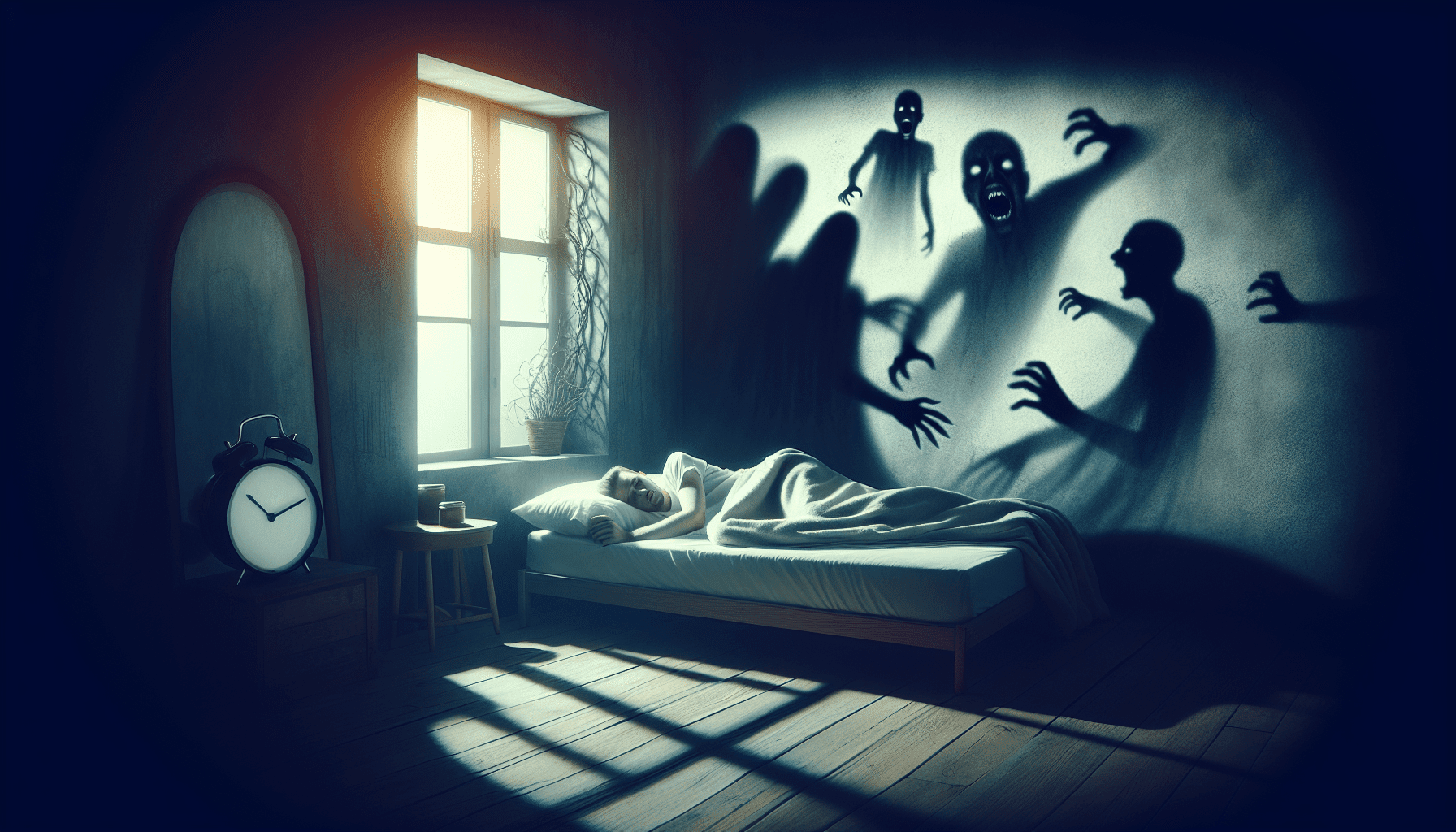
Sleep paralysis is a phenomenon that occurs when a person is temporarily unable to move or speak while falling asleep or waking up. It is often accompanied by hallucinations and a feeling of pressure on the chest, giving rise to the sensation of being held down by an unseen force. This condition is relatively common and can affect anyone, regardless of age or gender.
Definition of sleep paralysis
Sleep paralysis can be defined as a state of temporary muscle paralysis that occurs during the transition between wakefulness and sleep or vice versa. It is a parasomnia, which refers to abnormal behaviors or experiences that occur during sleep. Sleep paralysis typically lasts for a few seconds to a few minutes and can be a terrifying experience for those who go through it.
Causes of sleep paralysis
The exact cause of sleep paralysis is not yet fully understood, but there are several factors that have been associated with its occurrence. One main factor is the disruption of the sleep-wake cycle, which can be caused by irregular sleep patterns, jet lag, or sleep deprivation. Sleep disorders such as narcolepsy, insomnia, and sleep apnea have also been linked to sleep paralysis. Additionally, certain medications, psychological conditions like anxiety and depression, and a family history of sleep paralysis may increase the risk.
Symptoms of sleep paralysis
Sleep paralysis is characterized by the inability to move or speak during sleep, accompanied by vivid hallucinations and a feeling of pressure on the chest. Some individuals may also report a sense of impending doom or the presence of a malevolent presence in the room, leading to feelings of fear and panic. These symptoms can cause significant distress and interfere with a person’s quality of sleep and overall well-being.
Recognizing the Sleep Demon
The concept of the sleep demon
The term “sleep demon” is often used to describe the hallucinations and terrifying experiences that people encounter during sleep paralysis. It refers to the vivid and often frightening images, sounds, or sensations that are perceived during episodes of sleep paralysis. The sleep demon can take various forms, such as a shadowy figure, an intruder, or even a supernatural entity. These hallucinations can exacerbate the feelings of fear and helplessness that individuals experience during sleep paralysis.
Different forms of sleep paralysis
Sleep paralysis can be categorized into two main types: isolated sleep paralysis and recurrent isolated sleep paralysis. Isolated sleep paralysis occurs sporadically, while recurrent isolated sleep paralysis refers to experiencing episodes of sleep paralysis frequently over a prolonged period. Both types can be equally distressing and disruptive to one’s sleep and daily functioning.
Experiences during sleep paralysis
During episodes of sleep paralysis, individuals may report a wide range of experiences. These can include visual hallucinations, such as seeing shadowy figures or eerie shapes in the room. Auditory hallucinations, such as hearing whispers or footsteps, may also be present. Sensations of pressure on the chest, difficulty breathing, and a heightened sense of fear or impending doom are common as well. These experiences can feel incredibly real, leading to intense fear and anxiety during sleep paralysis episodes.
Consequences of Sleep Paralysis
Impact on mental health
Sleep paralysis can have significant implications for an individual’s mental health. The distressing nature of the condition can lead to the development or exacerbation of anxiety disorders, including panic disorder and generalized anxiety disorder. Moreover, the fear and anxiety associated with sleep paralysis can contribute to sleep disturbances, leading to chronic sleep deprivation and an increased risk of mood disorders such as depression. Addressing the impact on mental health is crucial in managing sleep paralysis effectively.
Physical effects of sleep paralysis
While sleep paralysis primarily affects the individual’s ability to move and speak, it can also have physical manifestations. Some individuals may experience rapid eye movement (REM) sleep behavior disorder, which involves acting out dreams during sleep, potentially leading to injuries. Additionally, the disrupted sleep-wake cycle caused by sleep paralysis can result in excessive daytime sleepiness, fatigue, and impaired cognitive function, negatively impacting one’s overall physical well-being.
Disruption of daily life
The recurrent nature of sleep paralysis, coupled with the fear and anxiety associated with it, can significantly disrupt an individual’s daily life. The anticipation of future episodes can lead to sleep avoidance behaviors, such as maintaining irregular sleep schedules or using excessive caffeine to stay awake during the day. This, in turn, can worsen the quality of sleep and perpetuate the cycle of sleep paralysis. The fear of sleep paralysis episodes occurring in public or social settings may also lead to social withdrawal and isolation.
Diagnosing Sleep Paralysis
Consulting a healthcare professional
If you suspect that you are experiencing sleep paralysis, it is essential to consult a healthcare professional for an accurate diagnosis. They will evaluate your medical history, conduct a physical examination, and inquire about your symptoms in detail. It is crucial to provide comprehensive and honest information to help the healthcare professional make an informed diagnosis.
Diagnostic tests for sleep paralysis
While there are no specific diagnostic tests for sleep paralysis itself, healthcare professionals may recommend additional assessments to rule out underlying sleep disorders or medical conditions that may be contributing to the symptoms. These tests may include polysomnography, which involves monitoring brain waves, eye movements, muscle activity, and other physiological parameters during sleep. Additionally, multiple sleep latency testing (MSLT) may be conducted to assess daytime sleepiness and detect the presence of narcolepsy.
Differentiating sleep paralysis from other sleep disorders
Sleep paralysis can sometimes be mistaken for other sleep disorders, such as sleep apnea or narcolepsy, due to overlapping symptoms. However, sleep paralysis is characterized by the inability to move or speak, whereas sleep apnea involves pauses in breathing during sleep. Narcolepsy, on the other hand, is a neurological disorder that causes excessive daytime sleepiness and sudden episodes of falling asleep. A healthcare professional will consider your symptoms, medical history, and diagnostic test results to differentiate sleep paralysis from other sleep disorders accurately.

Preventing Sleep Paralysis
Establishing a regular sleep routine
Maintaining a regular sleep routine is crucial in preventing sleep paralysis. Going to bed and waking up at consistent times each day helps regulate the sleep-wake cycle, reducing the likelihood of experiencing disruptions that can trigger sleep paralysis episodes. Creating a relaxing bedtime routine and ensuring a comfortable sleep environment contribute to better sleep quality, reducing the risk of sleep paralysis.
Reducing stress levels
Stress has been identified as a potential trigger for sleep paralysis episodes. Therefore, adopting stress management techniques can be beneficial in preventing or minimizing the occurrence of sleep paralysis. Engaging in activities such as meditation, deep breathing exercises, and yoga can help reduce overall stress levels and promote relaxation, ultimately contributing to a more peaceful sleep.
Maintaining a sleep-friendly environment
An optimal sleep environment is crucial in preventing sleep disturbances, including sleep paralysis. To create a sleep-friendly environment, ensure the room is cool, dark, and quiet. Consider using blackout curtains, earplugs, or white noise machines to minimize external stimuli that may disrupt sleep. Additionally, avoid electronic devices in the bedroom, as the blue light emitted can interfere with the body’s natural sleep-wake cycle.
Managing Sleep Paralysis
Staying calm during episodes
During sleep paralysis episodes, it is essential to stay as calm as possible. Remind yourself that it is a temporary state and that it will pass. Focus on regulating your breathing and try to avoid struggling or fighting against the paralysis, as this can increase feelings of anxiety. Remind yourself that the experiences you are having are not real and that they are merely hallucinations associated with sleep paralysis.
Practicing relaxation techniques
Developing relaxation techniques can be a helpful way to manage sleep paralysis. Techniques such as progressive muscle relaxation, visualization, and guided imagery can promote relaxation and help reduce anxiety levels. Engaging in these techniques regularly, especially before bedtime, can also contribute to better overall sleep quality.
Seeking emotional support
Living with sleep paralysis can be emotionally challenging, and seeking emotional support is crucial in managing the condition effectively. Talking to a trusted friend, family member, or therapist about your experiences can provide a sense of understanding and validation. Participating in support groups or online communities dedicated to sleep disorders can also offer valuable insights and a platform for sharing experiences with others who have similar challenges.
Medical Interventions for Sleep Paralysis
Medication options for sleep paralysis
Medication may be considered for severe cases of sleep paralysis that significantly impact an individual’s quality of life. Certain medications, such as selective serotonin reuptake inhibitors (SSRIs) or tricyclic antidepressants (TCAs), may be prescribed to alleviate anxiety and reduce the frequency of sleep paralysis episodes. However, the benefits and risks of medication should be carefully evaluated and discussed with a healthcare professional before starting any treatment.
Therapeutic interventions
In addition to medication, therapeutic interventions can be beneficial in managing sleep paralysis. Cognitive-behavioral therapy (CBT) is commonly used to address anxiety and improve coping mechanisms. CBT techniques focus on challenging negative thought patterns and developing healthier beliefs about sleep paralysis, ultimately reducing the associated distress. Other therapeutic approaches, such as hypnosis or eye movement desensitization and reprocessing (EMDR), may also be explored with the guidance of a qualified professional.
Alternative treatments
Some individuals may explore alternative treatments in their quest to manage sleep paralysis. These options include practices such as acupuncture, herbal supplements, or aromatherapy. While anecdotal evidence suggests potential benefits, scientific research on the effectiveness of these alternative treatments for sleep paralysis is limited. It is important to consult with a healthcare professional before trying any alternative therapies to ensure safety and appropriateness.
Exploring Lucid Dreaming
Understanding lucid dreaming
Lucid dreaming refers to the state in which an individual becomes aware that they are dreaming while still in the dream. This awareness provides the opportunity to actively participate in and manipulate the events taking place within the dream. Lucid dreaming has gained attention in the context of sleep paralysis, as some individuals have found it to be a means of regaining control during episodes.
Lucid dreaming as a way to control sleep paralysis
For individuals who experience sleep paralysis, learning to induce and control lucid dreams may offer a sense of empowerment and control during episodes. By recognizing the dream state and intentionally engaging in lucid dreaming techniques, individuals may be able to shift their focus away from the feelings of fear and helplessness typically associated with sleep paralysis. Lucid dreaming can serve as a tool to shape and redefine the sleep paralysis experience.
Techniques for inducing lucid dreams
Various techniques can be employed to induce lucid dreaming and potentially influence the experience of sleep paralysis. Reality testing, which involves regularly questioning whether one is in a dream or reality throughout the day, can increase the likelihood of achieving lucidity within dreams. Additionally, keeping a dream journal to record and analyze dreams may enhance dream recall and increase the chances of recognizing when one is in a dream state. Other techniques, such as mnemonic induction of lucid dreams (MILD) or wake-induced lucid dreaming (WILD), can also be explored to improve the ability to induce and maintain lucid dreams.
Seeking Professional Help
When to consult a sleep specialist
If sleep paralysis episodes persist or significantly impact your daily life and well-being despite self-help strategies, it is advisable to consult a sleep specialist. A sleep specialist can evaluate your specific case, consider possible underlying causes, and recommend appropriate treatment options. They can provide further guidance and expertise in managing sleep paralysis effectively.
Finding a sleep specialist
To find a sleep specialist, consider seeking referrals from your primary care physician or contacting local sleep centers or clinics that specialize in sleep disorders. It is important to choose a sleep specialist who is experienced and knowledgeable in the field of sleep medicine. Research their credentials, reviews, and specialties to ensure that they have expertise in diagnosing and treating sleep paralysis.
Treatment options recommended by professionals
The treatment options recommended by sleep specialists for sleep paralysis may vary depending on the individual case and underlying factors. Non-pharmacological interventions, such as cognitive-behavioral therapy or relaxation techniques, are often recommended as a first-line approach. Medication, such as antidepressants or anti-anxiety drugs, may also be prescribed in some cases. The sleep specialist will tailor the treatment plan based on the individual’s unique circumstances and preferences.
Living with Sleep Paralysis
Managing anxiety related to sleep paralysis
Living with sleep paralysis can elicit feelings of anxiety and apprehension. Engaging in stress management techniques, such as deep breathing exercises or mindfulness meditation, can help alleviate anxiety symptoms. Additionally, staying informed about the condition, understanding its nature, and recognizing that it is a relatively common phenomenon can help reduce anxiety related to sleep paralysis.
Finding coping mechanisms
Developing effective coping mechanisms is imperative in living with sleep paralysis. This includes incorporating relaxation techniques into daily routines, maintaining a consistent sleep schedule, and creating a sleep-friendly environment. Exploring creative outlets such as art, journaling, or listening to calming music may also provide a sense of comfort and control. Experimenting with different coping strategies can help individuals find what works best for them.
Embracing a positive mindset
While the experiences associated with sleep paralysis can be distressing, adopting a positive mindset can aid in managing the condition. Reframing the perception of sleep paralysis as an opportunity for personal growth, resilience, and self-discovery can help individuals shift focus from the negative aspects to more positive ones. Embracing a positive mindset can empower individuals to regain control and thrive despite the challenges posed by sleep paralysis.
In conclusion, sleep paralysis is a complex phenomenon that can have significant impacts on an individual’s mental and physical well-being. Understanding its definition, causes, and symptoms is crucial in recognizing and managing sleep paralysis effectively. Prevention strategies and management techniques, along with professional guidance and support, can empower individuals to navigate the challenges associated with sleep paralysis and improve their overall quality of life. With a comprehensive approach encompassing lifestyle modifications, therapeutic interventions, and a positive mindset, it is possible to conquer the “sleep demon” and overcome sleep paralysis.