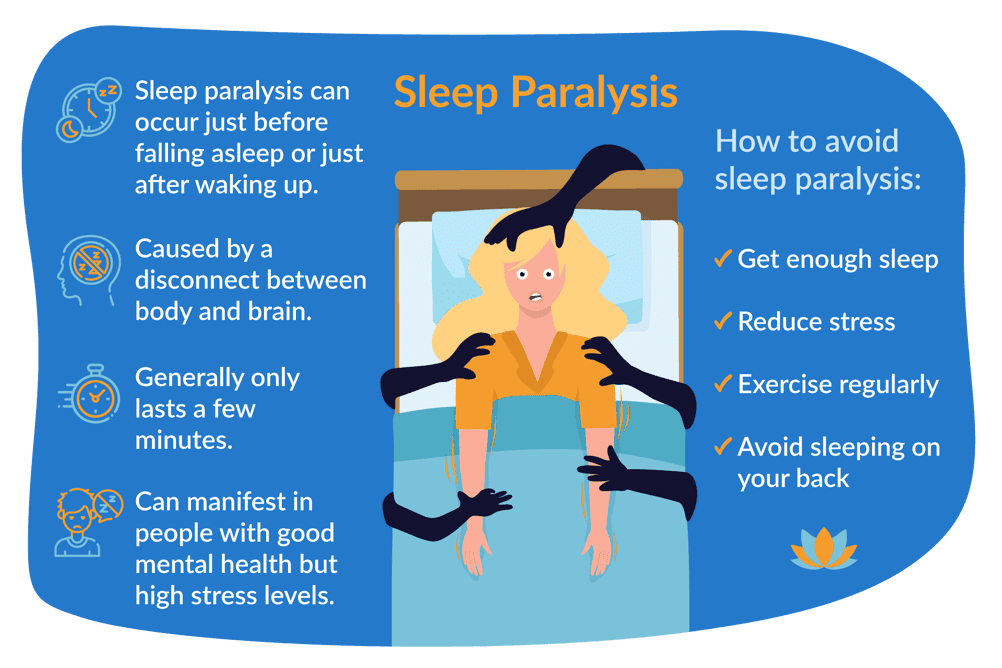
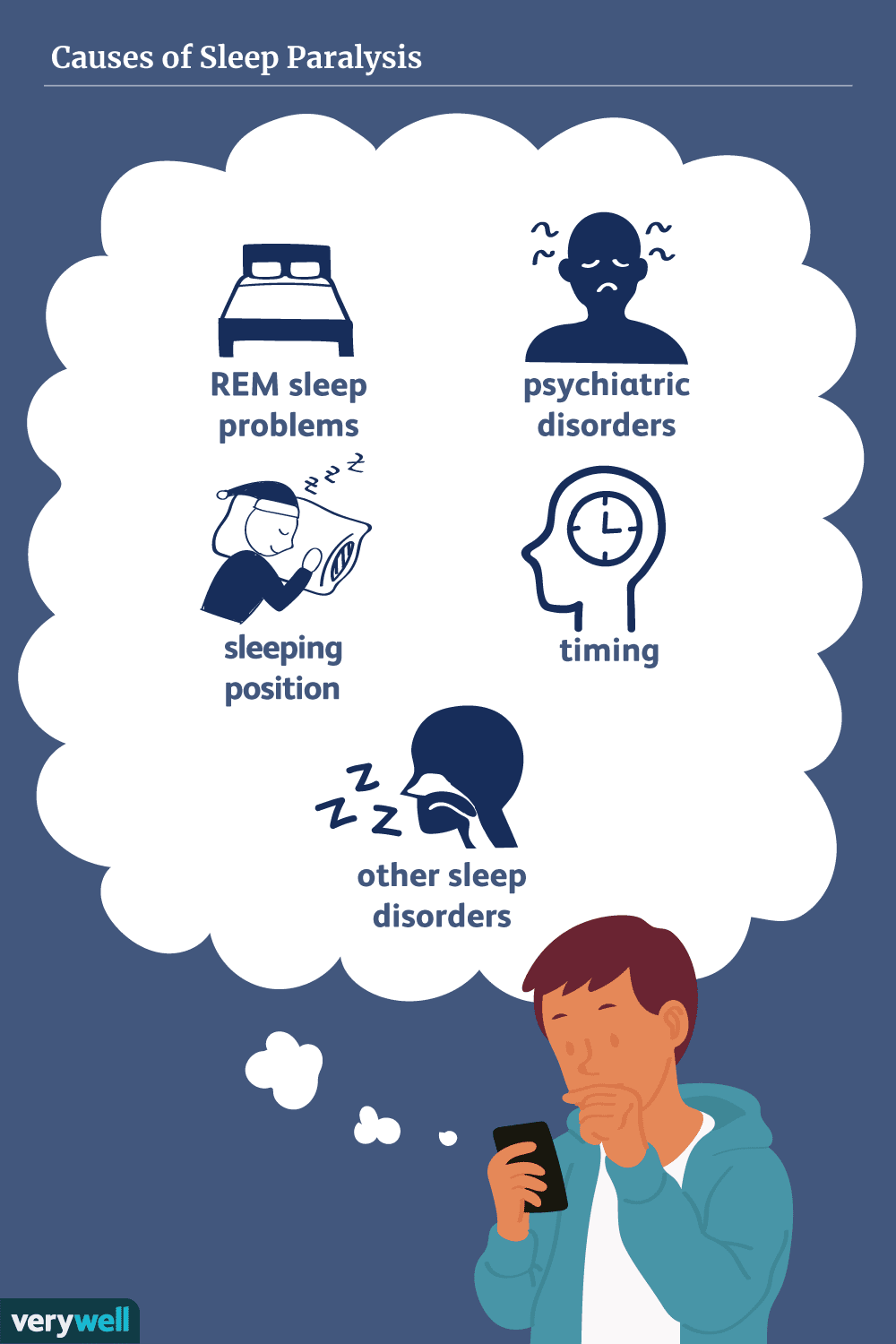
Sleep paralysis is a phenomenon that affects individuals during the transition between wakefulness and sleep, leading to a temporary inability to move or speak. While the exact cause of sleep paralysis is not fully understood, factors such as disrupted sleep patterns, stress, and sleep disorders have been linked to its occurrence. This article explores the various factors that can contribute to sleep paralysis, shedding light on this mysterious and often unsettling experience. By understanding the complexities of sleep paralysis, you can gain insight into how to prevent and manage this phenomenon effectively. What Is Sleep Paralysis?
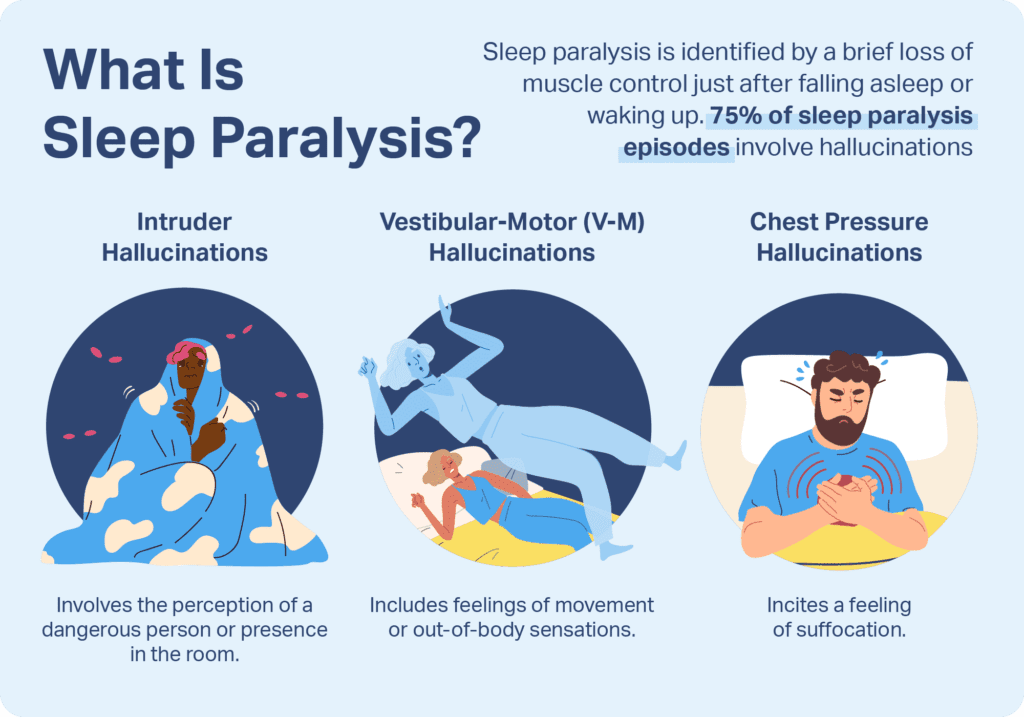
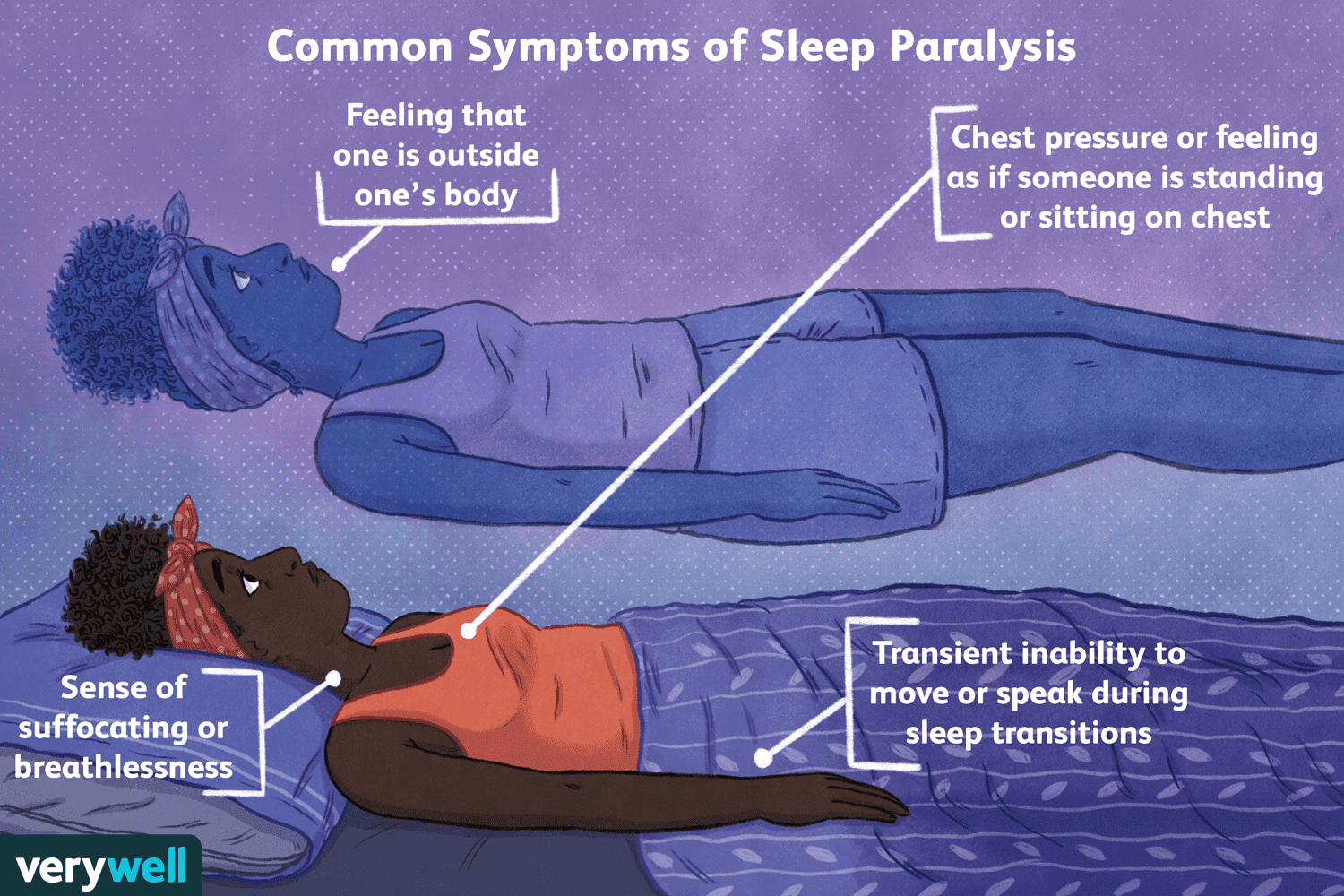
Sleep paralysis is a temporary inability to move or speak that happens when you’re waking up or falling asleep. It can be a frightening experience, leaving you feeling helpless and trapped. But what causes sleep paralysis?
Understanding the Sleep Cycle and REM Sleep
To understand sleep paralysis, you first need to understand the stages of sleep. Sleep is divided into several stages, with rapid eye movement (REM) sleep being one of the most important. During REM sleep, your brain is active and dreams occur. Your body is in a state of temporary paralysis to prevent you from acting out your dreams and potentially harming yourself or others.
The Role of the Brainstem in Sleep Paralysis
The brainstem plays a crucial role in regulating sleep and wakefulness. It is responsible for controlling basic functions such as breathing, heart rate, and muscle movements. During sleep paralysis, there may be a disruption in the communication between the brainstem and the rest of the body, leading to the temporary inability to move.
Genetics and Sleep Paralysis
Research has shown that there may be a genetic component to sleep paralysis. Studies have found that individuals who have a family history of sleep disorders, such as narcolepsy, are more likely to experience sleep paralysis. Additionally, certain genetic traits may make some individuals more prone to experiencing sleep paralysis than others.
Latest Research on Genetic Factors
Recent studies have identified specific genes that may be linked to an increased risk of sleep paralysis. Scientists continue to explore the role of genetics in understanding sleep disorders, including sleep paralysis. By studying the genetic factors that contribute to sleep paralysis, researchers hope to develop more targeted treatments for individuals who suffer from this condition.
Sleep Disorders and Sleep Paralysis
Sleep paralysis is often associated with other sleep disorders, such as narcolepsy and sleep apnea. Individuals who have these conditions are more likely to experience episodes of sleep paralysis. Sleep paralysis may also be more common in individuals who have irregular sleep patterns or who suffer from chronic insomnia.
Connection Between Narcolepsy and Sleep Paralysis
Narcolepsy is a sleep disorder characterized by excessive daytime sleepiness and sudden episodes of sleep. Individuals with narcolepsy often experience sleep paralysis as part of their condition. The link between narcolepsy and sleep paralysis is not fully understood, but researchers believe that disruptions in the brain’s sleep-wake cycle may play a role in both conditions.
Stress and Sleep Paralysis
Stress is known to be a trigger for sleep paralysis. When you are under a lot of stress, your body releases hormones that can disrupt your sleep patterns and increase your risk of experiencing sleep paralysis. Managing stress through relaxation techniques, exercise, and good sleep hygiene can help reduce the likelihood of sleep paralysis episodes.
The Importance of Stress Management
Learning to manage stress is crucial for overall health and well-being, especially when it comes to sleep. Incorporating stress-reducing activities into your daily routine, such as meditation, yoga, or deep breathing exercises, can help improve your sleep quality and reduce the frequency of sleep paralysis episodes.
Sleep Paralysis and Mental Health
There is a strong connection between sleep paralysis and mental health. Individuals who suffer from anxiety, depression, or other mental health conditions are more likely to experience episodes of sleep paralysis. The fear and anxiety associated with sleep paralysis can also exacerbate existing mental health issues.
Coping Strategies for Mental Health and Sleep Paralysis
If you have a mental health condition and experience sleep paralysis, it’s important to seek support from a mental health professional. They can help you develop coping strategies to manage the fear and anxiety associated with sleep paralysis. Cognitive-behavioral therapy, relaxation techniques, and medication may be recommended to help improve your overall mental well-being and reduce the frequency of sleep paralysis episodes.

Treatment Options for Sleep Paralysis
While there is no specific medication to treat sleep paralysis, there are several approaches that can help reduce the frequency and severity of episodes. These may include:
-
Improving sleep hygiene: Establishing a regular sleep schedule, creating a relaxing bedtime routine, and avoiding stimulants like caffeine before bed can help improve your sleep quality and reduce the risk of sleep paralysis.
-
Addressing underlying sleep disorders: If you have an underlying sleep disorder, such as narcolepsy or sleep apnea, treating these conditions can help reduce the likelihood of experiencing sleep paralysis.
-
Stress management: Learning to manage stress through techniques such as meditation, yoga, or therapy can help reduce the risk of sleep paralysis episodes.
-
Seeking support: If you are experiencing frequent episodes of sleep paralysis, it may be helpful to speak with a sleep specialist or mental health professional for additional support and guidance.
Conclusion
Sleep paralysis can be a frightening experience, but understanding the factors that contribute to it can help you manage and reduce the likelihood of episodes. By addressing underlying sleep disorders, managing stress, and seeking support for mental health issues, you can improve your overall sleep quality and well-being. Remember that you are not alone in this experience, and there are resources available to help you navigate through it.