
Sleep paralysis is a perplexing phenomenon that occurs during the transitional stages between wakefulness and sleep. It manifests as a temporary inability to move or speak, often accompanied by vivid hallucinations and a profound sense of fear or unease. While the exact causes of sleep paralysis are still not fully understood, researchers have proposed various theories, ranging from disruptions in REM sleep to neurological factors. This article will delve into the intricate nature of sleep paralysis, exploring its definition, prevalence, potential triggers, and the bewildering experiences reported by those who have endured this enigmatic phenomenon. Through a comprehensive analysis of current scientific research and firsthand accounts, you will gain a deeper understanding of this captivating and often terrifying aspect of human sleep.
Understanding Sleep Paralysis
Sleep paralysis is a fascinating phenomenon that occurs during the transition between sleep and wakefulness. It is characterized by a temporary inability to move or speak, accompanied by a sense of being awake and aware of one’s surroundings. This peculiar state can be accompanied by a range of distressing symptoms, including hallucinations and intense fear. While sleep paralysis is a relatively common experience, it can be quite unsettling for those who experience it.
Definition of Sleep Paralysis
Sleep paralysis is a sleep disorder that is characterized by a temporary inability to move or speak when falling asleep or waking up. During an episode of sleep paralysis, the mind is awake, but the body remains immobile. This phenomenon typically lasts for a few seconds to a few minutes and is often accompanied by vivid hallucinations and a feeling of pressure on the chest. Sleep paralysis can occur in isolation or as part of other sleep disorders, such as narcolepsy.
The Physiology of Sleep Paralysis
Sleep paralysis occurs due to disruptions in the normal sleep-wake cycle. During sleep, the brain goes through different stages, including non-rapid eye movement (NREM) sleep and rapid eye movement (REM) sleep. NREM sleep is divided into four stages, while REM sleep is characterized by rapid eye movements and increased brain activity. Sleep paralysis primarily occurs during the REM sleep stage, when vivid dreaming takes place. In this stage, the brain sends signals to inhibit muscle activity, preventing us from acting out our dreams. However, in cases of sleep paralysis, these signals persist even after waking up, leading to temporary paralysis.
Causes and Triggers
Understanding the causes and triggers of sleep paralysis can shed light on why some individuals are more prone to experiencing this phenomenon than others.
Sleep Deprivation
Sleep deprivation, whether chronic or acute, can increase the likelihood of experiencing sleep paralysis. When we don’t get enough sleep, the normal sleep-wake cycle can become disrupted, making sleep paralysis more likely to occur. Additionally, sleep deprivation can increase the frequency and intensity of REM sleep, leading to a higher chance of experiencing sleep paralysis during this stage.
Irregular Sleep Schedule
Having an irregular sleep schedule can also contribute to sleep paralysis episodes. Erratic sleep patterns can disrupt the natural sleep-wake cycle, making it more difficult for the brain and body to transition smoothly between sleep stages. This can increase the chances of experiencing sleep paralysis, particularly during the REM sleep stage.
Stress and Anxiety
Stress and anxiety have been identified as triggering factors for sleep paralysis. When we are under significant stress, our bodies can experience heightened arousal, which can disrupt the normal sleep cycle and increase the likelihood of experiencing sleep paralysis. Additionally, individuals with anxiety disorders may be more prone to sleep paralysis due to the heightened state of arousal and hyper-vigilance associated with these conditions.
Sleep Disorders
Sleep disorders such as narcolepsy, sleep apnea, and insomnia are known to be associated with an increased risk of experiencing sleep paralysis. Narcolepsy, in particular, is often accompanied by episodes of sleep paralysis due to the disrupted REM sleep patterns characteristic of this disorder. Sleep apnea, which involves interruptions in breathing during sleep, can also lead to alterations in the sleep cycle and an increased likelihood of experiencing sleep paralysis.
Genetic Predisposition
There is evidence to suggest that genetics may play a role in sleep paralysis. Some studies have found a genetic predisposition for sleep paralysis, with certain genes being associated with an increased risk of experiencing this phenomenon. However, more research is needed to fully understand the genetic factors involved in sleep paralysis.
Common Symptoms
Understanding the common symptoms of sleep paralysis can help individuals recognize and differentiate it from other sleep disorders or psychological conditions.
Inability to Move
One of the hallmark symptoms of sleep paralysis is the temporary inability to move or speak. During an episode, individuals may feel as though they are paralyzed, even though their minds are awake and aware of their surroundings. This paralysis is believed to be due to the continued inhibition of muscle activity that occurs during REM sleep.
Feeling of Pressure on the Chest
Many individuals who experience sleep paralysis report a sensation of pressure on their chest, as though something or someone is sitting on top of them. This feeling can be quite distressing and can contribute to a sense of panic and fear during episodes of sleep paralysis.
Hallucinations
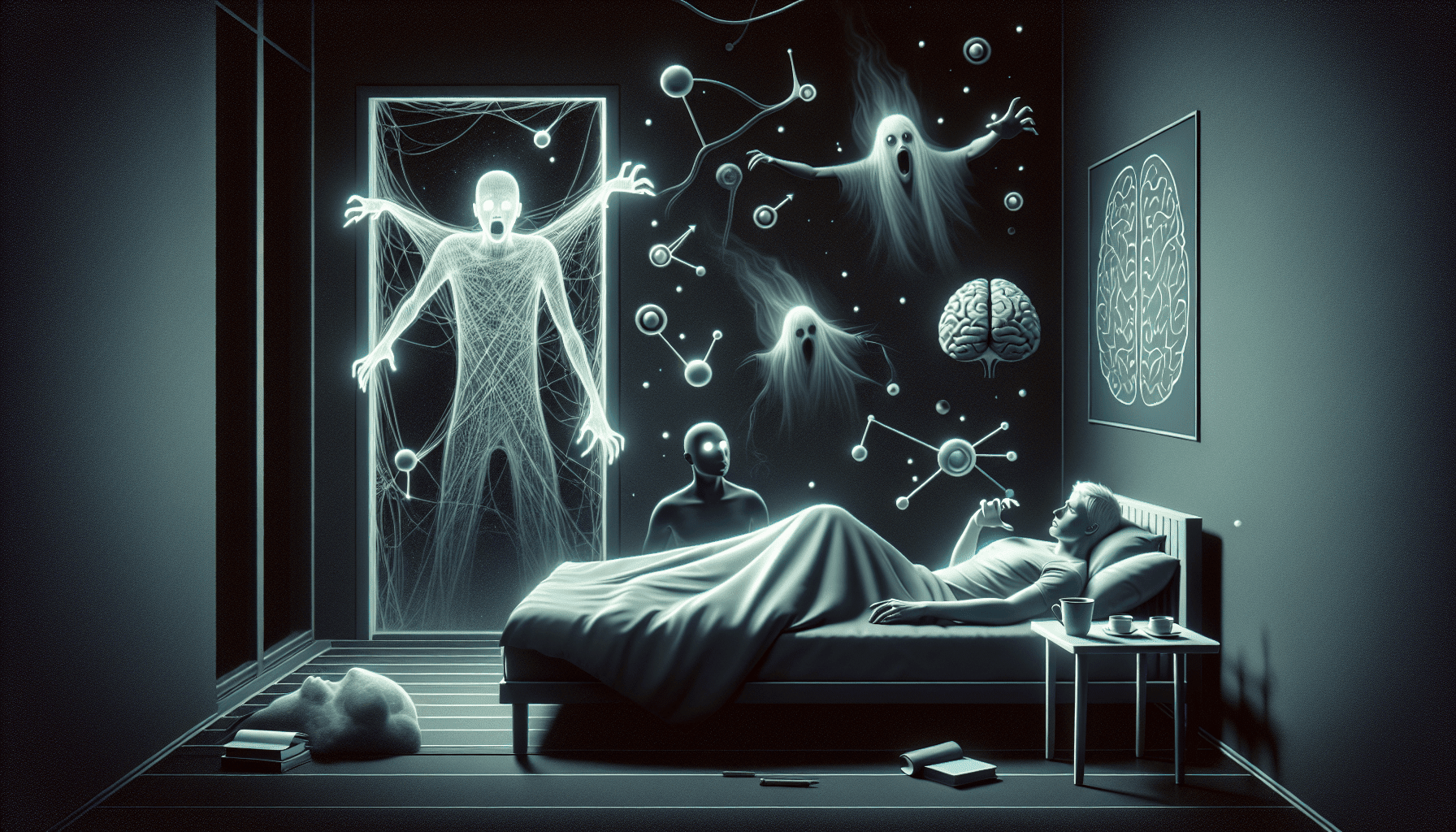
Hallucinations are another common symptom of sleep paralysis. These hallucinations can be visual, auditory, or tactile in nature and are often vivid and realistic. Visual hallucinations may involve the perception of shadowy figures, demons, or other supernatural entities. Auditory hallucinations can manifest as voices or strange sounds, while tactile hallucinations may involve sensations such as being touched or grabbed by an unseen presence.
Intense Fear and Panic
Sleep paralysis is often accompanied by intense fear and panic. The combination of being awake and aware of one’s surroundings while unable to move or speak, along with the presence of hallucinations, can elicit a strong emotional response. Many individuals describe feeling a sense of impending doom or the presence of evil during episodes of sleep paralysis.
The Sleep Cycle and REM Sleep
To understand the relationship between sleep paralysis and REM sleep, it is essential to have an overview of the sleep cycle and the characteristics of REM sleep.
Overview of the Sleep Cycle
The sleep cycle consists of alternating stages of NREM sleep and REM sleep. NREM sleep is further divided into four stages, with each stage representing a different depth of sleep. Stage 1 and 2 are considered lighter sleep stages, while stages 3 and 4 are deep sleep stages. REM sleep, on the other hand, occurs cyclically throughout the night and is characterized by rapid eye movements and increased brain activity.
Characteristics of Rapid Eye Movement (REM) Sleep
REM sleep is a unique sleep stage characterized by several distinct characteristics. First, it is during REM sleep that most dreaming occurs. The brain is highly active during this stage, with brain waves resembling those observed during wakefulness. REM sleep is also associated with rapid eye movements, hence its name. The muscles of the body, except for those responsible for essential functions such as breathing and eye movements, are temporarily paralyzed during REM sleep to prevent us from acting out our dreams.
Relationship between Sleep Paralysis and REM Sleep
Sleep paralysis primarily occurs during the REM sleep stage, when the brain sends signals to inhibit muscle activity. In individuals experiencing sleep paralysis, these signals persist even after waking up, resulting in temporary paralysis. The presence of REM sleep characteristics, such as vivid dreaming and rapid eye movements, may help explain the hallucinatory experiences often associated with sleep paralysis.
The Role of the Brain
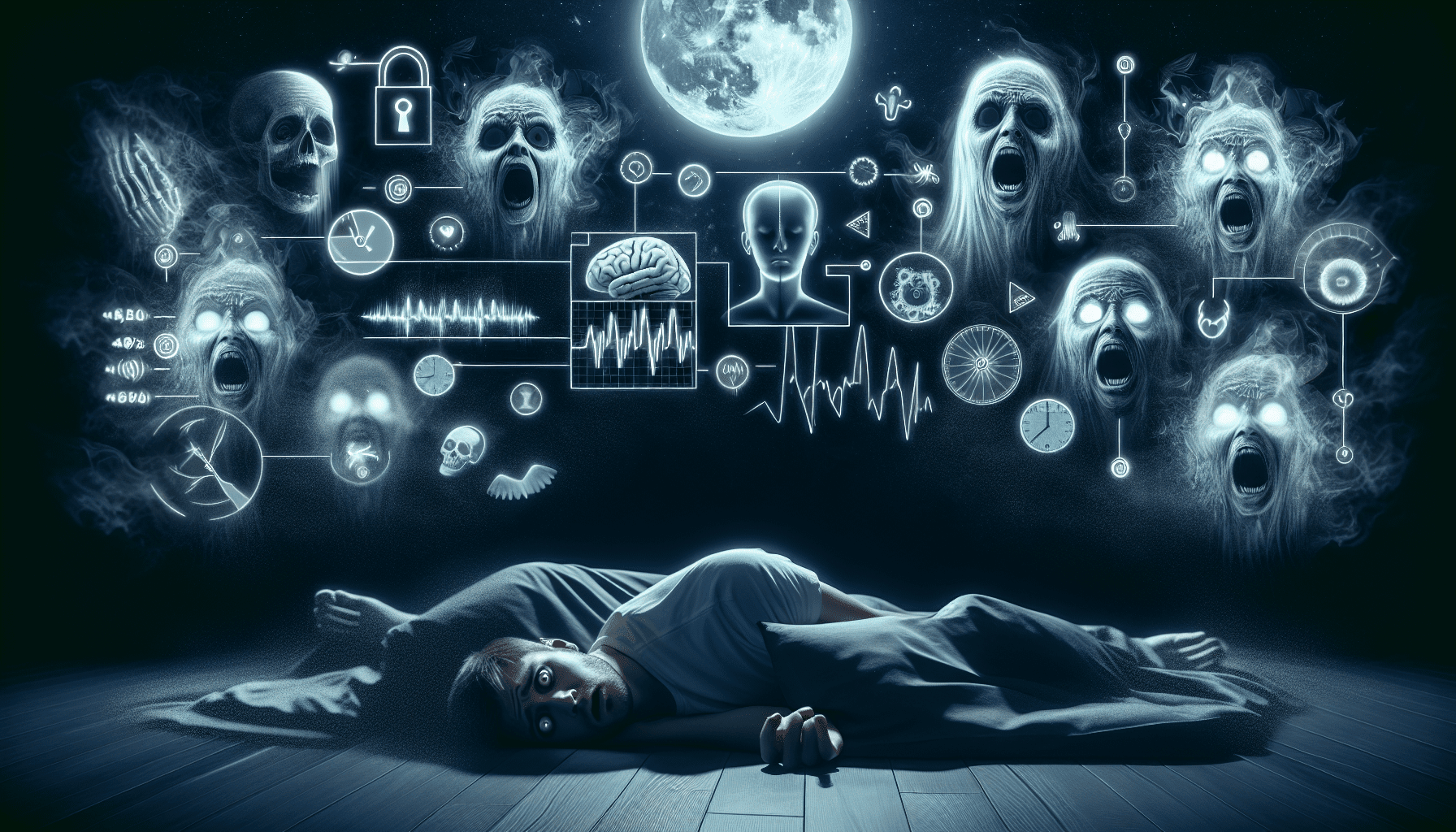
To understand the underlying mechanisms of sleep paralysis, it is crucial to examine the role of the brain and the neurotransmitters involved.
Neurotransmitters and Sleep Paralysis
Neurotransmitters are chemical messengers in the brain that transmit signals between nerve cells. During sleep, various neurotransmitters play a crucial role in regulating the sleep-wake cycle and controlling muscle activity. In sleep paralysis, there may be an imbalance in certain neurotransmitters, leading to the persistence of muscle inhibition signals from the brain even after waking up. This imbalance can contribute to the temporary paralysis experienced during sleep paralysis.
Brain Areas Involved in Sleep Paralysis
Several brain areas have been implicated in sleep paralysis. The amygdala, a region involved in processing emotions, may play a role in the production of fear and hallucinations during sleep paralysis. The prefrontal cortex, responsible for higher-order cognitive processes, may be involved in the conscious awareness of the paralysis. The brainstem, which regulates the transition between sleep stages, may also be involved in the disruption of the normal sleep-wake cycle in sleep paralysis.
Impact of Sleep Disorders on the Brain
Sleep disorders, such as narcolepsy and sleep apnea, can have a significant impact on the brain and may contribute to the development or exacerbation of sleep paralysis. Narcolepsy, characterized by disrupted REM sleep, is often accompanied by episodes of sleep paralysis. Sleep apnea, which involves interruptions in breathing during sleep, can lead to oxygen deprivation in the brain, potentially affecting its functioning and increasing the likelihood of experiencing sleep paralysis.
Cultural and Historical Perspectives
Sleep paralysis has been a subject of interest and interpretation in various cultures and historical periods. Examining these perspectives can provide unique insights into the phenomenon.
Sleep Paralysis in Different Cultures
Sleep paralysis is not limited to a particular culture or geographic location. Many cultures around the world have recognized and interpreted the experience of sleep paralysis throughout history. For example, in some African and Caribbean cultures, sleep paralysis is known as “kokma” and is believed to be caused by a malevolent spirit sitting on the sleeper’s chest. In Japanese folklore, sleep paralysis is referred to as “kanashibari” and is associated with supernatural beings.
Folklore and Legends Associated with Sleep Paralysis
Sleep paralysis has often been attributed to supernatural beings and malevolent spirits in folklore and legends. Across cultures, there are stories of creatures like demons, witches, or vampires that visit individuals during sleep paralysis. These creatures are said to cause the temporary paralysis and hallucinations associated with sleep paralysis. These cultural interpretations provide a glimpse into how sleep paralysis has been understood and explained in different societies.
Historical Interpretations of Sleep Paralysis
Sleep paralysis has been a subject of fascination and curiosity throughout history. In ancient times, sleep paralysis was often attributed to demonic possession or witchcraft. The experiences described by those who suffered from sleep paralysis were often considered evidence of otherworldly encounters. Over time, as scientific knowledge advanced, more rational explanations began to emerge. Today, sleep paralysis is recognized as a sleep disorder with physiological and psychological underpinnings.
Differentiating Sleep Paralysis from Other Sleep Disorders
To properly diagnose sleep paralysis, it is essential to understand how it differs from other sleep disorders that share similar symptoms.
Nightmares
While nightmares can be distressing experiences during sleep, they are different from sleep paralysis. Nightmares involve vivid and disturbing dreams that may elicit fear or terror. However, during nightmares, individuals retain the ability to move and react physically. In contrast, sleep paralysis involves temporary muscle paralysis, making movement impossible.
Night Terrors
Night terrors are intense episodes of fear or terror that occur during sleep, usually during non-REM sleep. Unlike sleep paralysis, night terrors are characterized by sudden waking, often accompanied by screaming, sweating, and rapid breathing. During a night terror, individuals may appear highly agitated, but they do not experience the temporary paralysis associated with sleep paralysis.
Sleepwalking
Sleepwalking, or somnambulism, is a parasomnia characterized by complex motor behaviors performed during sleep. Sleepwalkers may engage in activities such as wandering, eating, or even driving, all while asleep. Unlike sleep paralysis, sleepwalking involves movement and actions, rather than temporary paralysis.
Sleep Apnea
Sleep apnea is a sleep disorder characterized by pauses in breathing or shallow breathing during sleep. These pauses can lead to brief awakenings and disruptions in sleep. While sleep apnea can sometimes cause sleep paralysis-like experiences, it is important to distinguish between the two. Sleep apnea is primarily characterized by breathing difficulties, while sleep paralysis is characterized by temporary muscle paralysis and waking consciousness.
Diagnosis and Treatment Options
Diagnosing sleep paralysis involves ruling out other potential causes and evaluating the individual’s symptoms and sleep history. Treatment options can vary depending on the underlying causes and the severity of the sleep paralysis episodes.
Diagnosing Sleep Paralysis
Diagnosing sleep paralysis involves a comprehensive evaluation of an individual’s symptoms and sleep history. A healthcare professional will gather information about the frequency and characteristics of the sleep paralysis episodes, as well as any associated symptoms such as hallucinations or intense fear. The healthcare professional may also conduct a physical examination and recommend additional tests, such as a sleep study, to gather further information about the individual’s sleep patterns.
Self-Care Techniques
For milder cases of sleep paralysis, self-care techniques may be sufficient to manage and reduce the frequency of episodes. Improving sleep hygiene, such as maintaining a regular sleep schedule and creating a relaxing sleep environment, can be beneficial. Stress reduction techniques, such as meditation or deep breathing exercises, may also help reduce the likelihood of sleep paralysis episodes. Avoiding sleep deprivation and managing underlying stress and anxiety can further support overall sleep health.
Medical Interventions
In more severe or frequent cases of sleep paralysis, medical interventions may be necessary. Medications such as selective serotonin reuptake inhibitors (SSRIs) or tricyclic antidepressants may be prescribed to help regulate sleep patterns and reduce the frequency of sleep paralysis episodes. In some cases, treating underlying sleep disorders, such as narcolepsy or sleep apnea, may also alleviate symptoms of sleep paralysis.
Managing and Coping with Sleep Paralysis
While sleep paralysis can be a distressing experience, there are strategies that individuals can employ to manage and cope with episodes.
Improving Sleep Hygiene
Maintaining good sleep hygiene is crucial for managing sleep paralysis. This includes establishing a regular sleep schedule, creating a comfortable sleep environment, and adopting relaxation techniques before bedtime. Avoiding stimulants such as caffeine or electronic devices close to bedtime can also support better sleep quality and reduce the likelihood of sleep paralysis episodes.
Stress Reduction Techniques
Since stress and anxiety can contribute to sleep paralysis, incorporating stress reduction techniques into one’s daily routine can be beneficial. Engaging in activities such as yoga, meditation, or deep breathing exercises can promote relaxation and help reduce stress levels. Seeking professional therapy or counseling may also be helpful in managing underlying stress and anxiety.
Seeking Support from Others
Connecting with others who have experienced sleep paralysis can provide a sense of validation and support. Joining online communities or support groups can offer an opportunity for individuals to share their experiences, exchange coping strategies, and learn from one another. Seeking support from friends, family, or healthcare professionals can also provide reassurance and guidance in managing sleep paralysis.
Fascinating Research and Studies
Ongoing research and studies continue to shed light on the intriguing aspects of sleep paralysis, uncovering new insights and possibilities.
Exploring the Link between Sleep Paralysis and Lucid Dreaming
Lucid dreaming, a state in which individuals are aware that they are dreaming and can actively participate in their dreams, has been a topic of interest in relation to sleep paralysis. Some studies have suggested a potential link between sleep paralysis and lucid dreaming, with individuals who frequently experience sleep paralysis being more likely to have lucid dreams. Further research is needed to fully understand the relationship between these two phenomena.
The Use of Medications and Therapies in Sleep Paralysis
Researchers are also examining the effectiveness of various medications and therapies in managing sleep paralysis. Medications that target neurotransmitter imbalances or regulate sleep patterns are being explored as potential treatment options. Additionally, cognitive-behavioral therapies and other psychological interventions are being investigated to help individuals cope with the fear and anxiety associated with sleep paralysis.
Innovative Approaches to Understanding Sleep Paralysis
Advancements in neuroscience and technology are paving the way for innovative approaches to understanding sleep paralysis. Neuroimaging techniques, such as functional MRI scans, are being used to examine brain activity and identify specific neural correlates associated with sleep paralysis. Additionally, virtual reality simulations are being developed to recreate sleep paralysis experiences in a controlled environment, allowing researchers to study the phenomenon more closely.
In conclusion, sleep paralysis is a fascinating and complex phenomenon that occurs during the transition between sleep and wakefulness. It is characterized by temporary muscle paralysis, vivid hallucinations, and a sense of fear and panic. The causes of sleep paralysis can range from sleep deprivation and stress to underlying sleep disorders and genetic predisposition. Understanding the physiology of sleep and the role of the brain is crucial in comprehending sleep paralysis. Additionally, cultural and historical perspectives provide valuable insights into this phenomenon. Distinguishing sleep paralysis from other sleep disorders is essential for accurate diagnosis and proper treatment. While self-care techniques and stress reduction strategies can be beneficial, medical interventions may be necessary for severe cases. Managing and coping with sleep paralysis involves improving sleep hygiene, reducing stress, and seeking support from others. Ongoing research and studies continue to explore fascinating aspects of sleep paralysis, contributing to a deeper understanding of this intriguing phenomenon.