
Sleep paralysis is a fascinating and perplexing phenomenon that has been documented throughout history across different cultures and societies. It is a state in which the body is temporarily immobilized while the mind remains awake, often accompanied by vivid hallucinations and an overpowering sense of dread. In this article, you will gain a deeper understanding of sleep paralysis, exploring its causes, symptoms, and potential implications for individuals who experience it. By delving into the intricacies of this intriguing condition, we hope to shed light on the mysterious world of sleep paralysis and provide valuable insights for both researchers and those personally affected by it.
Definition of Sleep Paralysis
Sleep paralysis is a phenomenon that occurs during sleep when you find yourself temporarily unable to move or speak, often accompanied by a feeling of pressure or a sense of being held down. This condition arises from a disruption in the normal transition between sleep stages, with the affected individual being consciously awake but unable to move their voluntary muscles or fully awaken from sleep. Sleep paralysis typically occurs during the transition from sleep to wakefulness or vice versa, and it can last for a few seconds up to several minutes. It is often a frightening experience, characterized by a sense of helplessness and an inability to escape the immobility.
Explanation of Sleep Paralysis
Sleep paralysis is a condition that falls under the umbrella of sleep disorders known as parasomnias, which involve abnormal behavioral and physiological events that occur during sleep or during the transitions between sleep and wakefulness. It can be broadly categorized into two types: isolated sleep paralysis, which occurs independently of any other sleep disorders, and sleep paralysis that occurs as a symptom of another sleep disorder, such as narcolepsy or sleep apnea.
During sleep, your brain undergoes different stages of sleep, including rapid eye movement (REM) sleep and non-REM sleep. Sleep paralysis is most commonly associated with REM sleep, which is a stage characterized by rapid eye movements, vivid dreaming, and heightened brain activity. Normally, during REM sleep, your brain sends signals to inhibit muscle movement and prevent acting out dreams. However, in sleep paralysis, this mechanism malfunctions, resulting in a temporary inability to move despite being conscious.
Statistics on Sleep Paralysis Cases
Sleep paralysis is a relatively common phenomenon, with research indicating that it affects a significant portion of the population. Studies have shown that anywhere between 8% and 50% of individuals experience at least one episode of sleep paralysis during their lifetime. The incidence of sleep paralysis may vary across different populations and age groups. It is also worth noting that sleep paralysis tends to be more prevalent in individuals with certain risk factors, such as sleep deprivation, irregular sleep schedules, and certain sleep disorders like narcolepsy.
Causes of Sleep Paralysis
Overview of Possible Triggers
Sleep paralysis can be triggered by various factors, including sleep deprivation, irregular sleep schedules, certain medications, and substance use. Other potential triggers include sleep disorders, such as narcolepsy, sleep apnea, and insomnia, as well as mental health conditions like anxiety and depression. Furthermore, individuals who experience frequent disruptions in their sleep cycles or who have irregular sleep-wake patterns may be more prone to experiencing sleep paralysis episodes.
Link Between Sleep Disorders and Sleep Paralysis
Sleep paralysis is often associated with other sleep disorders, particularly narcolepsy. Narcolepsy is a neurological disorder characterized by excessive daytime sleepiness, sudden and uncontrollable episodes of falling asleep, and other symptoms such as cataplexy (sudden loss of muscle tone) and hallucinations. Studies suggest that a majority of individuals with narcolepsy experience sleep paralysis as one of their symptoms. Additionally, sleep disorders like sleep apnea, periodic limb movement disorder, and insomnia have also been associated with an increased risk of sleep paralysis.
Impact of Stress and Anxiety on Sleep Paralysis
Stress and anxiety can play a significant role in the occurrence and severity of sleep paralysis episodes. High levels of stress and anxiety are known to disrupt sleep patterns and contribute to sleep disturbances. During periods of heightened stress, individuals may experience more frequent and intense sleep paralysis episodes. It is believed that the release of stress hormones and the activation of the body’s stress response system may interfere with the normal regulation of sleep stages, including REM sleep, ultimately increasing the likelihood of experiencing sleep paralysis.
The Science Behind Sleep Paralysis
Explanation of REM Sleep and Its Connection to Sleep Paralysis
Rapid eye movement (REM) sleep is one of the key stages of the sleep cycle and is closely linked to sleep paralysis. During REM sleep, the brain is highly active, and vivid dreaming occurs. The body undergoes temporary muscle atonia, a state of muscle paralysis, to prevent individuals from acting out their dreams. This mechanism is controlled by various neurotransmitters in the brain, including gamma-aminobutyric acid (GABA) and glycine. In sleep paralysis, there is a failure of this muscle paralysis to dissipate upon awakening, leading to the characteristic inability to move.
Role of Sleep Cycles in Experiencing Sleep Paralysis
Sleep paralysis is more likely to occur during the transition periods between sleep stages or during the transitions from sleep to wakefulness. These transitions typically occur at the end of REM sleep or when individuals are in a state of light sleep. Sleep cycles consist of alternating periods of REM sleep and non-REM sleep, with multiple cycles occurring throughout the night. Research suggests that sleep paralysis episodes tend to happen more frequently during the earlier part of the night, when REM sleep is more prevalent. This can be attributed to the fact that REM sleep occurs more frequently at the end of a sleep cycle.
Symptoms and Sensations During Sleep Paralysis
Description of Common Symptoms
Sleep paralysis is characterized by a range of physical and psychological symptoms. The most prominent symptom is the inability to move voluntary muscles, leading to a feeling of being paralyzed. Individuals experiencing sleep paralysis often report a sense of pressure on their chest or body, as if something or someone is holding them down. Additionally, sensations of floating, levitating, or flying have been described by some individuals. Other common symptoms include a racing heart, difficulty breathing, and a heightened sense of fear or impending doom.
Feelings of Fear and Hallucinations During Sleep Paralysis
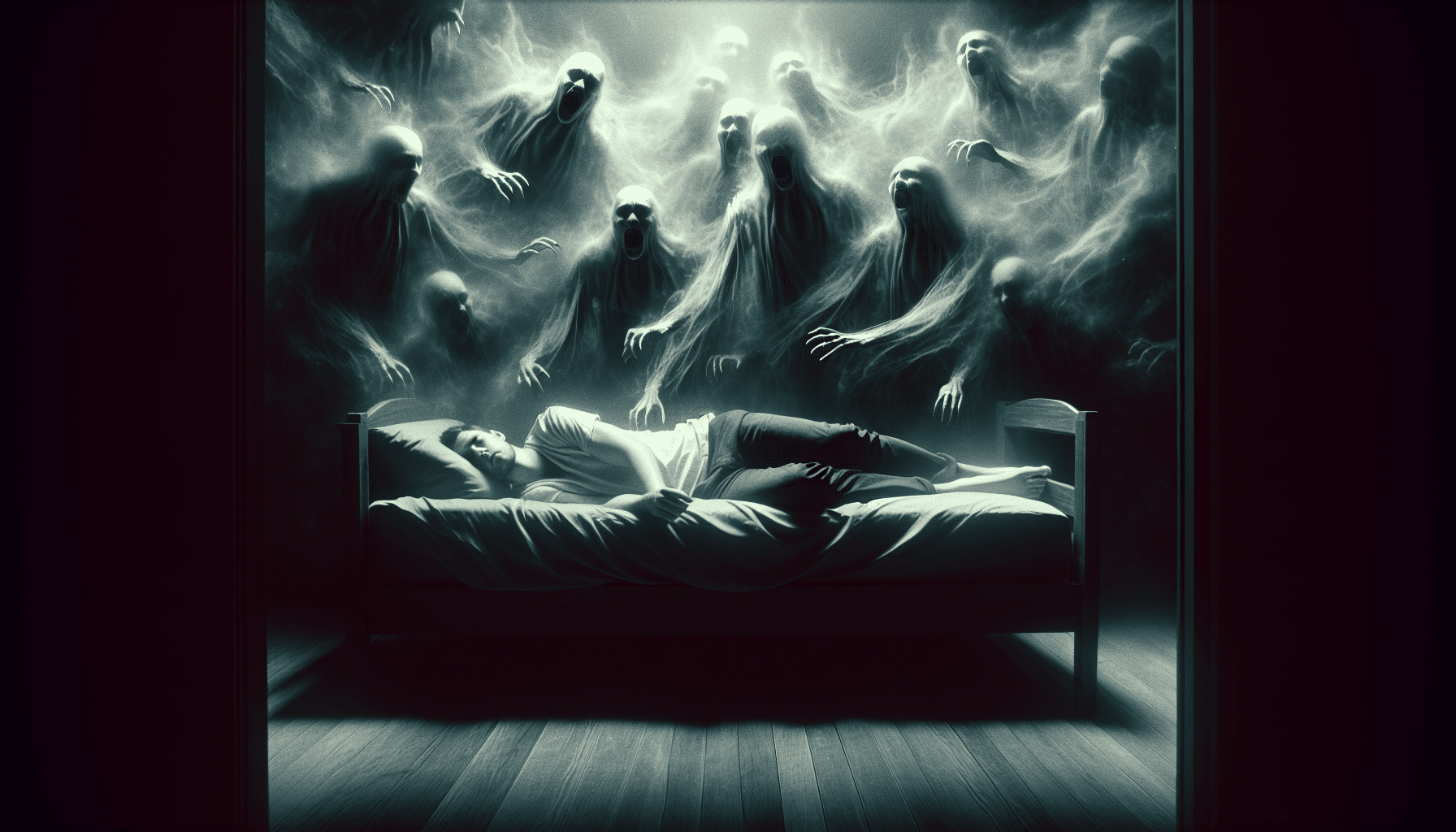
Fear and hallucinations are common experiences during sleep paralysis, likely exacerbating the already distressing nature of the phenomenon. The feeling of fear often arises due to the perceived loss of control and the intense sensations experienced during sleep paralysis. Hallucinations can take various forms, ranging from visual hallucinations (e.g., seeing shadowy figures or demonic entities) to auditory hallucinations (e.g., hearing voices or whispers). These hallucinations can be vivid and realistic, leading to increased anxiety and a sense of impending danger.

Differentiating Sleep Paralysis from Nightmares
Key Differences Between Sleep Paralysis and Nightmares
Sleep paralysis can often be confused with nightmares due to the presence of fear and hallucinatory experiences. However, there are key differences between the two phenomena. Sleep paralysis occurs during the transition from sleep to wakefulness or vice versa and is accompanied by a temporary inability to move. Nightmares, on the other hand, are vivid, disturbing dreams that can be recalled upon awakening. While nightmares can elicit fear and anxiety, they do not involve the physical paralysis experienced in sleep paralysis.