
Imagine a world where you find yourself lying in bed, unable to move or speak, as if there is an unseen force holding you down. Your mind races, desperately trying to break free from this eerie sensation. This is the realm of sleep paralysis, a phenomenon that has captivated artists and authors across different cultures throughout history. From haunting paintings that capture the essence of this mysterious ailment to poetic verses that delve into its psychological depths, the depictions of sleep paralysis in art and literature offer a fascinating glimpse into the collective human experience.
Depiction of Sleep Paralysis in Ancient Art
Sleep paralysis, a phenomenon experienced by individuals during the transitional state between sleep and wakefulness, has been a subject of fascination and intrigue throughout history. Ancient civilizations, such as Ancient Egypt and Ancient Greece, have left behind artifacts and paintings that provide insights into how they perceived and depicted sleep paralysis in their art.
Artifacts and paintings from Ancient Egypt
In Ancient Egypt, depictions of sleep paralysis can be seen in various artifacts and paintings that have managed to survive the test of time. One such example is the famous sleep temple of Amenhotep IV, also known as Akhenaten. The hieroglyphs and murals found within the temple depict scenes of people lying in bed, seemingly paralyzed, while shadowy figures loom over them. These haunting images suggest that the Ancient Egyptians were aware of the terrifying experience of sleep paralysis and sought to represent it in their art.
Sleep paralysis in Ancient Greek mythology
Ancient Greek mythology also offers insights into how sleep paralysis was perceived in their culture. One prominent figure associated with sleep paralysis is the mythical creature known as the “Mare” or “Nightmare.” According to Greek mythology, the Mare was a female spirit who sat on the chests of sleeping individuals, causing them to feel immobilized and unable to move. This mythological explanation for sleep paralysis demonstrates the ancient Greeks’ attempt to make sense of this eerie experience through storytelling and folklore.
Sleep Paralysis in Medieval Art and Literature
During the medieval period, sleep paralysis continued to captivate the imagination of artists and writers. Illuminated manuscripts and literary works from this time offer a glimpse into the medieval understanding and interpretation of sleep paralysis.
Illuminated manuscripts depicting sleep paralysis
Illuminated manuscripts, often created by monks in monasteries, frequently depicted scenes of sleep paralysis. These intricate and detailed artworks often portrayed individuals paralyzed in their beds with demonic creatures hovering above them. These illustrations aimed to illustrate the spiritual and supernatural elements associated with sleep paralysis, reflecting the prevailing religious beliefs and fears of the medieval society.
Depictions of demons and supernatural beings in literature
Medieval literature also delved into the theme of sleep paralysis, often associating it with demons and supernatural beings. These dark and eerie creatures were believed to be responsible for the immobilizing experience during sleep paralysis. By intertwining sleep paralysis with concepts of good versus evil, authors of the time aimed to explore the eternal struggle between human vulnerability and supernatural forces.
Sleep Paralysis in Asian Art and Literature
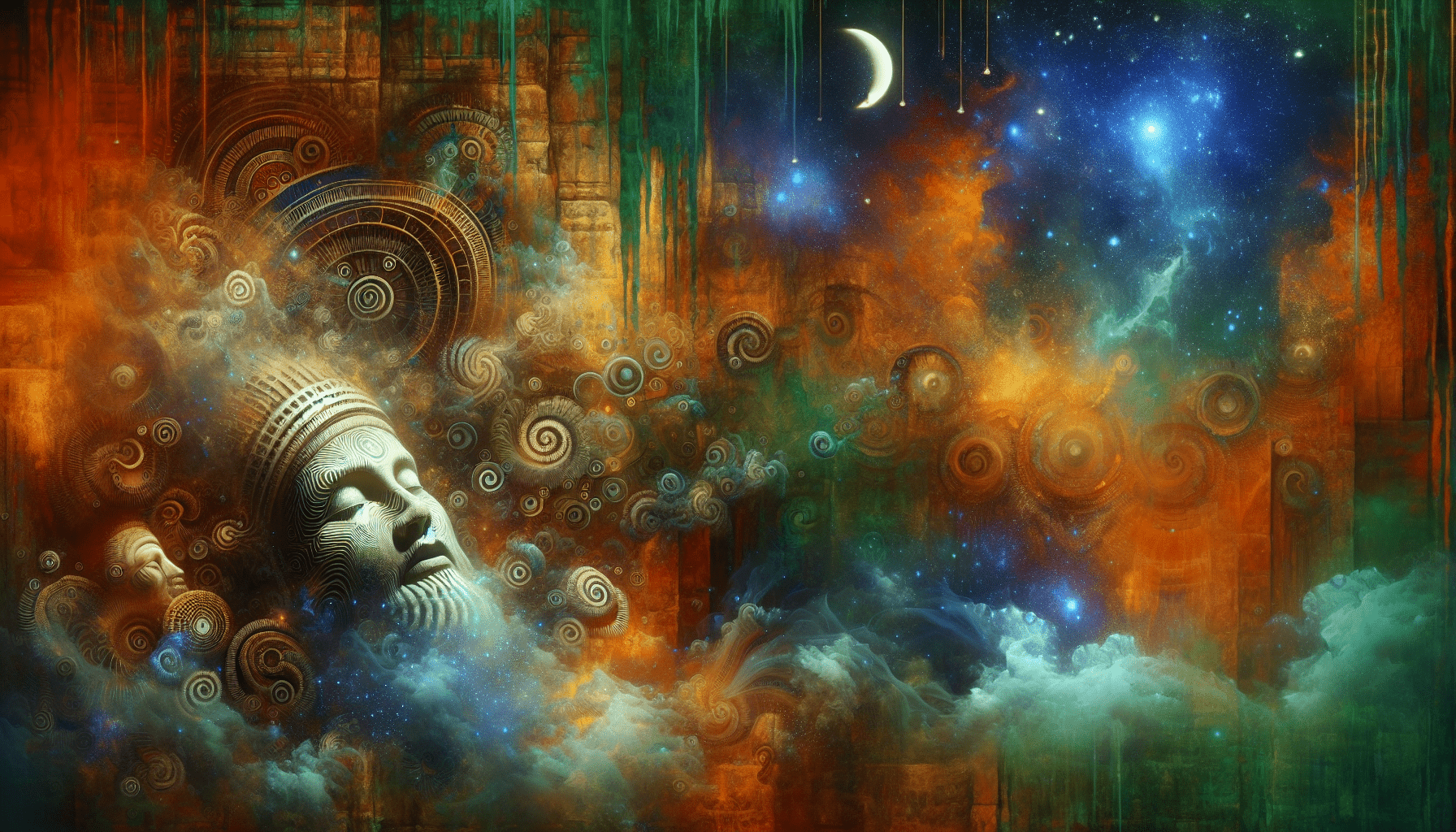
Sleep paralysis has also made its way into the art and literature of various Asian cultures, including Japan and China. These depictions offer unique perspectives on sleep paralysis within their respective cultural contexts.
Sleep paralysis in Japanese artistic traditions
In Japanese art, sleep paralysis has been portrayed through various artistic traditions, such as ukiyo-e woodblock prints. These prints often depicted individuals desperately trying to break free from their paralytic state, surrounded by menacing spirits or ghosts. The intricate details and vibrant colors used in these prints reflect the rich folklore and supernatural beliefs deeply ingrained in Japanese culture.
Depictions in Chinese literature and folklore
In Chinese literature and folklore, sleep paralysis is often associated with the concept of “ghost oppression.” The belief is that malevolent spirits or ghosts manipulate and control individuals during their sleep, rendering them helpless and unable to move. Various texts and stories describe encounters with these spirits and the subsequent struggle to break free from their grip. These depictions highlight the cultural understanding of sleep paralysis within the Chinese context.
Sleep Paralysis in African Art and Folklore
African art and folklore also offer glimpses into the representation and interpretation of sleep paralysis within the continent’s diverse cultures.
Representation of sleep paralysis in African tribal art
African tribal art provides unique perspectives on sleep paralysis, often reflecting spiritual and ancestral beliefs. Masks and sculptures with elongated limbs and contorted postures have been interpreted as representations of individuals experiencing sleep paralysis. These artworks suggest a belief in the spiritual connection between sleep paralysis and the influence of ancestors or other supernatural entities.
Folklore and stories related to sleep paralysis in Africa
African folklore is filled with stories and beliefs surrounding sleep paralysis. Many African cultures believe that sleep paralysis is caused by malevolent spirits or witchcraft. Folk tales recount encounters with these entities, emphasizing the importance of protective rituals and charms to ward off their influence. These stories depict sleep paralysis as a battle between human vulnerability and the forces of darkness.
Sleep Paralysis in Indigenous Cultures
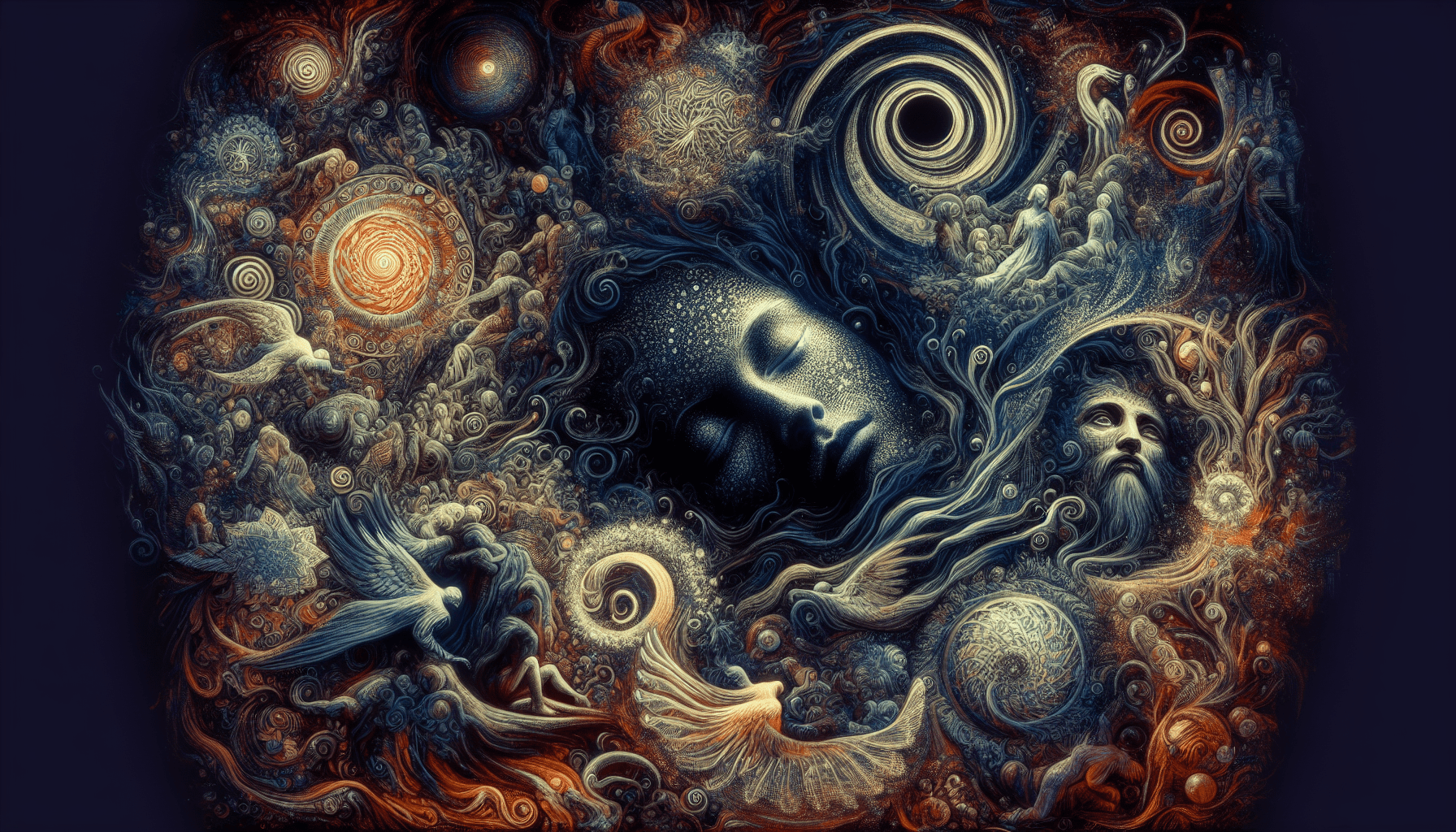
Indigenous cultures around the world have their own unique portrayals and interpretations of sleep paralysis, reflecting their deep-rooted spiritual beliefs and cultural practices.
Depictions of sleep paralysis in Native American art
Native American art often incorporates the theme of sleep paralysis, subtly or explicitly, in their visual representations. Petroglyphs and pictographs found on rock formations reveal scenes of individuals immobilized during sleep, surrounded by spirit guides or powerful animal figures. These depictions showcase the intimate connection between nature, spirituality, and the experience of sleep paralysis within Native American cultures.
Beliefs and interpretations of sleep paralysis in indigenous cultures
Indigenous cultures interpret sleep paralysis through the lens of their belief systems and cultural practices. Some see sleep paralysis as a spiritual awakening, a connection to the spirit world, or a test of one’s resilience and strength. Others view it as a warning sign or a call for spiritual guidance. These interpretations highlight the diversity of indigenous perspectives on sleep paralysis and the importance of cultural context in understanding its meaning.
Modern Depictions of Sleep Paralysis
As society has progressed, so too has the depiction of sleep paralysis in modern art and literature. Contemporary artists and writers continue to explore and interpret this fascinating phenomenon, offering fresh and innovative perspectives.
Sleep paralysis in contemporary literature
Contemporary literature often explores sleep paralysis as a metaphor for the human condition and the struggles we face in our daily lives. In these narratives, sleep paralysis becomes a symbol of personal and emotional immobility, representing the challenges individuals encounter when navigating relationships, identity, and existential questions. By infusing sleep paralysis with deeper psychological and symbolic meanings, authors create thought-provoking narratives that resonate with readers on a deeper level.
Artistic interpretations in modern visual arts
In the world of visual arts, modern artists employ various mediums and techniques to represent sleep paralysis. Paintings, sculptures, and mixed-media installations capture the unsettling nature of the experience, often using abstract imagery or distorted figures. These artistic interpretations aim to evoke emotions and raise questions about the complexities of the human mind and the mysteries of sleep paralysis.
Psychological and Symbolic Interpretations
Psychologists and scholars have long contemplated the psychological and symbolic significance of sleep paralysis in art and literature. By delving deeper into the inner workings of the human mind, they shed light on the underlying themes and meanings embedded within these creative expressions.
Psychological analysis of sleep paralysis in art and literature
Psychologists analyze sleep paralysis depictions to better understand the human psyche and the emotions associated with this experience. They explore themes of vulnerability, fear, and powerlessness, seeking to unravel the subconscious fears and anxieties that surface during sleep paralysis. Through these psychological analyses, art and literature become windows into the complexities of the human mind.
Symbolic meanings attributed to sleep paralysis in different cultures
Cultural and symbolic interpretations of sleep paralysis also play a significant role in understanding its depiction in art and literature. Different cultures attribute unique meanings to this phenomenon, often connecting it to specific symbols, spirits, or spiritual beliefs. These interpretations help to contextualize sleep paralysis within specific cultural frameworks and reveal the diverse ways in which it is understood and conveyed.
Sleep Paralysis in Film and Media
The modern fascination with sleep paralysis has extended into the realm of film and media, where its portrayal has enthralled audiences and sparked curiosity.
Sleep paralysis in horror movies and documentaries
Horror movies often exploit the eerie nature of sleep paralysis to create suspenseful and terrifying narratives. Filmmakers capitalize on the vulnerability and helplessness associated with sleep paralysis to craft compelling horror stories that play on our deepest fears. Additionally, documentaries explore the scientific and psychological aspects of sleep paralysis, offering audiences a further glimpse into this intriguing phenomenon.
Exploration of sleep paralysis in music and other forms of media
Beyond film, sleep paralysis has found its way into various other forms of media, including music and visual storytelling. Musicians and composers incorporate sleep paralysis themes into their lyrics and compositions, using sound to evoke the surreal and unsettling nature of the experience. Through these artistic mediums, sleep paralysis becomes a source of inspiration and a means to explore the boundaries of human consciousness.
Sleep Paralysis as a Source of Inspiration
While sleep paralysis can be a frightening and unsettling experience, it has also served as a wellspring of inspiration for artists, writers, and creators across different cultures and time periods.
Influence of sleep paralysis on creativity and artistic expression
Many artists and writers have drawn upon their personal experiences with sleep paralysis to fuel their creative endeavors. They harness the intensity and vividness of the sleep paralysis experience to produce works that resonate with audiences and encourage introspection. By channeling their feelings and emotions into their art, these individuals transform their encounters with sleep paralysis into platforms for self-expression and exploration.
Artistic works inspired by personal experiences with sleep paralysis
Countless artistic works have been born from personal experiences with sleep paralysis. Paintings, sculptures, literature, and music reflect personal narratives and interpretations of this phenomenon. These works not only shine a light on the individual struggles with sleep paralysis, but also provide a sense of solidarity to those who have also grappled with its haunting grip.
Interpretations of Sleep Paralysis in a Global Context
Examining the diverse cultural interpretations of sleep paralysis allows us to appreciate the universality of this phenomenon while still acknowledging the cultural nuances that shape its depiction.
Comparison of cultural interpretations of sleep paralysis
By comparing the various cultural interpretations of sleep paralysis, we gain insight into the common threads that connect humanity’s experiences with this haunting phenomenon. Despite cultural differences, sleep paralysis is often associated with themes of fear, vulnerability, and spiritual entities. Recognizing these similarities helps bridge cultural gaps and foster a deeper understanding of the human condition.
Understanding the universality and cultural variations of sleep paralysis experiences
While sleep paralysis experiences differ across cultures, there are universal aspects that bind them together. The immobilizing sensation, the presence of supernatural beings, and the emotional impact are threads that connect individuals worldwide. Understanding both the universal and cultural aspects allows us to appreciate the complexity and richness of sleep paralysis experiences, fostering empathy and a greater sense of shared humanity.
In conclusion, the depiction of sleep paralysis in art and literature spans across cultures and time periods, offering unique insights into how humanity has grappled with this mysterious phenomenon. From ancient civilizations to modern interpretations, sleep paralysis continues to captivate the imagination and serve as a source of artistic inspiration. By exploring its representation in different cultural contexts, we gain a deeper understanding of the universality of sleep paralysis experiences.