
Have you ever experienced the unsettling sensation of being awake but unable to move? Known as sleep paralysis, this phenomenon affects individuals across cultures. But did you know that sleep paralysis is also associated with a variety of cultural taboos? Exploring the connections between cultural beliefs and sleep paralysis, this article delves into the fascinating world of taboos surrounding this sleep disorder. From ancient folklore to modern superstitions, uncover the intriguing practices and customs tied to sleep paralysis that have endured throughout history.
Sleep paralysis as a supernatural phenomenon
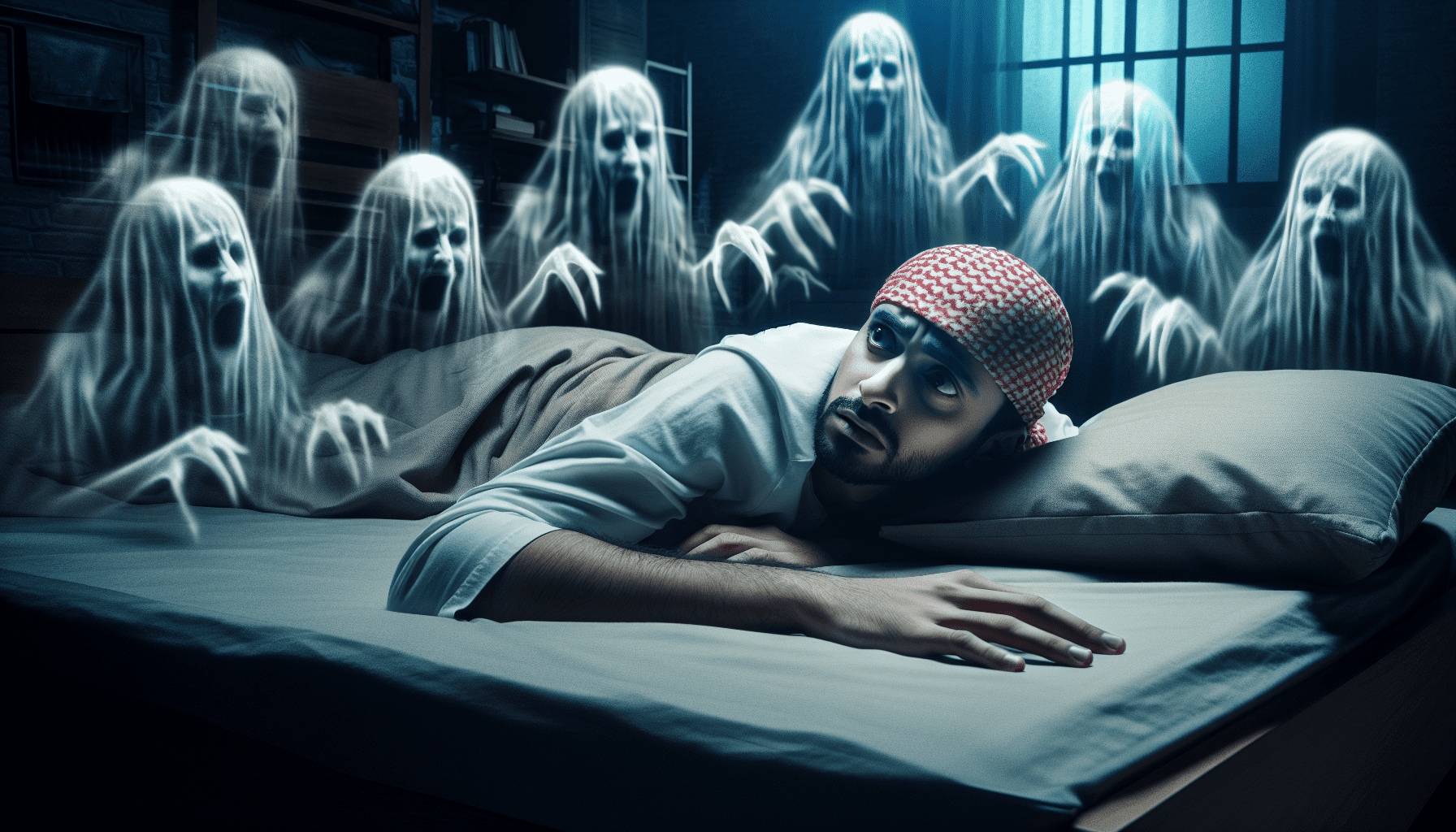
Sleep paralysis is a phenomenon that has been shrouded in supernatural beliefs and folklore across various cultures. Many cultures believe that sleep paralysis is caused by evil spirits or demons, which make it a frightening experience for those who go through it. This perception is deeply rooted in the belief that during sleep paralysis, one’s body is vulnerable to spiritual entities, which can cause physical and emotional distress.
Beliefs in evil spirits or demons causing sleep paralysis
In different cultural contexts, there is a strong belief that sleep paralysis is a result of malevolent entities, such as evil spirits or demons, taking control of a person’s body. These entities are thought to be responsible for the sensation of being immobilized and the often accompanying hallucinations. They are believed to be capable of causing harm or instilling fear in individuals experiencing sleep paralysis.
Taboos associated with talking about sleep paralysis
In many cultures, there exists a taboo around openly discussing sleep paralysis. People might shy away from sharing their experiences or seeking help due to the fear of being ridiculed or stigmatized. This silence is often influenced by the belief that talking about sleep paralysis can attract or invite these supernatural entities, further perpetuating the fear and isolation associated with the phenomenon.
Cultural rituals to ward off evil spirits during sleep paralysis
To protect oneself from the influence of evil spirits during sleep paralysis, various cultural rituals are practiced. These rituals may involve reciting prayers, lighting specific candles or incense, and performing symbolic actions to ward off the malevolent entities. Some cultures also emphasize the use of specific talismans or amulets believed to possess spiritual powers against these supernatural beings.
Sleep paralysis as a sign of impending death or bad luck
Sleep paralysis has long been associated with the belief that it serves as a warning of imminent death or impending bad luck. In these cultural beliefs, sleep paralysis is seen as a foretelling of unfortunate events and serves as a signal to take precautions or make amends.
Beliefs that sleep paralysis is a warning of imminent death
The belief that sleep paralysis is a harbinger of death is prevalent in many cultures. It is believed that the experience is a premonition of one’s impending demise or the death of a loved one. This belief instills a deep sense of fear and urgency, leading individuals to explore ways to counteract this perceived warning.
Taboos related to discussing sleep paralysis and its connection to death
Talking openly about sleep paralysis in the context of death is often considered taboo in many cultures. The fear of attracting death or bringing bad luck upon oneself or loved ones prevents individuals from freely discussing their experiences. This avoidance of discussion further perpetuates the aura of mystery and fear surrounding the connection between sleep paralysis and mortality.
Cultural practices to avoid or prevent sleep paralysis
To mitigate or prevent sleep paralysis and its association with impending doom, various cultural practices are followed. These practices may include specific rituals performed before sleep, such as reciting protective prayers or performing certain movements to ward off negative energies. Some cultures also emphasize maintaining a clean and spiritually pure environment to reduce the likelihood of experiencing sleep paralysis.
Cultural perceptions of sleep paralysis as a form of possession
Another prevalent cultural perception of sleep paralysis is that it is a form of spiritual possession. This belief posits that during sleep paralysis, individuals become vulnerable to external spiritual forces, resulting in a loss of control over their own bodies.
Beliefs that sleep paralysis is a form of spiritual possession
In numerous cultures, sleep paralysis is understood as a state of being controlled or possessed by supernatural entities. This perception stems from the sense of helplessness and the eerie presence often experienced during sleep paralysis. It is thought that these entities gain access to the person’s body and exert control, leading to the physical and emotional disturbances characteristic of sleep paralysis.
Taboos surrounding seeking help or treatment for sleep paralysis
Due to the belief that sleep paralysis is a form of spiritual possession, seeking professional help or medical treatment is often met with disapproval or resistance in some cultures. Instead, individuals may rely on traditional healers, shamans, or spiritual leaders to address the perceived spiritual aspect of sleep paralysis and seek remedies within a cultural or religious framework.
Traditional remedies or rituals to alleviate sleep paralysis caused by possession
In cultures where sleep paralysis is seen as a form of possession, traditional remedies or rituals are often employed to alleviate its effects. These remedies may involve performing religious or spiritual ceremonies, involving exorcism-like practices, or the use of specific herbs or objects believed to have protective or purifying properties. The aim is to release or repel the supposed spiritual entity that is causing the sleep paralysis.
Social stigmatization and ostracism of individuals with sleep paralysis
Unfortunately, many individuals who experience sleep paralysis face social stigmatization and ostracism due to the cultural beliefs and misconceptions surrounding the phenomenon. This social exclusion can have a profound impact on an individual’s mental health and well-being.
Taboos surrounding marriage or relationships with individuals experiencing sleep paralysis
In some cultures, there are taboos and restrictions placed on relationships and marriages involving individuals who experience sleep paralysis. These taboos stem from the fear that the sleep paralysis phenomenon may be hereditary or contagious, and that it could be passed on to future generations. Such societal restrictions can lead to a sense of isolation and discouragement from pursuing relationships or starting families.
Prejudices and discrimination faced by individuals openly discussing their sleep paralysis experiences
Openly discussing sleep paralysis experiences can invite prejudices and discrimination from others, especially when cultural beliefs and misconceptions play a significant role. People may be labeled as weak, mentally unstable, or even possessed, leading to social exclusion and marginalization. These biases contribute to the reluctance of individuals to share their experiences openly.
Stress and mental health issues related to societal pressure and exclusion
The societal pressure and exclusion faced by individuals with sleep paralysis can have a profound impact on their mental health. The fear of judgment, rejection, and the inability to find understanding can lead to increased stress, anxiety, and feelings of isolation. It is crucial for societies to foster an environment of empathy and acceptance, providing support and resources to those experiencing sleep paralysis.
Cultural fears and associations with sleep paralysis
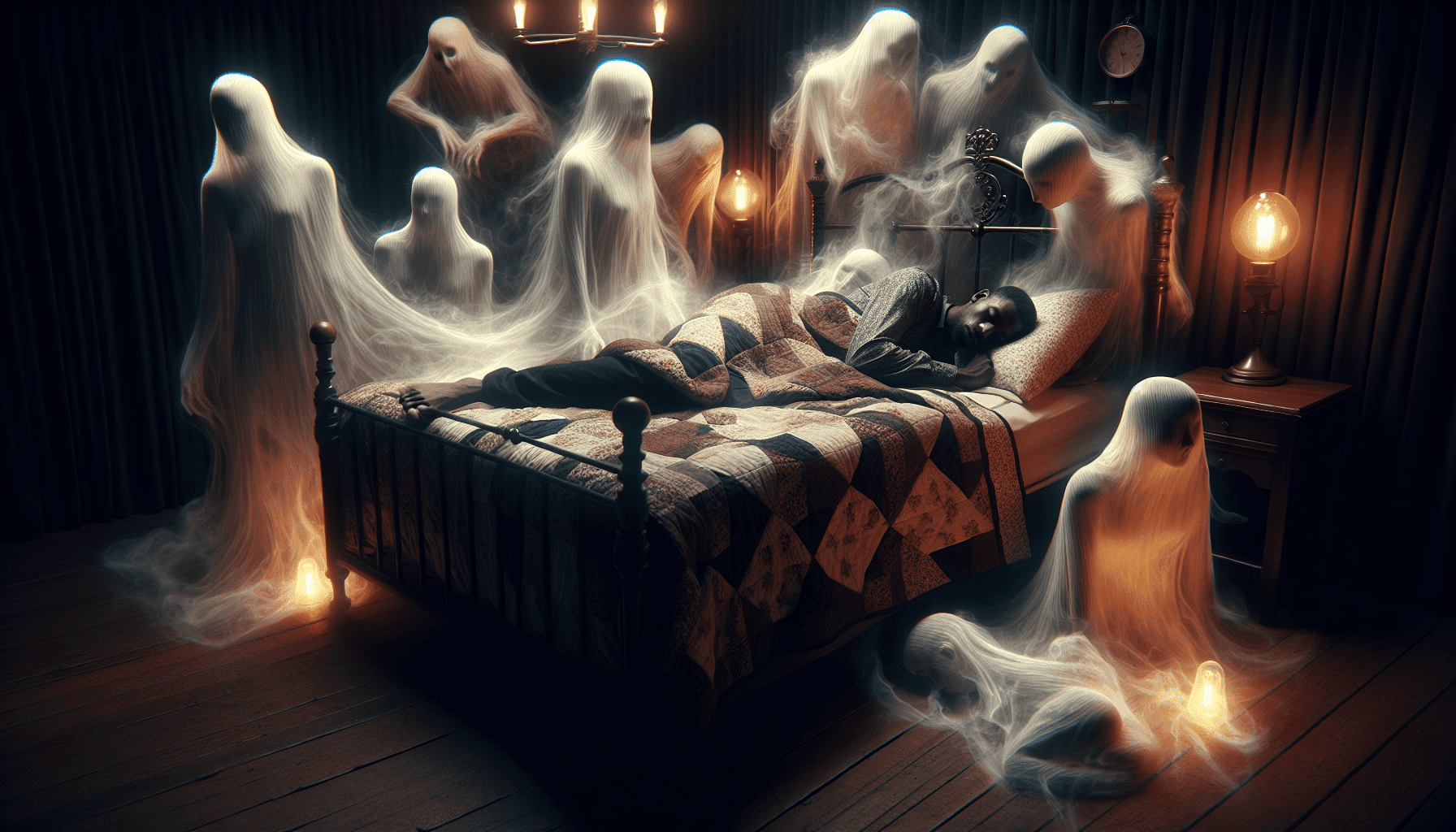
Sleep paralysis is often associated with deep-rooted fears and specific cultural beliefs regarding its consequences and potential dangers. These beliefs shape cultural norms and practices aimed at protecting oneself from the perceived risks associated with sleep paralysis.
Beliefs that sleep paralysis invites supernatural entities into the bedroom
In many cultures, there is a belief that sleep paralysis opens the door to supernatural entities, inviting them into the bedroom or living space. This fear is rooted in the idea that the vulnerability and paralysis experienced during sleep paralysis can attract negative spirits or entities. Consequently, some cultural practices focus on creating a protective environment, such as using specific objects or conducting rituals before sleep.
Taboos associated with sleeping alone or in specific positions to avoid sleep paralysis
To mitigate the risk of experiencing sleep paralysis, cultural taboos often discourage sleeping alone or in specific positions. These taboos are motivated by the belief that sleeping with a partner or in certain positions can offer a sense of protection or minimize the chances of encountering sleep paralysis. Consequently, individuals may adjust their sleeping arrangements or follow specific sleeping customs to avoid the perceived dangers associated with sleep paralysis.
Cultural practices to protect oneself from sleep paralysis and its associated fears
To protect oneself from the perceived dangers of sleep paralysis, cultural practices are employed. These practices may involve the use of specific objects or symbols, such as charms or amulets, believed to possess protective qualities. Other practices may include reciting prayers or performing rituals before sleep or creating a spiritually cleansed sleeping environment. These practices provide individuals with a sense of security and peace of mind.
Sleep paralysis as a punishment or curse
In some cultural contexts, sleep paralysis is perceived as a form of punishment or curse inflicted upon individuals for their past misdeeds or sins. This belief adds another layer of fear and mystique to the experience, likening it to a personal retribution.
Beliefs that sleep paralysis is punishment for past misdeeds or sins
The belief that sleep paralysis is a form of punishment is deeply entrenched in certain cultural beliefs. It is thought that an individual’s past misdeeds or sins attract this affliction as a consequence. This belief may stem from the idea that sleep paralysis serves as a wake-up call or an opportunity for individuals to reflect upon and repent for their past actions.
Taboos regarding discussing sleep paralysis as a curse
Discussing sleep paralysis as a curse or punishment is often considered taboo in many cultures. The belief in its supernatural origins and divine retribution makes it a sensitive and sometimes shameful topic. Individuals may fear judgment or blame if they openly address their experiences, leading to the perpetuation of silence around this aspect of sleep paralysis.
Rituals or actions to break the curse of sleep paralysis
To break the perceived curse of sleep paralysis, cultural rituals or actions may be undertaken. These rituals can range from prayers or invocations seeking forgiveness to the performance of specific ceremonies or acts of contrition. The aim is to alleviate the sense of punishment and achieve a state of spiritual purification, ultimately ending the cycle of sleep paralysis.
Gender-specific cultural taboos related to sleep paralysis
In certain cultures, sleep paralysis may be perceived as more common or taboo for certain genders. This gender-specific lens shapes the restrictions, limitations, and expectations imposed on individuals based on their gender when experiencing sleep paralysis.
Beliefs that sleep paralysis is more common and taboo for certain genders
Some cultures hold the belief that sleep paralysis is more prevalent or taboo for specific genders. These beliefs may be influenced by cultural notions of vulnerability or susceptibility to supernatural forces. For example, it may be believed that women are more prone to sleep paralysis due to their perceived emotional or spiritual sensitivities, resulting in an increased fear or stigma surrounding the phenomenon.
Restrictions and limitations placed on individuals based on their gender experiencing sleep paralysis
Cultural restrictions and limitations may be imposed on individuals based on their gender and experience of sleep paralysis. For instance, women may face additional expectations to seek spiritual or religious remedies, while men may encounter pressure to appear strong and unaffected. These gender-specific responses reinforce societal gender norms and can affect individuals’ ability to openly address their experiences or seek support.
Cultural norms and expectations regarding gender and sleep paralysis
Cultural norms and expectations surrounding sleep paralysis can differ based on gender. For example, cultural norms may dictate that women should remain silent about their experiences due to the fear of attracting negative attention or judgment. On the other hand, men may be expected to downplay or dismiss their experiences altogether to align with societal expectations of masculinity. These norms create unique challenges for individuals, shaping how they navigate their sleep paralysis encounters.
Interactions between sleep paralysis and cultural beliefs about dreams
Sleep paralysis often intersects with cultural beliefs about dreams, leading to various interpretations and understandings of the phenomenon within different cultural contexts. These beliefs can influence societal perceptions and reactions to sleep paralysis.
Beliefs that sleep paralysis is an extension of lucid dreaming or other dream-related phenomena
In some cultures, sleep paralysis is understood as an extension of lucid dreaming or other dream-related phenomena. It is seen as a state where the boundaries between the dream world and reality become blurred. This belief stems from the vivid hallucinatory experiences often accompanying sleep paralysis, leading to interpretations that connect it to a heightened state of consciousness during dreams.
Taboos surrounding discussing dreams and sleep paralysis openly
Cultural taboos often discourage or prohibit open discussions about dreams and sleep paralysis. These taboos may arise from the fear that sharing dreams, including sleep paralysis experiences, can disrupt the delicate balance between the spiritual and physical realms. Consequently, individuals may refrain from openly discussing their dreams or seeking dialogue about sleep paralysis, limiting their ability to seek support or gain a clearer understanding of their experiences.
Cultural interpretations of sleep paralysis within the context of dream beliefs
Cultural interpretations of sleep paralysis within the framework of dream beliefs vary widely. For example, in some cultures, sleep paralysis may be considered a pathway to accessing hidden knowledge or spiritual dimensions through dreams. In contrast, other cultures may view sleep paralysis as an undesirable intrusion into the realm of dreams, blurring the boundaries between the conscious and the ethereal. These interpretations shape cultural attitudes towards sleep paralysis and influence how individuals and communities respond to the phenomenon.
The intersection of sleep paralysis and religious customs
Religious customs often intertwine with the experience of sleep paralysis, providing cultural interpretations and offering guidance on how to understand and cope with this perplexing phenomenon.
Religious interpretations of sleep paralysis and its spiritual implications
Religious interpretations of sleep paralysis vary greatly, with each faith offering its own explanations and spiritual implications. For instance, some religious beliefs may attribute sleep paralysis to spiritual warfare or interactions with supernatural entities. Others may view it as a spiritual awakening or a sign of divine communication. These interpretations can heavily influence how individuals understand and perceive their sleep paralysis experiences.
Taboo or prohibited actions during sleep paralysis based on religious teachings
Religious teachings and beliefs often dictate specific actions that individuals should refrain from during sleep paralysis. These teachings may include prohibitions against moving, fighting against the paralysis, or engaging in certain behaviors perceived as disrespectful or dangerous within a spiritual context. Adhering to these taboos is seen as a means of preserving spiritual integrity and minimizing potential harm associated with sleep paralysis.
Religious rituals or prayers to counter the effects of sleep paralysis
Within religious contexts, there are often prescribed rituals or prayers aimed at counteracting the effects of sleep paralysis. These rituals may involve seeking the intercession of divine figures, reciting specific prayers for protection, or performing purifying ceremonies. By invoking religious beliefs and practices, individuals seek solace, comfort, and spiritual guidance to overcome the distressing aspects of sleep paralysis.
Cultural rituals and practices for dealing with sleep paralysis
Various cultures have developed specific rituals and practices to deal with sleep paralysis, offering remedies and protective measures against its unwanted effects.
Traditional remedies or talismans to ward off sleep paralysis
Traditional remedies and talismans play a pivotal role in cultural practices related to sleep paralysis. These remedies often include herbal concoctions, amulets, or specially prepared objects believed to ward off evil entities or provide spiritual protection. These traditional remedies can provide individuals with a sense of empowerment and control over their experiences.
Spiritual or religious rituals to protect against sleep paralysis
Spiritual or religious rituals are frequently employed to protect against sleep paralysis in different cultural contexts. These rituals may involve prayer, meditation, or ceremonies conducted individually or in a communal setting. By engaging in these spiritual practices, individuals seek spiritual strength and invoke divine protection to mitigate the occurrence or effects of sleep paralysis.
Herbal or supernatural methods used to prevent or alleviate sleep paralysis
Herbal remedies and supernatural methods also factor into cultural approaches for preventing or alleviating sleep paralysis. From the burning of specific herbs to the use of sacred oils or substances believed to possess spiritual powers, these remedies aim to create a protective barrier against sleep paralysis. Individuals may turn to these traditional methods as a means of finding relief or addressing the spiritual dimensions of the phenomenon.
Sleep paralysis is a unique and often unsettling experience that has been interpreted through diverse cultural lenses. The supernatural beliefs, taboos, and rituals associated with sleep paralysis reflect the rich tapestry of human experience and perception. As society continues to evolve and develop a better understanding of sleep paralysis, it is crucial to foster an environment of acceptance and support for individuals who encounter this enigmatic phenomenon. By embracing empathy and empathy, we can alleviate the stigmatization and fears ingrained in cultural attitudes towards sleep paralysis, offering solace and understanding to those who experience it.