Welcome to an eye-opening exploration of cultural differences in the interpretation of sleep paralysis. In this article, you will discover how various cultures around the world perceive and explain the phenomenon of sleep paralysis. From ancient beliefs to modern interpretations, you will gain insight into how cultural backgrounds shape our understanding of this mysterious and often frightening experience. Get ready to broaden your perspective and deepen your understanding of the diverse ways in which sleep paralysis is viewed across different societies. Have you ever experienced the phenomenon of sleep paralysis? If so, you’re not alone. Sleep paralysis affects many people around the world, but did you know that the interpretation of this experience can vary greatly depending on cultural beliefs and traditions? In this article, we will explore the cultural differences in the interpretation of sleep paralysis and how it is perceived in different parts of the world. So sit back, relax, and let’s dive into this fascinating topic together.
What is Sleep Paralysis?
Sleep paralysis is a phenomenon that occurs when a person is falling asleep or waking up and finds themselves unable to move or speak. This experience is often accompanied by a feeling of pressure on the chest, difficulty breathing, and a sense of fear or dread. It is a temporary and usually harmless condition, but it can be incredibly frightening for those who experience it.
Explaining the Science Behind Sleep Paralysis
From a scientific standpoint, sleep paralysis occurs when the body is transitioning between different stages of sleep. During REM (rapid eye movement) sleep, the body becomes paralyzed to prevent us from acting out our dreams. Sometimes, however, this paralysis can continue into the waking state, leading to the sensation of being unable to move.
Your experience with sleep paralysis
Have you ever been startled awake in the middle of the night, unable to move or speak? Your heart racing, your mind in a state of panic? If so, you may have experienced sleep paralysis. It can be a terrifying and disorienting experience, but knowing that it is a natural phenomenon can help ease some of the fear associated with it.
Cultural Interpretations of Sleep Paralysis
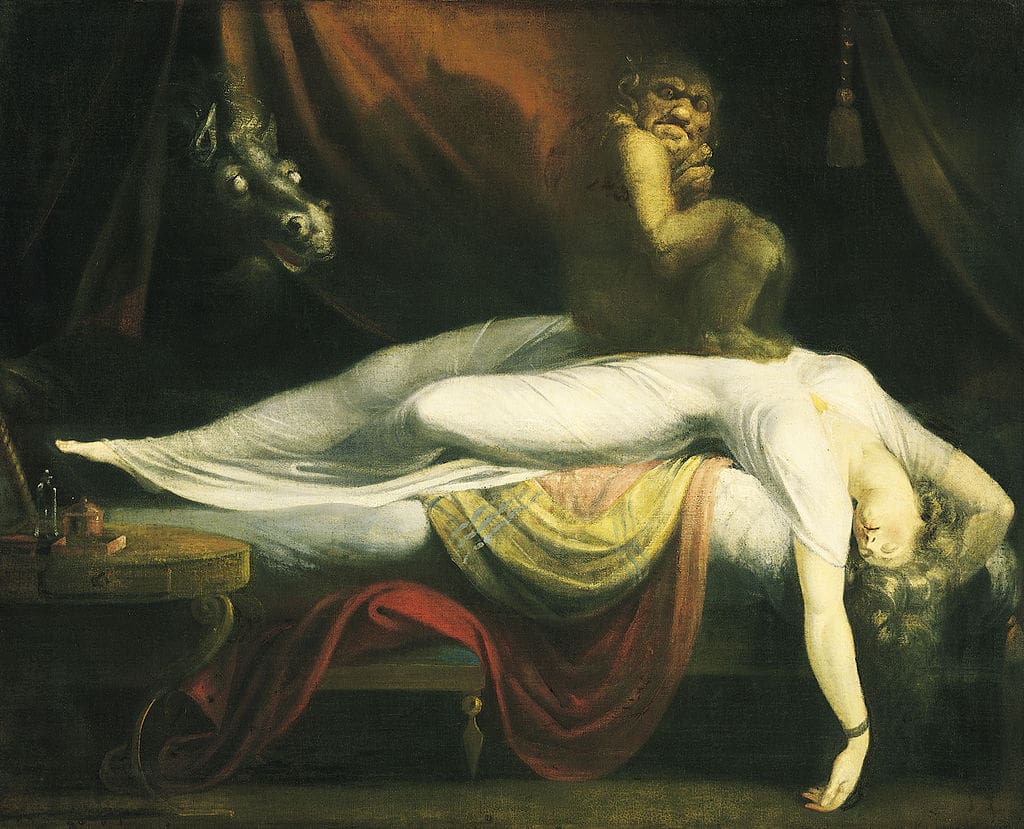
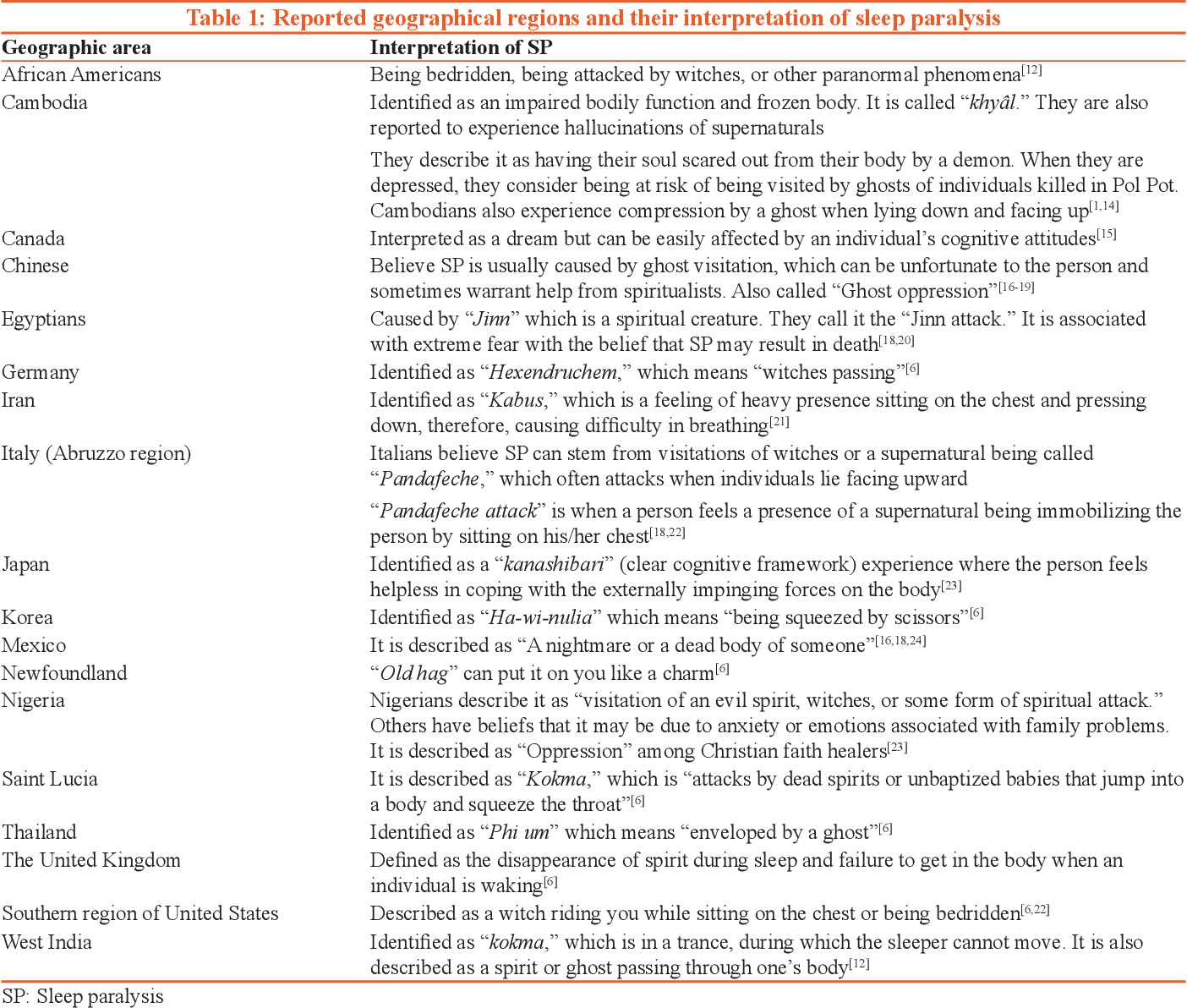
While sleep paralysis is a universal phenomenon, the way it is interpreted and understood can vary greatly from culture to culture. Let’s explore some of the different cultural beliefs and traditions surrounding sleep paralysis.
Western Interpretations
In Western cultures, sleep paralysis is often seen as a purely physiological phenomenon. It is typically attributed to factors such as stress, sleep deprivation, or underlying medical conditions. The focus is on the scientific explanation of the phenomenon, with little emphasis on spiritual or supernatural beliefs.
Eastern Interpretations
In contrast, many Eastern cultures view sleep paralysis through a more spiritual or supernatural lens. In countries such as China, Japan, and Korea, sleep paralysis is often associated with ghosts, demons, or malevolent spirits. It is believed that these entities may be trying to harm or possess the individual during this vulnerable state.
African Interpretations
In many African cultures, sleep paralysis is also often attributed to supernatural forces. It is believed that evil spirits or ancestors may be visiting the individual during sleep paralysis, either to harm them or to deliver a message. Rituals and ceremonies are often performed to protect against these malevolent forces and ward off any negative energy.
The Role of Folklore and Mythology
Folklore and mythology play a significant role in shaping how different cultures interpret sleep paralysis. Let’s delve into some examples of how folklore and mythology influence these interpretations.
Norse Mythology
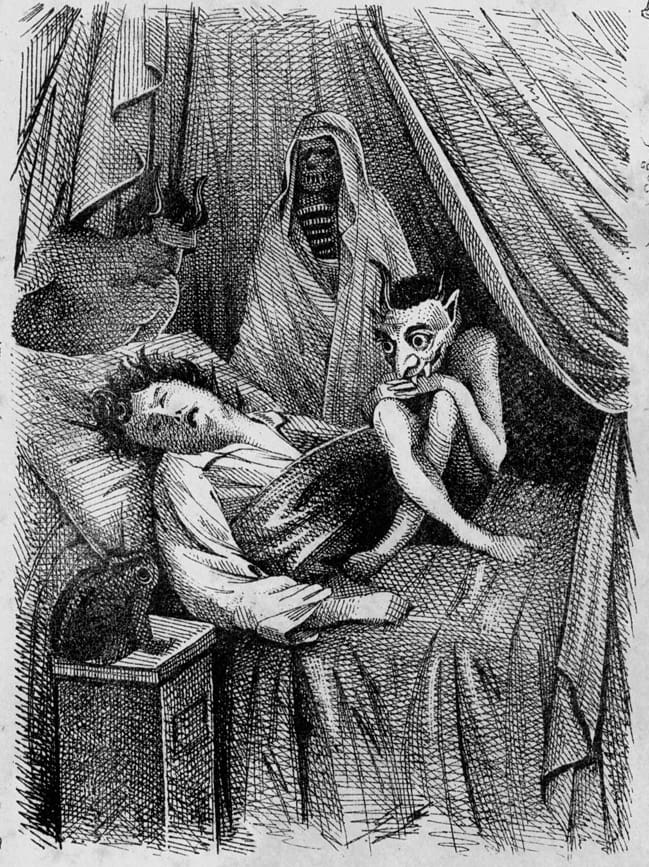
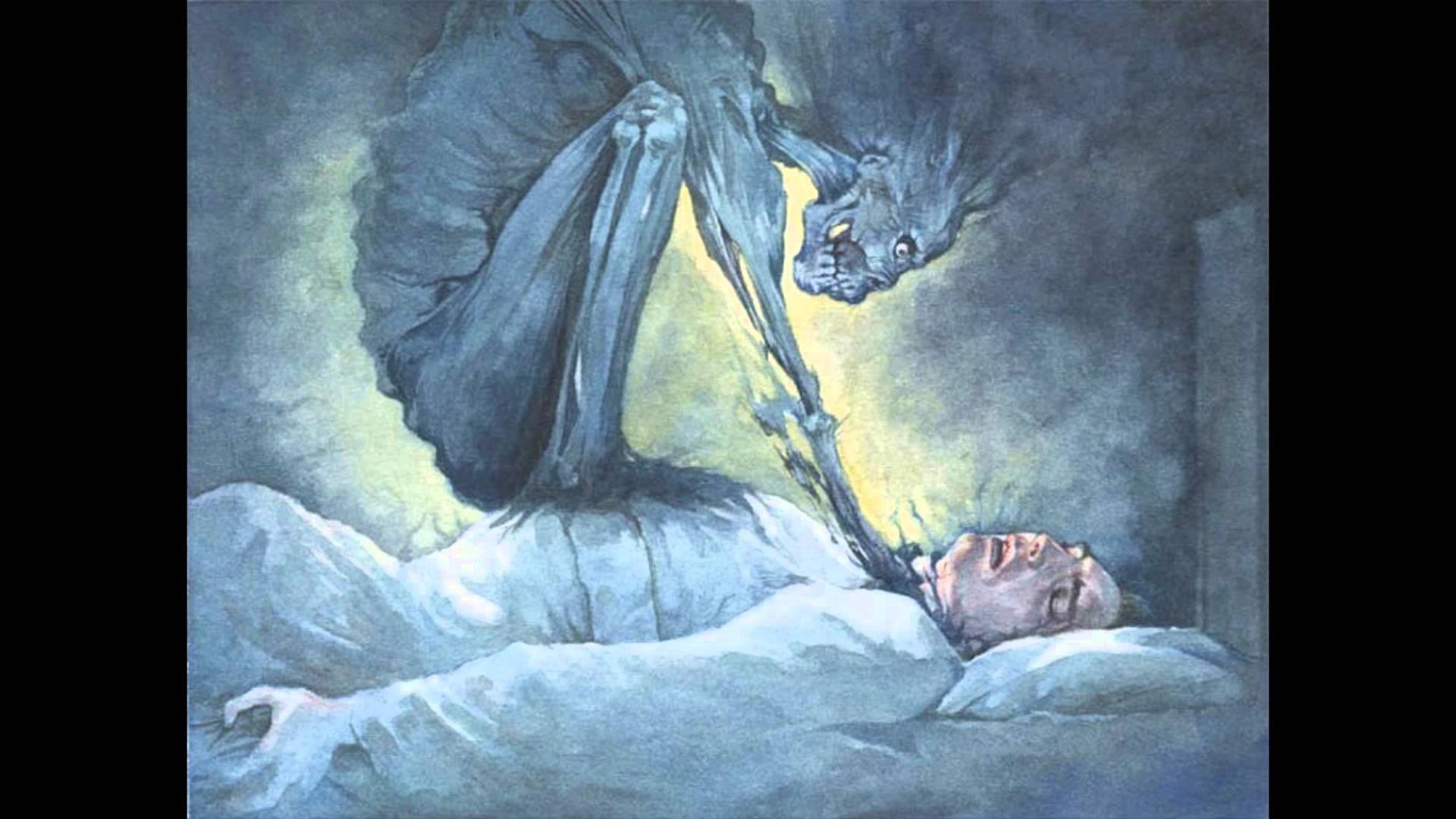
In Norse mythology, the concept of sleep paralysis is often linked to the idea of the “mare” or “night-mare.” The mare was a female spirit or demon that would sit on the chest of a sleeping person, causing them to experience paralysis and nightmares. This belief has carried over into modern times, with the term “nightmare” now commonly used to describe bad dreams.
Native American Folklore
In Native American folklore, sleep paralysis is often attributed to beings such as the “Old Hag” or “Night Hag.” These malevolent spirits are said to visit individuals during sleep paralysis, causing them to feel pressure on their chest and an inability to move. Protection rituals and talismans are often used to ward off these spirits.
African Folk Beliefs
In many African cultures, sleep paralysis is seen as a spiritual attack by evil forces. It is believed that witches or sorcerers may be causing the paralysis in order to harm the individual. Charms, rituals, and prayers are often used to protect against these attacks and safeguard against negative energy.
Your cultural beliefs
What are your own cultural beliefs and traditions surrounding sleep paralysis? Have you heard stories or myths that explain this phenomenon in a unique way? It’s fascinating to see how folklore and mythology can shape our understanding of the world around us, including our experiences with sleep paralysis.
Coping with Sleep Paralysis
No matter how sleep paralysis is interpreted in different cultures, the experience can be frightening and unsettling for those who go through it. Here are some tips for coping with sleep paralysis and reducing the frequency of episodes.
Improve your sleep hygiene
Maintaining a regular sleep schedule, creating a calming bedtime routine, and ensuring your sleep environment is comfortable and conducive to restful sleep can all help reduce the likelihood of experiencing sleep paralysis.
Manage stress and anxiety
Stress and anxiety can exacerbate episodes of sleep paralysis. Finding ways to manage stress, such as practicing relaxation techniques, meditation, or engaging in physical activity, can help reduce the frequency and intensity of sleep paralysis episodes.
Seek support and understanding
It can be helpful to talk to friends, family members, or mental health professionals about your experiences with sleep paralysis. Knowing that you are not alone and that there are ways to cope with the condition can provide comfort and reassurance.
Try lucid dreaming techniques
Some people have found success in using lucid dreaming techniques to gain more control over their sleep paralysis episodes. By learning to recognize when they are in a dream state, individuals may be able to transform their experience of sleep paralysis into a more positive or empowering one.
Consult a healthcare professional
If you are experiencing frequent or distressing episodes of sleep paralysis, it may be beneficial to speak with a healthcare professional. They can help rule out any underlying medical conditions that may be contributing to the episodes and provide guidance on managing the condition.
Final Thoughts
Sleep paralysis is a fascinating and complex phenomenon that is experienced by people all around the world. While the interpretation of sleep paralysis may vary widely between different cultures, the underlying experience remains largely the same. By exploring the cultural beliefs and traditions surrounding sleep paralysis, we can gain a deeper understanding of how our unique perspectives shape our experiences with this mysterious condition. So the next time you find yourself in the grips of sleep paralysis, remember that you are not alone, and there are ways to cope with and understand this intriguing phenomenon.