
Have you ever experienced the terrifying sensation of being awake while your body remains paralyzed? This phenomenon, known as sleep paralysis, is a common occurrence across different cultures. However, have you ever wondered if cultural differences play a role in how people perceive and interpret these experiences? In this article, we will explore the fascinating ways in which cultural backgrounds can influence the way individuals experience sleep paralysis. From varying beliefs and interpretations to cultural explanations, get ready to uncover the intriguing impact of culture on this eerie phenomenon.
Beliefs and Interpretations
Religious Beliefs
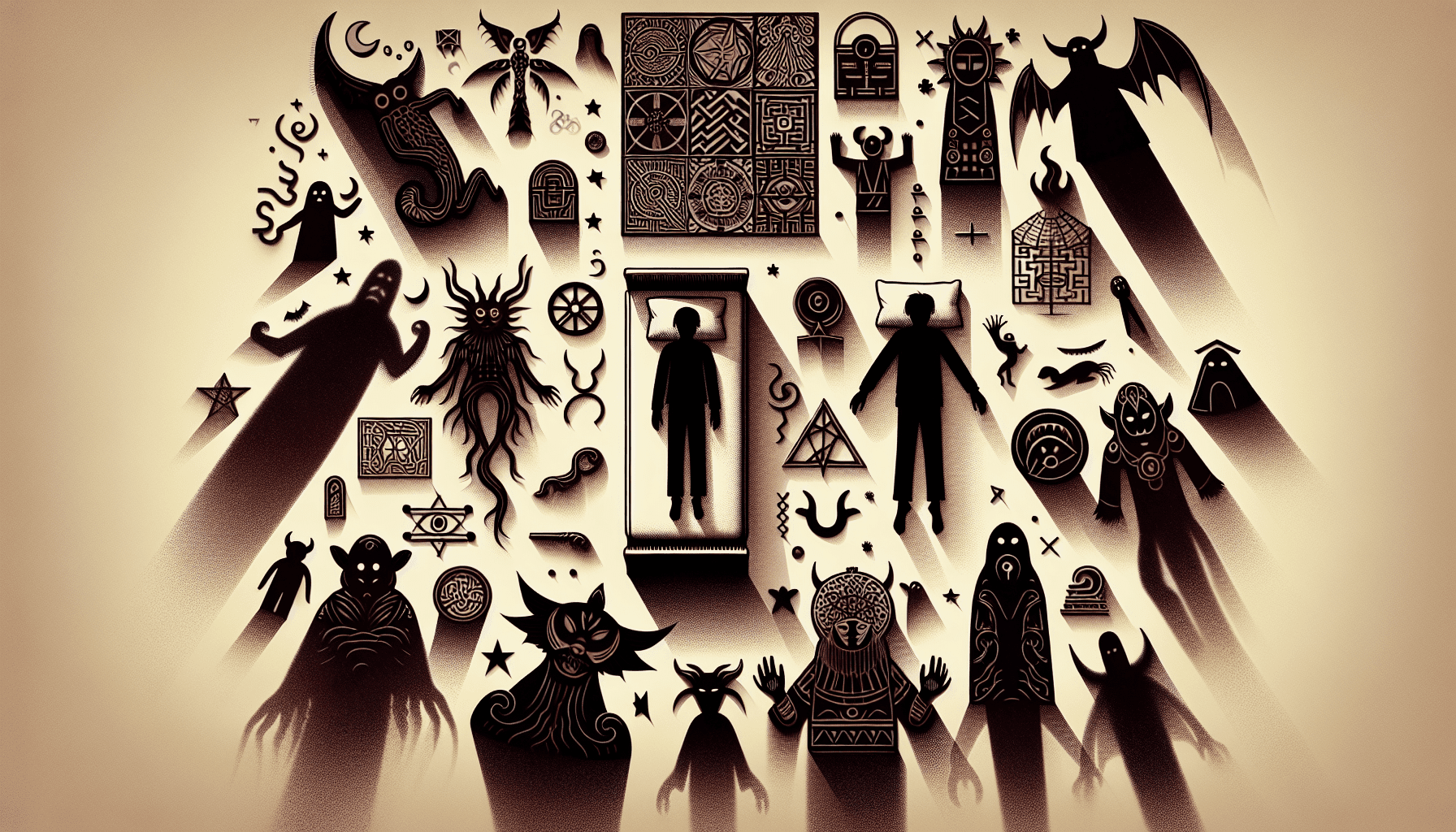
Cultural differences play a significant role in shaping the interpretation and experience of sleep paralysis. Religious beliefs, for example, greatly influence how individuals in different cultures understand and perceive sleep paralysis. In some cultures, sleep paralysis is attributed to spiritual or supernatural causes. For instance, in certain Christian beliefs, it is seen as an encounter with demonic entities, while in Islamic cultures, it is often associated with the malevolent jinn. These religious interpretations can greatly impact the emotional and psychological reactions individuals have during sleep paralysis episodes.
Superstitions
Superstitions also play a role in shaping the interpretation of sleep paralysis across cultures. In many societies, superstitions have been passed down through generations, and these beliefs can greatly impact how individuals perceive and respond to sleep paralysis. For example, in some cultures, it is believed that lying on one’s back during sleep can invite sleep paralysis, while in others, it is believed that sleep paralysis is a consequence of looking into a mirror late at night. These cultural superstitions can create a sense of fear and apprehension surrounding sleep paralysis episodes, further influencing the overall experience.
Cultural Interpretations
Apart from religious beliefs and superstitions, cultural interpretations of sleep paralysis vary significantly across different societies. Cultural interpretations are influenced by factors such as traditional folklore, mythological references, and historical events. In some cultures, sleep paralysis is seen as a sign of possession or a spiritual visitation, while in others, it is considered a medical condition or a manifestation of psychological distress. These diverse cultural interpretations shape the narratives surrounding sleep paralysis and determine the actions individuals take in response to the phenomenon.
Perceived Causes
Supernatural entities
One common perceived cause of sleep paralysis across cultures is the belief in supernatural entities. Many cultures attribute sleep paralysis to encounters with spirits, demons, or other supernatural beings. These entities are often believed to be responsible for restricting movement and inducing a state of paralysis during sleep. The perceived presence of supernatural entities during sleep paralysis can evoke intense fear and anxiety, leading to vivid and terrifying hallucinations.
Malevolent spirits
In cultures where beliefs in malevolent spirits or demons are prevalent, sleep paralysis is often associated with these malevolent entities. The experience of being unable to move or speak, combined with the sensation of a malevolent presence, can be deeply distressing for individuals who hold these cultural beliefs. The fear of being harmed or possessed by these spirits during sleep paralysis can have a significant impact on the psychological well-being of affected individuals.
Cultural-specific explanations
Cultural-specific explanations also contribute to the perceived causes of sleep paralysis. These explanations can vary widely depending on the cultural context. For instance, in some Asian cultures, sleep paralysis is attributed to an imbalance of yin and yang energy within the body. In African cultures, sleep paralysis may be seen as a result of witchcraft or spiritual attacks. These cultural-specific explanations shape the way individuals understand and conceptualize their experiences of sleep paralysis, influencing their emotional and psychological responses.

Historical and Cultural Context
Traditional folklore
Traditional folklore plays an instrumental role in shaping cultural beliefs and interpretations surrounding sleep paralysis. These folkloric tales often provide explanations for the phenomenon of sleep paralysis that are deeply rooted in the cultural history of a society. Stories of supernatural creatures, curses, and spiritual visitations are frequently passed down through generations, contributing to a collective understanding of sleep paralysis within a cultural context.
Mythological references
Mythological references also influence the cultural context of sleep paralysis. Mythological stories, gods, and creatures mentioned in ancient texts and oral traditions can provide a basis for explaining the experience of sleep paralysis. For example, in Greek mythology, sleep paralysis could be associated with the god Hypnos, the personification of sleep, or with the Harpies, mythical creatures that were believed to cause nightmares.
Historical events
Historical events and societal influences can also shape the cultural context of sleep paralysis experiences. For instance, in cultures with a history of witch trials and persecution, sleep paralysis may be associated with witchcraft or dark magic. In societies that have experienced significant trauma or conflict, sleep paralysis can be seen as a psychological manifestation of collective trauma or stress. Understanding the historical and cultural context is essential for comprehending the nuanced interpretations and reactions to sleep paralysis within diverse cultures.
Language and Cultural Expressions
Language influences
Language plays a vital role in shaping cultural expressions and understandings of sleep paralysis. Different languages may have specific terms or expressions to describe the experience, emphasizing specific aspects or beliefs about the phenomenon. The linguistic nuances can reflect cultural interpretations, such as the use of terms associated with possession or supernatural entities. Additionally, linguistic variations can highlight societal attitudes and values towards sleep paralysis, impacting how individuals perceive and communicate their experiences.
Verbal and non-verbal expressions
Verbal and non-verbal expressions further contribute to the cultural understanding of sleep paralysis. Across different cultures, individuals may have different ways of describing and expressing their experiences of sleep paralysis. Verbal expressions may include specific descriptions of the sensations or emotions felt during an episode, while non-verbal expressions such as gestures, facial expressions, or body language can provide valuable insights into the cultural significance and impact of sleep paralysis within a community.
Cultural idioms
Cultural idioms also play a role in how sleep paralysis is perceived and explained. Idioms, phrases, or sayings related to sleep paralysis within a specific culture can shed light on the cultural understanding of the phenomenon. For example, an idiom in one culture may associate sleep paralysis with a phrase that implies being visited by an otherworldly presence, while in another culture, a different idiom may signify a more clinical interpretation of the experience. These idiomatic expressions provide clues about the cultural beliefs and attitudes towards sleep paralysis.
Familial and Social Dynamics
Family beliefs and practices
Familial beliefs and practices greatly influence how individuals perceive and cope with sleep paralysis within their culture. Families often pass down their interpretations and coping mechanisms for sleep paralysis from one generation to the next. For instance, in some cultures, families may interpret sleep paralysis as a hereditary condition, further reinforcing fear and anxiety surrounding the phenomenon. On the other hand, supportive family systems can provide a sense of comfort and understanding, helping individuals navigate their experiences with sleep paralysis in a more positive manner.
Social support networks
Social support networks play a crucial role in individuals’ experiences of sleep paralysis. The availability and accessibility of supportive and understanding social networks can significantly impact the overall well-being of individuals affected by sleep paralysis. These networks could include close friends, community groups, or religious organizations. In cultures where sleep paralysis is widely recognized and understood, individuals are more likely to find comfort and empathy from others who have experienced similar episodes.
Cultural norms and expectations
Cultural norms and expectations also impact the experience and response to sleep paralysis. In some cultures, sleep paralysis may be perceived as a normal occurrence or a part of one’s spiritual journey, reducing feelings of anxiety or shame. However, in other cultures, sleep paralysis may be stigmatized or associated with negative connotations, leading individuals to feel embarrassed or isolated. The cultural norms and expectations surrounding sleep and mental health influence how individuals perceive and cope with sleep paralysis within a given society.
Sleep Hygiene Practices
Bedtime routines
Bedtime routines vary across cultures and can influence the occurrence and experience of sleep paralysis. Certain cultural practices, such as engaging in relaxing activities or performing rituals before sleep, may contribute to a sense of calmness and reduce the likelihood of experiencing sleep paralysis episodes. On the other hand, irregular sleep schedules or disruptive bedtime habits may increase stress and anxiety, potentially exacerbating the frequency and intensity of sleep paralysis episodes.
Cultural rituals
Cultural rituals related to sleep and dreams can also impact experiences of sleep paralysis. Some cultures perform specific rituals or prayers before sleep to protect against supernatural influences or promote restful sleep. These cultural rituals may provide individuals with a sense of control and security, potentially reducing the occurrence or distress associated with sleep paralysis. Understanding these cultural rituals is essential for addressing sleep paralysis within culturally diverse populations effectively.
Traditional remedies
Traditional remedies used within different cultures can also be employed to manage or alleviate sleep paralysis symptoms. These remedies often draw upon traditional medicine, herbal remedies, or alternative therapies. For example, in some cultures, individuals may use specific herbs, aromatherapy, or spiritual practices to prevent or cope with sleep paralysis. Incorporating knowledge of these traditional remedies into interventions or treatment plans can facilitate culturally appropriate and holistic approaches to addressing sleep paralysis.
Psychological and Emotional Reactions
Cultural stigma and shame
Psychological and emotional reactions to sleep paralysis can be influenced by cultural stigma and shame. In societies where sleep paralysis is misunderstood or associated with superstitions, individuals affected by sleep paralysis may face significant stigma or discrimination. This stigma can lead to feelings of shame and self-blame, exacerbating the psychological distress and isolation experienced during sleep paralysis episodes. Raising awareness and challenging cultural stigmas is crucial for facilitating support and understanding for those affected by sleep paralysis.
Trauma and cultural context
The experience of sleep paralysis can be influenced by the cultural context and trauma history of individuals. Cultural factors, such as societal violence, collective trauma, or historical events, can impact the intensity and emotional response to sleep paralysis episodes. For instance, individuals who have experienced war or conflict may interpret sleep paralysis through the lens of their traumatic experiences, leading to heightened distress and fear during episodes. Recognizing and addressing the cultural and trauma-related factors in therapy and support can help individuals navigate their sleep paralysis experiences.
Coping mechanisms
Cultural beliefs and practices also shape the coping mechanisms individuals employ in response to sleep paralysis. These coping mechanisms can range from spiritual and religious practices to seeking alternative forms of healing. For example, some cultures may resort to spiritual rituals, prayer, or the guidance of spiritual leaders to address their sleep paralysis experiences. Others may rely on traditional medicine or seek support from their community. Understanding and respecting these cultural coping mechanisms can play a vital role in supporting individuals experiencing sleep paralysis.
Perception of Sleep Paralysis
Cultural perception of sleep
The cultural perception of sleep itself can profoundly impact the understanding and interpretation of sleep paralysis. Cultural beliefs about sleep quality, dreams, and altered states of consciousness influence how sleep paralysis is viewed within a given society. These cultural perceptions shape the narrative surrounding sleep paralysis and determine whether it is regarded as a pathological condition, a spiritual experience, or a natural part of the sleep cycle.
Historical narratives
Historical narratives surrounding sleep paralysis also contribute to cultural perceptions. Through the lens of history, sleep paralysis has been associated with various phenomena, ranging from supernatural encounters to medical conditions. These historical narratives are embedded within cultural memory and can influence how individuals perceive and interpret their own sleep paralysis experiences. Understanding these narratives is essential for understanding the multifaceted nature of sleep paralysis within different cultures.
Perceived threat level
The perceived threat level associated with sleep paralysis can vary across cultures. Beliefs and interpretations shape the way individuals understand the potential harm or risks associated with sleep paralysis episodes. In cultures where it is believed that sleep paralysis is caused by supernatural forces or malevolent spirits, the perceived threat level may be high, leading to intense fear and distress during sleep paralysis episodes. Other cultures may perceive sleep paralysis as a natural phenomenon, reducing the fear and anxiety associated with it. Recognizing these cultural variations in perceived threat levels is crucial for providing appropriate support and intervention.
Treatment and Intervention
Traditional healing practices
In some cultures, traditional healing practices have been used to address sleep paralysis. Traditional healers, shamans, or medicine men/women may offer rituals, ceremonies, or herbal remedies to alleviate symptoms or protect against sleep paralysis. These practices often draw upon cultural beliefs and spiritual traditions. Acknowledging and integrating traditional healing practices into treatment approaches can enhance cultural competence and increase the effectiveness of interventions for sleep paralysis.
Western medical approaches
Western medical approaches to sleep paralysis typically focus on the physiological and psychological aspects of the phenomenon. Medical professionals may offer treatment options such as medications for underlying sleep disorders or therapy for managing anxiety or trauma-related symptoms. Western medical interventions may be more widely accessible in some cultures and may provide individuals with evidence-based approaches to address their sleep paralysis experiences. However, cultural sensitivity is necessary to ensure that these interventions align with individuals’ cultural beliefs and preferences.
Cultural adaptations of therapy
Cultural adaptations of therapy can enhance the efficacy of interventions for sleep paralysis. Therapeutic approaches that are tailored to the cultural beliefs, values, and practices of the individual can increase engagement and promote positive outcomes. Culturally adapted therapy may involve integrating cultural narratives, rituals, or traditional healing practices into therapy sessions. Additionally, incorporating family members or community leaders in therapy can provide a more holistic and culturally sensitive approach to addressing sleep paralysis.
Cross-Cultural Research
Comparative studies
Comparative studies play a vital role in expanding our understanding of how cultural differences impact experiences of sleep paralysis. These studies involve comparing the prevalence, interpretations, and responses to sleep paralysis across different cultures. By identifying similarities and differences, comparative studies can highlight the cultural factors that influence the experience and perception of sleep paralysis, leading to a more comprehensive understanding of the phenomenon.
Ethnographic investigations
Ethnographic investigations provide in-depth insights into the cultural context and lived experiences of sleep paralysis within specific cultures. These investigations involve qualitative research methods, such as interviews, observation, and participant observation, to explore the cultural beliefs, interpretations, and reactions to sleep paralysis. Ethnographic investigations offer a rich understanding of the cultural nuances surrounding sleep paralysis and inform culturally sensitive approaches to support and intervention.
Global prevalence rates
Examining the global prevalence rates of sleep paralysis contributes to understanding the impact of cultural differences on the phenomenon. Comparative studies that examine the prevalence rates across different countries and regions shed light on cultural variations in the frequency and intensity of sleep paralysis episodes. Such studies can also provide insights into how cultural beliefs and practices shape the prevalence rates and experiences of sleep paralysis worldwide.
In conclusion, cultural differences have a significant impact on the experiences and interpretations of sleep paralysis. Religious beliefs, superstitions, cultural interpretations, and historical narratives all contribute to shaping individuals’ perceptions and responses to sleep paralysis. The language and cultural expressions associated with sleep paralysis further influence how the phenomenon is understood and communicated within different cultures. Familial and social dynamics, sleep hygiene practices, and psychological reactions are all deeply rooted in cultural norms and expectations. Treatment and intervention for sleep paralysis require cultural sensitivity and may involve incorporating traditional healing practices or adapting therapy approaches to be culturally relevant. Cross-cultural research, comparative studies, and ethnographic investigations are essential for deepening our understanding of how cultural differences impact sleep paralysis experiences and facilitating appropriate support and intervention across diverse cultures.