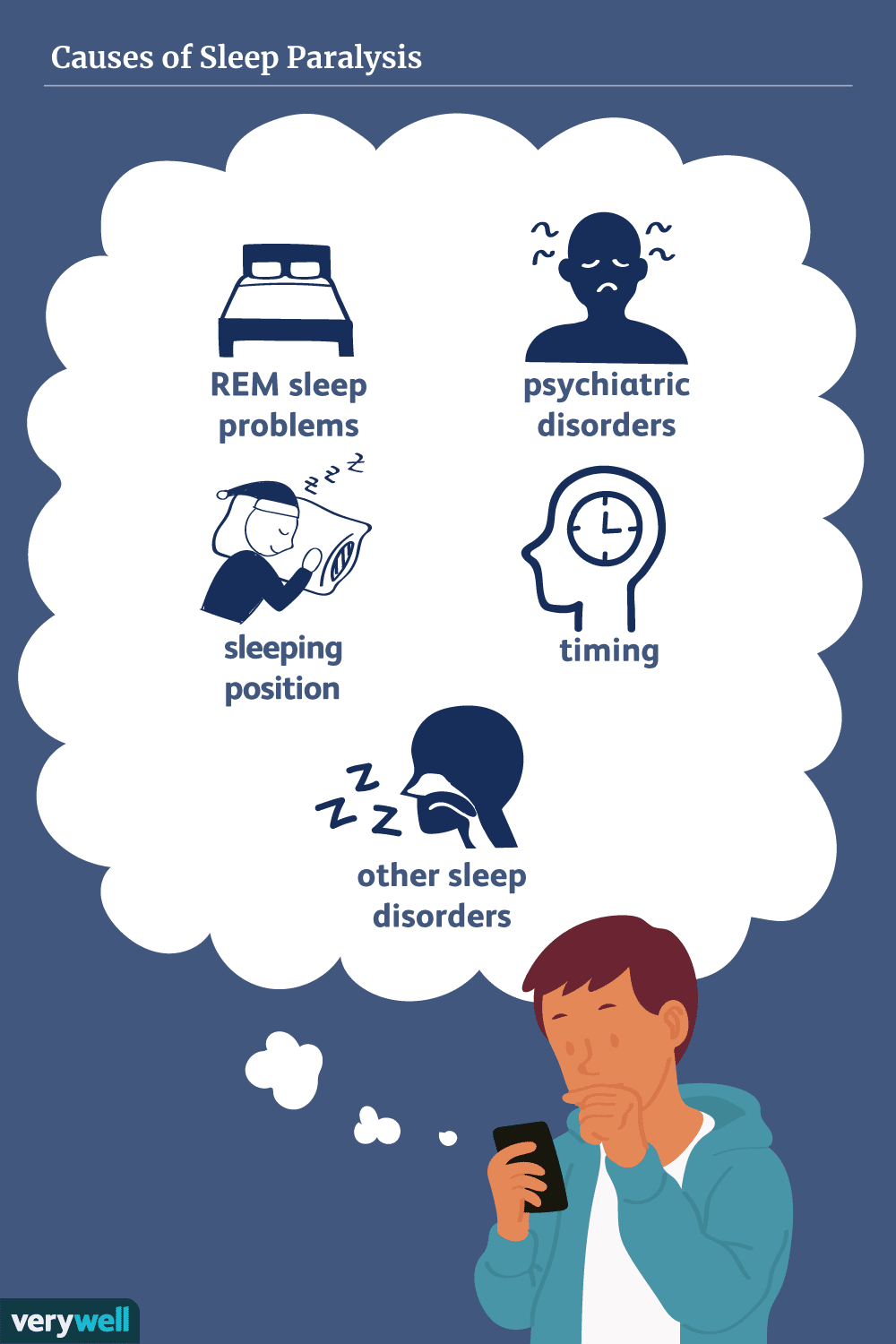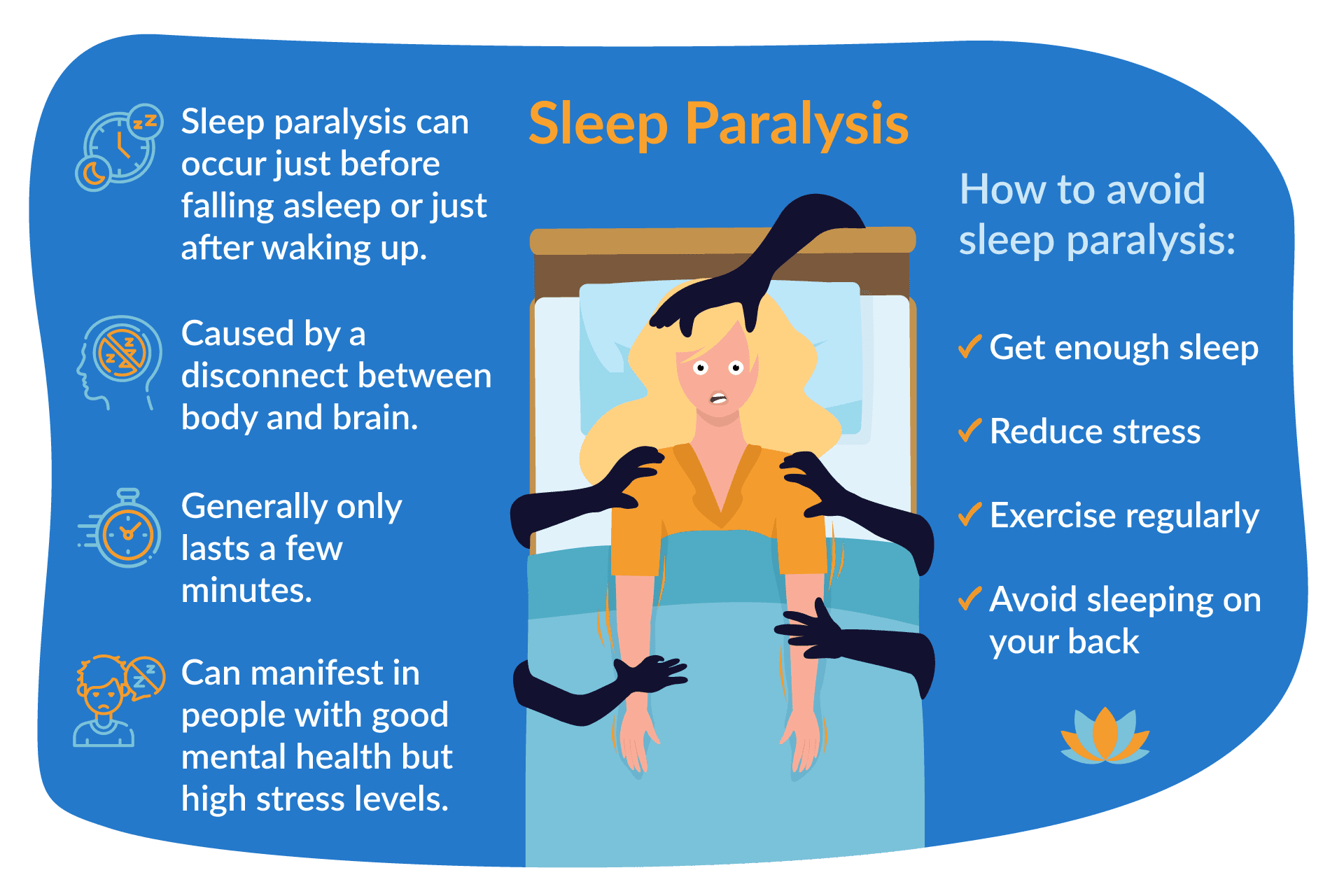
Welcome to an article that will provide you with valuable tips on how to prevent sleep paralysis by incorporating a healthy sleep routine into your daily life. Sleep paralysis can be a frightening and uncomfortable experience, but with a few simple lifestyle changes, you can reduce the likelihood of it occurring. By prioritizing sleep and implementing relaxation techniques before bed, you can enjoy a peaceful night’s rest without the fear of experiencing sleep paralysis. Take charge of your sleep health and say goodbye to sleep paralysis for good! Have you ever experienced the unsettling feeling of being awake, but unable to move or speak? You may have experienced sleep paralysis. This phenomenon can be terrifying, but the good news is that there are ways to prevent it from happening. In this article, we will discuss how establishing a healthy sleep routine can help you avoid experiencing sleep paralysis.
What is Sleep Paralysis?
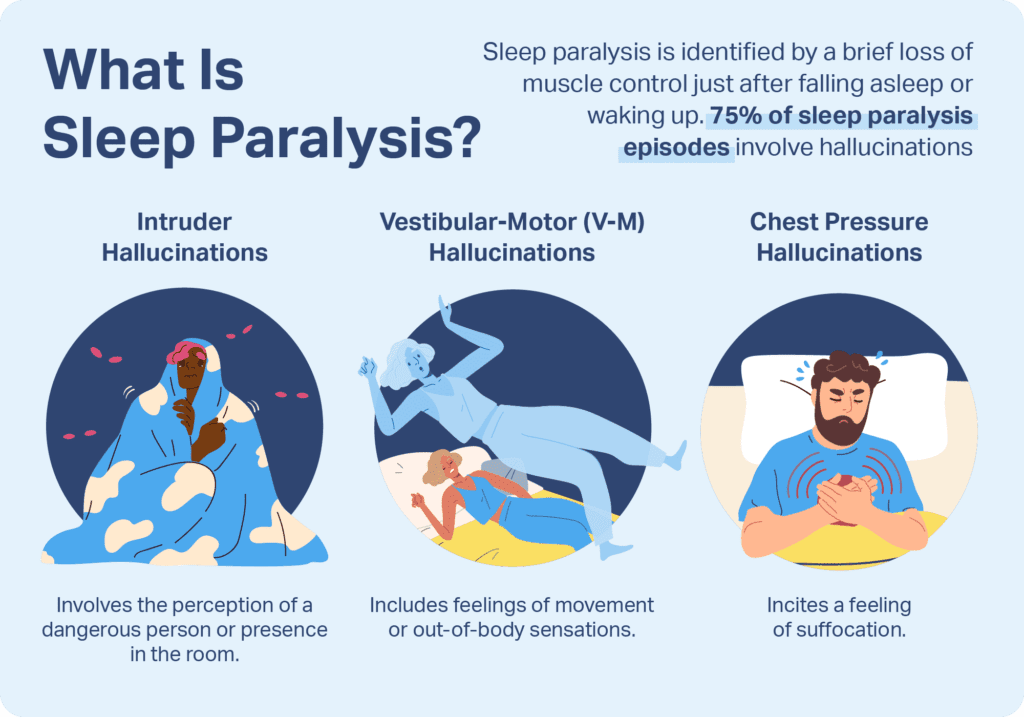
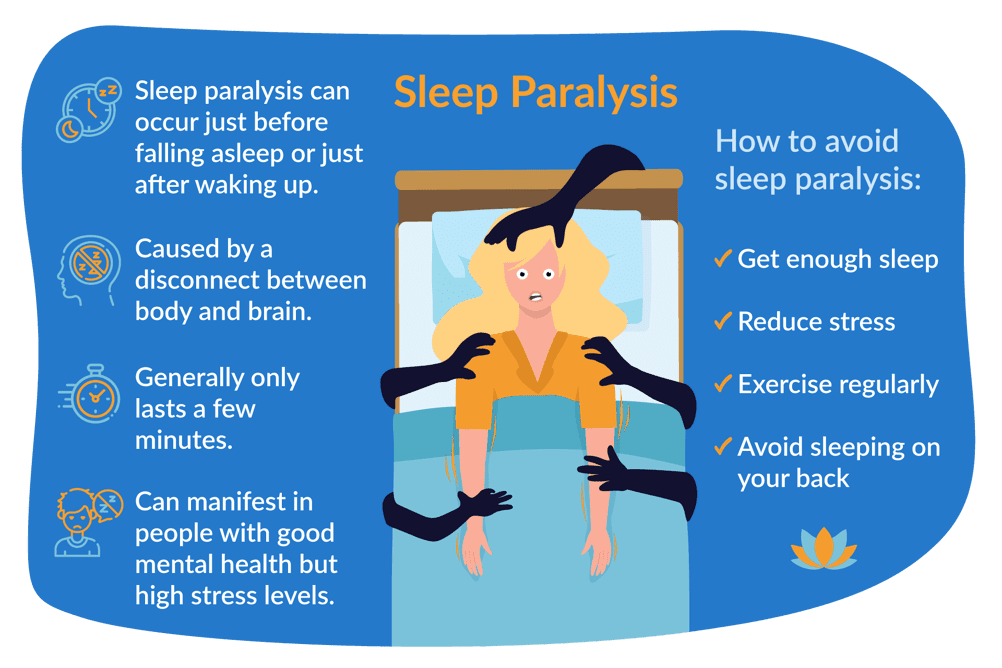
Sleep paralysis is a phenomenon that occurs when a person is either falling asleep or waking up. During sleep paralysis, a person is aware of their surroundings but unable to move or speak. This can be accompanied by hallucinations, feelings of pressure on the chest, and a sense of impending doom. Sleep paralysis can be a frightening experience, but it is not harmful and usually lasts only a few seconds to a few minutes.
For those who have experienced sleep paralysis, it can be a terrifying and bewildering experience. It can leave you feeling vulnerable and anxious about falling asleep again. But fear not, there are ways to prevent sleep paralysis from occurring in the first place.
The Importance of Healthy Sleep
Before we dive into how to prevent sleep paralysis, let’s first discuss the importance of establishing a healthy sleep routine. Sleep plays a crucial role in our overall health and well-being. Getting an adequate amount of quality sleep is essential for our physical, mental, and emotional health.
When we don’t get enough sleep or when our sleep is disrupted, it can have a negative impact on our cognitive function, mood, and overall quality of life. Poor sleep can also increase the risk of developing chronic health conditions such as obesity, diabetes, and heart disease. Therefore, it is crucial to prioritize sleep and establish a healthy sleep routine.
How Much Sleep Do You Need?
The amount of sleep a person needs can vary based on factors such as age, lifestyle, and individual differences. However, the National Sleep Foundation provides general guidelines for recommended sleep durations based on age:
| Age Group | Recommended Sleep Duration |
|---|---|
| Newborns (0-3 months) | 14-17 hours |
| Infants (4-11 months) | 12-15 hours |
| Toddlers (1-2 years) | 11-14 hours |
| Preschoolers (3-5 years) | 10-13 hours |
| School-age children (6-13 years) | 9-11 hours |
| Teenagers (14-17 years) | 8-10 hours |
| Adults (18-64 years) | 7-9 hours |
| Older adults (65+ years) | 7-8 hours |
It’s important to keep in mind that these are just guidelines, and individual sleep needs can vary. Pay attention to how you feel during the day to determine if you are getting enough sleep. If you consistently feel tired, irritable, or have difficulty concentrating, you may not be getting adequate sleep.
Tips for Establishing a Healthy Sleep Routine
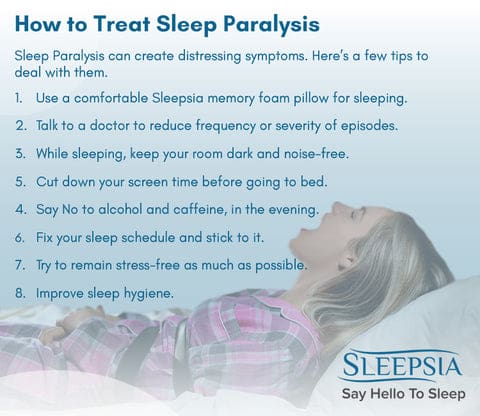
Now that we understand the importance of sleep and the recommended sleep durations, let’s discuss some tips for establishing a healthy sleep routine. By incorporating these practices into your daily life, you can improve the quality of your sleep and reduce the likelihood of experiencing sleep paralysis.
Consistent Sleep Schedule
Try to go to bed and wake up at the same time every day, even on weekends. This helps regulate your body’s internal clock and can improve the quality of your sleep. Consistency is key when it comes to establishing a healthy sleep routine.
Create a Relaxing Bedtime Routine
Develop a relaxing bedtime routine to signal to your body that it’s time to wind down and prepare for sleep. This can include activities such as reading a book, taking a warm bath, or practicing relaxation techniques like deep breathing or meditation. Avoid stimulating activities such as watching TV or using electronic devices close to bedtime, as these can interfere with your ability to fall asleep.
Create a Comfortable Sleep Environment
Make sure your bedroom is conducive to sleep by keeping it dark, quiet, and cool. Invest in a comfortable mattress and pillows that support your body and help you relax. Consider using white noise machines or earplugs to block out any disruptive sounds that may disturb your sleep.
Limit Caffeine and Alcohol Intake
Caffeine and alcohol can disrupt your sleep patterns and make it harder to fall asleep. Limit your consumption of these substances, especially in the hours leading up to bedtime. Opt for decaffeinated beverages in the afternoon and evening, and avoid alcohol closer to bedtime to ensure a restful night’s sleep.
Stay Active During the Day
Regular physical activity can help you fall asleep faster and improve the quality of your sleep. Aim for at least 30 minutes of moderate exercise most days of the week. Just make sure to finish your workout at least a few hours before bedtime, as exercising too close to bedtime can make it harder to fall asleep.
Watch Your Diet
Eating heavy meals or spicy foods close to bedtime can cause indigestion and disrupt your sleep. Opt for light, easy-to-digest snacks if you’re hungry before bed. Consider incorporating sleep-friendly foods into your evening routine, such as bananas, nuts, warm milk, or herbal teas like chamomile.
Preventing Sleep Paralysis
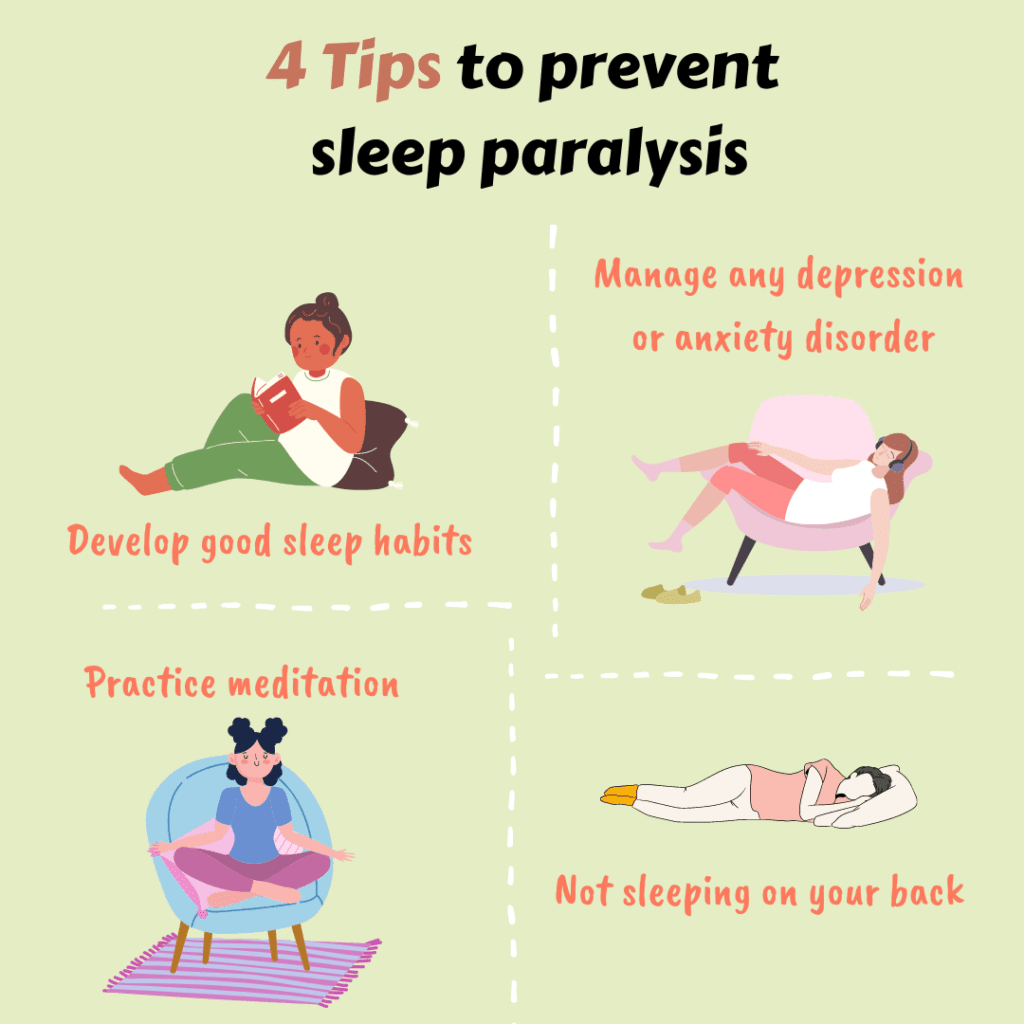
Now that you have established a healthy sleep routine, you are well on your way to preventing sleep paralysis. Here are some additional tips specifically targeted towards avoiding sleep paralysis:
Improve Your Sleep Position
Certain sleep positions can increase the risk of experiencing sleep paralysis. Sleeping on your back, in particular, is associated with a higher incidence of sleep paralysis. Try sleeping on your side or in a different position to reduce the likelihood of an episode of sleep paralysis.
Manage Stress and Anxiety
Stress and anxiety can contribute to sleep paralysis episodes. Practice stress-reducing techniques such as deep breathing, meditation, or yoga to help you relax before bedtime. Establish boundaries with work and personal commitments to ensure you have time to unwind and decompress at the end of the day.
Address Underlying Sleep Disorders
If you have underlying sleep disorders such as insomnia or obstructive sleep apnea, it’s important to address these conditions with the help of a healthcare professional. Treating these conditions can improve the quality of your sleep and reduce the likelihood of experiencing sleep paralysis.
Seek Professional Help if Needed
If you continue to experience sleep paralysis despite implementing healthy sleep habits, consider seeking help from a sleep specialist or therapist. They can help you identify underlying causes of your sleep paralysis and develop a personalized treatment plan to address your specific needs.
Final Thoughts
Preventing sleep paralysis with a healthy sleep routine is within your reach. By prioritizing sleep, establishing healthy sleep habits, and following the tips outlined in this article, you can minimize the risk of experiencing sleep paralysis and enjoy restful, rejuvenating sleep every night. Remember that everyone’s sleep needs are different, so it’s important to adjust these recommendations to suit your individual lifestyle and preferences. Here’s to sweet dreams and peaceful nights ahead!