
Welcome to an eye-opening exploration of sleep paralysis from a cross-cultural perspective. This article delves into the similarities and differences in beliefs, experiences, and explanations of sleep paralysis across various cultures around the world. Through this journey, you will gain a deeper understanding of how this phenomenon is perceived and experienced in different societies, offering a fascinating insight into the rich tapestry of human beliefs and experiences. Explore the fascinating world of sleep paralysis with an open mind and prepare to be enlightened by the diverse cultural perspectives on this mysterious phenomenon. Have you ever woken up in the middle of the night unable to move, with a heavy weight on your chest and a feeling of dread? If you have, you might have experienced something called sleep paralysis. Don’t worry, though – you’re not alone. In fact, sleep paralysis is a common phenomenon that has been reported across cultures and throughout history. In this article, we will delve into the fascinating world of sleep paralysis and explore how different cultures interpret and understand this mysterious phenomenon.
What is Sleep Paralysis?
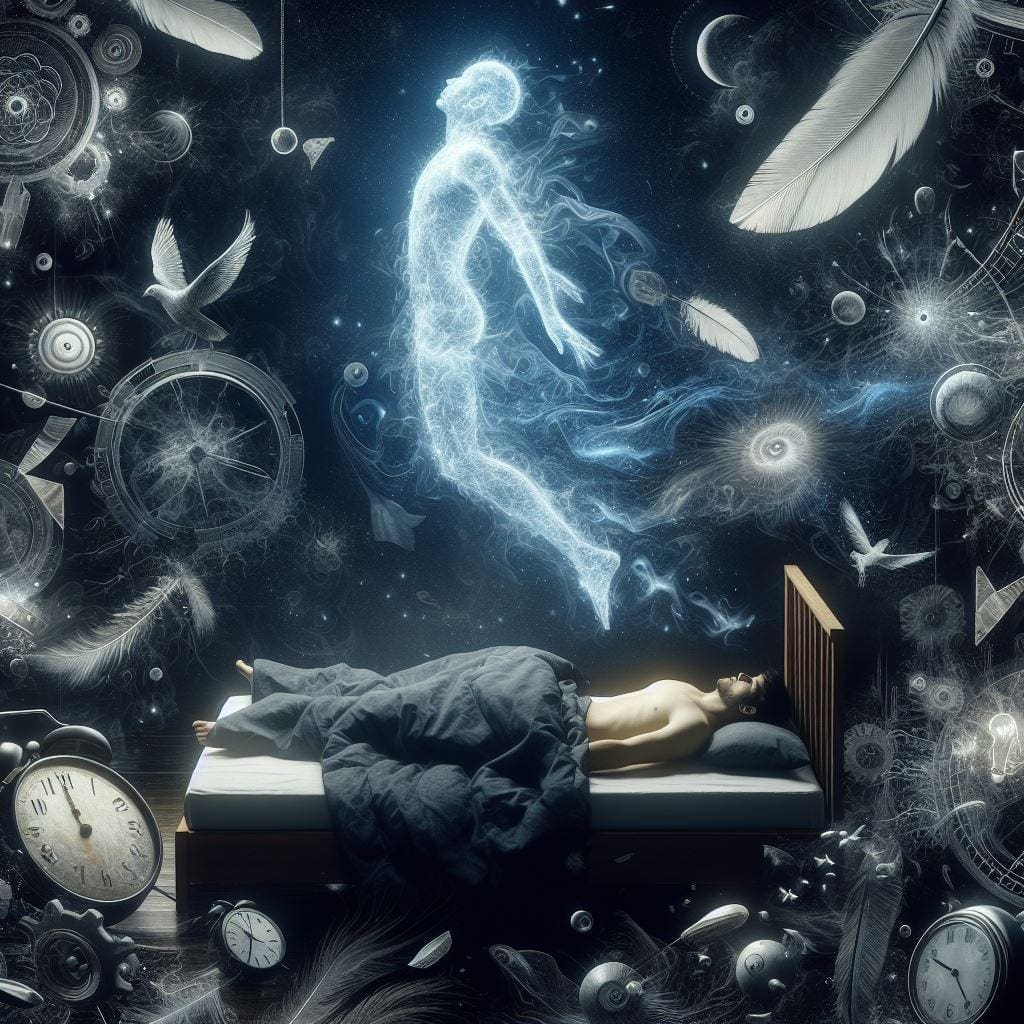
Sleep paralysis is a temporary inability to move or speak that occurs when you are falling asleep or waking up. It is often accompanied by hallucinations, such as seeing shadowy figures or feeling a presence in the room. While it can be a frightening experience, sleep paralysis is usually harmless and does not indicate any serious underlying medical conditions.
A Closer Look at the Symptoms
Let’s break down the symptoms of sleep paralysis. When you experience sleep paralysis, you may feel like you are awake but unable to move or speak. You may also feel a pressure on your chest or a sense of impending doom. Visual or auditory hallucinations are also common during episodes of sleep paralysis.
The Science Behind Sleep Paralysis
While the exact cause of sleep paralysis is not fully understood, researchers believe that it occurs when a person’s body does not move smoothly through the stages of sleep. During REM (rapid eye movement) sleep, your brain sends signals to temporarily paralyze your muscles to prevent you from acting out your dreams. In people with sleep paralysis, this paralysis can persist even as they become conscious.
Cultural Perspectives on Sleep Paralysis
Now let’s take a closer look at how different cultures interpret and understand sleep paralysis. While the experience of sleep paralysis is universal, the way it is explained and understood can vary widely across different cultures.

Cross-Cultural Interpretations of Sleep Paralysis
In Western cultures, sleep paralysis is often attributed to physiological factors such as stress, sleep deprivation, or sleep disorders. However, in many non-Western cultures, sleep paralysis is often seen as a supernatural or spiritual phenomenon.
Cross-Cultural Perspectives on the Causes of Sleep Paralysis
In some cultures, sleep paralysis is believed to be caused by malevolent spirits or demons that visit people during the night. These spirits are thought to be responsible for the feelings of fear and dread that accompany sleep paralysis. In other cultures, sleep paralysis is viewed as a form of psychic attack or spiritual possession.
The Role of Sleep Paralysis in Folklore and Mythology
Sleep paralysis has been a source of inspiration for folklore and mythology in many cultures around the world. In some cultures, sleep paralysis is explained as the work of witches or demons who use the cover of night to terrorize unsuspecting victims. In other cultures, sleep paralysis is seen as a test of one’s spiritual strength or a sign of impending danger.
Sleep Paralysis in Art and Literature
Artists and writers have also been fascinated by the eerie and otherworldly nature of sleep paralysis. In literature, sleep paralysis has been depicted as a gateway to the supernatural or a marker of psychological distress. In art, sleep paralysis has been visualized through surreal and unsettling imagery that captures the feeling of being trapped in a dream-like state.

Coping Strategies for Dealing with Sleep Paralysis
If you are someone who experiences sleep paralysis regularly, there are some coping strategies that may help you manage your symptoms and reduce the frequency of episodes.
Creating a Relaxing Sleep Environment
Creating a relaxing sleep environment can help you feel more comfortable and secure at night. Make sure your bedroom is dark, quiet, and free from distractions. Consider using calming scents or white noise machines to promote relaxation.
Establishing a Consistent Sleep Routine
Establishing a consistent sleep routine can help regulate your sleep patterns and reduce the likelihood of experiencing sleep paralysis. Try to go to bed and wake up at the same time every day, even on weekends. Avoid caffeine and heavy meals before bedtime, and engage in relaxing activities to wind down before sleep.
Managing Stress and Anxiety
Stress and anxiety can trigger episodes of sleep paralysis, so it’s important to find healthy ways to manage your emotions. Consider incorporating stress-reducing activities such as meditation, yoga, or deep breathing exercises into your daily routine. Talk to a therapist or counselor if you need additional support.
Seeking Help from Healthcare Professionals
If you continue to experience frequent episodes of sleep paralysis despite trying these coping strategies, it may be helpful to seek help from healthcare professionals.
Consulting a Sleep Specialist
A sleep specialist can help you understand the underlying causes of your sleep paralysis and recommend appropriate treatments. They may suggest lifestyle changes, such as improving your sleep hygiene or managing any underlying medical conditions that may be contributing to your symptoms. In some cases, medication or therapy may be recommended to help you manage your sleep paralysis.
Exploring Alternative Therapies
In addition to traditional medical treatments, some people find relief from sleep paralysis through alternative therapies such as hypnotherapy, acupuncture, or herbal supplements. While more research is needed to determine the effectiveness of these treatments, some individuals report finding relief from their symptoms through these methods.
Conclusion: Embracing the Mysteries of Sleep Paralysis
In conclusion, sleep paralysis is a fascinating and enigmatic phenomenon that has captivated people across cultures for centuries. While the experience of sleep paralysis can be unsettling, it is important to remember that it is a natural part of the sleep cycle and does not typically pose a serious threat to your health. By exploring the cross-cultural perspectives on sleep paralysis and learning more about the science behind this mysterious phenomenon, you can gain a deeper understanding of your own experiences and find ways to cope with them more effectively. Remember, you are not alone in your experiences with sleep paralysis, and there are resources available to help you navigate this strange and intriguing aspect of the human experience. Stay curious, stay informed, and don’t be afraid to reach out for support if you need it.
Sleep well, dream deep, and may you never be haunted by the shadowy figures of the night.