
Sleep paralysis is a fascinating phenomenon that affects millions of people around the world. It is a state where the body remains temporarily paralyzed during sleep, making it impossible to move or speak. Although it may sound daunting, understanding the science behind sleep paralysis can offer some reassurance and shed light on the mysterious experiences that accompany it. So, if you’ve ever wondered why this happens and what causes it, this article is your guide to unraveling the secrets of sleep paralysis.
Definition of Sleep Paralysis
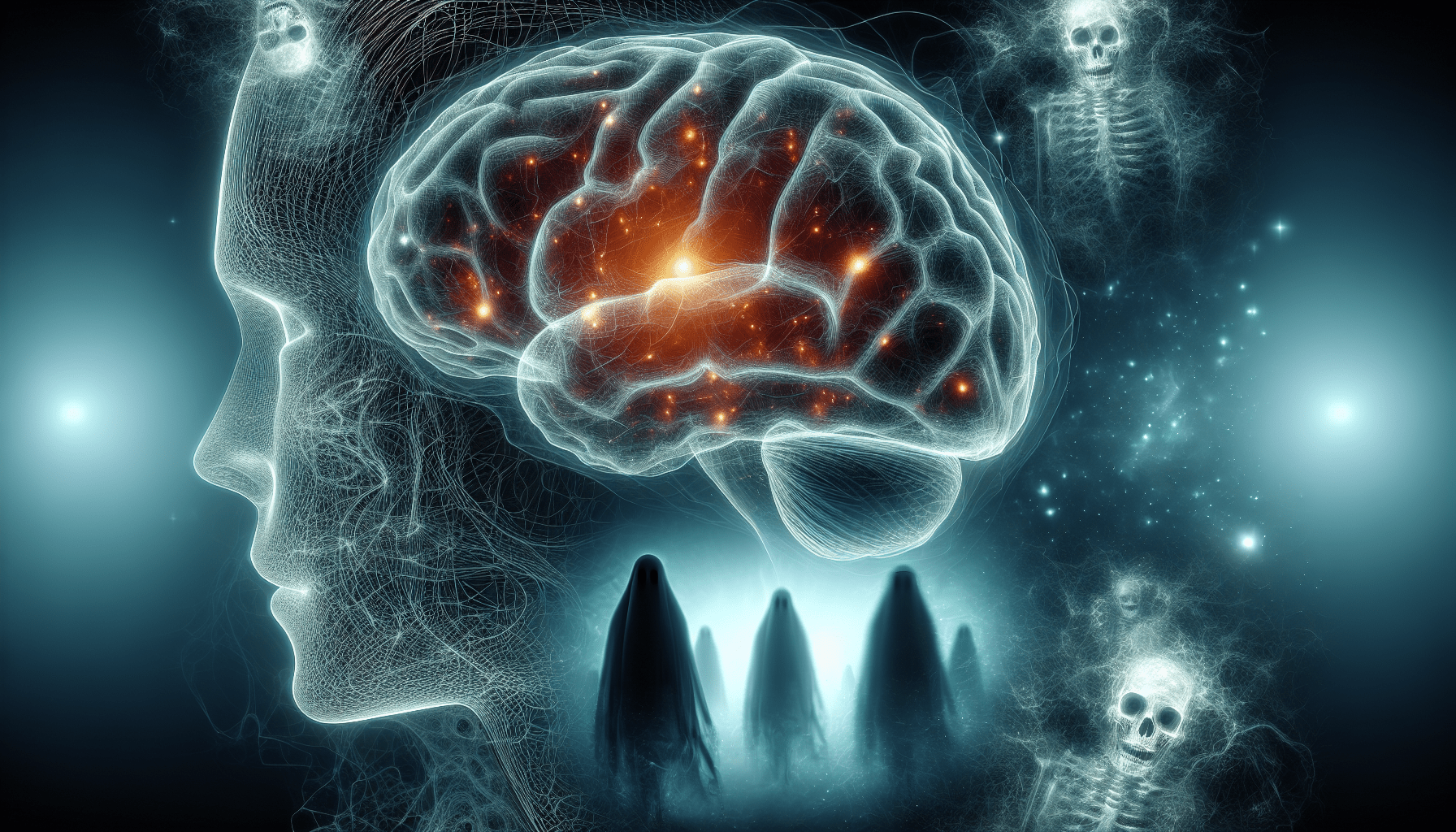
Sleep paralysis is the experience of being awake but unable to move. It typically occurs during transitions between sleep stages, particularly when the individual is either falling asleep or waking up. During sleep paralysis, the body’s muscles are temporarily paralyzed, which can be a frightening experience. While the individual remains conscious and aware of their surroundings, they are unable to move or speak.
Common Symptoms
Muscle weakness or immobility is one of the most common symptoms of sleep paralysis. It can manifest as a complete inability to move or as a sensation of extreme heaviness in the limbs. Many individuals also report feelings of pressure on the chest, as if a heavy weight is pushing down on them. Additionally, sleep paralysis often involves vivid hallucinations or dreams. These hallucinations can be visual, auditory, or even tactile, further adding to the sense of fear and confusion. Difficulty speaking or breathing may also be present during episodes of sleep paralysis.
Sleep Paralysis and REM Sleep
Rapid eye movement (REM) sleep plays a significant role in sleep paralysis. REM sleep is a stage of sleep characterized by rapid eye movements, increased brain activity, vivid dreams, and muscle paralysis. This muscle paralysis, known as REM sleep atonia, prevents individuals from acting out their dreams and potentially causing harm to themselves or others. However, in cases of sleep paralysis, this muscle paralysis continues even as the individual wakes up, leading to the characteristic inability to move. Hypnagogic and hypnopompic hallucinations, which occur during the transition into and out of sleep, are also closely associated with sleep paralysis.
Sleep Disorders Associated with Sleep Paralysis
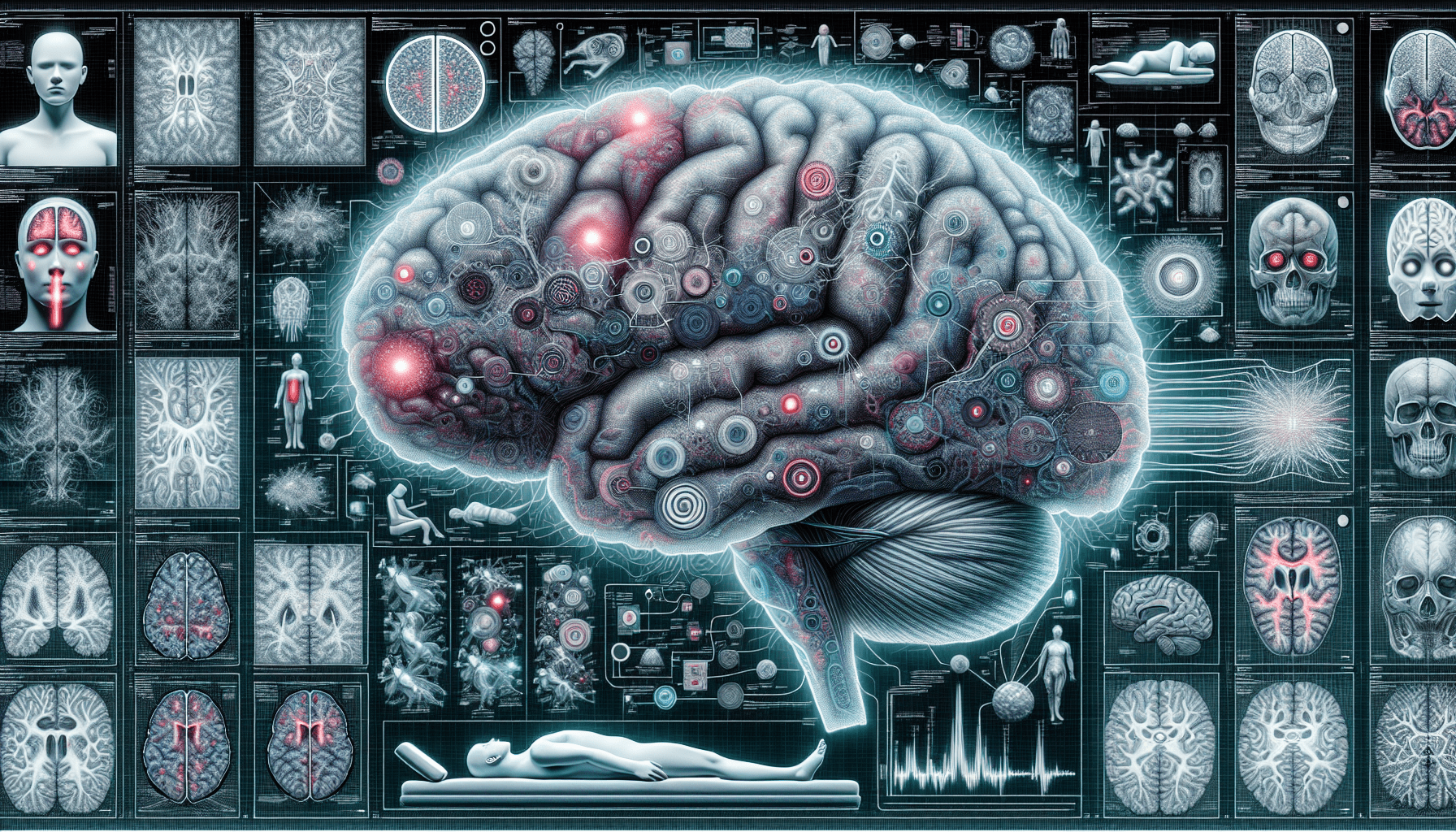
Sleep paralysis is often associated with various sleep disorders. One such disorder is narcolepsy, a neurological condition characterized by excessive sleepiness, sudden loss of muscle tone (cataplexy), and sleep paralysis. Individuals with sleep apnea, a condition in which breathing is repeatedly interrupted during sleep, may also experience sleep paralysis. Insomnia, characterized by difficulty falling asleep or staying asleep, is another condition that can be linked to sleep paralysis. Sleep-related hallucinations, which involve vivid and often frightening sensory experiences during sleep, can also be associated with sleep paralysis.
Causes of Sleep Paralysis
There are several factors that can contribute to the occurrence of sleep paralysis. Disruption of normal sleep cycles, such as irregular sleep patterns or a lack of sufficient sleep, is a common cause of sleep paralysis. Stress and anxiety can also increase the likelihood of experiencing sleep paralysis episodes. Certain sleep disorders, such as narcolepsy or sleep apnea, can contribute to the frequency and intensity of sleep paralysis episodes. Additionally, genetic and familial factors may play a role in an individual’s susceptibility to sleep paralysis.
Neurological Explanations and Brain Activity
Sleep paralysis is considered to be an altered state of consciousness, characterized by a disruption in the normal transition between sleep stages. The amygdala and hippocampus, two regions of the brain involved in emotion and memory, are thought to play a role in sleep paralysis. Neurochemical imbalances, specifically involving the neurotransmitters serotonin and dopamine, may also contribute to the occurrence of sleep paralysis. These imbalances can affect the regulation of sleep-wake cycles and the muscle paralysis associated with REM sleep.
Psychological Factors
Psychological factors can also influence the occurrence of sleep paralysis. Stress and trauma have been found to increase the likelihood of experiencing sleep paralysis episodes. Individuals with psychiatric disorders, such as depression, anxiety, or post-traumatic stress disorder (PTSD), are more likely to experience sleep paralysis. Certain personality traits and beliefs, such as being highly imaginative or having a belief in the supernatural, can also contribute to the occurrence of sleep paralysis.
Cultural and Historical Perspectives
Sleep paralysis has been historically and culturally interpreted in various ways. In folklore, this phenomenon has often been attributed to supernatural beings or entities, such as witches, demons, or ghosts. Many cultures have their own unique explanations and interpretations of sleep paralysis. Artistic depictions of sleep paralysis can also be found throughout history, capturing the eerie and unsettling experience. Sleep paralysis experiences have been reported across different cultures and societies, highlighting the universality of this phenomenon.
Diagnosis and Treatment
To diagnose sleep paralysis, medical professionals will often take a detailed medical history and may recommend keeping a sleep diary to track the frequency and characteristics of episodes. Polysomnography, a sleep study that monitors brain activity, eye movements, heart rate, and muscle activity during sleep, can also be used to assess and diagnose sleep disorders, including sleep paralysis. Treatment options for sleep paralysis aim to improve sleep hygiene, manage stress, and, in some cases, may involve medication to regulate sleep cycles or address underlying sleep disorders.
Managing Sleep Paralysis
While it may not be possible to completely prevent sleep paralysis, there are strategies that can help manage and minimize its impact. Recognizing potential triggers, such as sleep deprivation, stress, or certain medications, can help individuals anticipate and take steps to reduce the likelihood of experiencing sleep paralysis episodes. Creating a sleep environment that is conducive to relaxation and promoting good sleep hygiene can also be beneficial. Relaxation techniques, such as deep breathing exercises or progressive muscle relaxation, along with stress management techniques, can help individuals cope with the anxiety and fear associated with sleep paralysis. Engaging in support groups or seeking therapy can provide individuals with a safe space to share experiences and learn strategies for managing sleep paralysis effectively.