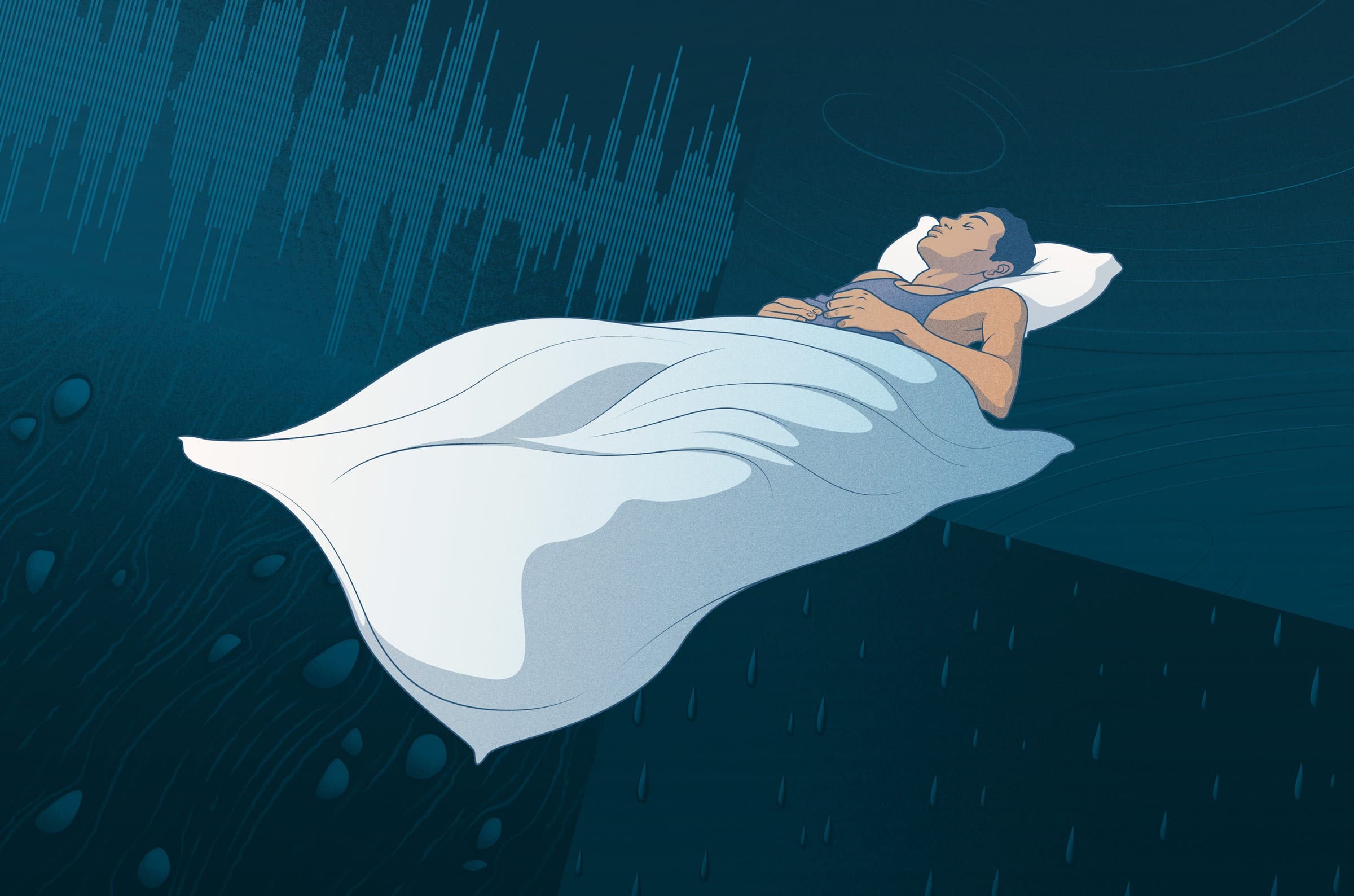
Imagine lying in bed, unable to move or speak, with a heavy weight pressing down on your chest. This terrifying experience is known as sleep paralysis, and for many individuals, it is closely related to anxiety. Throughout my life, I have come to realize the intricate connection between these two phenomena. In this article, you will discover my personal journey and how anxiety and sleep paralysis intertwine, shedding light on a topic that is often misunderstood.
Understanding Anxiety
Anxiety is a common mental health condition that many individuals experience at some point in their lives. It is characterized by feelings of worry, fear, and unease, often accompanied by physical symptoms such as increased heart rate, sweating, and trembling. These feelings can be overwhelming and can interfere with daily activities and overall well-being.
Definition of Anxiety
Anxiety can be defined as a persistent and excessive worry or fear about everyday situations. While it is normal to experience some level of anxiety in certain situations, such as before a big presentation or an important event, anxiety becomes a disorder when these feelings are constant and disrupt normal functioning. Anxiety disorders are a group of mental health conditions that include generalized anxiety disorder, panic disorder, social anxiety disorder, and specific phobias.
Types of Anxiety Disorders
Generalized anxiety disorder (GAD) is characterized by excessive worry about various aspects of life, such as work, health, relationships, and daily tasks. Individuals with GAD often struggle to control their worrying and may feel restless, fatigued, and have difficulty concentrating.
Panic disorder involves recurrent panic attacks, which are sudden episodes of intense fear or discomfort that reach their peak within minutes. Symptoms of a panic attack may include a pounding heart, shortness of breath, chest pain, dizziness, and a fear of losing control or dying.
Social anxiety disorder, also known as social phobia, is an intense fear of being scrutinized or judged by others in social situations. This fear can lead to avoidance of social activities, isolation, and low self-esteem.
Specific phobias are characterized by an intense and irrational fear of particular objects or situations, such as heights, spiders, or flying. These fears can cause significant distress and may lead to avoidance behaviors.
Exploring Sleep Paralysis
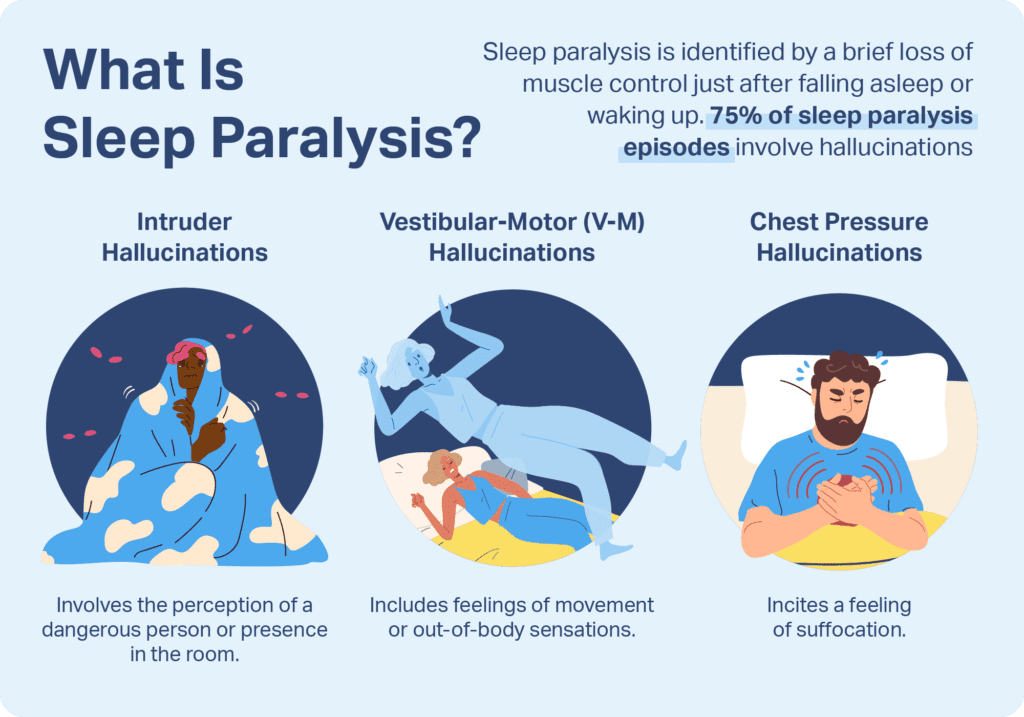
Beyond the realm of anxiety lies a phenomenon known as sleep paralysis. Sleep paralysis occurs when an individual is temporarily unable to move or speak while falling asleep or waking up. It is often accompanied by vivid hallucinations and a sense of pressure on the chest.
Definition of Sleep Paralysis
Sleep paralysis can be defined as a temporary loss of muscle function during sleep or wakefulness, usually lasting a few seconds to a few minutes. It occurs when the body’s natural sleep-wake cycles become disrupted, leading to a state of temporary paralysis. Despite being fully conscious, individuals experiencing sleep paralysis are unable to move or speak, which can be a frightening and disorienting experience.
Common Symptoms of Sleep Paralysis
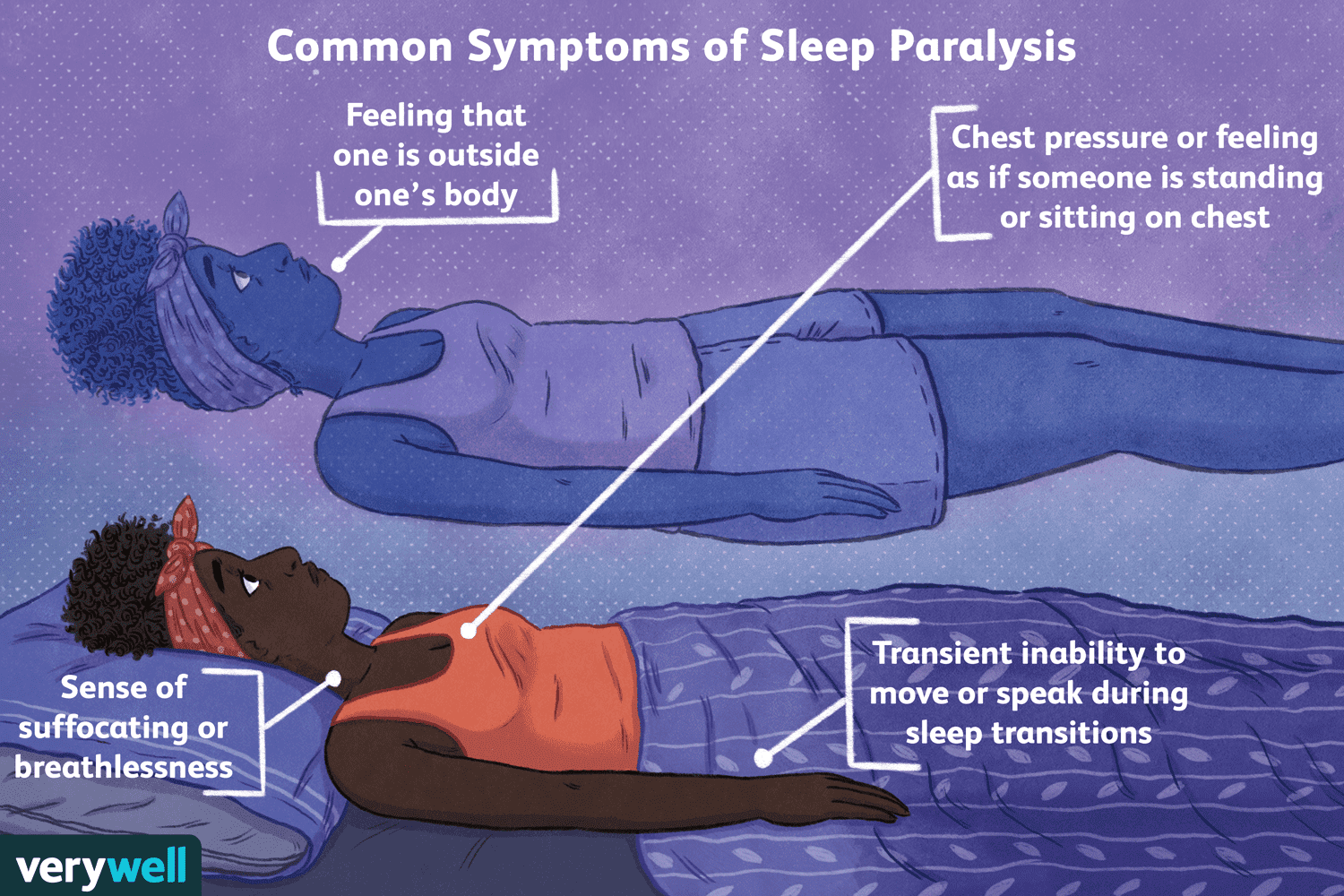
During episodes of sleep paralysis, individuals may experience hallucinations, which can be visual, auditory, or tactile. These hallucinations often feel vivid and realistic, contributing to the sense of fear and confusion. Additionally, many individuals report a feeling of pressure on their chest, making it difficult to breathe or speak.
Other common symptoms include a sense of impending doom, a feeling of being watched, and a heightened state of arousal. Once the episode of sleep paralysis is over, individuals may feel a sense of exhaustion, as these experiences can be mentally and emotionally draining.
Personal Experience with Anxiety
Anxiety is a deeply personal experience, and each individual may have their own triggers and ways of coping with it. Reflecting on my own experiences with anxiety, I have identified certain triggers in my life that contribute to the onset of anxiety symptoms.
Triggers of Anxiety in My Life
One of the main triggers of anxiety for me is excessive stress. When faced with a heavy workload or demanding deadlines, I often find myself feeling overwhelmed and anxious. Additionally, social situations, particularly those involving large groups or unfamiliar people, tend to heighten my anxiety levels. The fear of judgment and criticism can be paralyzing, making it difficult for me to engage in social interactions.
Another significant trigger for me is uncertainty. I have a tendency to overthink and worry about the future, which leads to increased anxiety. Uncertainty about my career, relationships, and personal achievements can cause a constant state of unease and apprehension.
Effect of Anxiety on My Sleep Patterns
Anxiety has also had a profound impact on my sleep patterns. Racing thoughts and a constant state of worry can make it challenging to fall asleep at night. Even when I do manage to fall asleep, anxiety often causes me to wake up during the night and struggle to fall back asleep. This leads to restless nights and a lack of quality sleep, leaving me feeling fatigued and irritable during the day.
Personal Experience with Sleep Paralysis
In addition to dealing with anxiety, I have also encountered episodes of sleep paralysis throughout my life. The first time I experienced sleep paralysis, I was both terrified and perplexed by the strange combination of being awake yet unable to move.
First Encounter with Sleep Paralysis
I remember waking up one night, feeling a sense of pressure on my chest and the inability to move any part of my body. Panic quickly set in as I tried desperately to break free from the immobilizing grip of sleep paralysis. The room seemed to spin, and shadows danced around me, further fueling my fear. Eventually, the episode passed, but the memory remained etched in my mind.
Frequency and Patterns of Sleep Paralysis Episodes
Over the years, I have experienced sleep paralysis episodes sporadically. Some months would pass without any occurrences, while others would see a handful of episodes. I noticed a pattern in my experiences; sleep paralysis episodes tended to be more prevalent during periods of heightened anxiety and stress. It was as if the two were intrinsically linked, creating a vicious cycle of anxiety and sleep disturbances.
The Connection between Anxiety and Sleep Paralysis
Research has shed light on the relationship between anxiety and sleep paralysis, supporting my personal experiences and validating the connection I have observed in my own life.
Research on the Relationship between Anxiety and Sleep Paralysis
Studies have shown that individuals with anxiety disorders are more likely to experience sleep paralysis. This suggests a bidirectional relationship between the two conditions, where anxiety can contribute to sleep paralysis, and sleep paralysis can exacerbate anxiety symptoms.
One study found that anxiety disorders were significantly more prevalent in individuals who experienced recurrent sleep paralysis compared to those who did not. Another study found that individuals with high levels of stress and anxiety were more likely to report frequent sleep paralysis episodes.
How Anxiety Can Contribute to Sleep Paralysis
Anxiety can contribute to sleep paralysis through various mechanisms. Firstly, anxiety often leads to disrupted sleep patterns, with individuals experiencing difficulty falling asleep or staying asleep. This can increase the likelihood of experiencing sleep paralysis episodes, as they often occur during the transitional stages between wakefulness and sleep.
Additionally, anxiety can lead to heightened arousal and hypervigilance, making individuals more susceptible to the hallucinations and distorted perceptions associated with sleep paralysis. The fear and distress caused by these experiences can, in turn, further exacerbate anxiety symptoms, perpetuating the cycle.
Managing Anxiety for Better Sleep
Dealing with anxiety and its impact on sleep can be challenging, but there are strategies that can help to manage anxiety and improve sleep quality.
Seeking Professional Help
One of the most effective ways to manage anxiety is to seek professional help. Mental health professionals, such as therapists and counselors, can provide support and guidance in developing coping mechanisms to deal with anxiety. They can also offer techniques and strategies to help manage stress and improve sleep patterns.
Additionally, medication can be prescribed in certain cases to help alleviate anxiety symptoms. However, it is essential to consult with a healthcare professional to determine if medication is the right option for you.
Implementing Relaxation Techniques
Incorporating relaxation techniques into your daily routine can also be beneficial for managing anxiety and improving sleep. Techniques such as deep breathing exercises, meditation, and progressive muscle relaxation can help to calm the mind and promote a state of relaxation.
Creating a bedtime routine that includes these relaxation techniques can signal to your body that it is time to unwind and prepare for sleep. Dimming the lights, avoiding stimulating activities or screens before sleep, and creating a comfortable sleep environment can further enhance the effectiveness of these relaxation techniques.
Coping Strategies for Sleep Paralysis Episodes
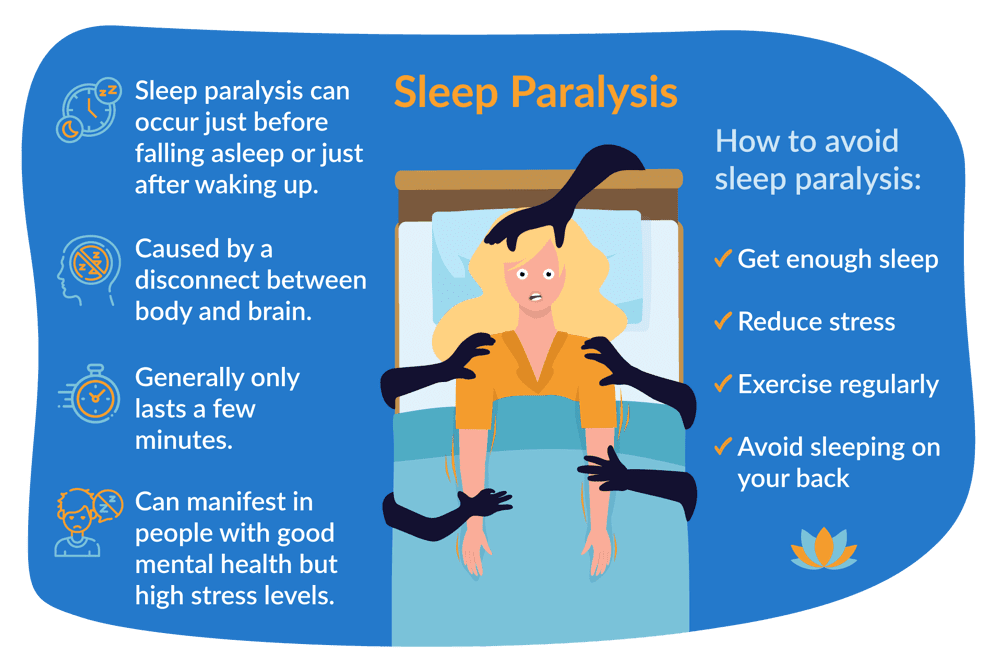
While it may not be possible to completely prevent sleep paralysis episodes, there are coping strategies that can help individuals navigate through these experiences.
Recognizing Triggers and Patterns
Keeping a sleep diary can be helpful in identifying any patterns or triggers associated with sleep paralysis episodes. By noting down significant events, stressors, or changes in sleep patterns, individuals may start to notice any links between their anxiety levels and sleep paralysis occurrences. This awareness can empower individuals to take proactive steps in managing their anxiety and reducing the frequency of sleep paralysis episodes.
Creating a Relaxing Sleep Environment
Establishing a relaxing sleep environment can also contribute to reducing the occurrences of sleep paralysis. This includes ensuring that your bedroom is dark, quiet, and at a comfortable temperature. Investing in a supportive mattress and pillows can also enhance the quality of sleep and minimize the potential for disruptive episodes.
In addition, practicing good sleep hygiene, such as maintaining a regular sleep schedule, avoiding caffeine and stimulating activities close to bedtime, and creating a wind-down routine can help prepare the body and mind for a restful night’s sleep.
Success Stories: Overcoming Anxiety and Sleep Paralysis
There are countless success stories of individuals who have managed to overcome the link between anxiety and sleep paralysis. These stories serve as a beacon of hope for those currently struggling with these conditions.
Personal Accounts of Individuals who have managed Anxiety and Sleep Paralysis
Many individuals have shared their personal accounts of overcoming anxiety and sleep paralysis. They recount how they implemented various coping strategies and sought professional help to manage their anxiety, which, in turn, led to a reduction in sleep paralysis episodes. These stories highlight the resilience and strength of individuals in navigating these challenging experiences.
Tips and Advice from Those who Overcame the Link
Those who have successfully overcome the link between anxiety and sleep paralysis often offer valuable tips and advice for others facing similar challenges. They emphasize the importance of self-care, self-compassion, and exploring different relaxation techniques to find what works best for them. Building a support network and seeking professional guidance are also recurring themes in their advice, emphasizing the benefits of reaching out for help when needed.

Seeking Support and Resources
For individuals navigating the complexities of anxiety and sleep paralysis, seeking support and accessing available resources can be immensely beneficial.
Support Groups and Online Communities
Joining support groups or online communities can provide individuals with a sense of belonging and understanding. Connecting with others who share similar experiences can offer comfort, validation, and practical advice in dealing with anxiety and sleep paralysis. These communities often provide a safe space for individuals to share their stories, ask questions, and seek guidance.
Books and Literature on Anxiety and Sleep Paralysis
There is a wealth of literature available on anxiety and sleep paralysis, providing individuals with insights and knowledge to better understand these conditions. Books authored by experts in the field of mental health can provide valuable information on coping strategies, relaxation techniques, and personal anecdotes that can inspire and guide individuals on their journey towards better mental health.
Conclusion
Recognizing and addressing the link between anxiety and sleep paralysis is crucial in managing these conditions and improving overall well-being. Understanding the definition and types of anxiety disorders, exploring the phenomenon of sleep paralysis, and recognizing personal triggers and patterns are fundamental steps in this journey. Seeking professional help, implementing relaxation techniques, and developing coping strategies can significantly contribute to better sleep and improved mental health. Success stories from individuals who have overcome these challenges offer inspiration and practical advice, while support groups and resources provide a sense of community and guidance. By continuing to explore and address the complexities of anxiety and sleep paralysis, individuals can embark on a journey towards better sleep and enhanced mental well-being.