Introduction
Have you ever experienced sleep paralysis? It can be a terrifying and confusing experience, leaving you feeling trapped in your body while your mind is awake. But have you ever considered the role that mental health stigma plays in how we understand sleep paralysis? Let’s explore this complex relationship and how it may impact our understanding of this phenomenon.
What is Sleep Paralysis?
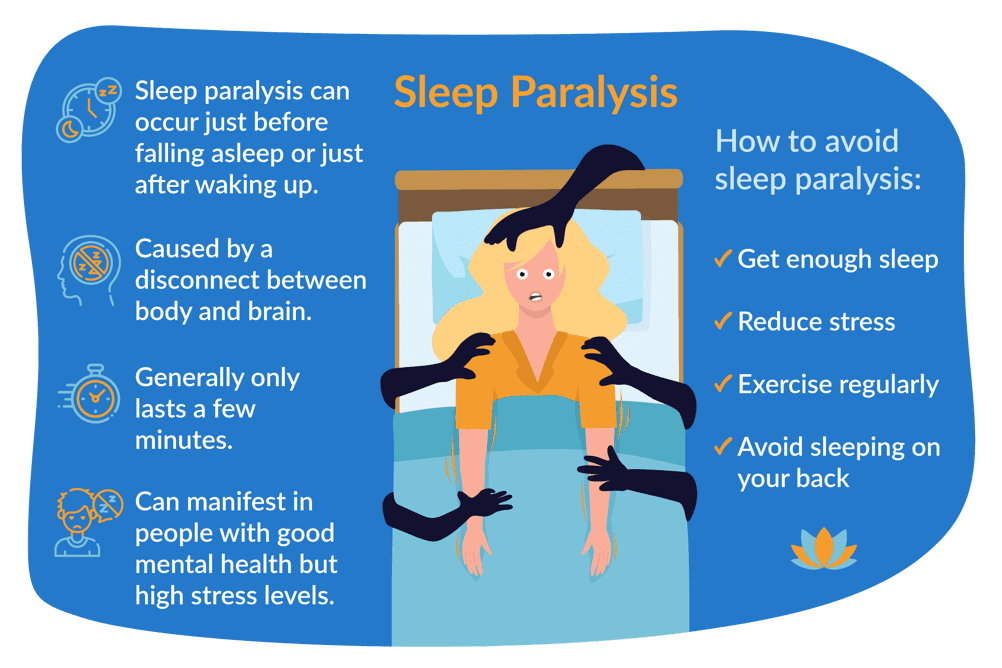
Sleep paralysis is a phenomenon that occurs when a person is transitioning between being asleep and awake. During this time, they may become conscious but unable to move or speak, often experiencing vivid hallucinations or the sensation of being watched. This can be a frightening experience for those who have never encountered it before, leading them to seek answers and explanations for what is happening to them.
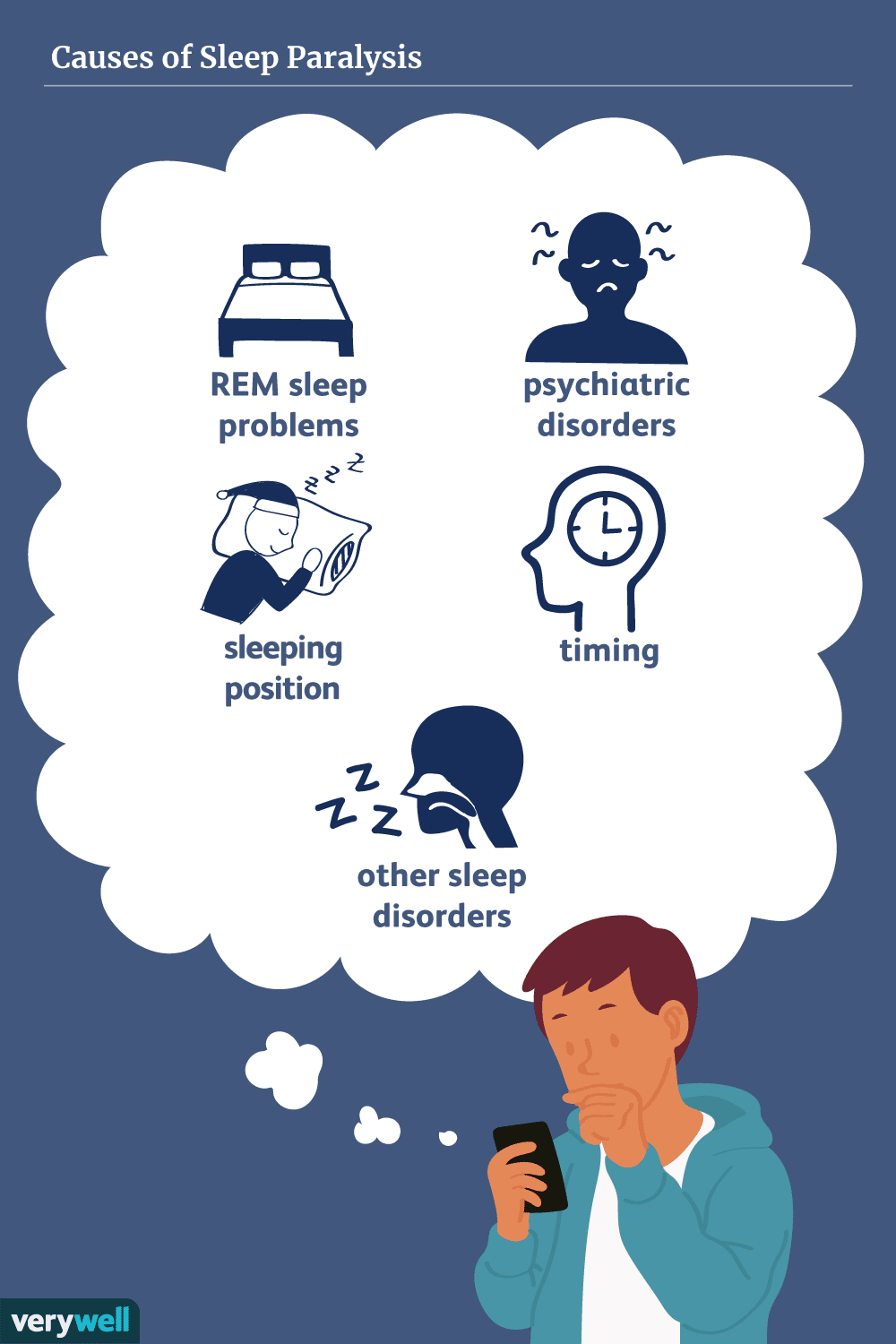
Sleep paralysis can be categorized into two main types: isolated sleep paralysis and recurrent isolated sleep paralysis. Isolated sleep paralysis is a one-time occurrence, often caused by stress, lack of sleep, or irregular sleep schedules. Recurrent isolated sleep paralysis, on the other hand, is when the phenomenon happens repeatedly, sometimes multiple times a week, and may indicate a more serious underlying sleep disorder.
Understanding the Symptoms
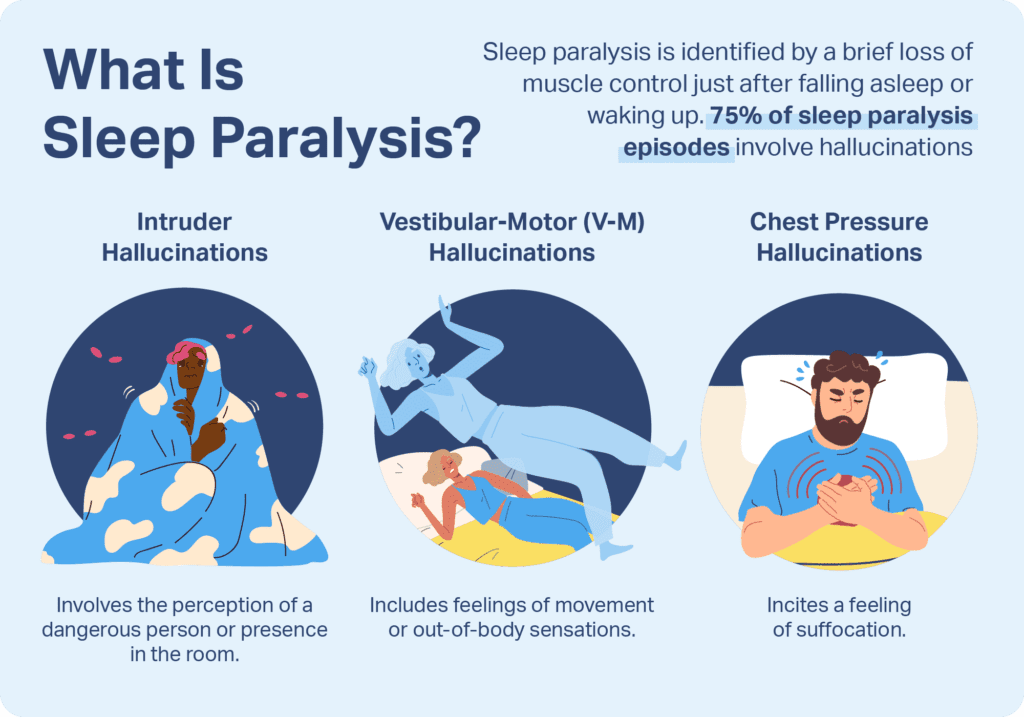
The symptoms of sleep paralysis can vary from person to person, but some common experiences include:
- Feeling like someone is in the room with you
- Seeing or hearing hallucinations
- Feeling pressure on your chest or body
These symptoms can be distressing and may lead individuals to seek explanations for their experiences, including turning to mental health stigma as a possible cause.
Mental Health Stigma and Sleep Paralysis
Mental health stigma refers to the negative attitudes and beliefs that society holds about mental illnesses, leading to discrimination and prejudice against individuals who are affected. This stigma can prevent people from seeking help or talking about their experiences, isolating them and potentially worsening their mental health.
How Mental Health Stigma Affects Understanding
The stigma surrounding mental health can impact how we understand sleep paralysis in several ways. For example, when individuals experience sleep paralysis, they may be hesitant to talk about their experiences due to fear of being judged or labeled as mentally ill. This can lead to feelings of isolation and confusion, making it difficult to find accurate information or resources to help them navigate their experiences.
Moreover, mental health stigma can also perpetuate misconceptions about sleep paralysis, leading some to believe that it is a sign of demonic possession or supernatural forces at play. These beliefs can further stigmatize those who experience sleep paralysis, making it harder for them to seek help or support from others.
Breaking Down Misconceptions
To combat the influence of mental health stigma on understanding sleep paralysis, it is essential to break down misconceptions and provide accurate information about this phenomenon. By educating the public about the science behind sleep paralysis and its relationship to mental health, we can help reduce fear and misunderstanding surrounding this experience.

The Connection Between Mental Health and Sleep Paralysis
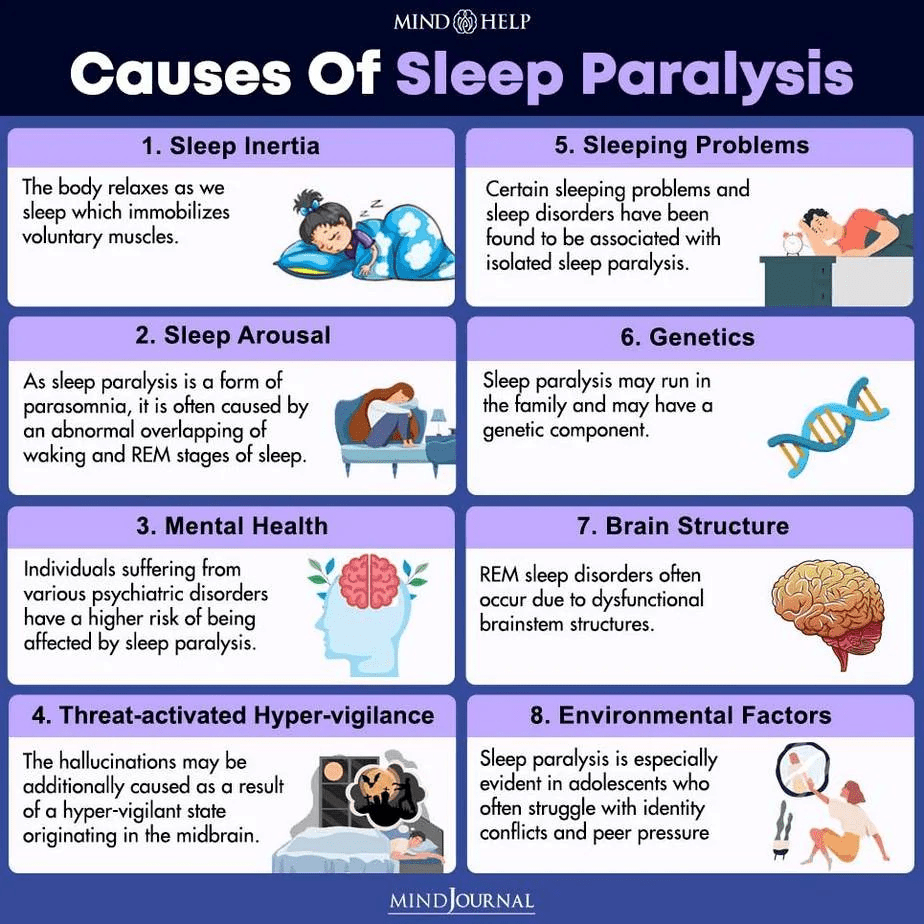
While mental health stigma can play a role in how we understand sleep paralysis, it is also essential to consider the connection between mental health and this phenomenon. Mental health conditions such as anxiety, depression, and post-traumatic stress disorder (PTSD) are often linked to sleep disturbances, including sleep paralysis. Understanding this relationship can shed light on why some individuals may be more prone to experiencing sleep paralysis and how it may impact their overall well-being.
Anxiety and Sleep Paralysis
Anxiety disorders are one of the most common mental health conditions associated with sleep paralysis. Individuals who experience high levels of anxiety may be more likely to have disrupted sleep patterns, leading to an increased risk of experiencing sleep paralysis. The fear and panic that often accompany anxiety can also exacerbate the symptoms of sleep paralysis, making the experience even more distressing for the individual.
Depression and Sleep Paralysis
Depression is another mental health condition that has been linked to sleep disturbances, including sleep paralysis. Individuals with depression may have difficulty falling asleep or staying asleep, increasing the likelihood of experiencing sleep paralysis during the night. The feelings of hopelessness and despair that often accompany depression can also impact how individuals interpret their experiences of sleep paralysis, leading to negative beliefs and emotions surrounding the phenomenon.
PTSD and Sleep Paralysis
Post-traumatic stress disorder (PTSD) is a mental health condition that can result from experiencing a traumatic event. Individuals with PTSD may have vivid nightmares or flashbacks related to their trauma, which can disrupt their sleep patterns and increase the likelihood of experiencing sleep paralysis. The hyperarousal and hypervigilance that often accompany PTSD can also play a role in how individuals perceive their experiences of sleep paralysis, causing them to feel more vulnerable and fearful during episodes.
Seeking Support and Treatment
If you are experiencing sleep paralysis and feel that it is impacting your mental health and well-being, it is essential to seek support and treatment from qualified professionals. Talking to a therapist or counselor about your experiences can help you understand the underlying causes of your sleep paralysis and develop coping strategies to manage your symptoms effectively.
Therapy and Counseling
Therapy and counseling can be beneficial for individuals who are experiencing sleep paralysis and mental health challenges. A therapist can help you explore the connection between your mental health and sleep paralysis, identify triggers that may be contributing to your experiences, and develop strategies to improve your sleep quality and overall well-being. Cognitive-behavioral therapy (CBT) has been shown to be effective in treating sleep disorders, including sleep paralysis, by helping individuals change their thoughts and behaviors surrounding sleep.
Medication and Sleep Aids
In some cases, medication or sleep aids may be prescribed to help individuals manage their sleep paralysis symptoms. Medications such as antidepressants or anti-anxiety drugs can help regulate sleep patterns and reduce the frequency or severity of sleep paralysis episodes. However, it is essential to consult with a healthcare provider before taking any medication to ensure it is safe and appropriate for your situation.
Lifestyle Changes
Making lifestyle changes can also help improve sleep quality and reduce the risk of experiencing sleep paralysis. Establishing a regular sleep schedule, practicing good sleep hygiene, and managing stress through relaxation techniques such as meditation or yoga can all contribute to better sleep health. Avoiding stimulants such as caffeine or nicotine before bedtime and creating a calming sleep environment can also promote restful sleep and reduce the likelihood of sleep paralysis episodes.
Conclusion
In conclusion, the role that mental health stigma plays in understanding sleep paralysis is complex and multifaceted. While stigma can perpetuate misconceptions and prevent individuals from seeking help, it is essential to recognize the connection between mental health and this phenomenon. By breaking down misconceptions, educating the public, and providing support and treatment options, we can help individuals who are experiencing sleep paralysis navigate their experiences and improve their overall well-being. Remember, you are not alone in your experiences, and there are resources available to help you understand and cope with sleep paralysis.