The Psychological Aftermath Of Sleep Paralysis
Have you ever experienced the terrifying phenomenon known as sleep paralysis? If so, you’re not alone. Many people around the world have experienced this unsettling and often frightening condition. But what happens after the episode is over? In this article, we will explore the psychological aftermath of sleep paralysis and how it can affect your mental health.
Understanding Sleep Paralysis
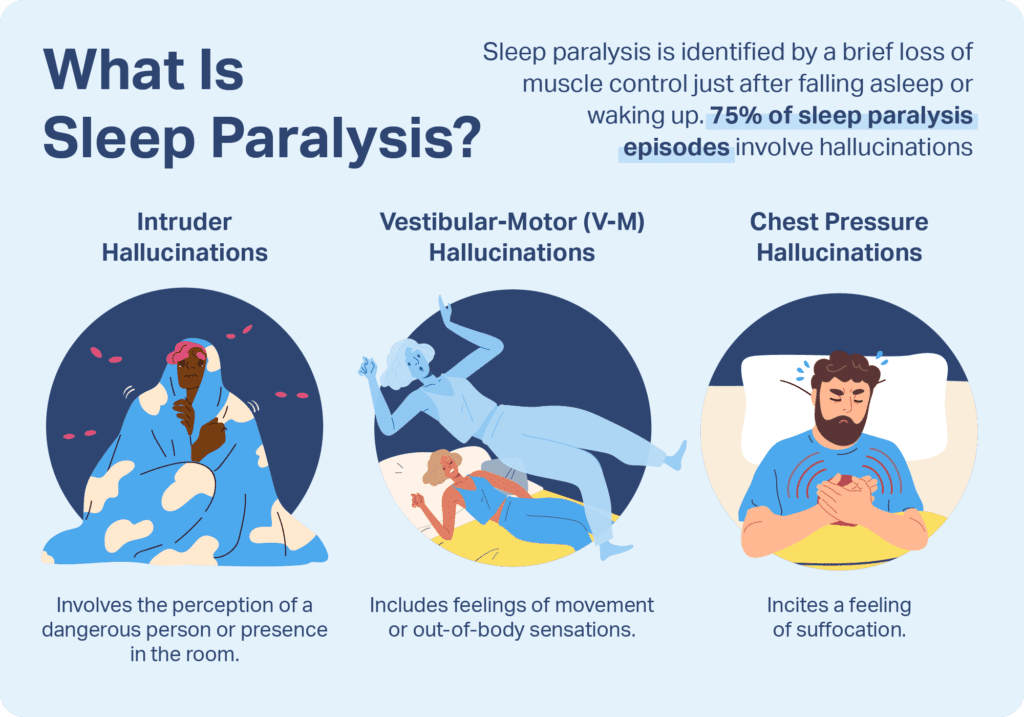
Before we dive into the psychological effects of sleep paralysis, let’s first understand what it is. Sleep paralysis is a phenomenon in which a person wakes up from sleep but remains unable to move or speak. This can be accompanied by hallucinations and a feeling of pressure on the chest. It usually occurs when a person is falling asleep or waking up and can last anywhere from a few seconds to several minutes.
The Immediate Impact
After experiencing an episode of sleep paralysis, you may feel a range of emotions such as fear, confusion, and anxiety. The hallucinations and sense of helplessness can be traumatic and leave you feeling unsettled. You may also feel physically drained or tired from the experience.
Anxiety and Fear
One of the most common psychological effects of sleep paralysis is increased anxiety and fear. The intense hallucinations and feeling of being trapped can leave a lasting impact on your mental health. You may find yourself feeling anxious about going to sleep, fearing that another episode of sleep paralysis will occur.
Difficulty Sleeping
Unsurprisingly, after experiencing sleep paralysis, you may find it difficult to fall asleep. The fear of another episode can keep you awake at night, leading to insomnia and other sleep disturbances. This lack of sleep can further exacerbate feelings of anxiety and stress.
Post-Traumatic Stress Disorder (PTSD)
In some cases, repeated episodes of sleep paralysis can lead to the development of post-traumatic stress disorder (PTSD). The intense fear and helplessness experienced during these episodes can trigger symptoms of PTSD such as flashbacks, nightmares, and hypervigilance. If you find yourself experiencing symptoms of PTSD after sleep paralysis, it is important to seek professional help.
Coping Strategies
If you are struggling with the psychological aftermath of sleep paralysis, there are several coping strategies you can try to help manage your symptoms and improve your mental health.
Relaxation Techniques
Practicing relaxation techniques such as deep breathing, meditation, and progressive muscle relaxation can help reduce feelings of anxiety and stress. These techniques can also help you relax before bedtime, making it easier to fall asleep without fear of sleep paralysis.
Cognitive Behavioral Therapy (CBT)
Cognitive behavioral therapy (CBT) is a type of therapy that can help you challenge and change negative thought patterns and behaviors. CBT can be effective in treating anxiety and fear related to sleep paralysis, helping you develop healthier coping mechanisms and improve your overall mental health.
Sleep Hygiene
Improving your sleep hygiene can also help reduce the likelihood of experiencing sleep paralysis and its psychological effects. This includes maintaining a consistent sleep schedule, creating a relaxing bedtime routine, and avoiding stimulants such as caffeine and electronics before bed.
Support Groups
Connecting with others who have experienced sleep paralysis can provide much-needed support and validation. Joining a support group or online forum can help you feel less alone in your experiences and give you a safe space to share your feelings and coping strategies.

Seeking Professional Help
If you are struggling to cope with the psychological aftermath of sleep paralysis, it may be helpful to seek the guidance of a mental health professional. A therapist or counselor can provide you with the tools and support you need to address your fears and anxieties and improve your mental well-being.
Therapy
Therapy, whether individual or group, can be a valuable resource for addressing the psychological impact of sleep paralysis. A therapist can help you process your feelings, develop coping strategies, and work through any underlying issues that may be contributing to your anxiety and fear.
Medication
In some cases, medication may be prescribed to help manage symptoms of anxiety, depression, or insomnia related to sleep paralysis. It is important to work closely with a healthcare provider to find the right treatment plan for your individual needs and monitor any potential side effects.
Sleep Studies
If sleep paralysis is occurring frequently and significantly impacting your mental health, a sleep study may be recommended to assess your sleep patterns and identify any underlying sleep disorders. Understanding the root cause of your sleep paralysis can help inform treatment options and improve your overall sleep quality.
Conclusion
The psychological aftermath of sleep paralysis can be challenging to navigate, but with the right support and coping strategies, you can improve your mental health and well-being. Remember that you are not alone in your experiences and that there are resources available to help you through this difficult time. Take care of yourself and prioritize your mental health as you work towards healing from the effects of sleep paralysis.