
What is Circadian Rhythm Disorder?
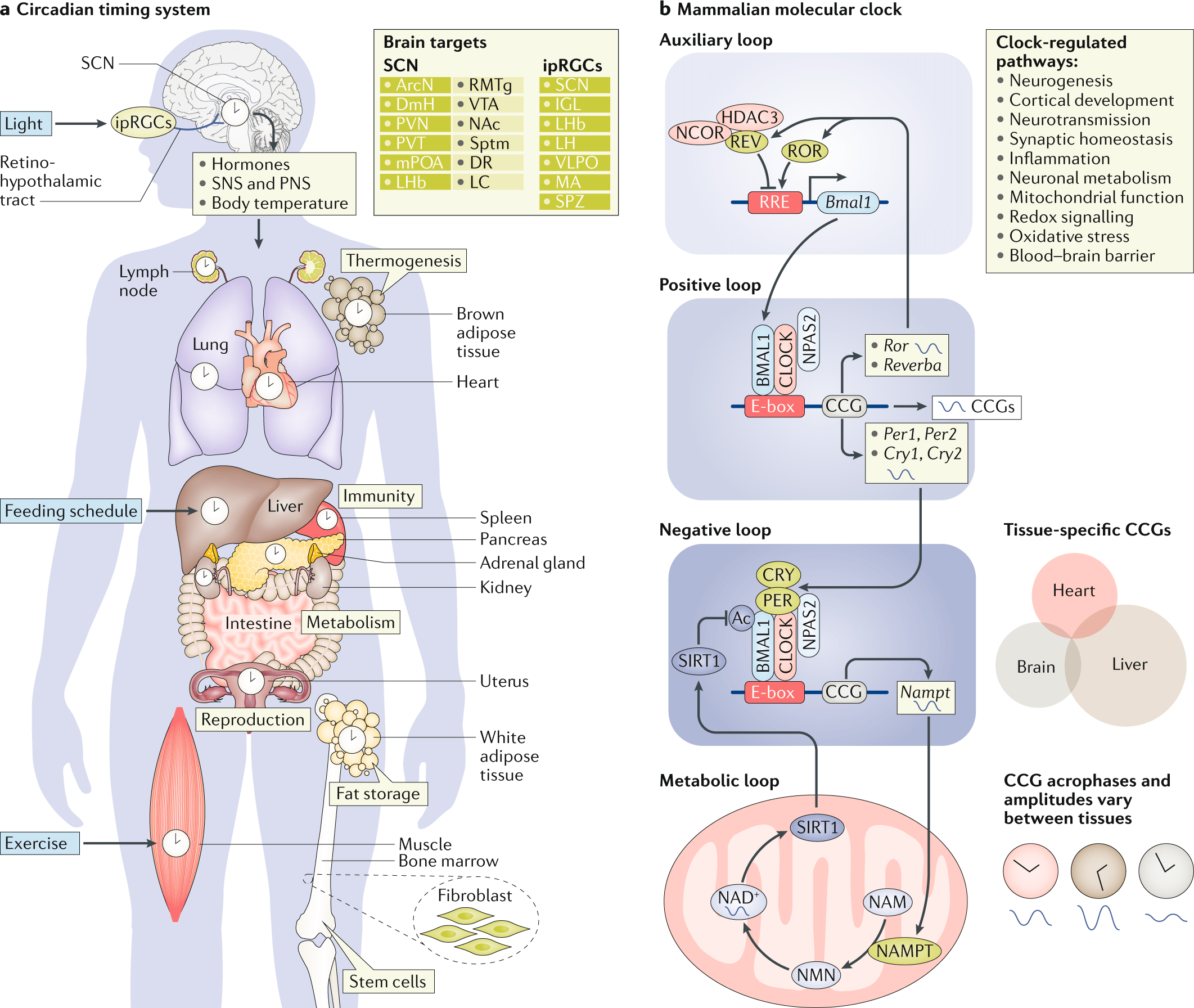
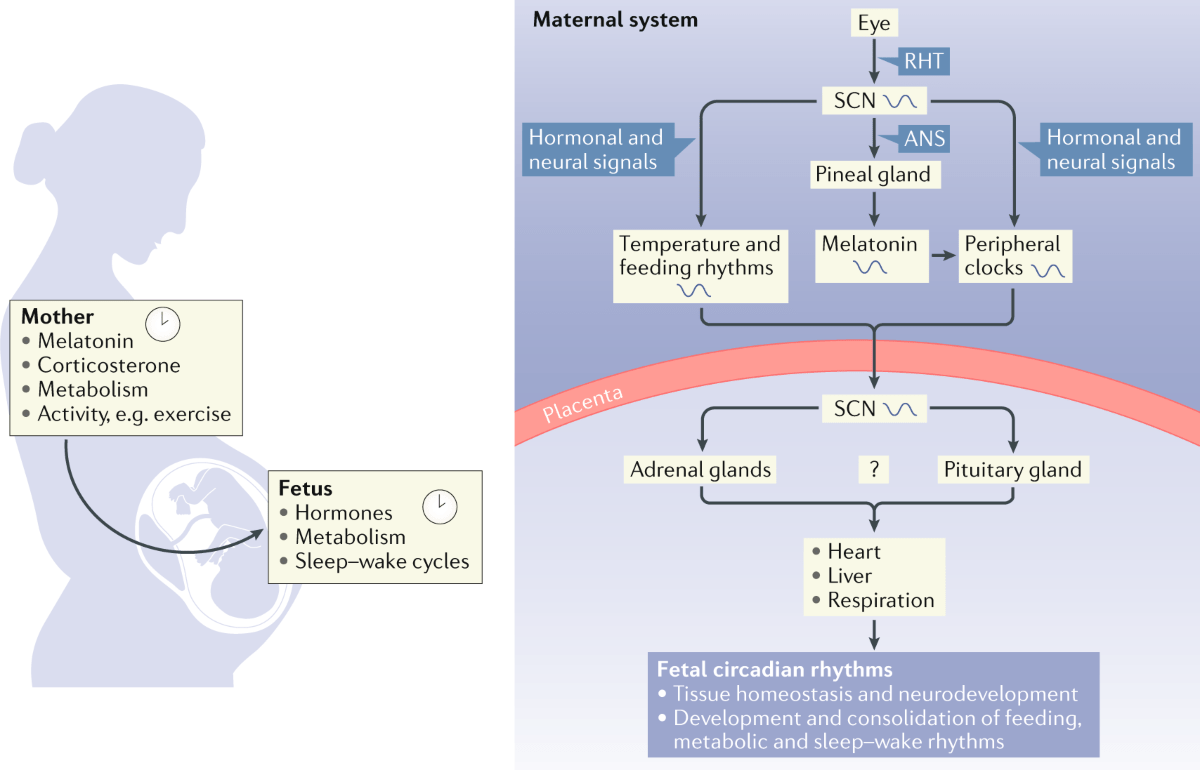
If you find yourself struggling to fall asleep at night or stay awake during the day, you might be experiencing a circadian rhythm disorder. Your body’s internal clock, also known as your circadian rhythm, plays a crucial role in regulating your sleep-wake cycle. When this rhythm is disrupted, it can lead to various sleep problems, including sleep paralysis.
Types of Circadian Rhythm Disorders
There are several types of circadian rhythm disorders, each with its own unique symptoms and causes. Some common types include:
Delayed Sleep Phase Syndrome
This disorder, also known as DSPS, occurs when your natural sleep-wake cycle is delayed by two or more hours. It often affects teenagers and young adults, causing them to have difficulty falling asleep at night and waking up in the morning.
Advanced Sleep Phase Syndrome
On the other end of the spectrum is advanced sleep phase syndrome, in which individuals go to bed and wake up earlier than desired. This disorder is more common in older adults and can result in early evening fatigue and early morning awakenings.
Non-24-Hour Sleep-Wake Disorder
Non-24-hour sleep-wake disorder is characterized by a circadian rhythm that exceeds the typical 24-hour day, causing individuals to fall asleep and wake up later each day. This disorder is commonly seen in blind individuals whose internal clocks are not entrained by light.
Shift Work Sleep Disorder
Shift work sleep disorder occurs when individuals work non-traditional hours that disrupt their sleep-wake cycle. This disorder is common among shift workers, such as nurses, doctors, and factory workers, who have to work during the night or early morning hours.
Symptoms of Circadian Rhythm Disorders
The symptoms of circadian rhythm disorders can vary depending on the type of disorder and its severity. However, some common symptoms include:
- Difficulty falling asleep at night
- Excessive daytime sleepiness
- Insomnia or trouble staying asleep
- Irritability and mood swings
- Difficulty concentrating and focusing
If you are experiencing any of these symptoms, it is essential to consult with a healthcare professional to determine the underlying cause of your sleep problems.
How Circadian Rhythm Disorders Impact Sleep Paralysis
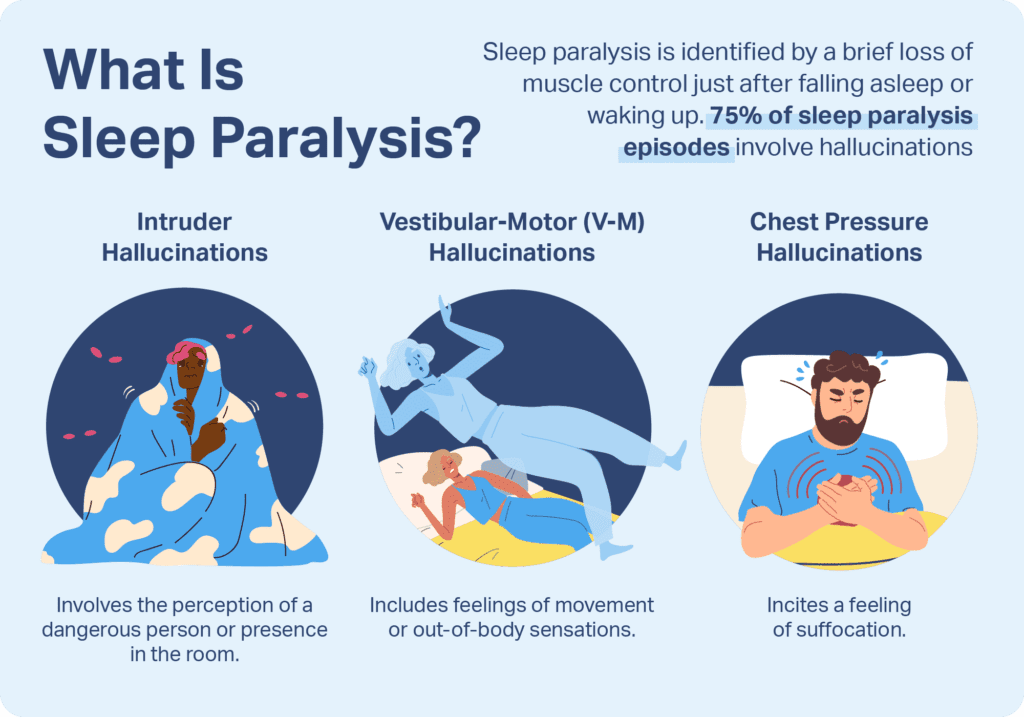
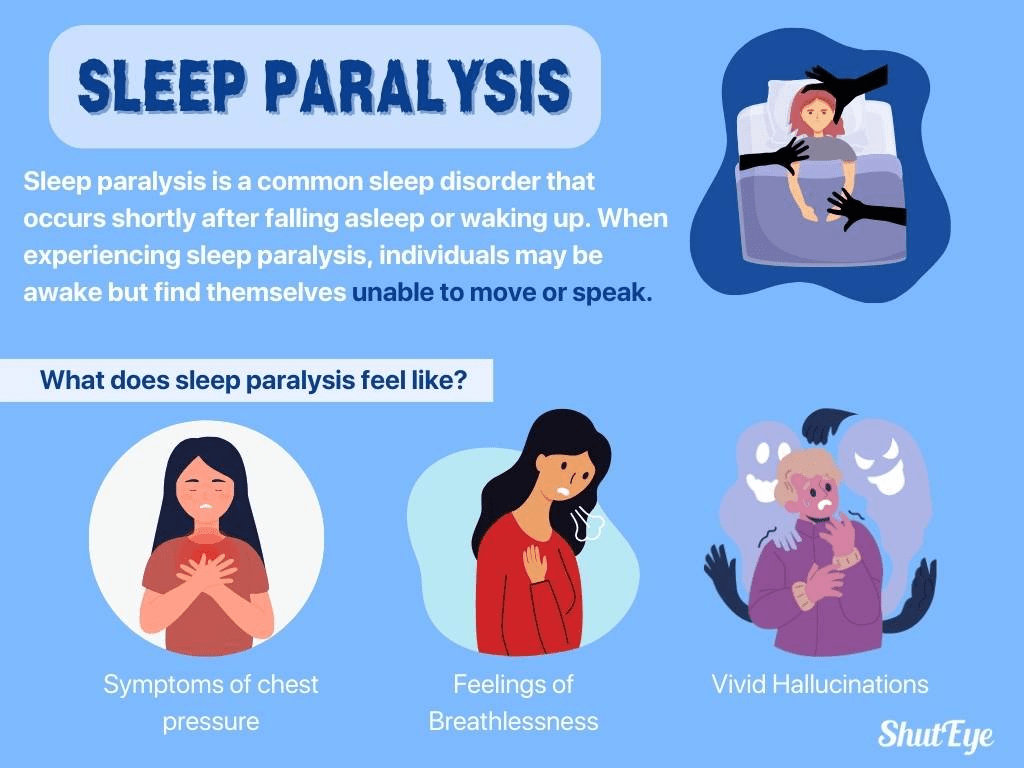
Sleep paralysis is a phenomenon in which an individual is temporarily unable to move or speak while falling asleep or waking up. It is often accompanied by vivid hallucinations and a feeling of pressure on the chest. Circadian rhythm disorders can play a significant role in the development of sleep paralysis, as disruptions in the body’s internal clock can lead to irregular sleep patterns and increased vulnerability to sleep paralysis episodes.
The Connection Between Delayed Sleep Phase Syndrome and Sleep Paralysis
Individuals with delayed sleep phase syndrome often have difficulty falling asleep at night, leading to a delayed bedtime. As a result, they may experience episodes of sleep paralysis during the transition between wakefulness and sleep. The disrupted circadian rhythm in individuals with DSPS can contribute to the occurrence of sleep paralysis, as the body struggles to maintain a regular sleep-wake cycle.
Advanced Sleep Phase Syndrome and Sleep Paralysis Episodes
Individuals with advanced sleep phase syndrome may go to bed early and wake up in the early morning hours. This disrupted sleep schedule can increase the likelihood of experiencing sleep paralysis episodes during the transition from sleep to wakefulness. The altered circadian rhythm in individuals with ASPS can make them more susceptible to the phenomenon of sleep paralysis, as their internal clock is out of sync with their desired sleep schedule.
Non-24-Hour Sleep-Wake Disorder and Sleep Paralysis
In individuals with non-24-hour sleep-wake disorder, the circadian rhythm exceeds the typical 24-hour day, causing them to fall asleep and wake up later each day. This irregular sleep cycle can lead to disruptions in the REM sleep stage, where most sleep paralysis episodes occur. The mismatch between the body’s internal clock and the external environment can increase the risk of experiencing sleep paralysis in individuals with this disorder.
Shift Work Sleep Disorder and Sleep Paralysis Occurrences
Shift work sleep disorder affects individuals who work non-traditional hours, such as night shifts or early morning shifts. This disruption in the sleep-wake cycle can lead to irregular sleep patterns and reduced quality of sleep, increasing the likelihood of experiencing sleep paralysis episodes. The constant changes in work schedules and sleep routines can further exacerbate the risk of sleep paralysis in individuals with this disorder.
Managing Circadian Rhythm Disorders to Reduce Sleep Paralysis
While circadian rhythm disorders can contribute to the occurrence of sleep paralysis, there are several strategies you can implement to manage these disorders and reduce the likelihood of experiencing sleep paralysis episodes:
Establish a Consistent Sleep Schedule
Maintaining a regular sleep-wake cycle can help synchronize your circadian rhythm and improve the quality of your sleep. Try to go to bed and wake up at the same time each day, even on weekends, to regulate your internal clock and reduce the risk of sleep paralysis episodes.
Create a Sleep-Inducing Environment
Creating a sleep-friendly environment can help promote relaxation and prepare your body for sleep. Keep your bedroom dark, quiet, and cool to enhance the quality of your sleep and reduce disturbances that can contribute to circadian rhythm disruptions and sleep paralysis episodes.
Limit Exposure to Light at Night
Exposure to artificial light at night can disrupt your circadian rhythm and make it difficult to fall asleep. Limit your exposure to electronic devices, such as smartphones and computers, before bedtime to minimize the impact of light on your internal clock and improve your sleep quality.
Seek Professional Help
If you are struggling to manage your circadian rhythm disorder or experiencing frequent sleep paralysis episodes, it is essential to seek help from a healthcare professional. A sleep specialist can provide you with personalized treatment options, such as light therapy or medication, to regulate your circadian rhythm and reduce the occurrence of sleep paralysis.
Conclusion
Understanding the role of circadian rhythm disorders in sleep paralysis can help you identify the underlying causes of your sleep problems and develop effective strategies to manage them. By addressing disruptions in your internal clock and establishing healthy sleep habits, you can reduce the likelihood of experiencing sleep paralysis episodes and improve the quality of your sleep. Consult with a healthcare professional if you are struggling to manage your sleep problems or have concerns about your circadian rhythm disorder.