Imagine waking up in the middle of the night, unable to move your body, while terrifying hallucinations envelop your room. This is the reality of living with sleep paralysis, a condition that affects millions around the world. In this article, you will hear a personal account of someone who has experienced this phenomenon firsthand. Explore the challenges, the misconceptions, and the triumphs of breaking the stigma surrounding sleep paralysis, as we shed light on a hidden struggle that many face silently.
Understanding Sleep Paralysis
Definition and Explanation
Sleep paralysis is a phenomenon that occurs during the transition between wakefulness and sleep, where the individual is temporarily unable to move or speak. It is often accompanied by a feeling of pressure on the chest and a sense of impending doom. During this state, the person may also experience hallucinations, which can be vivid and terrifying. Sleep paralysis typically lasts for a few seconds to a couple of minutes, but can feel much longer to those experiencing it.
Causes
The exact cause of sleep paralysis is not fully understood, but it is believed to be related to disruptions in the sleep cycle. Sleep paralysis often occurs during the REM (rapid eye movement) stage of sleep, when dreaming takes place. During this stage, the brain sends signals to temporarily paralyze the muscles, which is known as REM atonia. In cases of sleep paralysis, this paralysis continues even after waking up, leaving the individual unable to move.
Various factors can contribute to the occurrence of sleep paralysis. Sleep deprivation, irregular sleep patterns, and insomnia have been identified as potential triggers. Additionally, stress, anxiety, and certain medications or substances can increase the likelihood of experiencing sleep paralysis.
Symptoms and Experiences
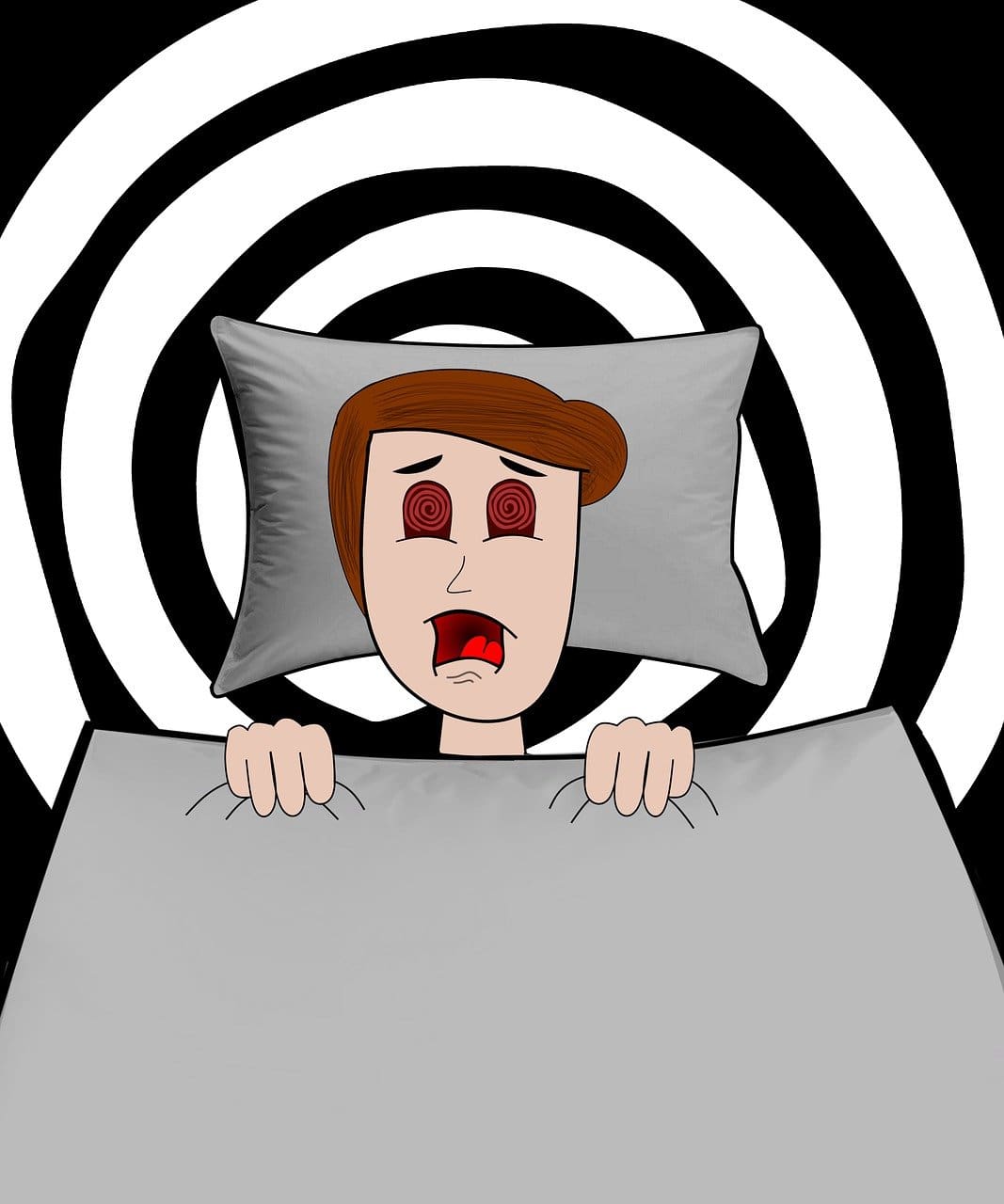
The most prominent symptom of sleep paralysis is the inability to move or speak, despite being fully aware of one’s surroundings. Many individuals report a sense of pressure on the chest, making breathing difficult. This sensation can be quite distressing and lead to feelings of panic and fear.
Hallucinations are also commonly experienced during episodes of sleep paralysis. These hallucinations can take on various forms, from seeing shadowy figures to hearing strange noises or voices. These experiences can be extremely vivid and realistic, causing intense fear and a sense of impending danger.
It is important to note that while sleep paralysis can be a frightening experience, it is not inherently harmful. The temporary nature of sleep paralysis and the knowledge that it will eventually end can provide some comfort to those who experience it.
Diagnosis and Misdiagnosis
Medical Professionals’ Perspective
Diagnosing sleep paralysis can be challenging for medical professionals due to its subjective nature. Since it only occurs intermittently and most commonly during the night, it is difficult to capture and observe. Medical professionals often rely on the individual’s description of the symptoms and experiences to make a diagnosis.
Challenges in Accurate Diagnosis
One of the primary challenges in accurately diagnosing sleep paralysis is its resemblance to other sleep disorders, such as narcolepsy or sleep apnea. Sleep paralysis can also be mistaken for psychiatric conditions, such as panic disorder or hallucinogenic drug-induced experiences. It is crucial for medical professionals to thoroughly evaluate the individual’s medical history and conduct a comprehensive sleep study to rule out any underlying conditions.
Common Misdiagnoses
Sleep paralysis is frequently misdiagnosed or overlooked, leading to frustration and confusion for those experiencing it. Many individuals report being misdiagnosed with mental health conditions, such as anxiety or psychosis, due to the hallucinatory nature of their experiences. Educating medical professionals about the specific symptoms and characteristics of sleep paralysis is crucial to prevent misdiagnosis and ensure appropriate treatment.
Living with Sleep Paralysis
Daily Impact on Life
Living with sleep paralysis can significantly impact an individual’s daily life. The fear of experiencing another episode of sleep paralysis can disrupt sleep patterns and lead to chronic sleep deprivation. This, in turn, can affect overall well-being, cognitive function, and mental health.
The fear and anxiety associated with sleep paralysis can also spill over into daytime activities, making it difficult to focus, concentrate, and perform daily tasks. The constant worry about when the next episode will occur can create a sense of anticipatory anxiety, further exacerbating the emotional toll of sleep paralysis.
Managing Anxiety and Fear
Managing anxiety and fear related to sleep paralysis is crucial for improving overall well-being. Developing relaxation techniques, such as deep breathing exercises or mindfulness meditation, can help individuals cope with anxiety and reduce the likelihood of triggering an episode. Creating a calming bedtime routine and maintaining a consistent sleep schedule can also promote better sleep quality and reduce the frequency of sleep paralysis episodes.
Support Systems and Coping Mechanisms
Building a strong support system is essential for individuals living with sleep paralysis. Connecting with others who have similar experiences, either through support groups or online communities, can provide a sense of validation, understanding, and reassurance. Sharing experiences and coping strategies can help individuals feel less isolated and more equipped to manage their symptoms.
Additionally, seeking therapy from a mental health professional can be beneficial in addressing the emotional impact of sleep paralysis. Cognitive-behavioral therapy (CBT) techniques can help individuals challenge negative thought patterns and develop healthier coping mechanisms.
Educating Others
Spreading Awareness
Spreading awareness about sleep paralysis is crucial in combating the misinformation and misconceptions surrounding this sleep disorder. By educating others about its causes, symptoms, and experiences, we can help dispel common myths and reduce the stigma associated with sleep paralysis.
Raising awareness can be done in various ways, such as sharing personal stories, participating in community events, or collaborating with organizations that focus on sleep disorders. By sharing accurate information and personal experiences, we can help others understand the reality of sleep paralysis and provide support to those who may be suffering in silence.
Correcting Misconceptions
Sleep paralysis is often misunderstood, and many misconceptions contribute to the stigma surrounding this sleep disorder. It is important to address these misconceptions by providing accurate information and dispelling myths.
One common misconception is that sleep paralysis is a supernatural or paranormal phenomenon. By explaining the scientific basis of sleep paralysis and its association with the sleep cycle, we can help others understand that it is a natural occurrence that can be explained without resorting to supernatural explanations.
Supporting Others with Sleep Disorders
In addition to raising awareness about sleep paralysis, it is essential to support and uplift those who may be experiencing other sleep disorders. By sharing resources, offering a listening ear, and advocating for better access to healthcare and treatment options, we can contribute to a more understanding and empathetic society. Recognizing the interconnectedness of various sleep disorders helps create a supportive community for individuals seeking validation and assistance.

Breakthroughs in Research
Current Studies and Findings
Ongoing research into sleep paralysis has shed light on its underlying mechanisms and potential treatment approaches. Scientists are using advanced imaging techniques, such as functional magnetic resonance imaging (fMRI), to better understand the brain activity and neural pathways involved in sleep paralysis.
Recent studies have also explored the role of genetic factors in predisposing individuals to sleep paralysis. Understanding the genetic basis of sleep paralysis may help identify individuals who may be at a higher risk and develop targeted interventions and therapies.
Potential Treatments and Therapies
While there is no specific cure for sleep paralysis, several treatment options can help manage the symptoms and minimize the impact on daily life. Medications, such as selective serotonin reuptake inhibitors (SSRIs) or tricyclic antidepressants, can be prescribed to regulate sleep patterns and reduce the frequency of sleep paralysis episodes.
In addition to medication, cognitive-behavioral therapy (CBT) has shown promising results in managing the psychological impact of sleep paralysis. By addressing negative thought patterns and teaching coping strategies, CBT can empower individuals to regain control over their emotions and reduce anxiety and fear related to sleep paralysis.
Hope for the Future
The advancements in sleep paralysis research offer hope for improved diagnosis, treatment, and understanding of this sleep disorder. Continued research and collaboration among scientists, medical professionals, and individuals living with sleep paralysis can lead to breakthroughs in understanding the underlying causes and developing targeted interventions. With increased awareness and support, the stigma surrounding sleep paralysis can be further reduced, ultimately improving the lives of those affected by this condition.
Sharing My Story
Personal Experience with Sleep Paralysis
As someone who has lived with sleep paralysis for years, I understand the fear and confusion that can accompany this condition. The first time I experienced sleep paralysis, I was terrified and had no idea what was happening to me. The inability to move, the weight on my chest, and the vivid hallucinations left me feeling helpless and overwhelmed.
Overcoming Stigma and Shame
For a long time, I kept my experiences with sleep paralysis to myself, fearing judgment and disbelief from others. The stigma surrounding sleep disorders made it difficult for me to find support and understanding. However, through educating myself and connecting with others who shared similar experiences, I learned that I was not alone and that my experiences were valid.
Overcoming the stigma and shame associated with sleep paralysis allowed me to open up about my experiences and seek the support I needed. By sharing my story, I hope to empower others to do the same, fostering a sense of community and understanding.
Empowering Others to Share
By sharing my story and educating others about sleep paralysis, I hope to empower individuals who may be living with this condition in silence. It is essential to create a safe space for individuals to share their experiences, seek support, and access resources. Together, we can break the stigma surrounding sleep paralysis and create a more inclusive and supportive environment for all.