

Have you ever experienced that unsettling feeling of being awake but unable to move? It’s a phenomenon known as sleep paralysis, and it can be a frightening experience. In this article, we will explore the various symptoms of sleep paralysis and shed light on this mysterious condition. From the sensation of pressure on your chest to hallucinations and a sense of impending doom, understanding these symptoms can help demystify the experience and offer comfort to those who suffer from it. So, let’s dive into the world of sleep paralysis and uncover its symptoms together.
Symptoms of Sleep Paralysis
Sleep paralysis is a phenomenon that can be incredibly frightening and disorienting. While it is not harmful in itself, experiencing sleep paralysis can be a distressing experience. Understanding the symptoms of sleep paralysis can help you identify when you are going through an episode and provide reassurance that what you are experiencing is not uncommon.
Hallucinations
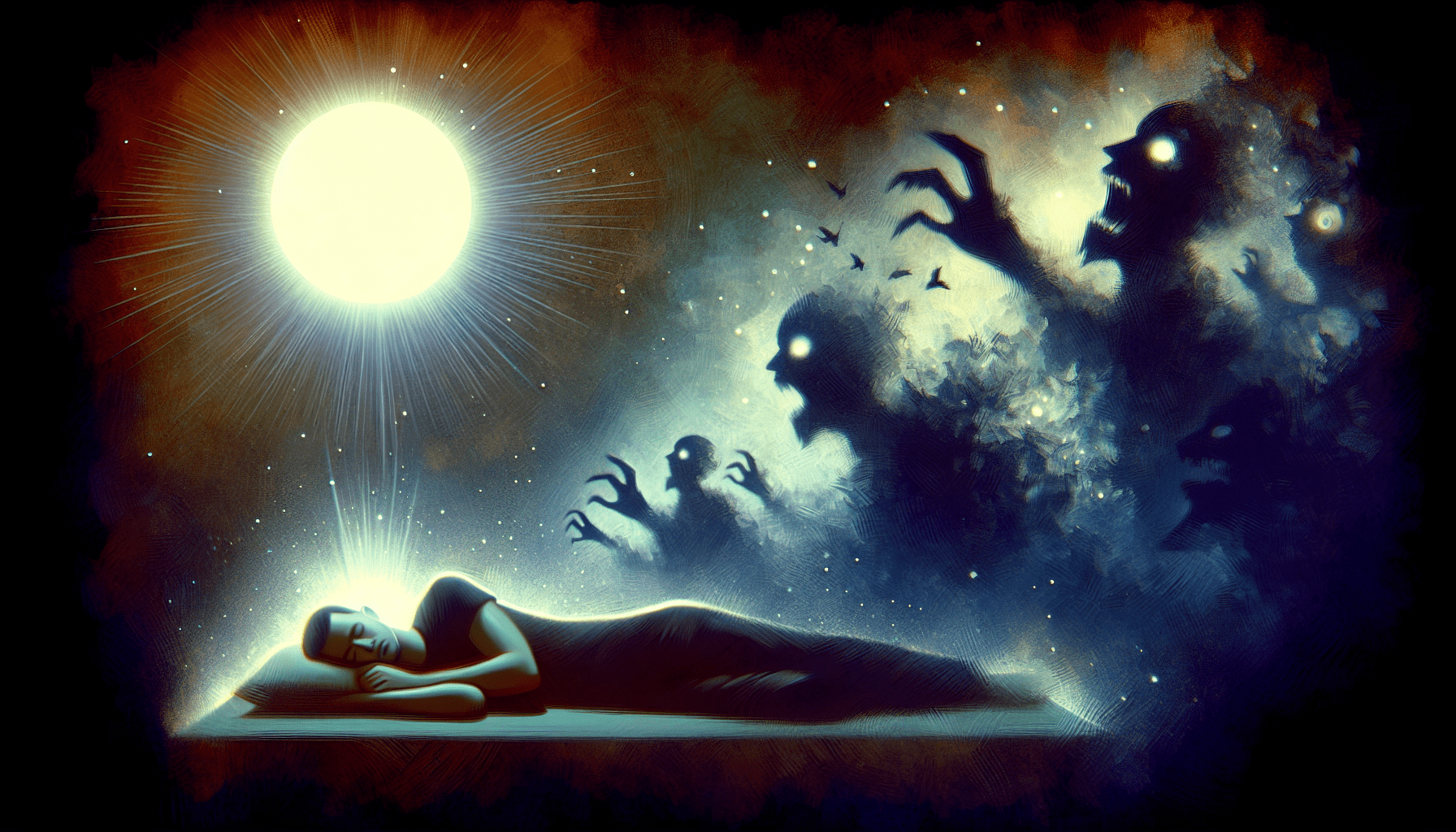
One of the most common symptoms of sleep paralysis is hallucinations. These hallucinations can take various forms, such as seeing shadowy figures or vivid dream-like images. They are often accompanied by a feeling of intense fear and dread. These hallucinations can be so realistic that it becomes challenging to distinguish them from reality.
Inability to Move
Another prevalent symptom of sleep paralysis is the inability to move. During an episode, your brain wakes up, but your body remains in a state of paralysis. This paralysis is known as atonia and is a natural part of the sleep cycle. However, when it persists upon waking, individuals may feel a sense of helplessness and frustration as they struggle to move their limbs or speak.
Feeling of Pressure on Chest
Many individuals who experience sleep paralysis report feeling a heavy pressure on their chest. This sensation can be incredibly uncomfortable and can contribute to a sense of panic during an episode. It is important to remember that this pressure is not caused by any physical force but is rather a result of the body’s own response to the experience.
Fear and Anxiety
Feelings of fear and anxiety are frequently associated with sleep paralysis. The combination of the hallucinations, paralysis, and pressure on the chest can create a significant amount of stress and unease. It is not uncommon for individuals to experience intense panic during an episode, especially if they are unfamiliar with what is happening to them.
Rapid Heartbeat
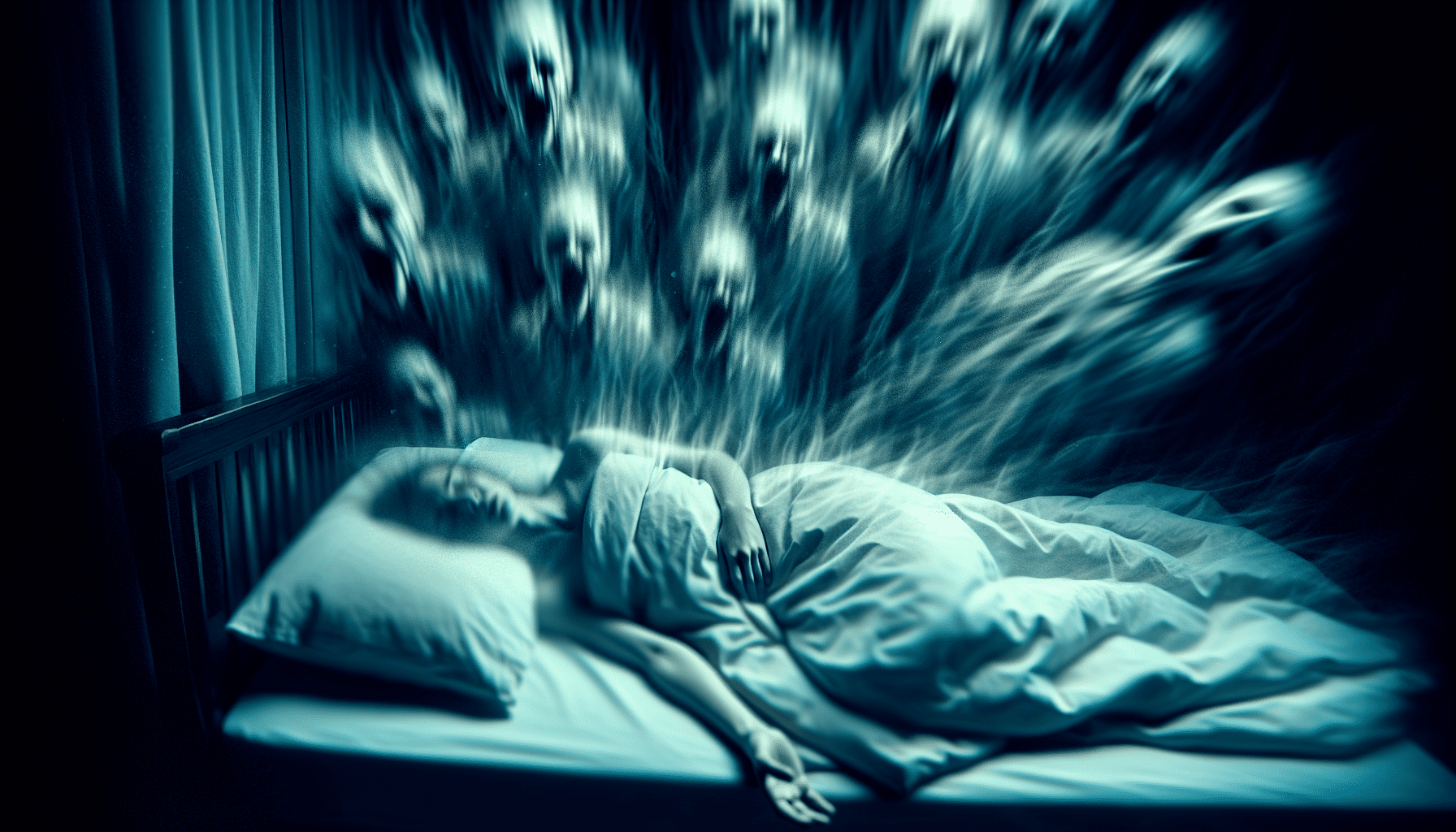
A rapid heartbeat is a physiological response that often accompanies episodes of sleep paralysis. The fear and anxiety generated by the experience can cause the heart to race, leading to an increased heart rate. This heightened level of arousal can further intensify the feelings of panic and distress.
Sensation of Being Watched
Many individuals who experience sleep paralysis report a strong sensation of being watched or observed. This feeling of being monitored can contribute to a sense of vulnerability and unease. While this sensation is not based on any tangible evidence, it is important to remember that it is a common symptom of sleep paralysis and does not indicate any external threat.
Difficulty Breathing
Some individuals may experience difficulty breathing during an episode of sleep paralysis. This sensation can be incredibly distressing and contribute to feelings of panic. It is crucial to remember that despite the sensation, your breathing is not actually impaired. This symptom is a result of the heightened state of anxiety and panic that can occur during an episode.
Sweating and Trembling
Sweating and trembling are physical responses that can accompany sleep paralysis. The body’s natural fight or flight response is activated during an episode, leading to these physical manifestations of fear and anxiety. While they may be uncomfortable, they are temporary and subside once the episode is over.
Isolated Sleep Paralysis
Isolated sleep paralysis refers to experiencing an episode of sleep paralysis only once or on rare occasions. It is relatively common and typically not a cause for concern. Isolated sleep paralysis can occur due to factors such as sleep deprivation, irregular sleep patterns, or sleeping in an uncomfortable position.
Recurrent Sleep Paralysis
Recurrent sleep paralysis is characterized by experiencing episodes of sleep paralysis frequently and on a regular basis. This can be a more distressing form of sleep paralysis, as individuals may feel a constant sense of fear and anxiety. Recurrent sleep paralysis has been associated with underlying sleep disorders, such as narcolepsy, and may require medical attention for proper diagnosis and treatment.
In conclusion, understanding the symptoms of sleep paralysis can help demystify the experience and provide reassurance that what you are going through is not uncommon. From hallucinations and the inability to move to the sensation of pressure on the chest and feelings of fear and anxiety, sleep paralysis can be a distressing phenomenon. By familiarizing yourself with these symptoms, you can better manage and cope with sleep paralysis episodes should they occur. Remember, if you experience recurrent sleep paralysis or if it significantly impacts your daily life, it is important to consult with a healthcare professional for further evaluation and guidance.