
Sleep paralysis episodes can be frightening and overwhelming, but there are effective ways to manage these experiences. Whether you have experienced sleep paralysis before or are seeking preventative measures, this article will provide you with the top strategies to help you navigate these episodes and find relief. From establishing a consistent sleep routine to implementing relaxation techniques, you will discover practical tips to empower you during these occurrences.

1. Establishing a Consistent Sleep Schedule
To manage sleep paralysis episodes, the first step is to establish a consistent sleep schedule. This means setting a regular bedtime and waking up at the same time every day, even on weekends. By sticking to a consistent sleep routine, you are training your body to expect rest at a certain time, which can help regulate your sleep patterns and reduce the likelihood of experiencing sleep paralysis. Additionally, it is important to avoid napping during the day, as this can disrupt your sleep cycle and make it more difficult to fall asleep at night.
2. Creating a Relaxing Sleep Environment
Creating a relaxing sleep environment is essential for managing sleep paralysis episodes. Start by keeping your bedroom dark and cool, as these conditions promote a more restful sleep. Consider using blackout curtains or blinds to block out any external light sources that may interfere with your sleep. Additionally, invest in comfortable and supportive bedding that suits your preferences. This can include pillows, blankets, and a mattress that provide adequate support and comfort. Lastly, eliminate noise and distractions from your bedroom by using earplugs, a white noise machine, or even a fan to create a soothing atmosphere.
3. Practicing Relaxation Techniques Before Bed
Incorporating relaxation techniques into your bedtime routine can greatly help in managing sleep paralysis episodes. Deep breathing exercises are a simple yet effective way to relax your body and calm your mind before sleep. By focusing on your breath, inhaling deeply through your nose and exhaling slowly through your mouth, you can release tension and promote a sense of relaxation. Another technique is progressive muscle relaxation, where you systematically tense and then relax each muscle group in your body. This helps relieve physical tension and promotes a state of relaxation. Additionally, meditation or mindfulness practices can be beneficial in clearing your mind before bed, allowing you to enter sleep more peacefully.
4. Avoiding Stimulants and Substances
To manage sleep paralysis episodes, it is important to limit or avoid the consumption of stimulants and substances that can interfere with your sleep. Caffeine, found in coffee, tea, soda, and chocolate, is a well-known stimulant that can disrupt your sleep cycle. Limiting your caffeine intake, especially in the afternoon and evening, can prevent sleep disturbances and reduce the chances of experiencing sleep paralysis. Similarly, nicotine and alcohol should also be avoided close to bedtime, as nicotine is a stimulant and alcohol can interrupt the sleep cycle. Lastly, steering clear of heavy meals before bedtime can prevent indigestion and discomfort that may interfere with your sleep.

5. Promoting a Healthy Lifestyle
Maintaining a healthy lifestyle is crucial in managing sleep paralysis episodes. Regular exercise can help improve the quality of your sleep and alleviate stress, both of which can contribute to sleep paralysis. Engaging in physical activity, such as jogging, swimming, or yoga, releases endorphins that promote relaxation and help regulate your sleep-wake cycle. Additionally, a balanced diet plays a significant role in promoting healthy sleep. Avoiding heavy, greasy, or spicy foods before bed can prevent indigestion and promote a more comfortable sleep. Lastly, maintaining a healthy weight through proper nutrition and exercise can reduce the risk of sleep-related disorders, including sleep paralysis.
6. Improving Sleep Hygiene
Sleep hygiene encompasses various habits and practices that can improve the quality of your sleep and reduce the likelihood of sleep paralysis episodes. Limiting exposure to electronic devices, such as smartphones, tablets, and computers, before bed is essential. The blue light emitted by these devices can suppress the production of melatonin, the hormone that regulates sleep, making it more challenging to fall asleep. Establishing a bedtime routine, such as taking a warm bath, reading a book, or practicing relaxation techniques, signals your body that it’s time to wind down and prepare for sleep. Additionally, making your bedroom a sleep-only space can help condition your mind to associate your bed with restful sleep, rather than wakefulness or activity.
7. Seeking Professional Help
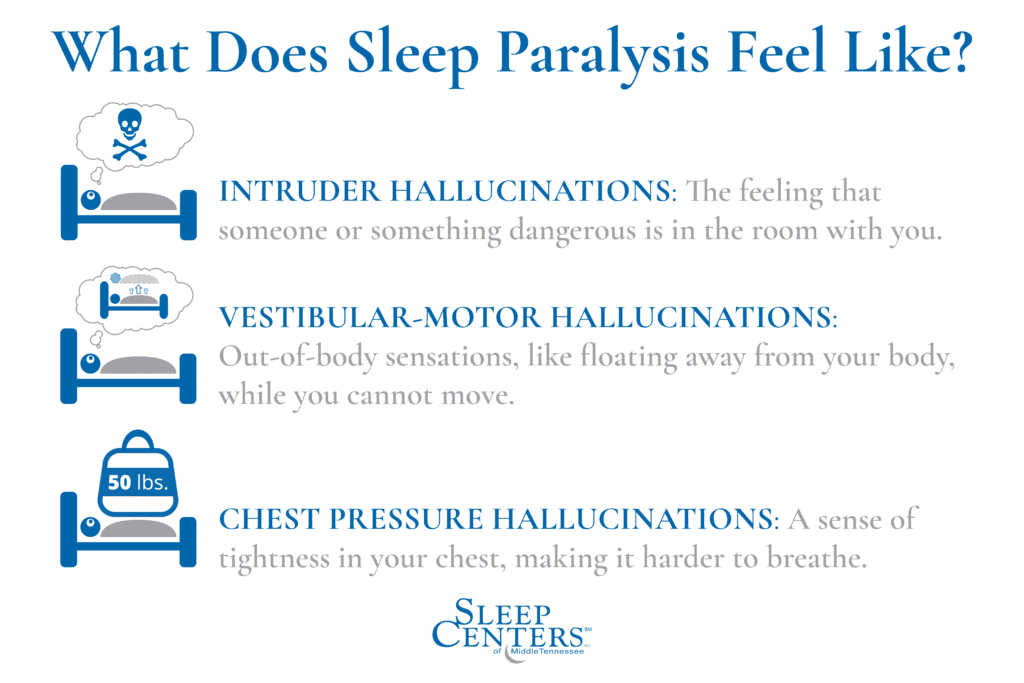
If sleep paralysis episodes persist despite implementing self-help strategies, it may be beneficial to consult a sleep specialist. Sleep specialists are trained medical professionals who can assess your specific sleep issues and provide tailored recommendations or treatments. They may suggest the use of cognitive-behavioral therapy (CBT) to address any underlying psychological factors contributing to sleep paralysis. CBT aims to modify unhealthy thoughts and behaviors and promote healthier sleep patterns. In some cases, medication options, such as anti-anxiety medications or antidepressants, may be considered. However, these should only be prescribed and monitored by a qualified healthcare professional.
8. Staying Calm During Episodes
During a sleep paralysis episode, it is essential to stay calm and avoid panicking. Although it can be a frightening experience, panicking can exacerbate the symptoms and prolong the episode. Instead, focus on slow, controlled breathing to help relax your body and mind. Taking deep breaths and counting your breaths can divert your attention from the episode and promote a sense of calm. Additionally, attempting to move small muscle groups, such as your fingers or toes, can help break the state of paralysis. While it may feel challenging, concentrating on positive thoughts and reminding yourself that the episode will pass can also aid in managing the experience.
9. Exploring Lucid Dreaming Techniques
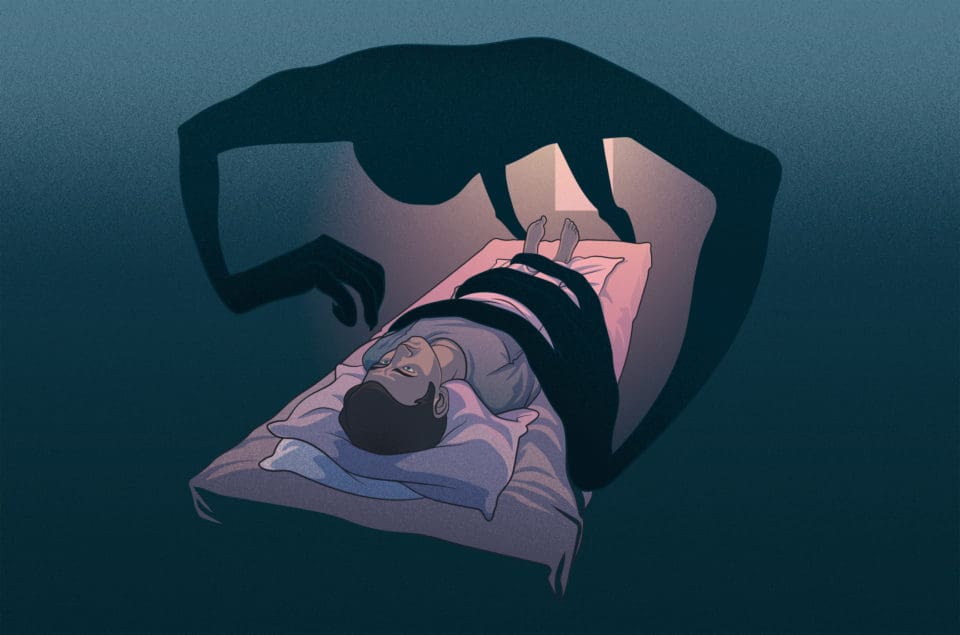
Lucid dreaming techniques involve becoming aware that you are dreaming while still in the dream state. While this may not directly prevent sleep paralysis episodes, it can provide a sense of control and reduce fear associated with the experience. Practicing reality checks throughout the day, such as questioning whether you are dreaming or awake, can increase your likelihood of realizing you are dreaming during sleep paralysis episodes. Keeping a dream journal and recording your dreams can also help you become more aware of your dreaming state, making it easier to recognize when you are experiencing sleep paralysis. Engaging in mindfulness and staying present throughout your waking hours can further enhance your ability to recognize and control your dreams.
10. Building a Support System
Managing sleep paralysis episodes can be challenging on your own, which is why it is important to build a support system. Sharing your experiences with trusted friends or family members can provide emotional support and reassurance. They may offer helpful suggestions or simply be there to lend an understanding ear. Additionally, joining online support groups or forums dedicated to sleep paralysis can connect you with others who have similar experiences. These communities can provide a sense of validation, as well as a platform to exchange coping strategies and learn from others’ experiences. If needed, consider participating in therapy or counseling to further explore and address any underlying psychological factors contributing to sleep paralysis.
