What Are The Different Cultural Beliefs About Sleep Paralysis?
Have you ever woken up in the middle of the night unable to move, with a heavy weight on your chest, and a feeling of being watched? If so, you may have experienced sleep paralysis. This phenomenon is extremely common and has been experienced and interpreted differently by various cultures throughout history. Let’s delve into the different cultural beliefs about sleep paralysis and how they have shaped our understanding of this mysterious experience.
Understanding Sleep Paralysis
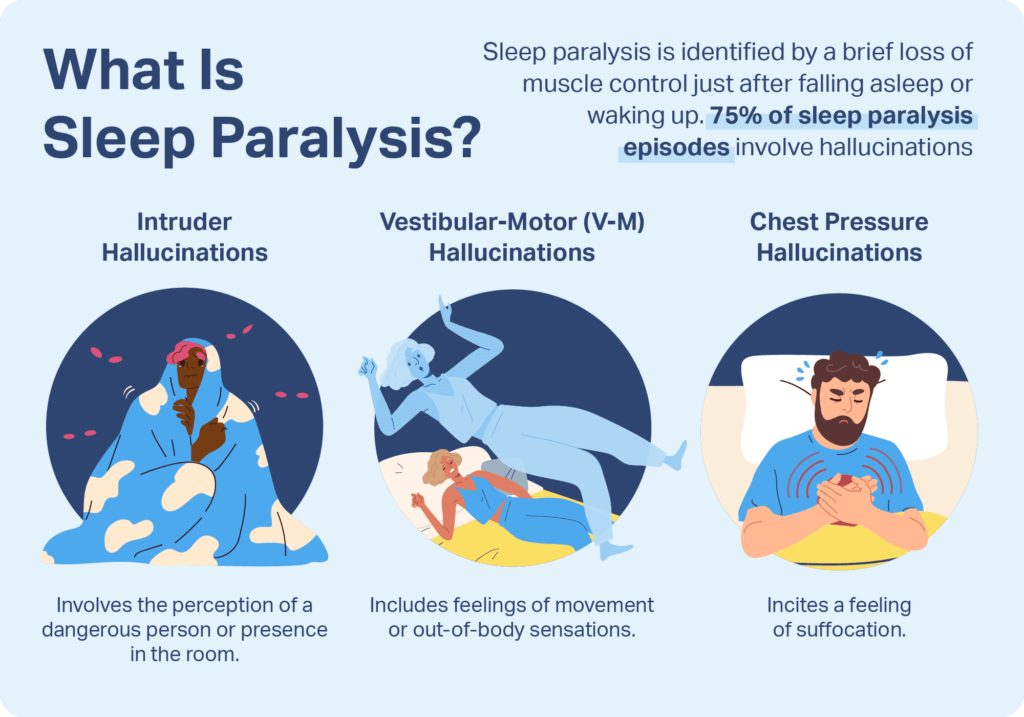
Before we get into the cultural beliefs surrounding sleep paralysis, let’s first understand what it is. Sleep paralysis is a phenomenon that occurs when a person finds themselves awake but unable to move or speak. It often happens when falling asleep or waking up and is usually accompanied by hallucinations and a feeling of pressure on the chest. While it can be a frightening experience, it is not harmful and typically only lasts a few minutes.
The Science Behind Sleep Paralysis
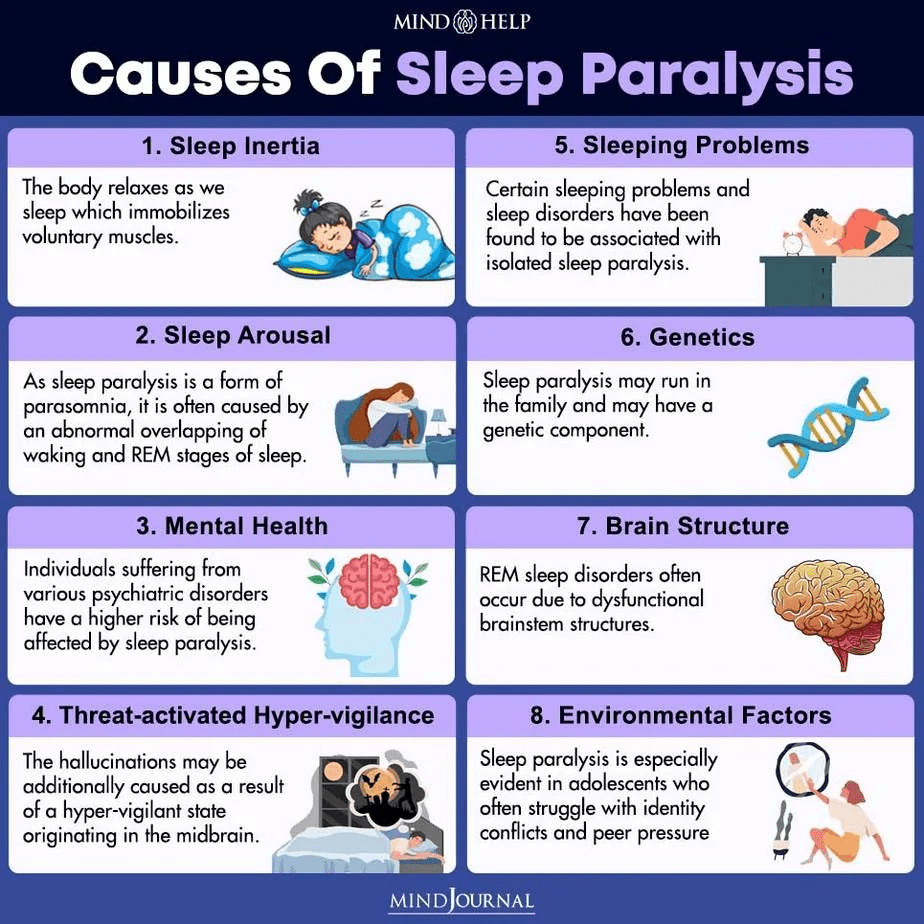
From a scientific perspective, sleep paralysis occurs during the transition between REM (rapid eye movement) sleep and wakefulness. During REM sleep, our bodies are essentially paralyzed to prevent us from acting out our dreams. Sometimes, when we wake up abruptly, the brain can still be in a state of paralysis, leading to the sensation of being unable to move.
Understanding the scientific explanation behind sleep paralysis can help us separate the physical experience from the cultural interpretations that have been attached to it over the years.
Cultural Beliefs About Sleep Paralysis
Now that we have a basic understanding of what sleep paralysis is, let’s explore the different cultural beliefs surrounding this phenomenon. Across various cultures, sleep paralysis has been interpreted in diverse ways, ranging from supernatural entities to spiritual experiences. These interpretations have been influenced by the beliefs, folklore, and traditions of each culture.
Western Cultures
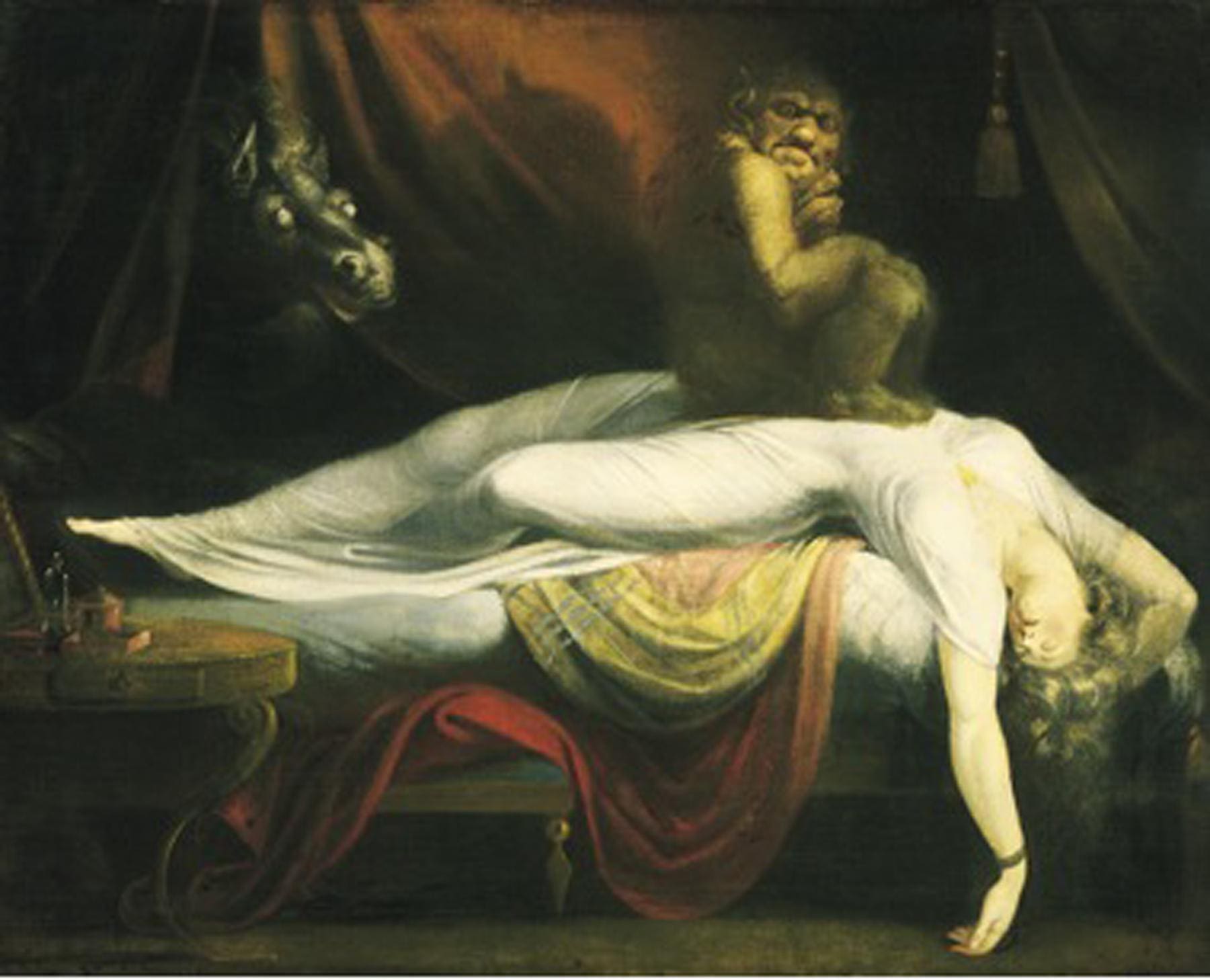
In Western cultures, sleep paralysis is often associated with supernatural entities such as demons or evil spirits. The feeling of pressure on the chest and the sensation of being watched are commonly interpreted as an attack by these malevolent beings. This belief has roots in medieval folklore and has been perpetuated through stories and legends over the centuries.
While Western culture tends to lean towards a more negative interpretation of sleep paralysis, there is also a psychological component to the experience. The feeling of fear and helplessness during an episode of sleep paralysis can be attributed to the brain’s heightened state of alertness when waking up abruptly. This sense of dread can manifest as the perception of a threatening presence in the room.
Eastern Cultures
In contrast to Western beliefs, Eastern cultures often view sleep paralysis as a spiritual experience or visitation from ancestors or guardian spirits. In many Asian cultures, sleep paralysis is seen as a connection to the spirit world or a sign that one’s ancestors are trying to communicate with them. It is believed that during these episodes, the veil between the physical and spiritual realms is lifted, allowing for otherworldly interactions.
The interpretation of sleep paralysis in Eastern cultures reflects a more positive and mystical understanding of the phenomenon. Rather than viewing it as a frightening encounter with malevolent forces, it is seen as an opportunity for spiritual growth and connection with the supernatural.
Indigenous Cultures
Indigenous cultures around the world also have unique beliefs and interpretations of sleep paralysis. In many native traditions, sleep paralysis is seen as a form of communication with the spirit world or a manifestation of one’s inner fears and anxieties. It is often viewed as a time for introspection and self-reflection, allowing individuals to confront their inner demons and overcome personal challenges.
The connection between sleep paralysis and the spirit world in indigenous cultures highlights the belief in the interconnectedness of all beings and the importance of maintaining harmony with the natural world. Rather than fearing the unknown, these cultures embrace the experience as a way to connect with their ancestors and the spiritual forces that guide their lives.
Coping with Sleep Paralysis
Regardless of cultural beliefs, experiencing sleep paralysis can be a frightening and disorienting experience. If you find yourself struggling with recurring episodes of sleep paralysis, there are several coping mechanisms you can try to help alleviate your symptoms and reduce the frequency of these episodes.
Establish a Consistent Sleep Routine
Maintaining a regular sleep schedule can help regulate your body’s sleep-wake cycle and reduce the likelihood of experiencing sleep paralysis. Try to go to bed and wake up at the same time each day, even on weekends, to establish a healthy sleep routine.
Create a Relaxing Sleep Environment
Creating a comfortable and relaxing sleep environment can help ease anxiety and promote better sleep. Keep your bedroom dark, quiet, and cool, and remove any distractions that may interfere with your ability to fall asleep peacefully.
Practice Stress-Relief Techniques
Stress and anxiety can exacerbate episodes of sleep paralysis, so it’s essential to practice stress-relief techniques to help calm your mind and body. Deep breathing, meditation, yoga, and mindfulness exercises can all be helpful in reducing stress and promoting relaxation before bedtime.
Seek Professional Help
If you’re struggling to cope with sleep paralysis or experiencing severe anxiety as a result of these episodes, don’t hesitate to seek professional help. A therapist or counselor can help you work through your fears and anxieties and develop coping strategies to manage your symptoms effectively.
Conclusion
Sleep paralysis is a fascinating and mysterious phenomenon that has been interpreted in various ways by different cultures around the world. While the experience itself may be unsettling, understanding the cultural beliefs surrounding sleep paralysis can help shed light on its significance and meaning in our lives. By exploring the diverse interpretations of this phenomenon, we can gain a deeper appreciation for the complex interplay between science, culture, and spirituality in shaping our understanding of the world around us.