

Sleep Paralysis: Myths vs Facts
Have you ever woken up unable to move or speak, feeling a heavy weight on your chest? This experience is known as sleep paralysis, a phenomenon that affects many people around the world. However, there are several myths and misconceptions surrounding sleep paralysis. Let’s debunk some of these myths and separate fact from fiction.
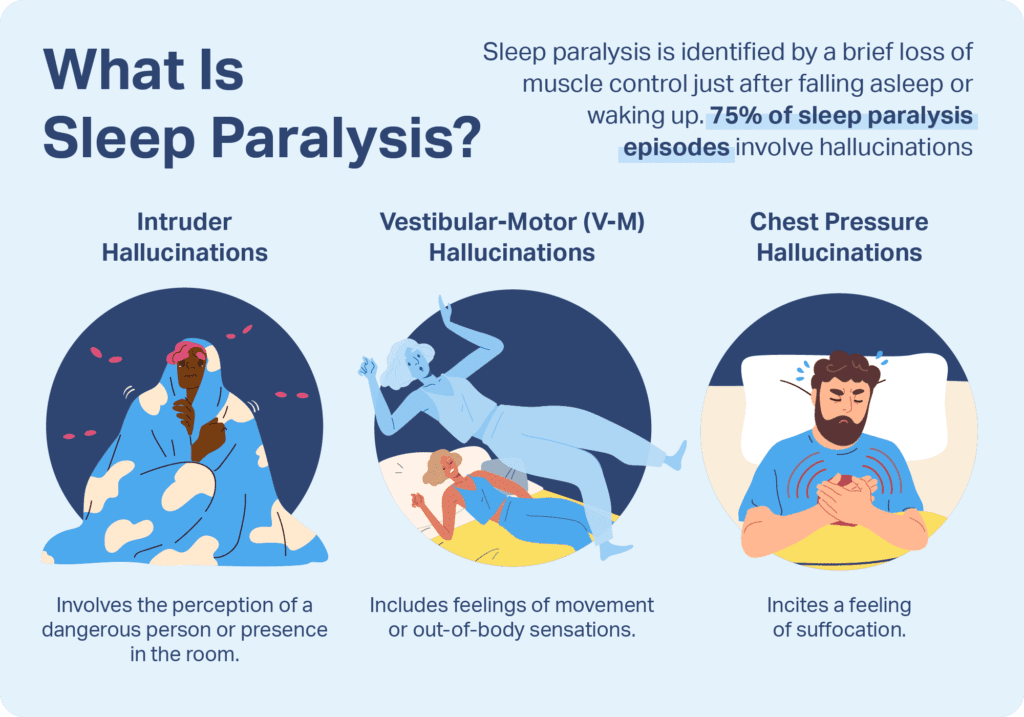
Myth: Sleep Paralysis is a Sign of a Paranormal Encounter
One common misconception about sleep paralysis is that it is a sign of paranormal activity. Some people believe that the feeling of being held down by an unseen force is evidence of a ghost, demon, or other supernatural entity. However, sleep paralysis is actually a natural occurrence that happens when your mind wakes up before your body does.
Fact: Sleep Paralysis is a Biological Phenomenon
Sleep paralysis occurs when you enter or exit the REM (rapid eye movement) stage of sleep, which is when most dreaming occurs. During this stage, your body is essentially paralyzed to prevent you from acting out your dreams. Sometimes, you may become aware of this paralysis before your body fully wakes up, leading to the sensation of being unable to move.
Myth: Sleep Paralysis is Harmful or Dangerous
Another popular myth about sleep paralysis is that it is harmful or dangerous to your health. Some people believe that experiencing sleep paralysis can have negative long-term effects on the body or mind. However, sleep paralysis itself is not harmful and does not pose any serious health risks.
Fact: Sleep Paralysis is a Common and Benign Condition
Sleep paralysis is actually quite common, with studies suggesting that up to 50% of people may experience it at least once in their lifetime. While it can be a frightening experience, especially if you are not familiar with it, sleep paralysis is generally harmless and does not indicate any underlying medical conditions.
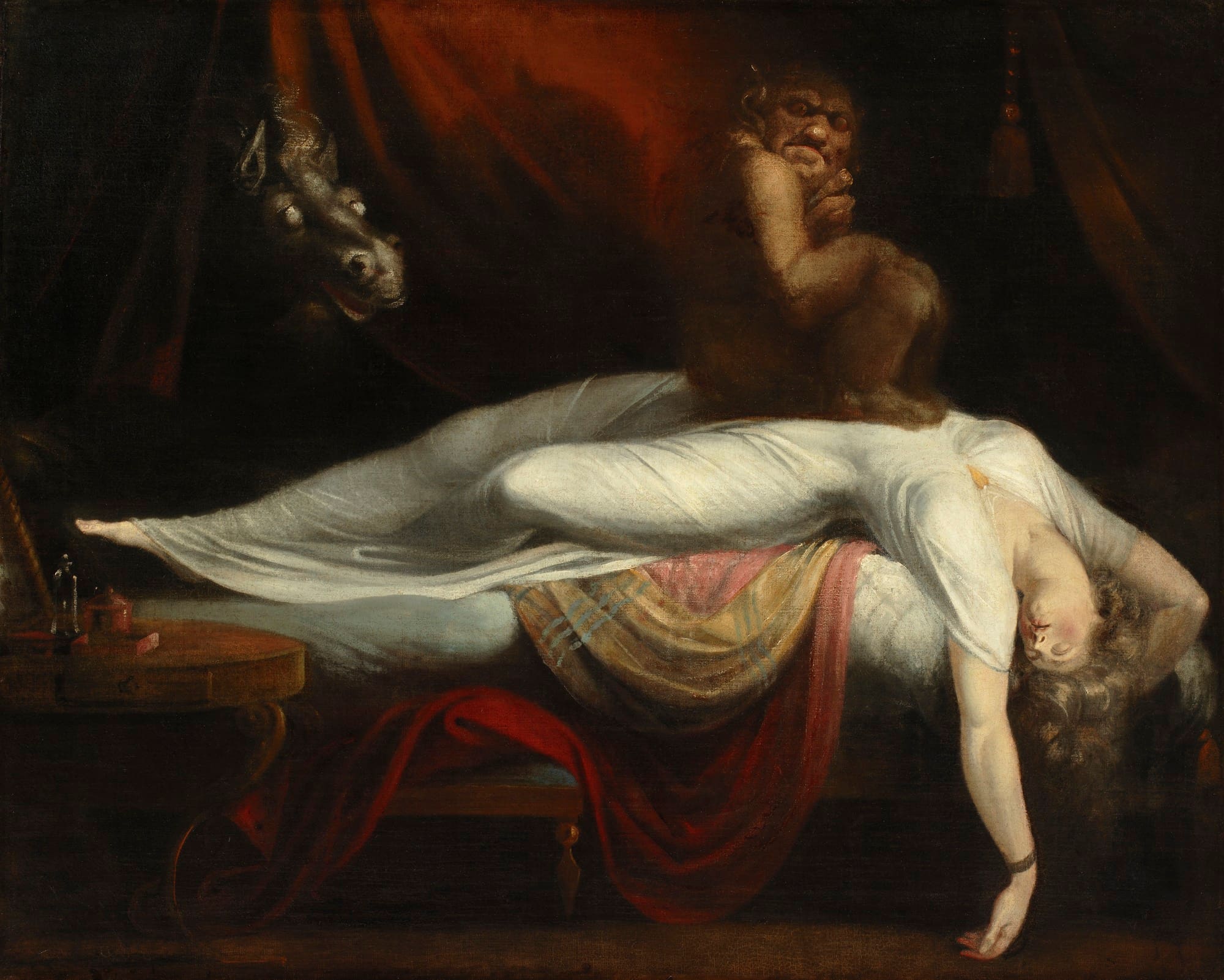
Myth: Sleep Paralysis is Always Accompanied by Terrifying Hallucinations
Many people associate sleep paralysis with terrifying visual or auditory hallucinations, such as shadowy figures, strange noises, or feelings of suffocation. These hallucinations can be distressing and contribute to the overall fear and anxiety of sleep paralysis. However, not everyone who experiences sleep paralysis will have these intense hallucinations.
Fact: Sleep Paralysis Can Manifest in Different Ways
While hallucinations are a common feature of sleep paralysis, not everyone will experience them. Some people may only feel the physical sensations of paralysis without any accompanying visual or auditory disturbances. The way sleep paralysis manifests can vary from person to person, and some individuals may have milder or less dramatic episodes.
Myth: Sleep Paralysis is Rare and Unusual
Due to its association with frightening experiences and misconceptions, many people believe that sleep paralysis is a rare and unusual condition that only affects a small percentage of the population. However, as mentioned earlier, sleep paralysis is actually quite common and occurs in a significant number of individuals.
Fact: Sleep Paralysis is More Common Than You Think
Studies have shown that sleep paralysis is a widespread phenomenon that can affect people of all ages and backgrounds. While it may not be openly discussed or widely understood, many individuals have experienced sleep paralysis at some point in their lives. By shedding light on this topic, we can help raise awareness and dispel myths surrounding sleep paralysis.

Myth: Sleep Paralysis is a Sign of Mental Illness
Some people mistakenly believe that experiencing sleep paralysis is a sign of mental illness or psychiatric disorders. They may associate the condition with schizophrenia, anxiety, or other mental health issues. However, sleep paralysis is a separate and distinct phenomenon that is not directly linked to psychiatric conditions.
Fact: Sleep Paralysis is Associated with Sleep Disorders
While sleep paralysis itself is not a symptom of mental illness, it is often associated with sleep disorders such as narcolepsy and sleep apnea. Individuals who have these underlying conditions may be more prone to experiencing sleep paralysis due to disruptions in their sleep patterns. Understanding the relationship between sleep paralysis and sleep disorders can help individuals seek appropriate treatment and management.
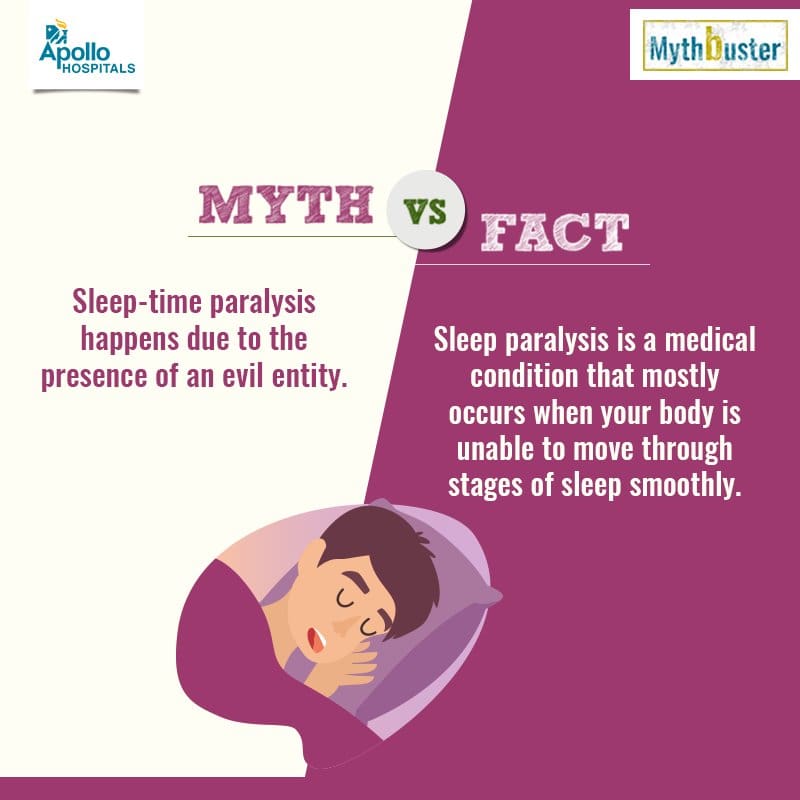
Myth: Sleep Paralysis is Untreatable and Incurable
Many people believe that there is no effective treatment or cure for sleep paralysis, leading them to suffer in silence without seeking help. They may resign themselves to the idea that they have to live with the condition and endure the episodes on their own. However, there are strategies and interventions that can help manage and reduce the frequency of sleep paralysis episodes.
Fact: Sleep Paralysis Can Be Managed and Minimized
While there is no specific medication or therapy to cure sleep paralysis, there are ways to manage the condition and minimize its impact on your life. Practicing good sleep hygiene, reducing stress levels, and maintaining a consistent sleep schedule can all help prevent episodes of sleep paralysis. In some cases, consulting with a sleep specialist or therapist may be beneficial in addressing underlying issues that contribute to sleep paralysis.
Myth: Sleep Paralysis Only Affects Adults
Another misconception about sleep paralysis is that it only occurs in adults or older individuals. Some people believe that children and teenagers are immune to the phenomenon and cannot experience it until they reach a certain age. However, sleep paralysis can affect individuals of all ages, including children as young as 7 or 8 years old.
Fact: Sleep Paralysis Can Happen at Any Age
Studies have shown that sleep paralysis can occur in children, adolescents, and adults of all ages. While it may be less common in younger individuals, the experience of sleep paralysis is not limited to a specific age group. Children who experience sleep paralysis may find the episodes particularly frightening and confusing, as they may not have the knowledge or resources to understand what is happening.
Myth: Sleep Paralysis is Limited to Certain Cultures or Regions
Some cultures and societies have their own unique explanations and interpretations of sleep paralysis, attributing the phenomenon to supernatural beings, spirits, or curses. As a result, some people believe that sleep paralysis is limited to specific cultural contexts or geographical regions, and that it does not occur universally across different populations.
Fact: Sleep Paralysis is a Universal Human Experience
Sleep paralysis is a universal human experience that transcends cultural boundaries and geographical distinctions. People from diverse backgrounds and societies have reported experiencing sleep paralysis, regardless of their beliefs, traditions, or customs. While the interpretations and explanations of sleep paralysis may vary among different cultures, the essential features of the condition remain consistent across populations.
Myth: Sleep Paralysis is a Sign of Weakness or Vulnerability
Some individuals may feel embarrassed or ashamed about experiencing sleep paralysis, believing that it is a sign of weakness or vulnerability. They may be reluctant to share their experiences with others or seek help for fear of being perceived negatively. This misconception can lead to feelings of isolation and isolation in individuals who are struggling with sleep paralysis.
Fact: Sleep Paralysis is a Natural and Common Phenomenon
It is important to remember that sleep paralysis is a natural and common phenomenon that can happen to anyone. It is not a sign of weakness or personal failing, but rather a normal part of the sleep cycle that affects many individuals. By recognizing and acknowledging the reality of sleep paralysis, we can reduce the stigma and shame associated with the condition.
Conclusion
In conclusion, sleep paralysis is a fascinating and enigmatic phenomenon that has intrigued and bewildered people for centuries. By dispelling myths and misconceptions surrounding sleep paralysis, we can gain a better understanding of this mysterious condition and provide support and reassurance to individuals who experience it. If you have ever had a sleep paralysis episode, remember that you are not alone, and that there are resources and strategies available to help you cope with and manage the condition. As we continue to uncover the truths about sleep paralysis, we can promote awareness and education about this intriguing aspect of the human experience.