
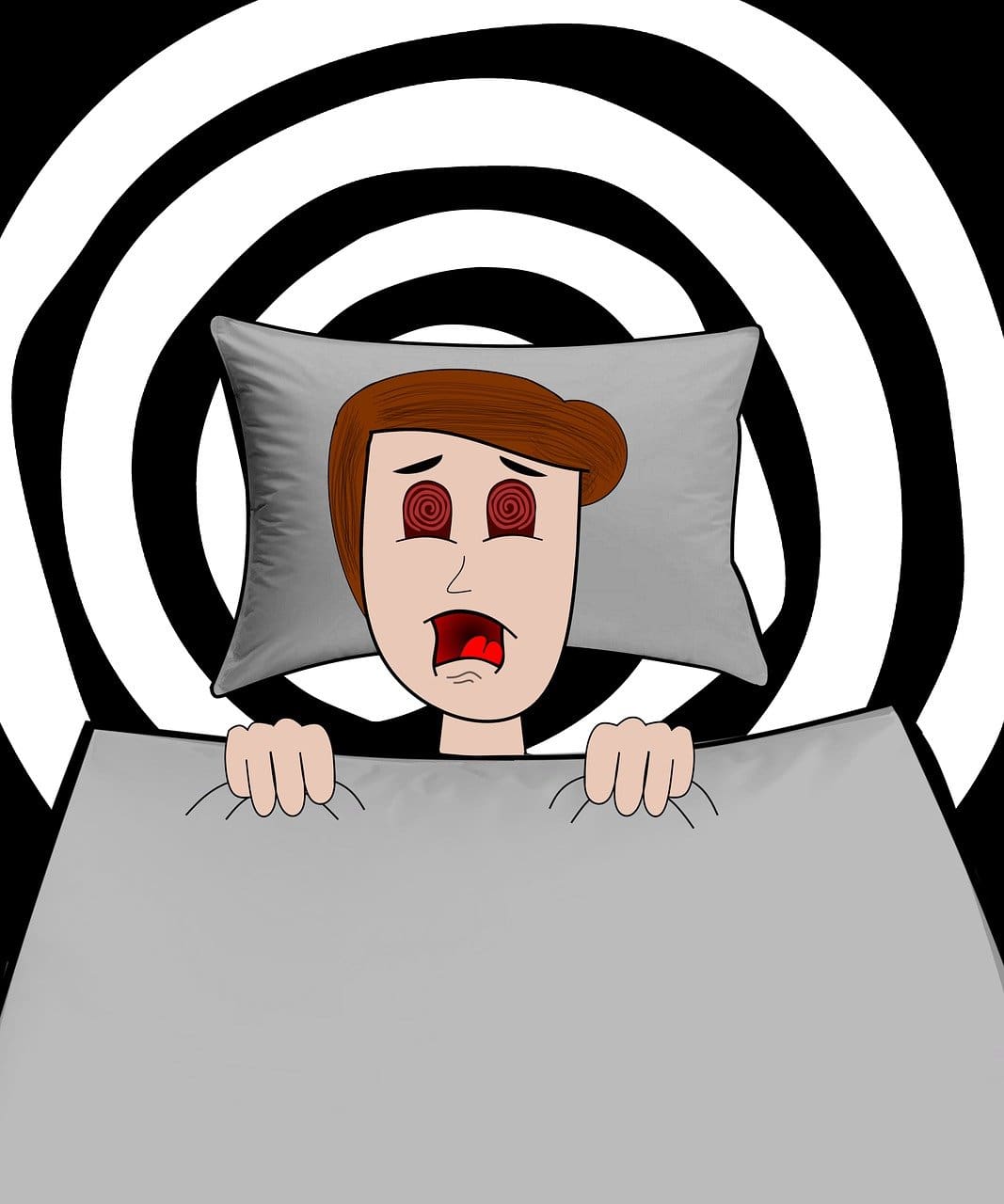
Imagine waking up in the middle of the night unable to move your body, with a heavy weight on your chest and a sense of impending doom. This unsettling experience is commonly known as sleep paralysis. However, it is often misunderstood and surrounded by a multitude of myths. In this article, we will debunk the most popular misconceptions about sleep paralysis, providing you with a clearer understanding of this phenomenon and helping you to alleviate any fears or concerns you may have.

Myth: Sleep paralysis is caused by supernatural beings
The reality:
One of the most prevalent and enduring myths about sleep paralysis is the belief that it is caused by supernatural or paranormal entities. However, the reality is far from the supernatural realm. Sleep paralysis is actually a natural phenomenon that occurs during the transition between wakefulness and sleep. It happens when your mind wakes up but your body remains temporarily paralyzed, preventing you from acting out your dreams. So, rest assured, there are no ghosts or evil spirits involved in this experience.
Myth: Sleep paralysis is a form of possession
The reality:
Another popular misconception surrounding sleep paralysis is the idea that it is a form of possession or a spiritual attack. While the experience can be unsettling and terrifying, it is not related to any form of possession or supernatural interference. Sleep paralysis occurs due to glitches in our sleep-wake cycle, and there are scientific explanations for every aspect of this phenomenon. So, no need to worry about demons or otherworldly forces taking control of your body.
Myth: Sleep paralysis only happens while sleeping on your back
The reality:
Contrary to popular belief, sleep paralysis is not exclusively tied to sleeping in a specific position, such as on your back. While it is true that some individuals may experience sleep paralysis more frequently when sleeping in this position, it can occur in any sleeping position. The underlying cause of sleep paralysis lies in the disrupted REM (rapid eye movement) sleep cycle, not in your sleeping posture. So, feel free to sleep in whichever position is most comfortable for you without fearing sleep paralysis.
Myth: Sleep paralysis is a rare phenomenon
The reality:
Although it may seem like a rare and unusual occurrence, sleep paralysis is actually more common than you might think. Studies estimate that around 8% of the general population experiences sleep paralysis at some point in their lives, with varying frequencies. Additionally, certain factors like sleep deprivation, irregular sleep schedules, and certain sleep disorders can increase the likelihood of experiencing sleep paralysis. So, if you have experienced it, know that you are not alone, and it is a relatively common sleep phenomenon.
Myth: Sleep paralysis is a sign of mental illness
The reality:
One misconception that often causes undue concern is the belief that experiencing sleep paralysis is a sign of mental illness. However, sleep paralysis is not inherently linked to mental health conditions. While it is true that individuals with certain sleep disorders, such as narcolepsy, may be more prone to experiencing sleep paralysis, it does not necessarily indicate the presence of a mental illness. Sleep paralysis is a physiological phenomenon that can affect individuals irrespective of their mental health status.
Myth: Sleep paralysis is dangerous
The reality:
Sleep paralysis may be a disconcerting experience, but it is not inherently dangerous or harmful to your physical well-being. While the feeling of being temporarily paralyzed can be distressing, it is a natural function of the body’s sleep cycle. The temporary inability to move or speak during sleep paralysis is a safety mechanism that prevents us from acting out our dreams and potentially injuring ourselves or others. So, rest assured that while sleep paralysis can be unsettling, it poses no immediate danger to your health.
Myth: Sleep paralysis is always accompanied by hallucinations
The reality:
While it is true that many individuals who experience sleep paralysis also report hallucinations, it is not a universal feature of the phenomenon. Hallucinations during sleep paralysis are known as hypnagogic or hypnopompic hallucinations and can involve vivid sensory experiences such as seeing shadowy figures, hearing voices, or feeling a presence in the room. However, not everyone who experiences sleep paralysis will also experience hallucinations. Sleep paralysis can occur with or without these accompanying hallucinations, and both variations are entirely normal.
Myth: Sleep paralysis is caused by a lack of sleep
The reality:
Although sleep deprivation can increase the likelihood of experiencing sleep paralysis, it is not the sole cause. Sleep paralysis is primarily connected to disruptions in the sleep-wake cycle, particularly during the REM sleep phase. While inadequate sleep can lead to an increased occurrence of sleep paralysis episodes, it is not the only factor involved. Other factors such as irregular sleep schedules, stress, sleep disorders, and even certain medications can also contribute to the occurrence of sleep paralysis. So, while maintaining a healthy sleep routine is important, sleep paralysis can happen to anyone, regardless of their sleep duration.
Myth: Sleep paralysis is more common in certain cultures
The reality:
Sleep paralysis is a universal phenomenon that can occur across cultures and is not specific to any particular cultural group. While cultural beliefs and folklore may influence how the experience is interpreted and understood, the occurrence of sleep paralysis is not limited to any specific culture or ethnicity. Researchers have found evidence of sleep paralysis experiences from various cultural backgrounds, dispelling the notion that it is exclusive to certain cultures. So, regardless of your cultural background, sleep paralysis is a phenomenon that can occur to anyone.
Myth: Medication is the only solution for sleep paralysis
The reality:
While medication can be prescribed to manage underlying sleep disorders that may contribute to sleep paralysis, it is not the only solution. In fact, for those who experience occasional episodes of sleep paralysis without an associated sleep disorder, medication may not be necessary at all. Instead, focusing on improving sleep hygiene, maintaining regular sleep patterns, reducing stress, and managing any related underlying sleep disorders can greatly alleviate the frequency and intensity of sleep paralysis episodes. Consulting with a healthcare professional can provide individualized guidance and support to effectively manage sleep paralysis.
In conclusion, sleep paralysis is a normal and natural physiological phenomenon that occurs during the transition between wakefulness and sleep. It is not caused by supernatural beings, possession, or a lack of sleep. Sleep paralysis can happen to anyone, regardless of their cultural background, and it is not an indication of mental illness or inherent danger. By debunking these myths and understanding the reality of sleep paralysis, you can alleviate unnecessary fear and concern surrounding this common sleep phenomenon.