
Have you ever wondered why you experience sleep paralysis?
If you’ve ever found yourself awake but unable to move or speak, with a sensation of pressure or fear, you may have experienced sleep paralysis. This phenomenon can be incredibly frightening and confusing, but understanding the role of environmental factors in sleep paralysis can provide some clarity.

What is Sleep Paralysis?
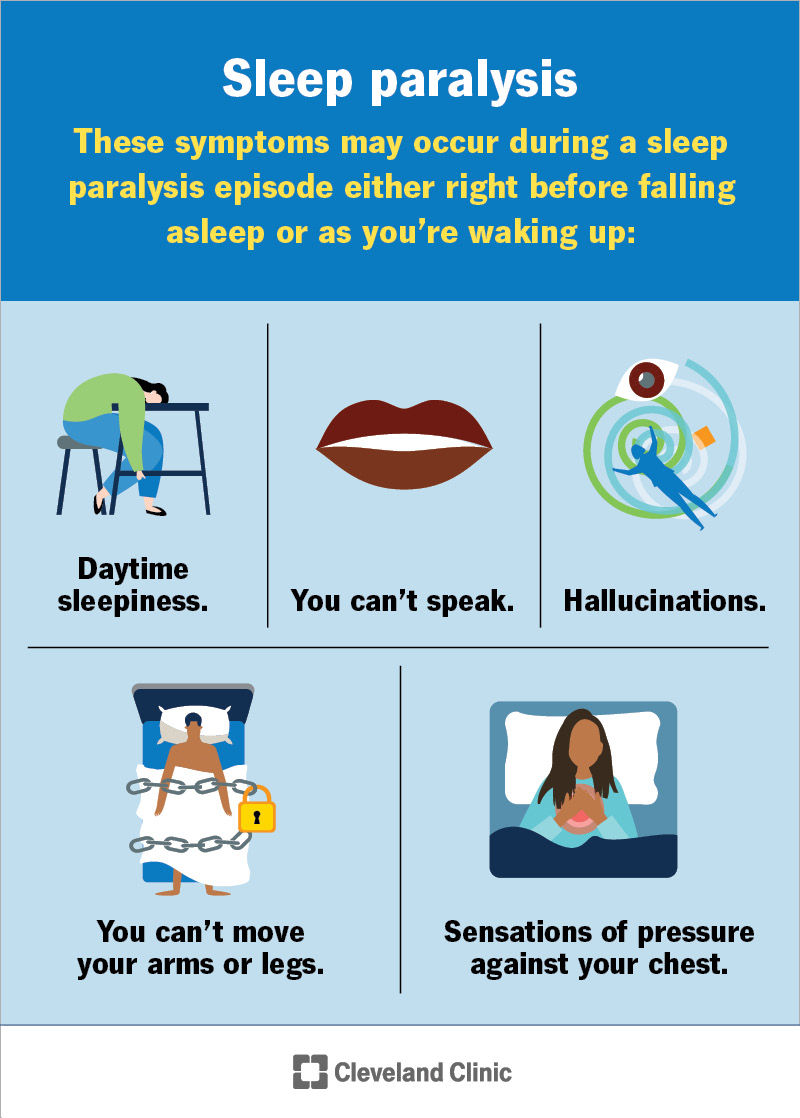
Before we delve into the environmental factors that can influence sleep paralysis, it’s essential to understand what sleep paralysis is. Sleep paralysis is a temporary inability to move or speak that occurs when transitioning between wakefulness and sleep. It can last from a few seconds to a few minutes and is often accompanied by hallucinations, a sense of suffocation, or a feeling of pressure on the chest.
Understanding the basics of sleep paralysis
Sleep paralysis occurs during the REM (rapid eye movement) stage of sleep when the body is typically paralyzed to prevent acting out dreams. However, in cases of sleep paralysis, the mind wakes up while the body remains in a state of paralysis, causing the individual to experience terrifying episodes of being conscious but unable to move.
Environmental Factors Contributing to Sleep Paralysis
While sleep paralysis is primarily attributed to disruptions in the sleep-wake cycle and factors such as genetics, stress, and mental health conditions, environmental factors play a significant role in triggering episodes of sleep paralysis. Let’s explore some of these environmental factors and how they can influence your experience of sleep paralysis.
Stress and Anxiety
Stress and anxiety are common triggers for sleep paralysis. When you’re under a significant amount of stress, your body releases stress hormones such as cortisol, which can disrupt your sleep patterns and make you more susceptible to episodes of sleep paralysis.
Sleep Disturbances
Irregular sleep schedules, sleep deprivation, and poor sleep quality can all contribute to sleep paralysis. When you don’t get enough restful sleep, your REM cycle can be affected, increasing the likelihood of experiencing sleep paralysis.
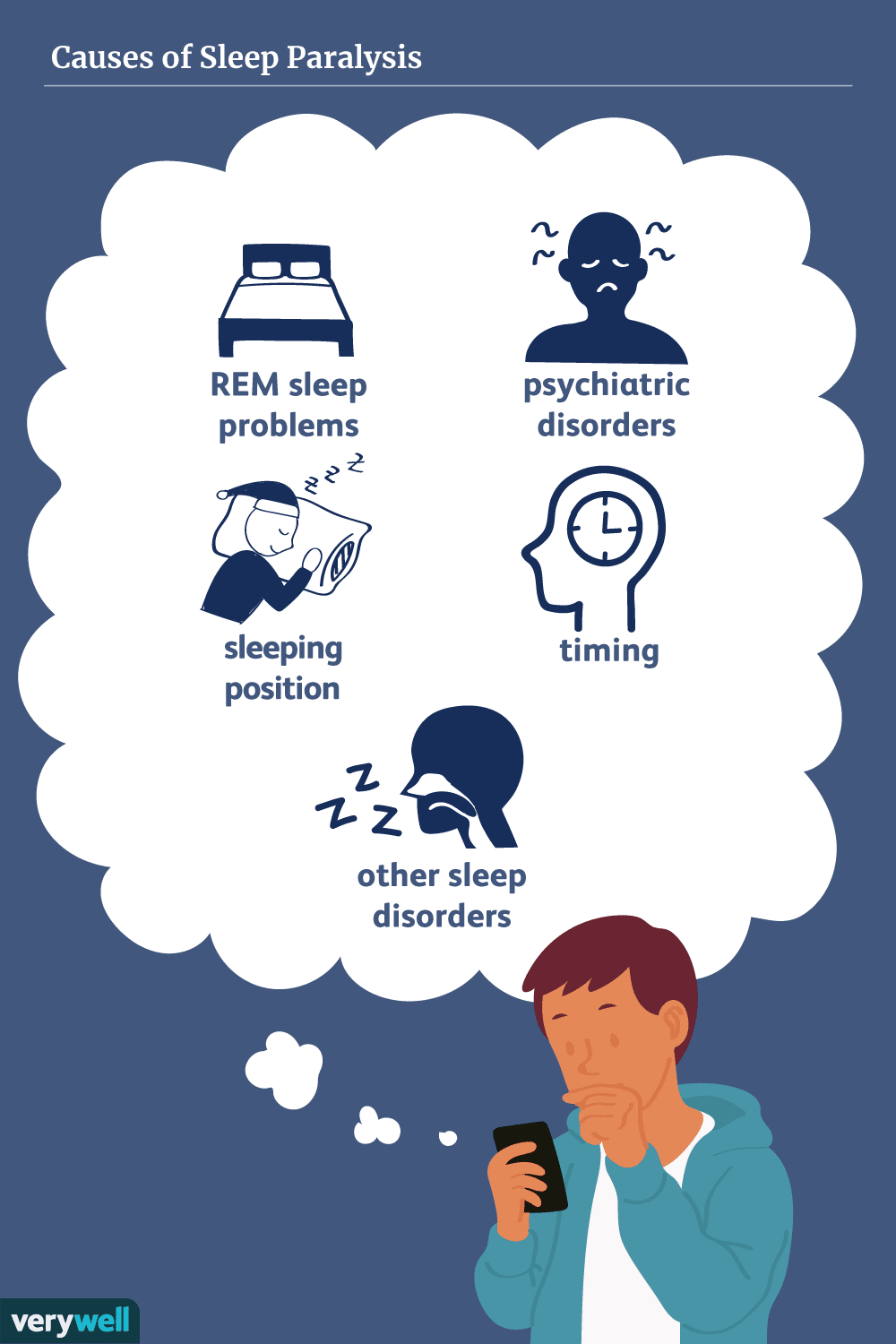
Impact of Sleep Environment on Sleep Paralysis
Your sleep environment plays a crucial role in the quality of your sleep and can also impact your likelihood of experiencing sleep paralysis. Here are some environmental factors to consider when creating a sleep-friendly space.
Temperature and Humidity
Maintaining a comfortable temperature and humidity level in your bedroom is essential for quality sleep. Extreme temperatures or high humidity can make it difficult to fall asleep and stay asleep, increasing your chances of experiencing sleep paralysis.
Lighting and Noise Levels
A dark, quiet environment is ideal for promoting restful sleep. Exposure to bright lights or loud noises can disrupt your sleep and increase your risk of sleep paralysis episodes.
Sleep Surface and Pillows
A supportive mattress and pillows that are comfortable for your sleeping posture can help prevent sleep disturbances and improve the quality of your sleep. Ensuring that your sleep surface is conducive to restful sleep can reduce the likelihood of experiencing sleep paralysis.
Lifestyle Factors and Sleep Paralysis
Factors such as substance use, dietary habits, and physical activity can also influence your risk of experiencing sleep paralysis. Maintaining a healthy lifestyle can help improve your overall sleep quality and reduce the frequency of sleep paralysis episodes.
Alcohol and Substance Use
Consuming alcohol or substances before bedtime can disrupt your sleep patterns and increase the likelihood of experiencing sleep paralysis. Limiting your intake of alcohol and substances can help improve the quality of your sleep and reduce the risk of sleep paralysis.
Dietary Habits
Eating heavy meals or consuming caffeine close to bedtime can interfere with your ability to fall asleep and stay asleep. Making healthy dietary choices and avoiding stimulants before bedtime can promote restful sleep and reduce the likelihood of sleep paralysis.
Physical Activity
Regular physical activity can help regulate your sleep-wake cycle and promote better sleep. Engaging in moderate exercise during the day and avoiding vigorous exercise close to bedtime can improve your sleep quality and reduce the risk of sleep paralysis.

Coping Strategies for Sleep Paralysis
While environmental factors can influence your likelihood of experiencing sleep paralysis, there are coping strategies you can use to manage and reduce the frequency of episodes. Here are some strategies to consider:
Relaxation Techniques
Practicing relaxation techniques such as deep breathing, meditation, or progressive muscle relaxation can help reduce stress and anxiety levels, making you less susceptible to sleep paralysis.
Sleep Hygiene Practices
Establishing a consistent sleep routine, creating a sleep-friendly environment, and avoiding stimulants before bedtime can improve your sleep quality and reduce the risk of sleep paralysis episodes.
Seeking Professional Help
If you continue to experience frequent episodes of sleep paralysis despite making lifestyle changes, it may be helpful to consult a healthcare provider or sleep specialist for further evaluation and treatment options.

Conclusion
Sleep paralysis can be a distressing experience, but understanding the role of environmental factors in triggering episodes can help you better manage and reduce the frequency of occurrences. By addressing stress, improving your sleep environment, focusing on healthy lifestyle habits, and implementing coping strategies, you can take steps to minimize the impact of sleep paralysis on your overall well-being. Remember, you’re not alone in experiencing sleep paralysis, and there are resources and support available to help you navigate this phenomenon.