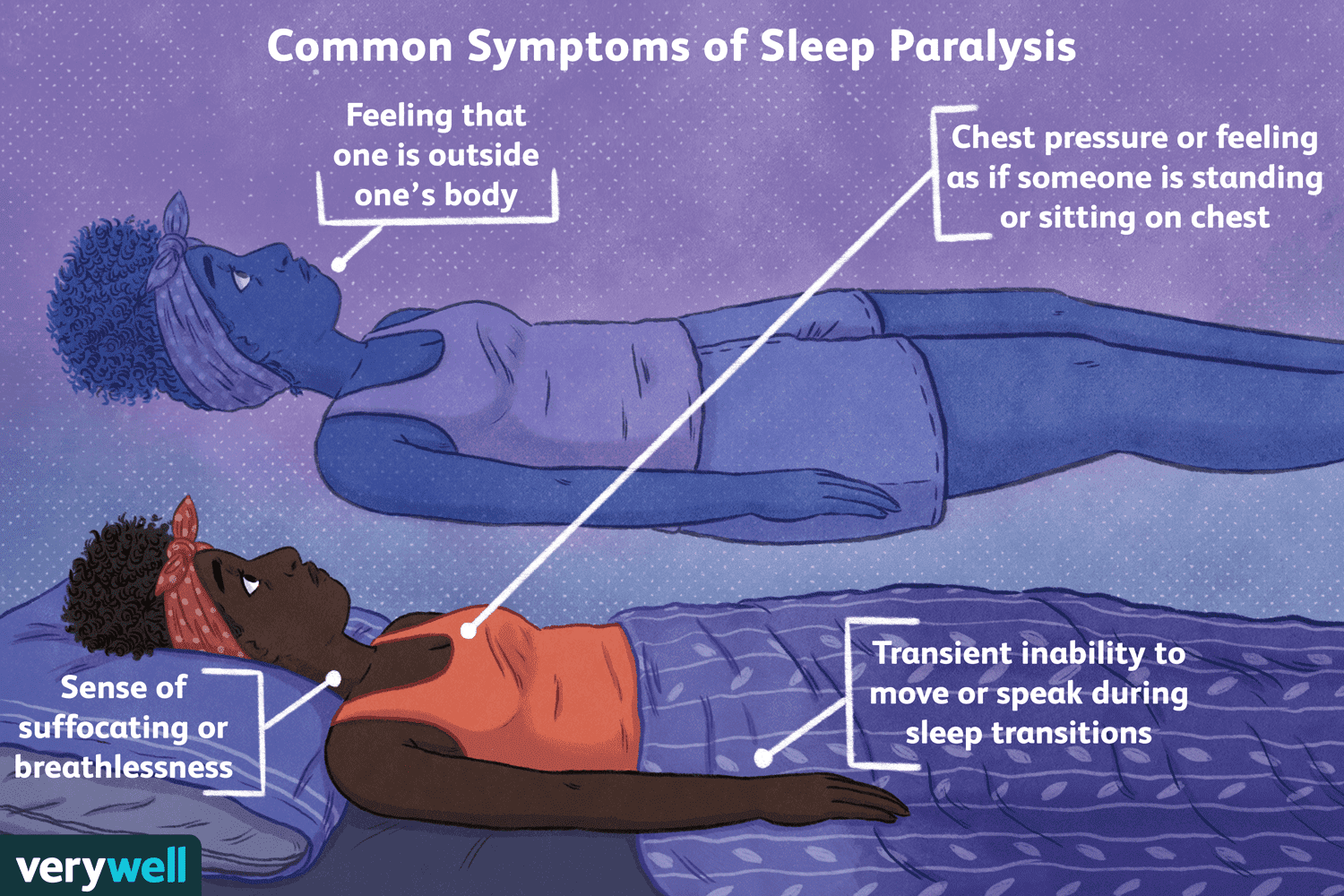
Sleep paralysis is a common phenomenon that occurs when you wake up or fall asleep and find yourself unable to move or speak. Have you ever experienced sleep paralysis? If so, you may know the overwhelming fear and confusion that can accompany it. In this article, we will explore the impact of sleep paralysis on your perspective of fear and how you can cope with this unsettling experience.
What is Sleep Paralysis?
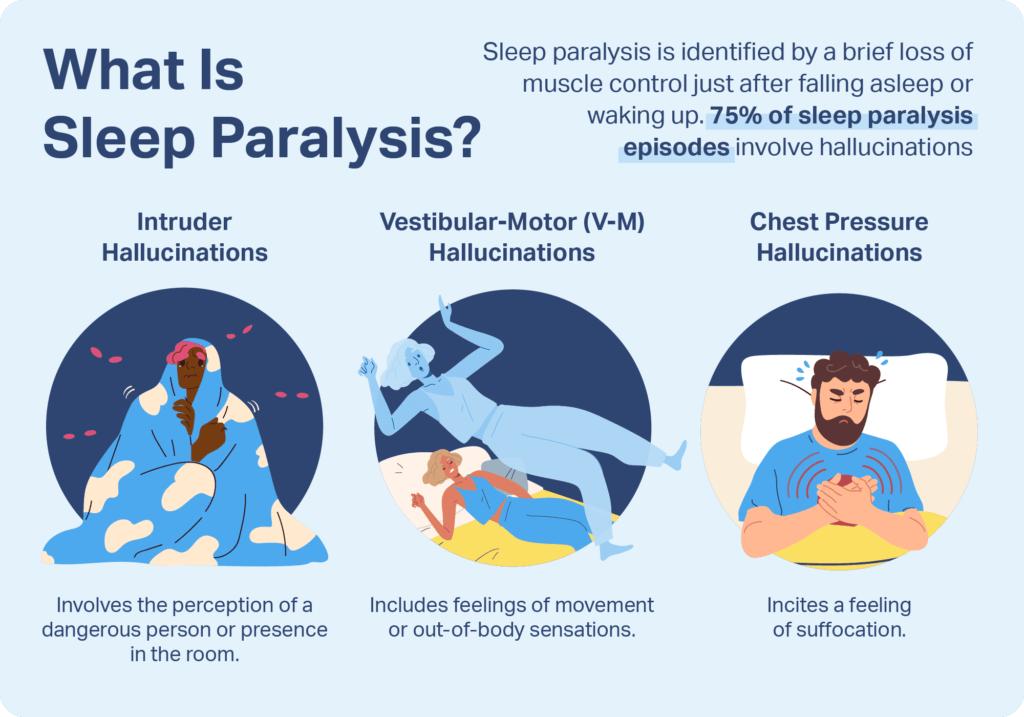
Sleep paralysis is a state in which your mind is awake, but your body is still paralyzed as if you were asleep. This can occur when you are falling asleep or waking up and is often accompanied by visual or auditory hallucinations. During sleep paralysis, you may feel a sense of pressure on your chest, have difficulty breathing, or feel a presence in the room with you.
It’s important to note that sleep paralysis is a normal occurrence and is not typically a sign of an underlying medical condition. However, it can be frightening and unsettling for those who experience it.
The Impact on Fear
When you experience sleep paralysis, you may feel a heightened sense of fear and vulnerability. The inability to move or speak, coupled with hallucinations, can create a sense of helplessness and terror. This can lead to an increased fear of falling asleep or being alone in the dark.
It’s common for individuals who experience sleep paralysis to develop anxiety around sleeping, as they may fear experiencing this phenomenon again. This fear can have a significant impact on your mental health and overall quality of life.
Coping Strategies
If you have experienced sleep paralysis and find yourself struggling with fear and anxiety as a result, there are several coping strategies you can try to help manage these feelings:
-
Education: Understanding what sleep paralysis is and why it occurs can help demystify the experience and alleviate some of the fear surrounding it. Learning about the science behind sleep paralysis can provide a sense of control and empowerment.
-
Relaxation Techniques: Practicing relaxation techniques such as deep breathing, meditation, or progressive muscle relaxation can help reduce anxiety and promote feelings of calmness. These techniques can be especially helpful when preparing for sleep.
-
Establishing a Routine: Creating a bedtime routine can help signal to your body that it is time to wind down and prepare for sleep. Establishing a consistent sleep schedule and bedtime rituals can promote healthy sleep habits and reduce the likelihood of experiencing sleep paralysis.
-
Creating a Comfortable Sleep Environment: Ensuring that your sleep environment is comfortable, quiet, and conducive to restful sleep can help alleviate anxiety around bedtime. Consider investing in a comfortable mattress, using blackout curtains, or using white noise machines to create a calming atmosphere.
-
Seeking Support: If you find yourself struggling to cope with fear and anxiety related to sleep paralysis, consider seeking support from a therapist or counselor. Talking to a mental health professional can help you explore your feelings and develop coping strategies tailored to your individual needs.
By implementing these coping strategies and seeking support when needed, you can better manage the impact of sleep paralysis on your perspective of fear and improve your overall well-being.
Conclusion
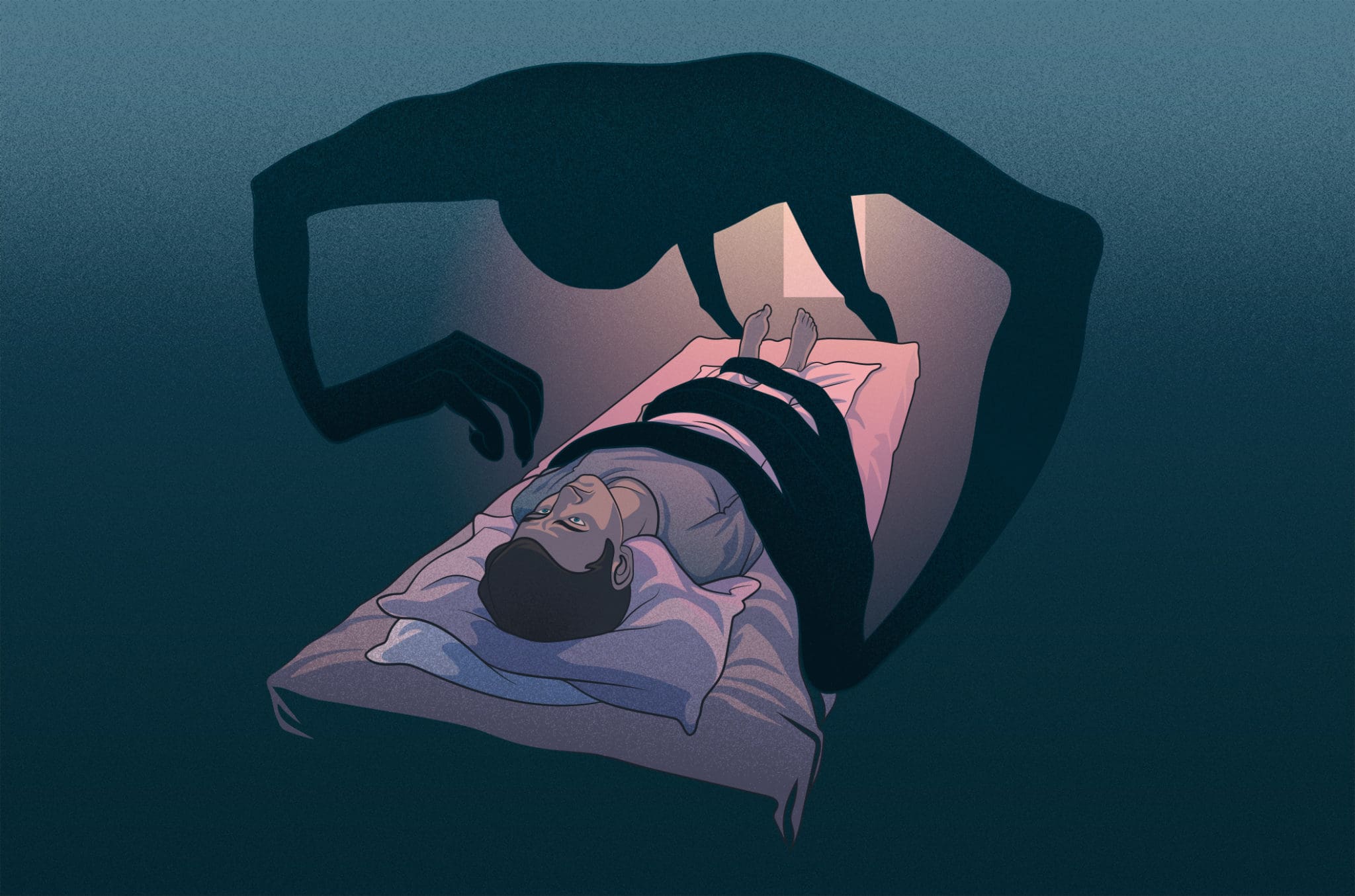
Sleep paralysis can be a frightening and unsettling experience that can significantly impact your perspective of fear. By understanding what sleep paralysis is, recognizing the impact it can have on your mental health, and implementing coping strategies to manage fear and anxiety, you can navigate this phenomenon with greater ease.
If you continue to struggle with fear and anxiety related to sleep paralysis, don’t hesitate to reach out for support from a mental health professional. You deserve to feel safe and comfortable in your sleep environment, and there are resources available to help you navigate this experience.
Remember that you are not alone in your experience of sleep paralysis, and with time and effort, you can develop strategies to cope with fear and anxiety and improve your overall well-being. Take care of yourself and prioritize your mental health as you navigate this journey.