What Are The Best Ways To Prevent Sleep Paralysis?
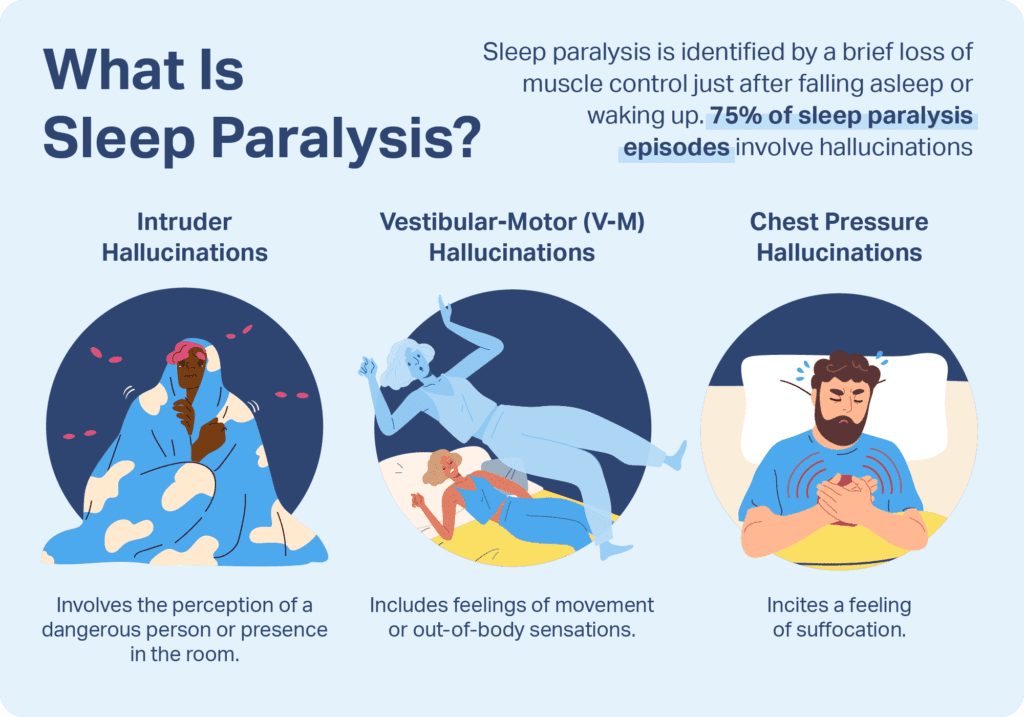
Have you ever experienced that terrifying feeling of being awake but unable to move, with a sense of pressure on your chest? This phenomenon is known as sleep paralysis, and it can be a frightening and distressing experience. But fear not, there are ways to prevent sleep paralysis from occurring. In this article, we will explore some of the best methods to help you avoid this unsettling phenomenon and get a good night’s rest.
Understanding Sleep Paralysis
Before we dive into ways to prevent sleep paralysis, let’s first understand what it is and why it happens.
Sleep paralysis occurs when a person wakes up during REM (rapid eye movement) sleep and experiences temporary paralysis of the body. This happens because during REM sleep, the brain releases chemicals that prevent the body from acting out dreams. In some cases, a person may wake up before the brain releases these chemicals, leading to the sensation of being unable to move.
What Causes Sleep Paralysis?
Sleep paralysis can be caused by various factors, including:
- Disrupted sleep patterns
- Stress and anxiety
- Narcolepsy
- Sleeping on your back
- Poor sleep hygiene
Understanding the causes of sleep paralysis is essential in finding ways to prevent it from happening.
Tips For Preventing Sleep Paralysis
Now that we have a better understanding of what sleep paralysis is and what causes it, let’s explore some effective ways to prevent it from occurring.
Maintain a Consistent Sleep Schedule
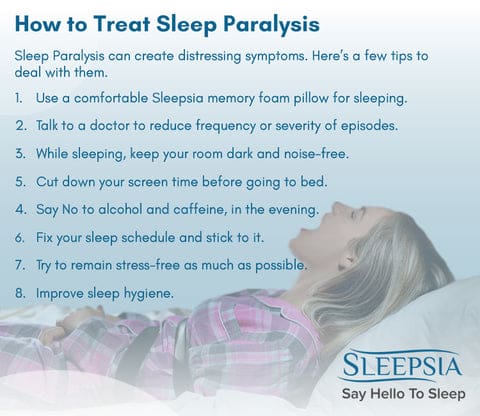
One of the best ways to prevent sleep paralysis is to maintain a consistent sleep schedule. Going to bed and waking up at the same time every day helps regulate your body’s internal clock, reducing the chances of experiencing sleep paralysis.
Try to establish a bedtime routine that allows you to unwind and relax before going to sleep. This could include activities such as reading a book, taking a warm bath, or practicing relaxation techniques like deep breathing or meditation.
Create a Sleep-Conducive Environment
Creating a sleep-conducive environment can also help prevent sleep paralysis. Make sure your bedroom is dark, quiet, and at a comfortable temperature. Avoid using electronic devices before bedtime, as the blue light emitted by screens can interfere with the production of melatonin, the hormone that regulates sleep.
Invest in a comfortable mattress and pillows that support your body and promote a restful night’s sleep. Consider using white noise machines or earplugs if you are easily disturbed by noises during the night.
Manage Stress and Anxiety
Stress and anxiety are known triggers for sleep paralysis, so finding ways to manage and reduce them can help prevent this phenomenon. Practice relaxation techniques such as yoga, meditation, or deep breathing exercises to calm your mind and body before bedtime.
Consider speaking to a therapist or counselor if you are struggling to cope with stress and anxiety. Cognitive-behavioral therapy (CBT) can be particularly effective in treating anxiety disorders and improving sleep quality.
Avoid Sleeping on Your Back
Sleeping on your back is known to increase the risk of sleep paralysis, as this position can lead to breathing difficulties and disruptions in sleep. Try sleeping on your side or stomach to reduce the chances of experiencing sleep paralysis.
If you find it challenging to avoid sleeping on your back, consider using pillows to prop yourself up or wearing a sleep shirt with a tennis ball sewn into the back to prevent you from rolling onto your back during the night.
Improve Your Sleep Hygiene
Good sleep hygiene is essential for preventing sleep paralysis and promoting overall health and well-being. Make sure to create a sleep-friendly environment, avoid caffeine and alcohol close to bedtime, and limit screen time before going to sleep.
Develop a relaxing bedtime routine that signals to your body that it’s time to unwind and prepare for sleep. This could include activities such as taking a warm bath, reading a book, or listening to calming music.
Seek Treatment for Underlying Sleep Disorders
If you suspect that an underlying sleep disorder such as sleep apnea or narcolepsy is causing your sleep paralysis, it’s essential to seek treatment from a healthcare professional. These conditions can disrupt your sleep and increase the risk of experiencing sleep paralysis.
Your healthcare provider may recommend treatments such as continuous positive airway pressure (CPAP) therapy for sleep apnea or medication for narcolepsy to help improve your sleep quality and reduce the incidence of sleep paralysis.
Conclusion
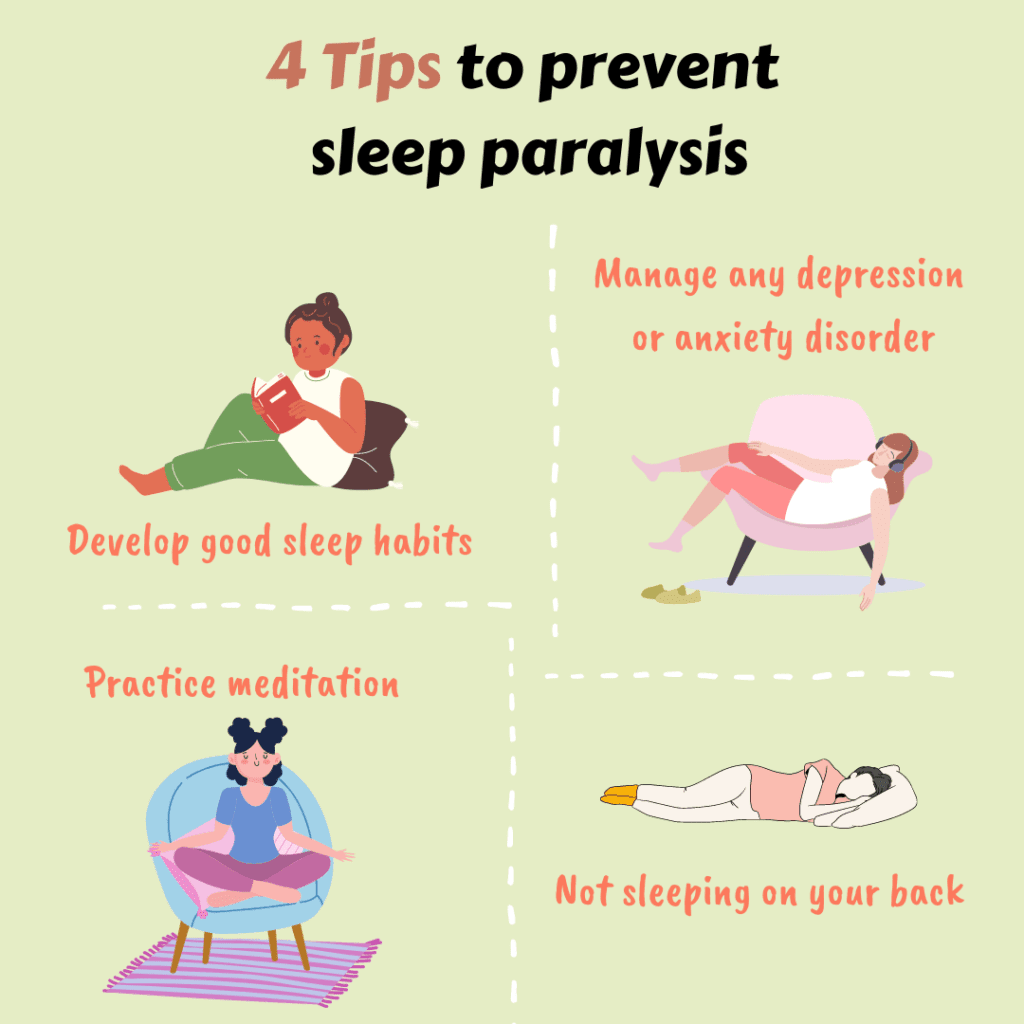
Sleep paralysis can be a distressing experience, but there are ways to prevent it from happening. By maintaining a consistent sleep schedule, creating a sleep-conducive environment, managing stress and anxiety, avoiding sleeping on your back, improving your sleep hygiene, and seeking treatment for underlying sleep disorders, you can reduce the risk of experiencing sleep paralysis and enjoy a good night’s rest.
Remember, it’s essential to listen to your body and prioritize your sleep health to prevent sleep paralysis and ensure that you wake up feeling refreshed and well-rested. Take the time to implement these tips into your daily routine, and you’ll be on your way to a peaceful and uninterrupted night’s sleep.