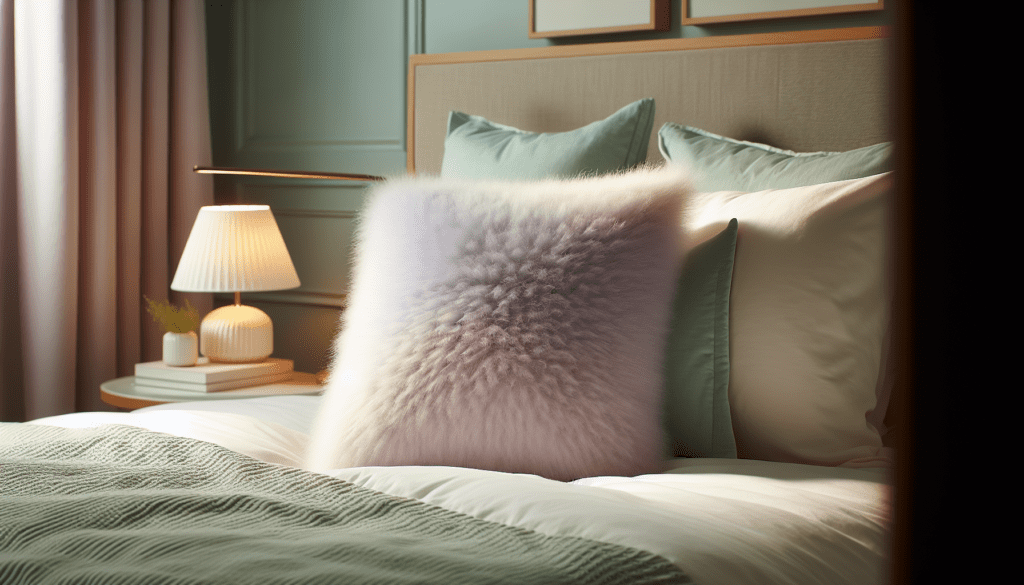
Imagine drifting off to sleep in a peaceful oasis, cocooned in the serenity of a carefully crafted sleep environment. With the demands and stresses of everyday life, creating a tranquil space to unwind and encourage restful slumber has never been more important. In this article, we will explore the top ways to turn your bedroom into a sanctuary, while providing practical tips and advice to help you achieve the rejuvenating sleep you deserve. So, get ready to embark on a journey towards a sleep haven that soothes your senses and leaves you feeling refreshed and revitalized each morning.

Lighting
Dim the lights
Creating a relaxing sleep environment starts with the right lighting. Dimming the lights in your bedroom can help signal to your brain that it’s time to wind down and prepare for sleep. Soft, warm lighting can create a cozy and calming atmosphere, perfect for relaxation.
Use blackout curtains or blinds
To truly create a peaceful sleep environment, consider using blackout curtains or blinds. These window coverings block out any external light sources, preventing them from interrupting your sleep. By keeping your bedroom dark and free from distractions, you can ensure a more restful night’s sleep.
Avoid bright screens before bedtime
Bright screens, such as those on smartphones, tablets, or computers, emit blue light that can interfere with your body’s natural sleep-wake cycle. To promote a relaxing sleep environment, it’s best to avoid using these devices for at least an hour before bed. Instead, opt for activities that promote relaxation, such as reading a book or taking a warm bath.
Temperature
Keep the room cool
Maintaining a cool temperature in your bedroom can significantly improve the quality of your sleep. The ideal temperature for sleep is around 60 to 67 degrees Fahrenheit (15 to 19 degrees Celsius). Consider using a programmable thermostat to regulate the temperature throughout the night and create a comfortable sleeping environment.
Use a fan or air conditioner
If the temperature in your bedroom tends to get too warm, consider using a fan or air conditioner to cool the room. The gentle breeze created by a fan can promote air circulation and help regulate your body temperature during the night. An air conditioner can also be a valuable investment for ensuring a consistently cool sleep environment.
Use breathable bedding materials
The type of bedding materials you choose can significantly impact your sleep environment. Opt for breathable fabrics like cotton or bamboo, as they can wick away moisture and promote airflow, keeping you cool and comfortable throughout the night. Avoid synthetic materials that trap heat and moisture, as they can lead to uncomfortable nights and disrupted sleep.
Noise
Block out external noise
A quiet sleep environment is essential for restful sleep. If you live in a noisy area or have trouble sleeping due to external sounds, consider blocking out the noise. You can use soundproofing techniques, such as sealing windows or doors, or invest in soundproof curtains or acoustic panels to create a more peaceful atmosphere.
Use earplugs or white noise machines
If blocking out external noise isn’t enough, you can try using earplugs or white noise machines. Earplugs are a simple and effective way to reduce noise disturbances during sleep. White noise machines, on the other hand, produce a consistent, soothing sound that can drown out background noise and help you relax.
Play soothing music or calming sounds
For some individuals, playing soft, soothing music or calming sounds can help create a tranquil sleep environment. Experiment with different genres or nature sounds to find what works best for you. By playing calming music or sounds, you can drown out any unwanted noise and create a peaceful ambiance conducive to sleep.
Bedding
Choose a comfortable mattress
Investing in a quality mattress is essential for creating a comfortable sleep environment. Your mattress should provide adequate support for your body, relieving pressure points and promoting proper spinal alignment. Take the time to research and try out different mattresses to find the one that suits your needs and preferences best.
Use supportive pillows
Along with a comfortable mattress, supportive pillows are crucial for maintaining proper spinal alignment and ensuring a restful night’s sleep. Choose pillows that provide adequate support for your neck and head, allowing your spine to remain aligned. Memory foam, latex, or down alternative pillows are popular choices for their comfort and support.
Use soft, breathable sheets and blankets
The feel and texture of your bedding can greatly impact your sleep environment. Opt for soft, breathable sheets and blankets made from natural fabrics like cotton or bamboo. These materials can help regulate your body temperature, wick away moisture, and provide a cozy and comfortable sleeping surface.

Color scheme
Opt for calm and soothing colors
The colors you choose for your bedroom can have a significant impact on the overall ambiance and your sleep environment. Opt for calm and soothing colors, such as blues, greens, or neutral tones like beige or gray. These colors evoke a sense of tranquility and relaxation, creating a peaceful atmosphere.
Avoid vibrant or stimulating colors
While vibrant colors can add a lively touch to your decor, they may not be conducive to a relaxing sleep environment. Bright and stimulating colors like red or orange can be energizing and may hinder your ability to unwind and fall asleep. Consider saving these vibrant colors for other areas of your home and stick to more soothing hues for the bedroom.
Incorporate natural elements and earth tones
Incorporating natural elements and earth tones into your bedroom decor can further enhance the relaxing sleep environment. Wood accents, potted plants, or nature-inspired artwork can bring a sense of calm and tranquility to your space. Earthy colors like browns, greens, or soft yellows can help create a connection with nature and promote a peaceful atmosphere.
Clutter-free environment
Minimize clutter in the bedroom
A cluttered bedroom can make it challenging to relax and unwind. To create a peaceful sleep environment, make it a habit to minimize clutter. Remove unnecessary items and find appropriate storage solutions to keep your bedroom organized and clutter-free. Having a tidy space can promote a sense of calm and make it easier to unwind before bed.
Keep surfaces clear and organized
In addition to minimizing clutter, it’s essential to keep surfaces in your bedroom clear and organized. Avoid using your bedroom as a dumping ground for objects that don’t belong there. Keep nightstands, dressers, and other surfaces free from unnecessary items to create a serene and uncluttered environment that promotes relaxation.
Create a serene and peaceful atmosphere
Transforming your bedroom into a serene and peaceful atmosphere is essential for a relaxing sleep environment. Consider incorporating elements that bring you joy and a sense of peace, such as scented candles, soft lighting, or artwork that promotes relaxation. Personal touches that align with your sense of tranquility can contribute to a restful and calm sleep environment.

Aromatherapy
Use calming scents like lavender or chamomile
Aromatherapy can be a powerful tool in creating a relaxing sleep environment. Scents like lavender and chamomile are well-known for their calming and soothing properties. Consider using essential oils, room sprays, or linen sprays with these fragrances to create a tranquil atmosphere that promotes relaxation and better sleep.
Use essential oils or scented candles
Essential oils and scented candles can be an effective way to incorporate calming scents into your sleep environment. Essential oils can be diffused using a diffuser or mixed with carrier oils for topical application. Scented candles offer a gentle, flickering light along with soothing aromas. Experiment with different fragrances to find the ones that help you unwind and prepare for sleep.
Experiment with different fragrances
Everyone’s preferences and sensitivities to scents vary, so it may take some experimentation to find the fragrances that work best for you. Consider exploring different aromas such as eucalyptus, vanilla, or sandalwood, and pay attention to how they make you feel. Finding the perfect scent can enhance the peaceful and calming atmosphere of your sleep environment.
Technology-free zone
Keep electronic devices out of the bedroom
Electronic devices emit blue light that can interfere with your sleep. Keeping them out of the bedroom can help create a technology-free zone, free from distractions and stimulating activities. Consider designating a specific area in your home for charging electronic devices, ensuring that your bedroom remains a sanctuary solely dedicated to rest and relaxation.
Avoid using smartphones or tablets before bed
The temptation to check messages or browse social media can be strong, but using smartphones or tablets before bed can disrupt your sleep environment. The blue light emitted by these devices suppresses melatonin, a hormone that regulates sleep. Instead of using your devices, engage in calming activities like reading a book or practicing relaxation techniques to prepare your mind and body for sleep.
Create a technology-free sanctuary for better sleep
By creating a technology-free sanctuary in your bedroom, you can cultivate a sleep environment that promotes relaxation and quality sleep. Consider removing TVs, computers, or other electronic devices from your bedroom entirely. Instead, focus on creating a space designed for rest and rejuvenation, allowing you to disconnect from the digital world and fully embrace a peaceful night’s sleep.

Comfortable sleepwear
Choose loose and breathable sleepwear
The type of sleepwear you choose can greatly impact your comfort and ability to relax in your sleep environment. Opt for loose-fitting, breathable sleepwear made from natural fabrics such as cotton or bamboo. These materials allow air to circulate, preventing overheating and ensuring a comfortable night’s sleep.
Opt for natural fabrics like cotton or bamboo
Natural fabrics like cotton or bamboo are not only breathable but also soft and gentle against the skin. Choosing sleepwear made from these materials can help regulate your body temperature and minimize any discomfort caused by sweating. Additionally, natural fabrics are less likely to cause skin irritation, allowing you to sleep peacefully throughout the night.
Wear comfortable and non-restrictive clothing
When it comes to selecting sleepwear, comfort should be a top priority. Avoid tight or restrictive clothing that can limit your movement and potentially disrupt your sleep. Opt for loose-fitting garments that allow you to move freely and comfortably throughout the night. The goal is to create a sleep environment where your clothing isn’t a source of discomfort or distraction.
Practice good sleep hygiene
Establish consistent sleep and wake times
Establishing consistent sleep and wake times is crucial for maintaining a healthy sleep routine. Try to go to bed and wake up at the same time every day, even on weekends. This regular schedule helps regulate your body’s internal clock, making it easier to fall asleep and wake up feeling refreshed.
Avoid stimulating activities before bed
Engaging in stimulating activities before bed can make it difficult to relax and fall asleep. Avoid activities such as vigorous exercise, working on demanding tasks, or engaging in intense discussions in the hours leading up to bedtime. Instead, focus on winding down with calming activities like reading, listening to soothing music, or practicing relaxation techniques.
Create a sleep-conducive environment
Creating a sleep-conducive environment is essential for promoting quality sleep. Follow the tips mentioned earlier, such as dimming the lights, maintaining a cool temperature, and reducing noise and distractions. By actively cultivating a sleep-friendly atmosphere, you’re setting the stage for a restful and rejuvenating night’s sleep.
In conclusion, creating a relaxing sleep environment involves various elements that work together to promote quality sleep. By addressing factors such as lighting, temperature, noise, bedding, color scheme, clutter, aromatherapy, technology, sleepwear, and sleep hygiene, you can establish a peaceful sanctuary perfect for rest and rejuvenation. Remember, creating a relaxing sleep environment is a personal process, so feel free to experiment and customize it according to your preferences for the best sleep experience possible. Here’s to many nights of deep and restful sleep!