
Have you ever experienced the terrifying sensation of being unable to move or speak while falling asleep or waking up? If so, you may have experienced sleep paralysis. This common phenomenon can be unsettling and confusing to those who experience it. In this article, we will delve into the link between sleep disorders and sleep paralysis, providing you with valuable information and insights to help you better understand this mysterious occurrence.
What is Sleep Paralysis?
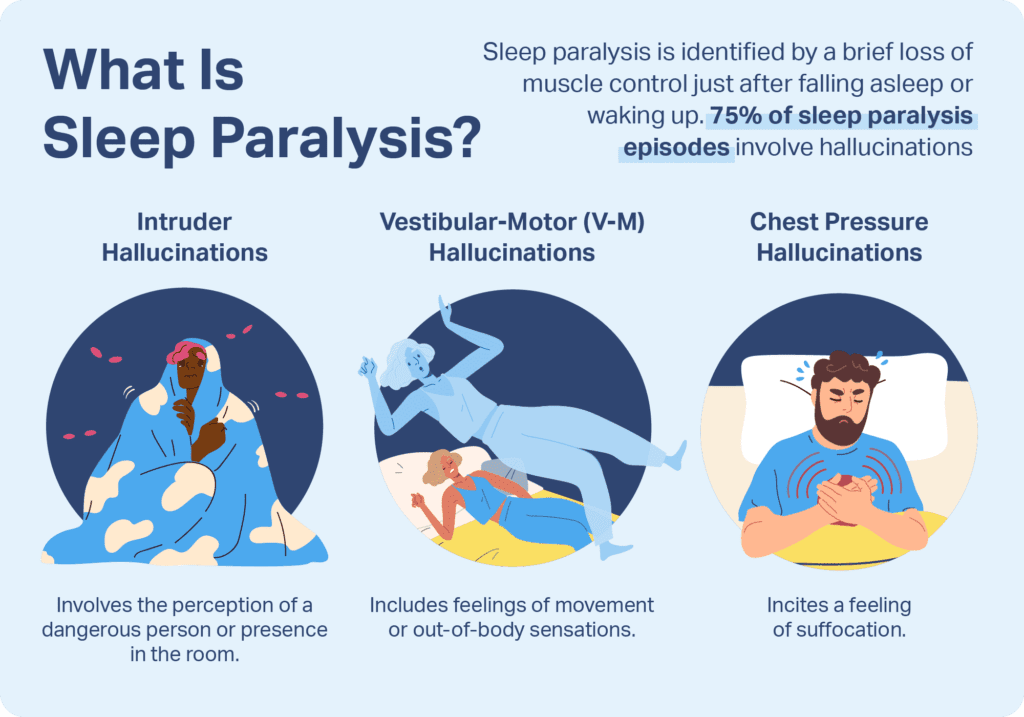
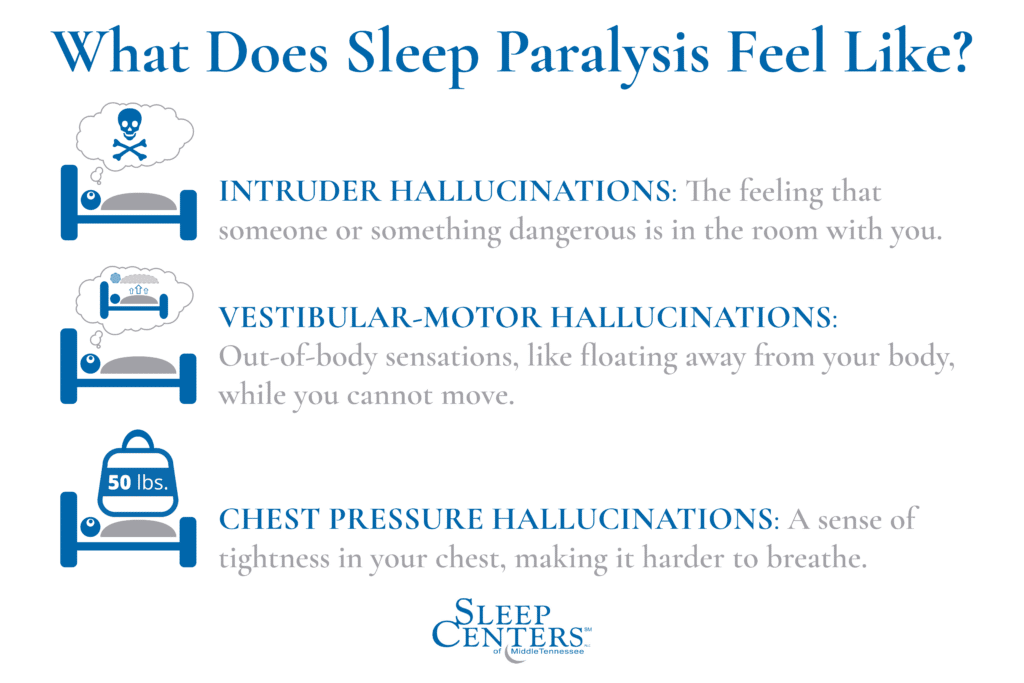
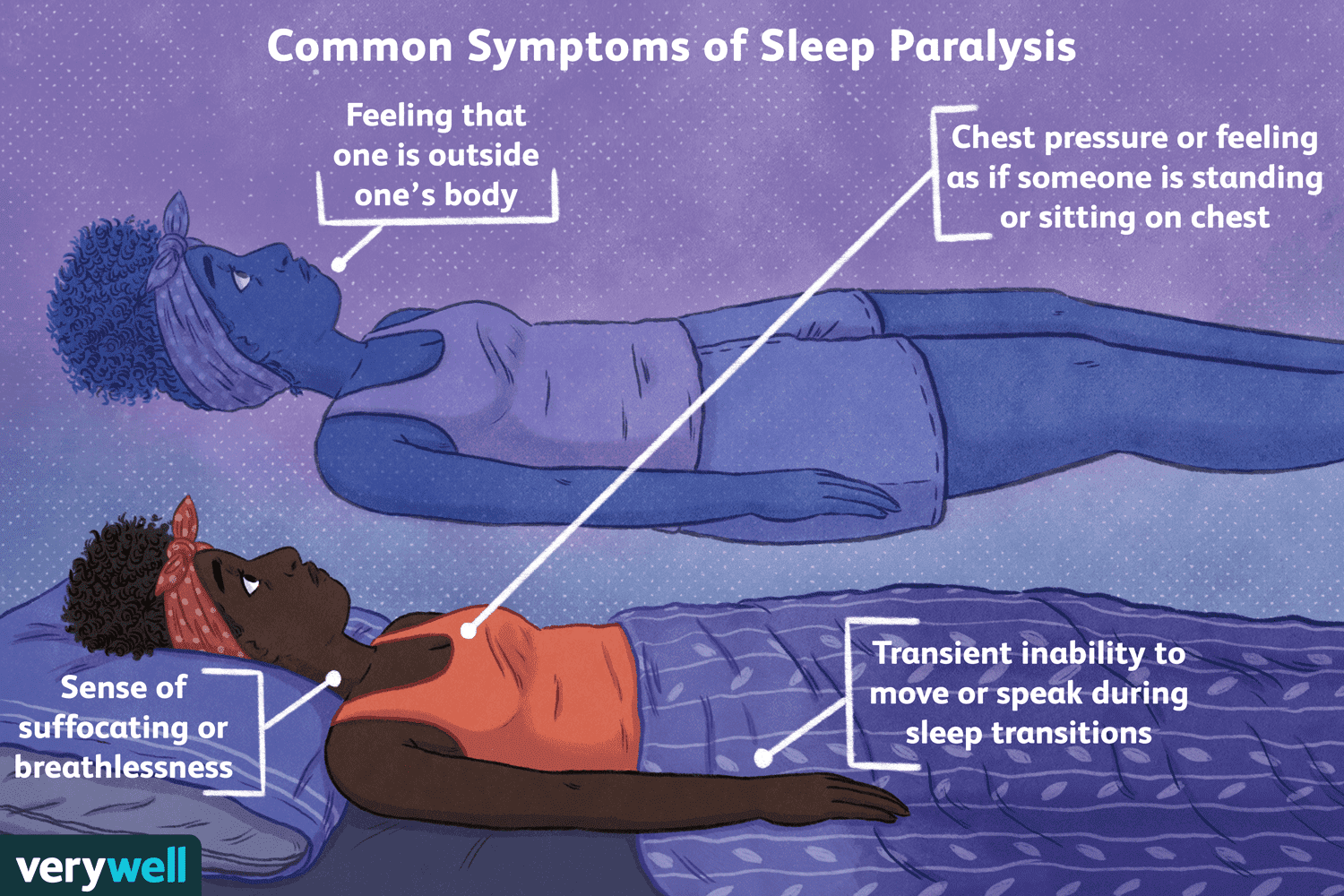
Sleep paralysis is a phenomenon that occurs when a person is either falling asleep or waking up. During this time, the individual is fully aware of their surroundings but unable to move or speak. This sensation can be accompanied by hallucinations, which can make the experience even more distressing.
Explaining the Experience
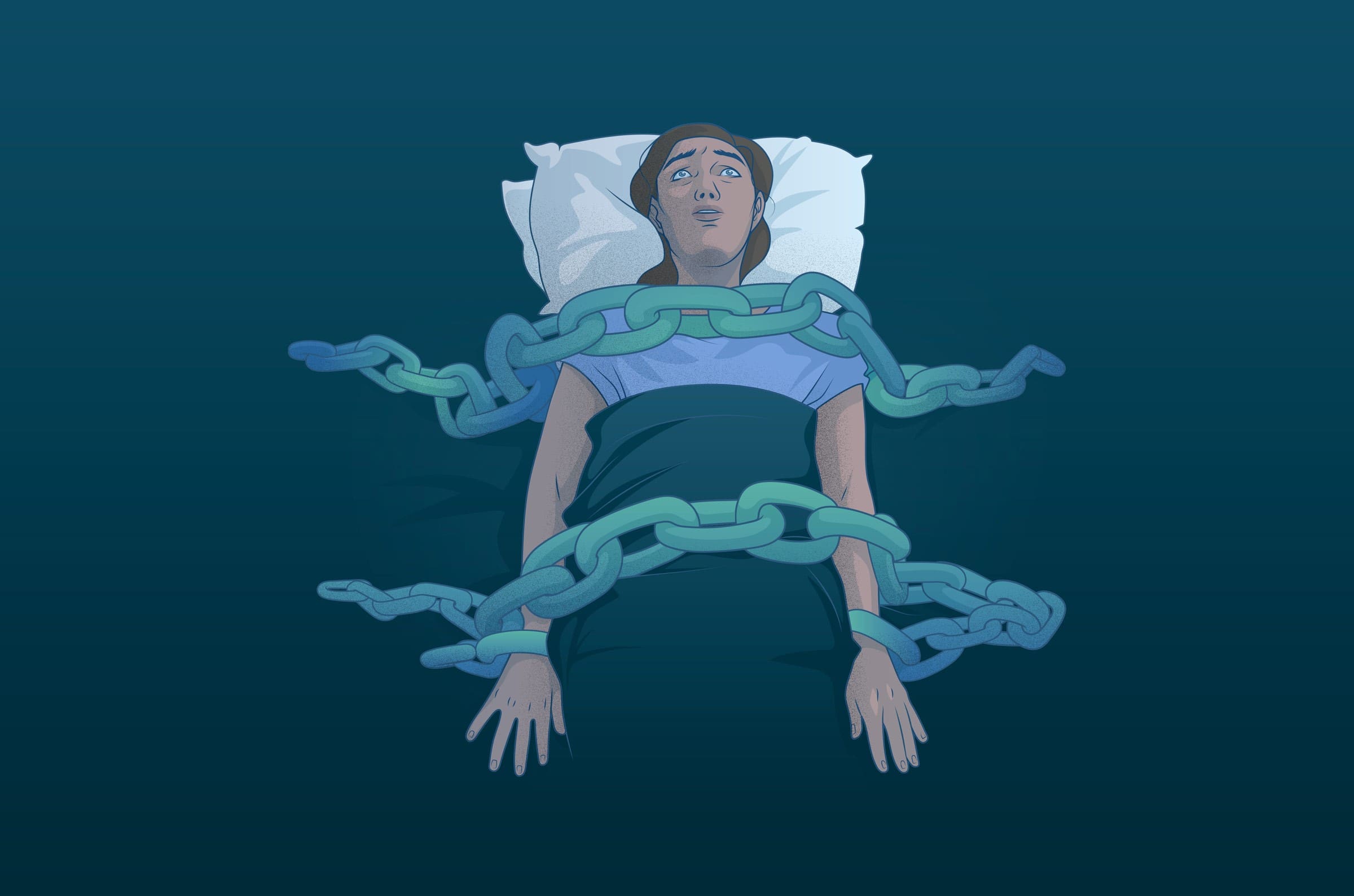
Imagine waking up in the middle of the night and realizing that you cannot move a muscle. You try to call out for help, but no sound comes from your mouth. Your mind is fully awake, but your body remains frozen in place. This is the reality of sleep paralysis.
The Connection Between Sleep Disorders and Sleep Paralysis
Sleep paralysis is often linked to various sleep disorders, including narcolepsy, insomnia, and sleep apnea. Understanding the connection between these conditions can provide valuable insights into the causes and potential treatments for sleep paralysis.
Narcolepsy
Narcolepsy is a chronic sleep disorder that affects the brain’s ability to regulate sleep-wake cycles. People with narcolepsy often experience excessive daytime sleepiness and may suddenly fall asleep during the day. Sleep paralysis is a common symptom of narcolepsy, as the brain’s tendency to enter rapid eye movement (REM) sleep while awake can lead to episodes of paralysis.
Insomnia
Insomnia is another common sleep disorder that can contribute to the development of sleep paralysis. People with insomnia often struggle to fall asleep or stay asleep throughout the night, leading to disruptions in their sleep cycles. These disruptions can increase the likelihood of experiencing sleep paralysis during the transitional stages of sleep.
Sleep Apnea
Sleep apnea is a sleep disorder characterized by pauses in breathing or shallow breathing during sleep. These disruptions in breathing can lead to fragmented sleep and interruptions in the normal sleep cycle. Individuals with sleep apnea may be more prone to experiencing sleep paralysis due to the impacts of disordered breathing on their overall sleep quality.
Risk Factors for Sleep Paralysis
While sleep disorders play a significant role in the occurrence of sleep paralysis, there are also several other risk factors to consider. Understanding these risk factors can help you identify potential triggers for your episodes of sleep paralysis.
Stress and Anxiety
High levels of stress and anxiety can contribute to the likelihood of experiencing sleep paralysis. The body’s stress response can interfere with the normal sleep cycle, leading to disruptions that may trigger episodes of sleep paralysis. Finding healthy ways to manage stress and anxiety can help reduce the frequency of these episodes.
Irregular Sleep Patterns
Inconsistent sleep patterns, such as frequent changes in sleep schedule or disrupted sleep routines, can increase the risk of experiencing sleep paralysis. Maintaining a regular sleep schedule and practicing good sleep hygiene can help stabilize your sleep cycles and reduce the likelihood of sleep paralysis episodes.
Substance Use
The use of certain substances, such as alcohol, caffeine, and recreational drugs, can impact the quality of your sleep and increase the risk of sleep paralysis. These substances can disrupt the normal sleep cycle and lead to disturbances that may trigger episodes of paralysis. Limiting your intake of these substances can help improve your overall sleep quality and reduce the occurrence of sleep paralysis.

Coping Strategies for Sleep Paralysis
Coping with sleep paralysis can be challenging, especially when the experience is frightening or disorienting. Having strategies in place to manage your episodes of sleep paralysis can help you feel more in control and reduce the impact of these occurrences on your overall well-being.
Relaxation Techniques
Practicing relaxation techniques, such as deep breathing, progressive muscle relaxation, or meditation, can help calm your mind and body during episodes of sleep paralysis. By focusing on your breathing and releasing tension in your muscles, you can ease the sensations of fear and helplessness that often accompany sleep paralysis.
Sleep Hygiene Practices
Maintaining good sleep hygiene practices can help improve the quality of your sleep and reduce the likelihood of experiencing sleep paralysis. This includes creating a comfortable sleep environment, establishing a consistent bedtime routine, and avoiding stimulating activities before bed. By prioritizing healthy sleep habits, you can support your body’s natural sleep cycle and minimize disruptions that may trigger sleep paralysis.
Seeking Professional Help
If you experience frequent or distressing episodes of sleep paralysis, it may be beneficial to seek professional help from a healthcare provider or sleep specialist. They can conduct a thorough evaluation of your sleep patterns and overall health to determine the underlying causes of your sleep paralysis and recommend appropriate treatments or interventions to help manage your symptoms.
Treatment Options for Sleep Paralysis
Treatment options for sleep paralysis vary depending on the underlying causes and severity of your symptoms. Understanding the available treatments can help you make informed decisions about managing your sleep paralysis and improving your overall sleep quality.
Medications
In some cases, medications may be prescribed to help manage symptoms of sleep paralysis. These medications may include antidepressants, anti-anxiety medications, or medications to support healthy sleep patterns. It is essential to work closely with your healthcare provider to determine the most appropriate medication options for your individual needs.
Cognitive-Behavioral Therapy (CBT)
Cognitive-behavioral therapy (CBT) is a therapeutic approach that can be beneficial for individuals experiencing sleep paralysis. CBT focuses on identifying and changing negative thought patterns and behaviors that may contribute to sleep disturbances. By working with a trained therapist, you can learn effective coping strategies to address the underlying causes of your sleep paralysis.
Lifestyle Changes
Making lifestyle changes can also help reduce the frequency and severity of sleep paralysis episodes. This may include improving your sleep hygiene practices, managing stress levels, and incorporating regular exercise into your routine. By prioritizing your overall health and well-being, you can create a supportive environment for restful sleep and improved sleep quality.
Conclusion
Sleep paralysis is a common phenomenon that can be unsettling and distressing for those who experience it. By understanding the link between sleep disorders and sleep paralysis, you can gain valuable insights into the underlying causes and triggers for this occurrence. Implementing coping strategies, seeking professional help, and exploring treatment options can help you manage your symptoms and improve your overall sleep quality. Remember, you are not alone in your experience of sleep paralysis, and there are resources available to support you on your journey to better sleep.