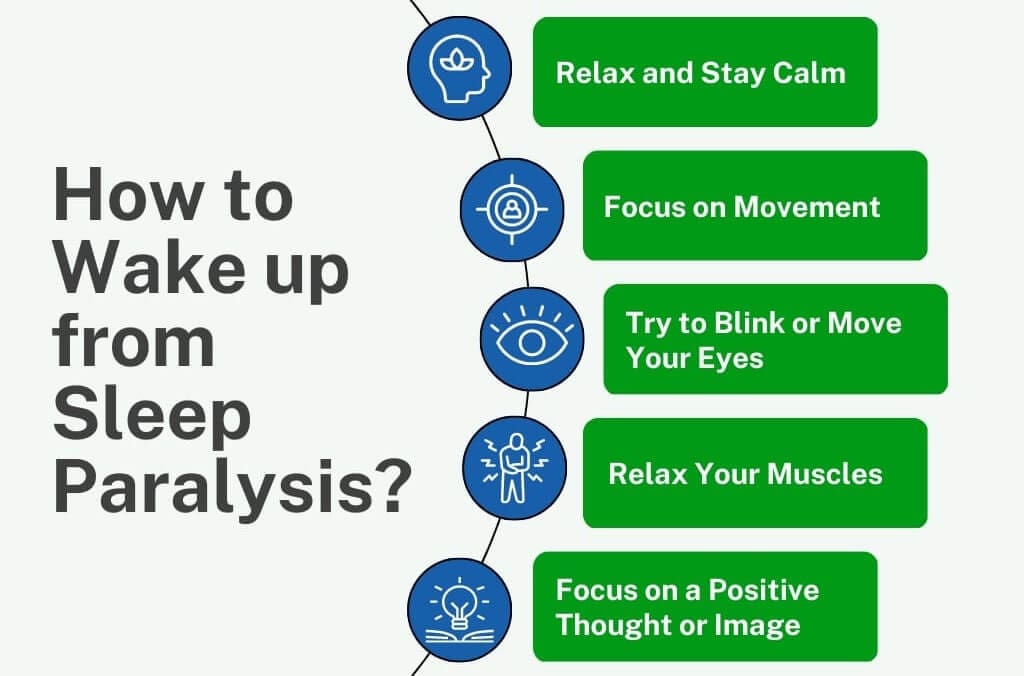
Have you ever experienced the terrifying sensation of being awake but unable to move or speak during sleep paralysis? In this article, we will explore some proven methods that can help you prevent this unsettling phenomenon. By making simple lifestyle changes and practicing relaxation techniques, you can take control of your sleep and reduce the likelihood of experiencing sleep paralysis. Say goodbye to those frightening moments and hello to peaceful slumber. Have you ever experienced the terrifying feeling of being awake but unable to move, with a sense of pressure on your chest and the feeling of being watched? If so, you may have experienced sleep paralysis. In this article, we will explore effective methods for preventing sleep paralysis and regaining control of your nighttime experiences.
Understanding Sleep Paralysis
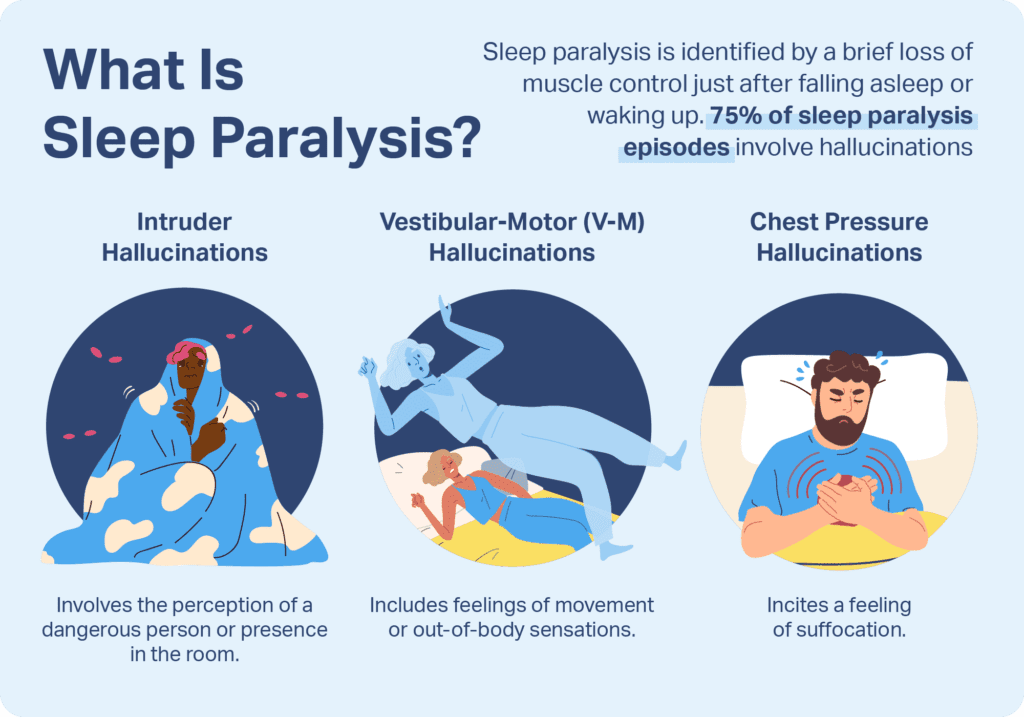
Sleep paralysis is a phenomenon that occurs when a person experiences a temporary inability to move or speak while falling asleep or waking up. It can be accompanied by hallucinations and a feeling of pressure on the chest. While sleep paralysis is not harmful in itself, it can be a frightening and unsettling experience for those who go through it.
What Causes Sleep Paralysis?
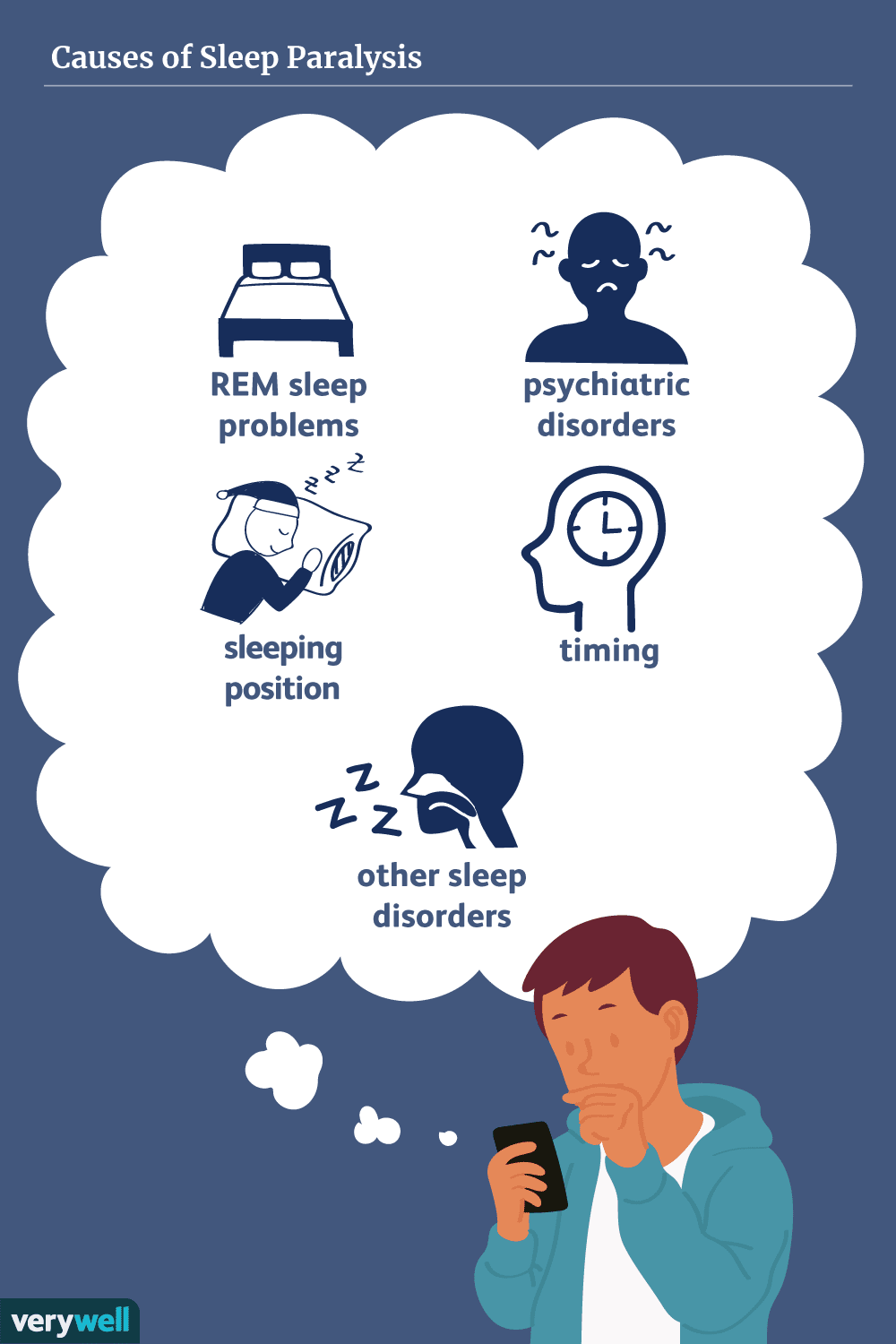
Sleep paralysis is believed to occur when a person’s body is temporarily out of sync with their mind during the stages of sleep. During rapid eye movement (REM) sleep, the body experiences muscle atonia, a natural paralysis that prevents the acting out of dreams. In some cases, however, a person may become conscious while in this state, leading to the sensation of being unable to move.
Who Is at Risk for Sleep Paralysis?
While sleep paralysis can affect anyone, certain factors may increase the likelihood of experiencing it. These risk factors include:
-
Sleep Deprivation: Not getting enough sleep can disrupt the body’s normal sleep cycles and increase the chances of experiencing sleep paralysis.
-
Irregular Sleep Patterns: Erratic sleep schedules or frequent disruptions during sleep can also contribute to episodes of sleep paralysis.
-
Stress and Anxiety: Mental health conditions such as anxiety and stress can make a person more susceptible to experiencing sleep paralysis.
Tips for Preventing Sleep Paralysis
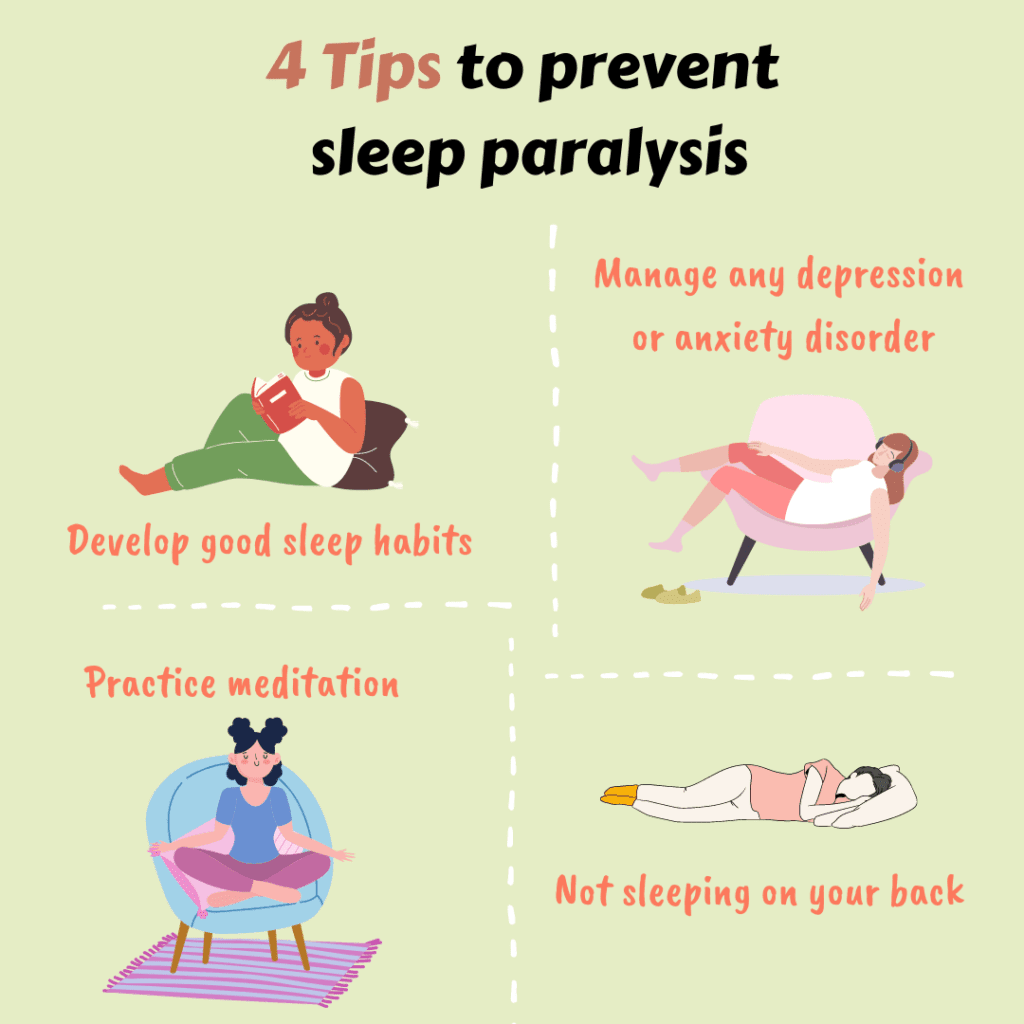
While there is no foolproof way to prevent sleep paralysis, there are several techniques and lifestyle changes that can help reduce the likelihood of experiencing it. By taking proactive steps to improve your sleep quality and overall well-being, you can create a more conducive environment for restful sleep.
Establish a Consistent Sleep Schedule
Maintaining a regular sleep routine is essential for ensuring that your body gets the rest it needs to function properly. Try to go to bed and wake up at the same time every day, even on weekends, to regulate your body’s internal clock.
Consistency in your sleep schedule can help improve the quality of your sleep and reduce the chances of experiencing disruptions like sleep paralysis.
Create a Relaxing Bedtime Routine
Developing a relaxing bedtime routine can help signal to your body that it is time to wind down and prepare for sleep. Activities such as reading, meditating, or taking a warm bath can help you relax and alleviate stress before bedtime.
By creating a calming bedtime routine, you can promote a sense of relaxation that can contribute to a more restful night’s sleep.
Improve Your Sleep Environment
Creating a comfortable and conducive sleep environment is essential for promoting restful sleep and minimizing disturbances during the night. Make sure your bedroom is dark, quiet, and cool, and invest in a comfortable mattress and pillows that support healthy sleep posture.
By optimizing your sleep environment, you can reduce the likelihood of disruptions that may trigger episodes of sleep paralysis.
Manage Stress and Anxiety
Stress and anxiety can significantly impact your sleep quality and increase the risk of experiencing sleep paralysis. Finding healthy ways to manage stress, such as exercise, meditation, or therapy, can help improve your overall well-being and promote better sleep.
By taking steps to address stress and anxiety in your life, you can create a more peaceful mindset that encourages restful sleep and reduces the occurrence of sleep paralysis.
Avoid Stimulants and Heavy Meals Before Bed
Consuming stimulants such as caffeine, nicotine, or heavy meals before bed can disrupt your body’s natural sleep cycles and make it harder to fall asleep. Instead, opt for light, sleep-friendly snacks and beverages in the hours leading up to bedtime.
By avoiding stimulating substances and heavy meals before bed, you can support your body’s natural sleep processes and reduce the risk of experiencing sleep paralysis.
Practice Good Sleep Hygiene
Maintaining good sleep hygiene involves adopting healthy habits and practices that promote restful sleep. This includes avoiding electronic devices before bed, limiting exposure to blue light, and creating a comfortable and relaxing sleep environment.
By practicing good sleep hygiene, you can improve the overall quality of your sleep and reduce the chances of experiencing disturbances like sleep paralysis.
Consider Therapy or Counseling
If stress, anxiety, or other mental health issues are contributing to your experience of sleep paralysis, seeking therapy or counseling can be beneficial. A mental health professional can help you address underlying issues and develop coping strategies to improve your overall well-being.
By seeking therapy or counseling, you can work towards reducing stress and anxiety levels that may exacerbate sleep paralysis episodes.
Conclusion
While sleep paralysis can be a frightening and unsettling experience, there are steps you can take to reduce the likelihood of experiencing it. By implementing healthy sleep habits, managing stress and anxiety, and creating a calming bedtime routine, you can create a more peaceful sleep environment that promotes restful sleep.
Remember that everyone’s experience with sleep paralysis is unique, and what works for one person may not work for another. If you continue to experience frequent episodes of sleep paralysis despite trying various prevention methods, consider speaking with a healthcare professional for further guidance and support.
By prioritizing your sleep health and well-being, you can take proactive steps to prevent sleep paralysis and improve the overall quality of your nighttime rest. Sweet dreams!