
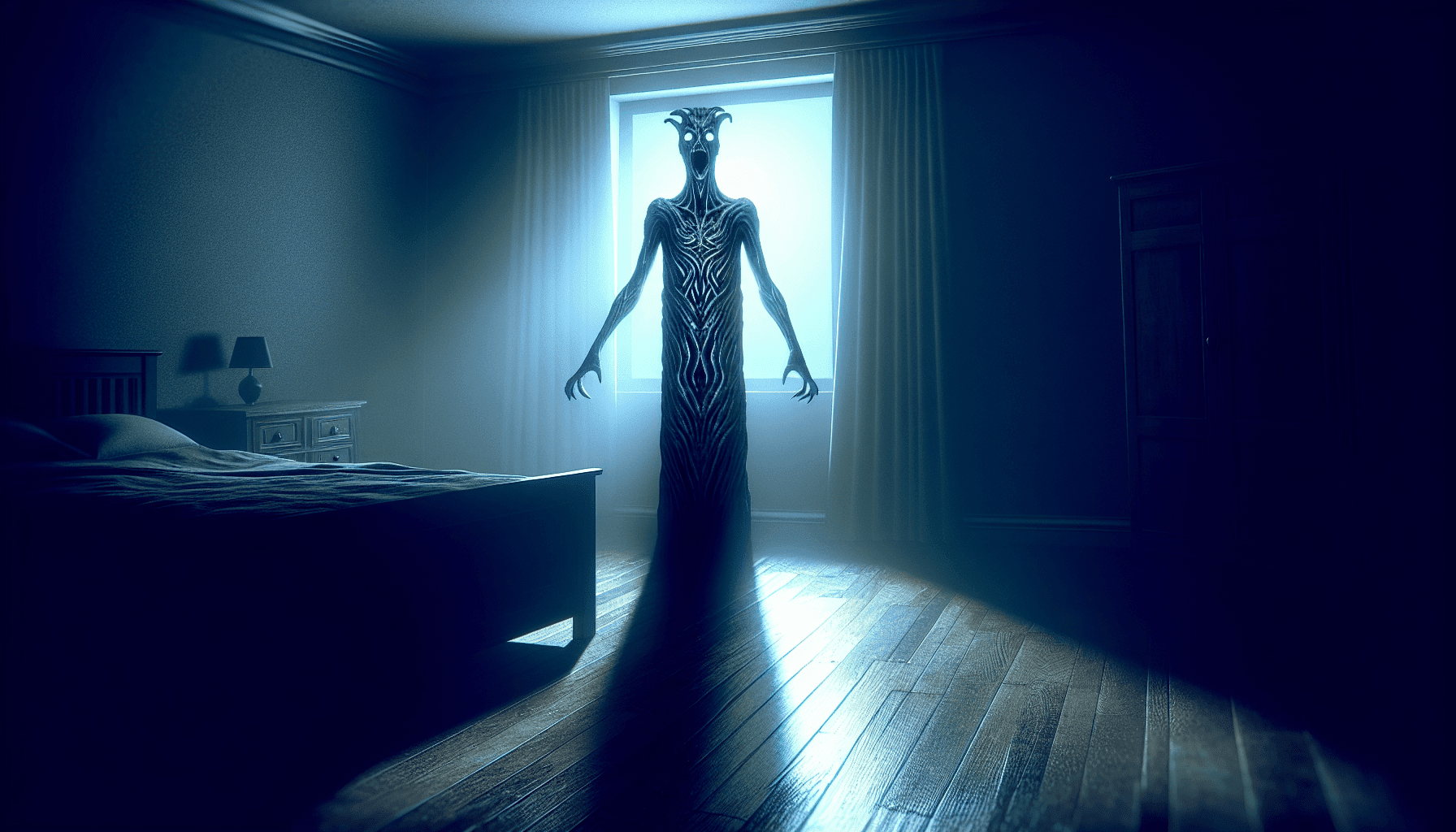
Sleep paralysis is a fascinating and eerie phenomenon that has captivated the attention of both scientists and individuals who have experienced it firsthand. During sleep paralysis, individuals find themselves awake and aware, yet completely immobilized, unable to move or speak. This peculiar state of consciousness often accompanies vivid hallucinations, creating a nightmarish experience that has been described for centuries across different cultures. In this article, you will explore the dark truth behind sleep paralysis, specifically the enigmatic figure known as the “sleep paralysis demon.”
The Definition of Sleep Paralysis
Understanding Sleep Paralysis
Sleep paralysis is a fascinating and perplexing phenomenon that occurs when you find yourself unable to move or speak upon awakening or falling asleep. It is characterized by a temporary inability to act out your dreams during REM (rapid eye movement) sleep, resulting in a state of muscle paralysis. While this occurrence is usually harmless, it can be accompanied by vivid hallucinations and a sense of imminent danger, leading to intense feelings of fear and anxiety.
The Experience of Sleep Paralysis
The experience of sleep paralysis varies from person to person but generally involves a feeling of being awake but unable to move. You may feel a weight or pressure on your chest, as if someone or something is holding you down. Your senses may be heightened, and you may perceive a presence in the room or experience visual or auditory hallucinations that can be both vivid and frightening. It is important to note that while the experience may be distressing, it is not typically indicative of a serious medical condition.
Common Symptoms
Some common symptoms associated with sleep paralysis include the inability to move or speak, a sense of pressure on the chest or inability to breathe, hallucinations (such as seeing shadows or figures in the room), a feeling of being watched or observed, and an overwhelming sense of fear or dread. These symptoms can be recurrent, happening multiple times over a person’s lifetime, or they can be isolated incidents. Understanding the symptoms is crucial in distinguishing sleep paralysis from other sleep disorders or medical conditions.
The Origins of the Sleep Paralysis Demon
Cultural Interpretations
Sleep paralysis has been interpreted and understood differently across various cultures throughout history. In some cultures, it is believed to be caused by supernatural entities, demons, or malevolent spirits. These cultural interpretations often stem from a lack of scientific understanding of the phenomenon and may contribute to the fear and anxiety associated with sleep paralysis. By exploring these cultural beliefs, we can gain insight into the historical perspectives and origins of the sleep paralysis demon.
Historical Beliefs
Throughout history, sleep paralysis has been the subject of fascination and mystical interpretations. Ancient civilizations, such as the Egyptians and Greeks, associated sleep paralysis with divine or supernatural forces. It was often perceived as a visitation from spirits or gods, highlighting the spiritual and religious significance attached to the experience. The historical beliefs surrounding sleep paralysis shed light on how our ancestors tried to make sense of this phenomenon without the benefit of scientific knowledge.
Mythological References
Mythologies around the world are replete with references to sleep paralysis and the entities associated with it. From the “Old Hag Syndrome” in Western folklore to the “Mara” in Scandinavian mythology, these mythological figures often depict malevolent beings that haunt and torment individuals during sleep paralysis episodes. These depictions further illustrate the cultural impact and enduring fascination with the sleep paralysis demon, as well as the universal nature of the experience across different societies.
Scientific Explanations
Neurological Factors
Sleep paralysis has been extensively studied and understood through a scientific lens within the field of neurology. It is believed to be caused by a disruption in the transition between wakefulness and REM sleep, leading to the activation of the brainstem regions responsible for muscle paralysis during the dreaming phase. Various neurological factors, including a decrease in the inhibitory neurotransmitter gamma-aminobutyric acid (GABA) and dysfunctional arousal systems, contribute to the occurrence of sleep paralysis.
REM Sleep and Muscle Paralysis
During the REM stage of sleep, the body undergoes a natural state of muscle paralysis known as atonia. This paralysis prevents us from physically acting out our dreams and helps maintain a state of calm during sleep. In sleep paralysis, this muscle atonia persists despite wakefulness, resulting in the inability to move or speak. Scientific explanations suggest that a disruption in this mechanism may be responsible for the physical immobility experienced during sleep paralysis.
Brain Chemical Imbalance
Another scientific explanation for sleep paralysis revolves around imbalances in brain chemicals, specifically the neurotransmitters involved in regulating sleep and wakefulness. Sleep paralysis has been associated with abnormalities in serotonin and dopamine levels, both of which play crucial roles in modulating sleep-wake cycles and regulating muscle movements. These imbalances may contribute to the manifestation of sleep paralysis and the accompanying hallucinations and altered perceptions.
Sleep Paralysis vs. Nightmares
Distinguishing Sleep Paralysis from Nightmares
Sleep paralysis and nightmares are often intertwined, leading to confusion between the two experiences. However, it is important to differentiate between them to better comprehend the nature of sleep paralysis. Nightmares occur during REM sleep and are characterized by vivid, often disturbing dream scenarios that evoke fear, dread, or anxiety. Sleep paralysis, on the other hand, involves wakefulness in conjunction with an inability to move, accompanied by hallucinations and a sense of physical paralysis.
Similarities and Differences
While sleep paralysis and nightmares share some similarities, such as the potential for hallucinations and the presence of fear or distress, they differ in their fundamental nature. Nightmares primarily occur during REM sleep and can be vivid and intense, whereas sleep paralysis involves being awake but physically immobilized. The underlying neurobiological processes also distinguish the two, with nightmares stemming from abnormal dream content, while sleep paralysis involves disruptions in the sleep-wake transition.
Why Sleep Paralysis Feels Real
One of the most intriguing aspects of sleep paralysis is the vividness and realism of the hallucinations experienced during the episodes. These hallucinations can be so lifelike that individuals often struggle to distinguish between reality and the dream-like states they find themselves in. The scientific explanation lies in the activation of the same brain regions responsible for processing sensory information during wakefulness, generating a sensory overlay on the perception of the individual, resulting in a convincing and tangible experience.
The Role of Fear and Anxiety
Psychological Impact
Sleep paralysis has a profound psychological impact on individuals who experience it. The intense fear, helplessness, and perceived threats during episodes can lead to long-lasting psychological repercussions, including anxiety disorders, mood disturbances, and even post-traumatic stress disorder (PTSD). The psychological impact of sleep paralysis is rooted in the combination of the physical immobility and the hallucinations, exacerbating feelings of vulnerability and terror.
Fear and the Power of the Mind
Fear plays a significant role in the experience of sleep paralysis, often amplifying the associated distress and anxiety. The human mind has a remarkable ability to create and magnify fears, especially in situations where individuals feel helpless or out of control. Sleep paralysis provides fertile ground for the mind to conjure up terrifying scenarios, further intensifying the emotional and psychological toll of the experience.
Managing Fear and Anxiety
Given the unsettling nature of sleep paralysis, it is crucial to develop strategies to manage the fear and anxiety associated with it. Techniques such as relaxation exercises, cognitive-behavioral therapy (CBT), and mindfulness can help individuals gain a sense of control over their fears and reduce the impact of sleep paralysis on their overall well-being. Additionally, seeking support from mental health professionals can provide valuable guidance in addressing the psychological aspects of sleep paralysis.
Coping Mechanisms and Treatment
Self-Help Techniques
There are several self-help techniques that individuals experiencing sleep paralysis can employ to mitigate its impact and alleviate associated distress. Establishing a consistent sleep schedule, creating a conducive sleep environment, and practicing stress-reducing activities can contribute to better sleep quality and potentially reduce the frequency of sleep paralysis episodes. Developing relaxation techniques, such as deep breathing or progressive muscle relaxation, can also be helpful in managing the fear and anxiety during these episodes.
Medical Interventions
In severe cases of sleep paralysis or when other sleep disorders coexist, medical interventions may be necessary to alleviate the symptoms and improve overall sleep quality. Medications targeting sleep disturbances, such as selective serotonin reuptake inhibitors (SSRIs) or benzodiazepines, may be prescribed by healthcare professionals to regulate sleep patterns and reduce the occurrence of sleep paralysis. However, it is important to consult with a healthcare provider to determine the appropriateness and potential risks of any medication.
Therapeutic Approaches
Psychotherapy, particularly cognitive-behavioral therapy (CBT), can be highly beneficial in addressing the psychological impact of sleep paralysis. CBT focuses on identifying and challenging negative thought patterns and beliefs surrounding sleep paralysis, helping individuals reframe their perceptions and reduce associated anxiety. Other therapeutic approaches, such as exposure therapy or eye movement desensitization and reprocessing (EMDR), may also be utilized in conjunction with CBT to alleviate the distress caused by sleep paralysis.
Beyond the Supernatural: Unveiling the Science
Paranormal Explanations: A Closer Look
While sleep paralysis has often been associated with supernatural or paranormal entities, scientific research offers alternative explanations for these experiences. Investigating the physiological and psychological aspects of sleep paralysis can provide a comprehensive understanding of this phenomenon, dispelling the notions of demonic presence or malevolent spirits. By delving into the scientific mechanisms behind sleep paralysis, we can broaden our knowledge and challenge preconceived notions.
Exploring Hypnagogic and Hypnopompic Hallucinations
Hypnagogic and hypnopompic hallucinations are closely linked to sleep paralysis and provide insight into the vivid visual and auditory experiences associated with this phenomenon. Hypnagogic hallucinations occur during the transition from wakefulness to sleep, while hypnopompic hallucinations occur during the transition from sleep to wakefulness. These hallucinations can be influenced by a range of factors, such as sleep deprivation, stress, or certain medications, contributing to the intense perceptual experiences during sleep paralysis.
Understanding Sleep Disorders
Exploring sleep disorders that occur in conjunction with sleep paralysis can shed light on the broader context in which this phenomenon occurs. Conditions such as narcolepsy, sleep apnea, and insomnia have been linked to an increased risk of experiencing sleep paralysis. Understanding the interplay between sleep disorders and sleep paralysis not only contributes to our knowledge of these conditions but also highlights the importance of comprehensive sleep assessment and treatment.
Personal Stories and Experiences
Insights from Individuals Who Have Experienced Sleep Paralysis
Listening to the narratives of individuals who have experienced sleep paralysis provides valuable insights into the subjective experience and impact of the phenomenon. Personal stories often highlight the fear, confusion, and sense of vulnerability associated with sleep paralysis, as well as the profound relief and validation that comes from sharing these experiences with others. These narratives help normalize sleep paralysis and foster a sense of community among individuals who have encountered these episodes.
Recurring Themes and Patterns
Analyzing personal stories and experiences reveals recurring themes and patterns that can provide further understanding. Common experiences often include the presence of a malevolent entity, a feeling of being watched or held down, and the inability to move or speak. Visual hallucinations, such as shadowy figures or supernatural beings, also feature prominently. These recurring themes and patterns offer an opportunity to explore the universality of sleep paralysis and its impact on individuals across cultures and contexts.
The Power of Shared Experiences
By sharing their experiences and engaging in conversations with others who have encountered sleep paralysis, individuals can find solace and validation, realizing they are not alone in their experiences. The power of shared experiences lies in the sense of support and understanding that can arise from connecting with others. Online forums and support groups dedicated to sleep paralysis provide a platform for individuals to share their stories, ask questions, and seek advice from others who have walked a similar path.
Practical Tips for Dealing with Sleep Paralysis
Creating a Sleep-Friendly Environment
Crafting a sleep-friendly environment is essential for individuals experiencing sleep paralysis. This involves establishing a regular sleep schedule, ensuring a comfortable and calm sleeping environment, and implementing relaxation techniques before bed. Minimizing external disturbances and avoiding the consumption of stimulating substances close to bedtime, such as caffeine or electronic devices, can also contribute to a more conducive sleep setting.
Establishing a Relaxation Routine
Integrating relaxation routines into your daily life can have a positive impact on sleep quality and reduce the occurrence of sleep paralysis. Engaging in activities such as deep breathing exercises, meditation, or yoga before bedtime can help calm the mind and promote a sense of relaxation. As part of the relaxation routine, it is important to create a peaceful and soothing bedtime ritual, enabling a smoother transition into sleep.
Seeking Professional Guidance
If sleep paralysis persists and significantly affects your quality of life, seeking professional guidance is recommended. Sleep specialists, psychologists, or therapists with expertise in sleep disorders can provide invaluable support and guidance throughout the journey. These professionals can conduct a comprehensive evaluation, diagnose any underlying sleep disorders, and develop personalized treatment plans tailored to your specific needs.
Conclusion: Shedding Light on the Sleep Paralysis Demon
The Intersection of Science and Culture
Through an exploration of both scientific explanations and cultural beliefs surrounding sleep paralysis, we gain a more comprehensive understanding of this intriguing phenomenon. Recognizing the intersection of science and culture allows us to appreciate the complex nature of sleep paralysis and recognize the importance of context and personal perspectives when studying and interpreting these experiences.
Empowering Knowledge to Overcome Fear
Arming ourselves with knowledge is crucial in overcoming the fear and distress associated with sleep paralysis. By understanding the science, psychology, and cultural background of sleep paralysis, individuals can confront their fears with a rational mindset and develop strategies to manage the experience. Knowledge empowers individuals to approach sleep paralysis from a place of understanding, ultimately reducing the psychological impact it may have.
Continued Research and Understanding
While significant progress has been made in unraveling the mysteries of sleep paralysis, ongoing research is vital for furthering our understanding of this phenomenon. Continued study can provide us with more insights into the underlying mechanisms, risk factors, and potential treatment approaches for sleep paralysis. By working towards a deeper understanding, we can help individuals navigate their experiences and ultimately improve their overall well-being.