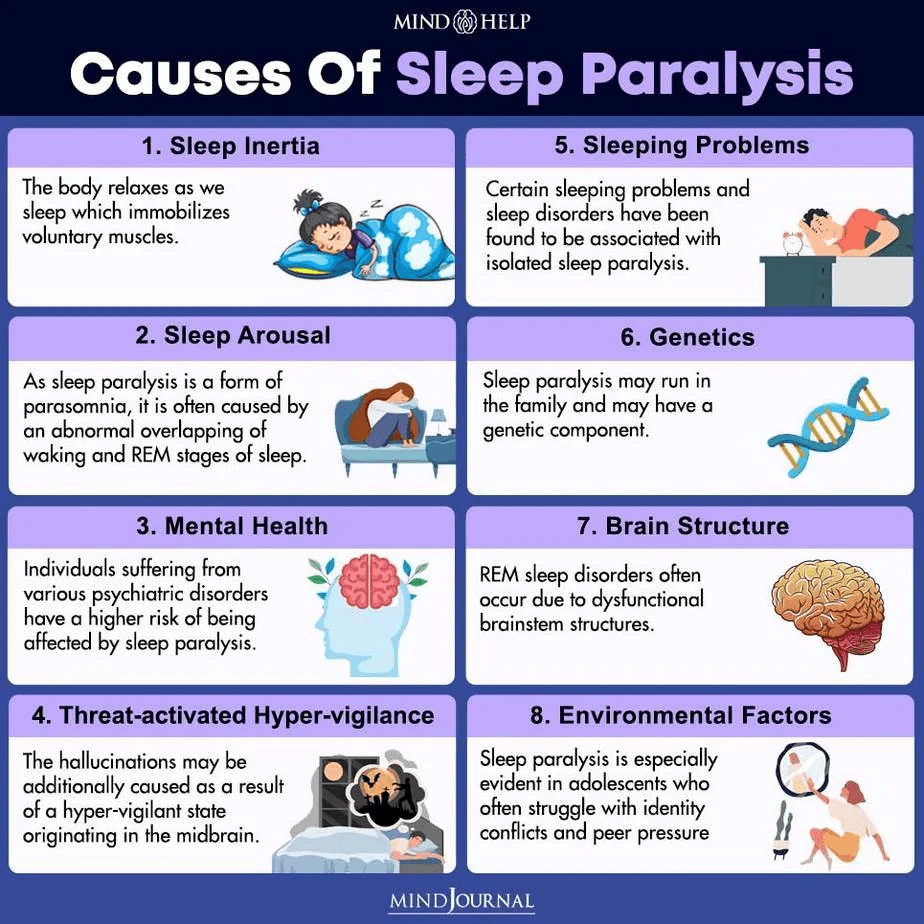
The physical and psychological effects of sleep paralysis can be overwhelming and frightening. In my own experience, I have felt a sense of fear and helplessness during these episodes, as my body becomes temporarily paralyzed while my mind is fully awake. The sensation of being trapped in my own body, unable to move or speak, can be terrifying. Additionally, the presence of hallucinations and a feeling of pressure on my chest only adds to the intense mental and physical toll of sleep paralysis. Through awareness and coping mechanisms, I have learned to navigate these episodes and lessen their impact on my overall well-being. Have you ever experienced the terrifying phenomenon of sleep paralysis? It can be a truly frightening experience, but understanding the physical and psychological effects of sleep paralysis can help you cope with and manage this condition. Let’s take a closer look at how sleep paralysis can impact you both physically and mentally.
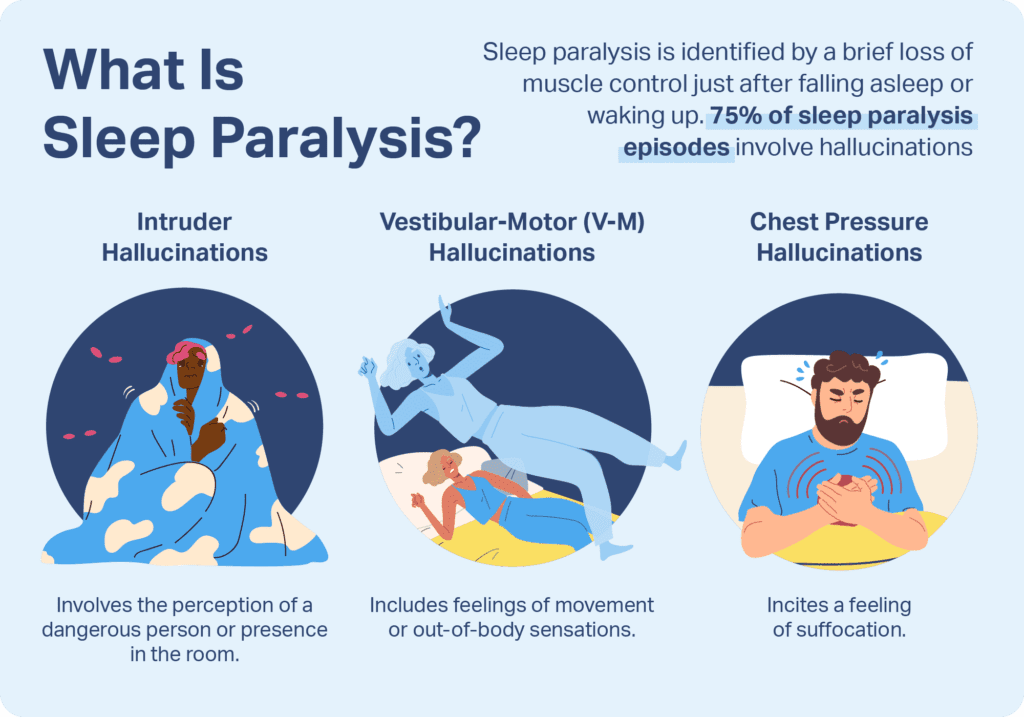
What is Sleep Paralysis?
Sleep paralysis is a temporary inability to move or speak that occurs when you are either falling asleep or waking up. During an episode of sleep paralysis, your mind is awake, but your body is still in the state of REM (Rapid Eye Movement) sleep, where your muscles are typically paralyzed to prevent you from acting out your dreams. This can be a scary experience as you may feel trapped and unable to move or make a sound.
Personal Experience: Dealing with Sleep Paralysis
If you have ever experienced sleep paralysis, you are not alone. Many people experience this phenomenon at least once in their lives. It can be a deeply unsettling experience, leaving you feeling vulnerable and frightened. However, understanding what is happening to your body and mind during sleep paralysis can help alleviate some of the fear associated with it.
The Physical Effects of Sleep Paralysis
Sleep paralysis can have several physical effects on your body. Understanding these effects can help you identify when you are experiencing sleep paralysis and distinguish it from other sleep disturbances.
Muscle Weakness and Paralysis
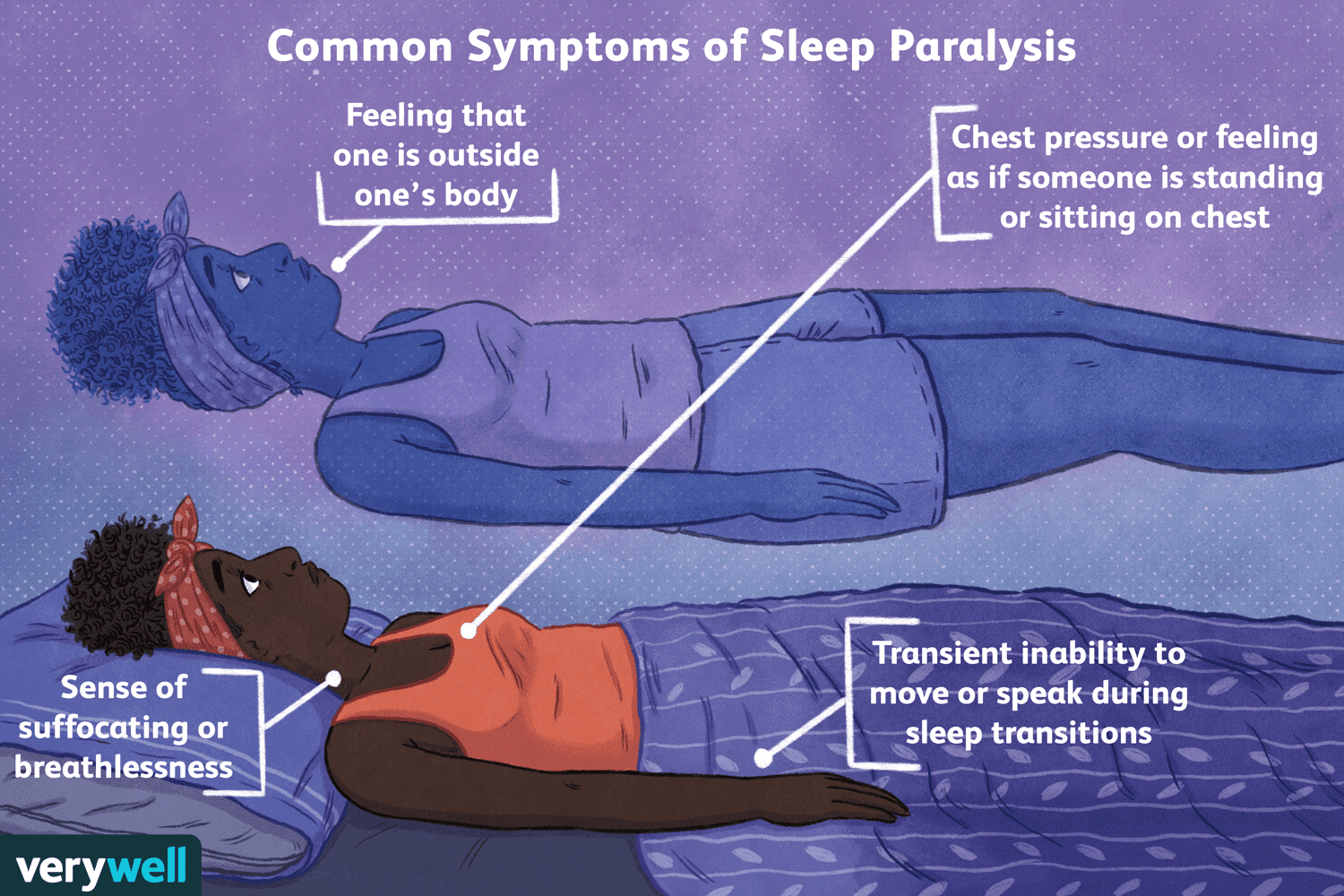
One of the hallmark physical effects of sleep paralysis is muscle weakness and paralysis. During an episode of sleep paralysis, your voluntary muscles are temporarily immobilized, making it difficult or impossible to move your limbs, speak, or open your eyes. This sensation of being unable to move can be frightening and disorienting.
Hypnagogic Hallucinations
Hypnagogic hallucinations are vivid, dream-like experiences that can occur during sleep paralysis. These hallucinations can involve seeing or hearing things that are not really there, such as shadowy figures, intruders, or other threatening entities. While these hallucinations are not real, they can feel incredibly vivid and lifelike, adding to the fear and confusion of sleep paralysis.
Personal Experience: Coping with Muscle Weakness
When experiencing muscle weakness during sleep paralysis, it’s important to remember that this sensation is temporary and will pass once the episode is over. Focus on trying to relax and remain calm, as fighting against the paralysis can make the experience more distressing. Take slow, deep breaths and reassure yourself that you will regain control of your body soon.
The Psychological Effects of Sleep Paralysis
In addition to its physical effects, sleep paralysis can also have significant psychological effects on your mental well-being. Understanding the psychological impact of sleep paralysis can help you manage the anxiety and fear that often accompany this condition.
Fear and Anxiety
Fear and anxiety are common psychological effects of sleep paralysis. The feeling of being trapped and unable to move can trigger intense feelings of panic and dread. Hypnagogic hallucinations can also heighten feelings of fear, as the mind may perceive these hallucinations as real threats.
Personal Experience: Overcoming Fear and Anxiety
When experiencing fear and anxiety during sleep paralysis, it’s important to remind yourself that the episode is temporary and will eventually pass. Focus on redirecting your thoughts to something calming or reassuring, such as visualizing a peaceful place or repeating a comforting mantra in your mind. Practice deep breathing exercises to help calm your nervous system and reduce feelings of panic.
Sleep Disruption and Insomnia
Sleep paralysis can disrupt your normal sleep patterns and lead to insomnia. The fear of experiencing another episode of sleep paralysis can cause anxiety about falling asleep, leading to difficulty falling or staying asleep. This can result in feelings of fatigue, irritability, and difficulty concentrating during the day.
Personal Experience: Improving Sleep Quality
To improve sleep quality and reduce the likelihood of experiencing sleep paralysis, establish a consistent bedtime routine that promotes relaxation and restful sleep. Avoid stimulating activities before bed, such as watching TV or using electronic devices. Create a calm and comfortable sleep environment free of distractions. Practice relaxation techniques, such as meditation or gentle yoga, to help calm your mind and body before bedtime.
Coping Strategies for Dealing with Sleep Paralysis
While sleep paralysis can be a frightening and unsettling experience, there are coping strategies you can use to help manage and minimize its physical and psychological effects.
Understanding Triggers and Risk Factors
Identifying your personal triggers and risk factors for sleep paralysis can help you anticipate and prepare for episodes. Common triggers for sleep paralysis include stress, anxiety, irregular sleep patterns, and sleep deprivation. By recognizing these triggers, you can take proactive steps to reduce their impact on your sleep quality.
Personal Experience: Identifying Triggers
To identify your personal triggers for sleep paralysis, keep a sleep journal to track your sleep patterns and any factors that may contribute to episodes. Note any stressful events, changes in your sleep routine, or emotional disturbances that coincide with episodes of sleep paralysis. By identifying patterns and triggers, you can work towards minimizing their impact on your sleep health.
Practicing Good Sleep Hygiene
Maintaining good sleep hygiene is essential for managing sleep paralysis and promoting restful sleep. Practice healthy sleep habits, such as going to bed and waking up at the same time each day, creating a relaxing bedtime routine, and ensuring your sleep environment is conducive to restful sleep. Avoid stimulants like caffeine and nicotine close to bedtime, and limit screen time before bed to optimize sleep quality.
Personal Experience: Implementing Good Sleep Habits
To practice good sleep hygiene and improve your sleep quality, establish a bedtime routine that helps signal to your body that it’s time to sleep. This routine can include activities such as reading a book, taking a warm bath, or listening to calming music. Create a sleep-friendly environment by keeping your bedroom cool, dark, and quiet. Avoid electronic devices in the hour before bed to prevent screen-induced sleep disturbances.
Seeking Professional Help
If you continue to experience frequent or distressing episodes of sleep paralysis despite trying coping strategies, consider seeking help from a healthcare professional. A sleep specialist can help diagnose any underlying sleep disorders that may be contributing to your experience of sleep paralysis and recommend appropriate treatment options. Therapy, medication, and behavioral interventions may be recommended to help manage sleep paralysis and improve your overall sleep health.
Personal Experience: Reaching Out for Support
If you find that coping strategies are not effectively managing your sleep paralysis symptoms, don’t hesitate to reach out for professional help. Speaking to a healthcare provider, therapist, or sleep specialist can provide you with the support and guidance you need to overcome sleep paralysis and improve your sleep quality. Remember that you are not alone in this experience, and there are resources available to help you navigate through it.

Conclusion
Understanding the physical and psychological effects of sleep paralysis can help you cope with and manage this condition effectively. By recognizing the triggers, symptoms, and coping strategies associated with sleep paralysis, you can take proactive steps to reduce its impact on your sleep health and overall well-being. Remember that sleep paralysis is a common and manageable sleep disorder, and with the right support and resources, you can overcome its challenges and enjoy restful, peaceful sleep. Good luck on your journey to better sleep and well-being!