
In “Confronting the Malevolent: Understanding Sleep Paralysis Demons,” the deeply unsettling phenomenon of sleep paralysis demons is explored and dissected. This article aims to unravel the enigmatic nature of these malevolent entities that haunt individuals during episodes of sleep paralysis. Drawing on extensive research and expert insights, it delves into the psychology behind these hallucinations, shedding light on the common experiences reported by those who have encountered these sinister creatures. By comprehending the origins and mechanisms of sleep paralysis demons, one can gain a deeper understanding of this perplexing phenomenon and potentially find solace in the knowledge that these terrifying encounters can be explained.
What is Sleep Paralysis?
Sleep paralysis is a phenomenon that occurs when a person is temporarily unable to move or speak while falling asleep or waking up. It is often accompanied by vivid hallucinations and a sense of fear or dread. This state of paralysis typically lasts for a few seconds to a few minutes, and can be quite distressing for those who experience it.
Definition of Sleep Paralysis
Sleep paralysis is defined as a state of muscle atonia that occurs during the transition between wakefulness and sleep, or vice versa. During this state, the brain’s voluntary muscles are temporarily immobilized, causing a feeling of paralysis. Despite being awake and conscious, individuals are unable to move, speak, or even scream for help.
Causes of Sleep Paralysis
The exact causes of sleep paralysis are not yet fully understood, but there are several factors that have been identified as potential triggers. Sleep deprivation, irregular sleep schedules, stress, anxiety, and certain sleep disorders such as narcolepsy have been associated with an increased likelihood of experiencing sleep paralysis. Additionally, genetic and environmental factors may also play a role in its occurrence.
Prevalence and Occurrence
Sleep paralysis is a relatively common phenomenon, with studies estimating that between 8% to 50% of the general population experiences it at some point in their lives. It is most commonly reported in adolescents and young adults, and tends to affect women more frequently than men. Sleep paralysis can occur sporadically or become recurrent, with some individuals experiencing it multiple times a week.
Understanding Sleep Paralysis Demons
Sleep paralysis demons, also known as hypnagogic or hypnopompic hallucinations, are a common feature of sleep paralysis experiences across different cultures and belief systems. These hallucinations are often characterized by the perception of malevolent entities or supernatural beings that seem to appear in the person’s surrounding environment.
Origins and Cultural Beliefs
Beliefs surrounding sleep paralysis demons can be traced back to ancient civilizations and folklore, where they were often interpreted as malevolent spirits or mythical creatures. These cultural beliefs have shaped the way sleep paralysis demons are perceived and understood in different parts of the world.
Different Interpretations of Sleep Paralysis Demons Across Cultures
The interpretation of sleep paralysis demons varies widely across different cultures. In some cultures, they are seen as malevolent spirits, while in others they are believed to be souls of the deceased, witches, or even extraterrestrial beings. These interpretations reflect the cultural beliefs and superstitions prevalent among the respective communities.
Common Features and Characteristics Attributed to Sleep Paralysis Demons
While there is considerable variation in the specific appearances and behaviors attributed to sleep paralysis demons, some common features and characteristics can be observed across different accounts. These include sensations of being watched, feelings of terror, and the perception of an oppressive presence in the room. The demons are often described as shadowy figures, grotesque creatures, or sinister human-like entities.
The Psychological Perspective
From a psychological standpoint, sleep paralysis demons can be understood as hallucinations that are triggered by the brain’s state during sleep paralysis. These hallucinations are believed to arise from a combination of fear, anxiety, and heightened emotional arousal.
Role of Fear and Anxiety in Sleep Paralysis Hallucinations
Fear and anxiety play a central role in the occurrence of sleep paralysis hallucinations. The fear associated with sleep paralysis can activate the sympathetic nervous system, leading to heightened arousal and increased production of stress hormones. This physiological response can intensify the hallucinatory experience and contribute to the perception of malevolent entities.
The Link Between Sleep Paralysis and Lucid Dreaming
Sleep paralysis and lucid dreaming share certain common features and can occur simultaneously in some individuals. Lucid dreaming refers to the state of being aware that one is dreaming while still experiencing the dream. It is believed that the boundary between wakefulness and dreaming becomes blurred during sleep paralysis, leading to a state where the person is conscious of being in a dream-like state.
Explanation of Sleep Paralysis Demons from a Psychological Standpoint
From a psychological perspective, sleep paralysis demons can be understood as projections of the individual’s own fears and anxieties. The brain, in an attempt to make sense of the immobilizing and disorienting experience of sleep paralysis, creates a narrative that aligns with the person’s preexisting beliefs and fears. This narrative manifests as the perception of malevolent entities or demons.
The Scientific Explanation
Research in the field of neuroscience has shed light on the underlying neurological and physiological mechanisms behind sleep paralysis. Understanding these mechanisms can help explain the occurrence of hallucinations during sleep paralysis.
Neurological and Physiological Mechanisms Behind Sleep Paralysis
Sleep paralysis is thought to occur due to disruptions in the brain’s normal sleep-wake cycle. During REM (rapid eye movement) sleep, which is associated with dreaming, the brain sends signals to inhibit the voluntary muscles, resulting in a state of muscle atonia. In sleep paralysis, this muscle atonia persists even after awakening or before falling asleep, causing the sensation of paralysis.
The Role of REM Sleep in Sleep Paralysis
REM sleep is a crucial stage of the sleep cycle and is associated with vivid dreaming and physiological changes. When sleep paralysis occurs, individuals may partially awaken while still experiencing the REM state, leading to a mismatch between the conscious mind and the body’s paralyzed state. This mismatch can contribute to the perception of strange and frightening hallucinations.
How Hallucinations Occur During Sleep Paralysis
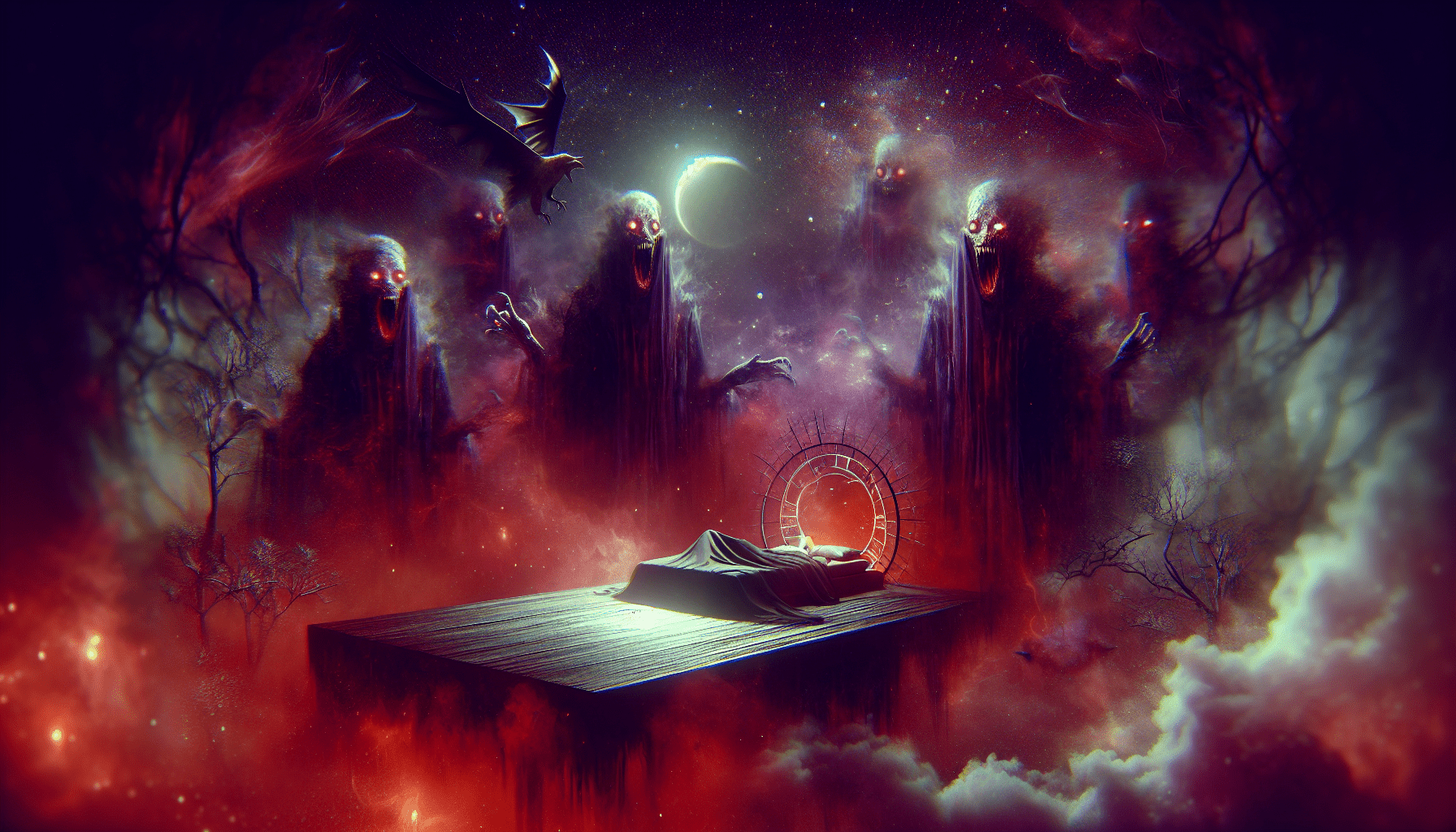
Hallucinations during sleep paralysis are believed to be a result of the brain’s attempts to make sense of the disoriented and immobilized state. The brain integrates sensory information with existing beliefs, memories, and emotions, giving rise to vivid and often terrifying hallucinations. The amygdala, a part of the brain involved in the processing of emotions, may play a significant role in amplifying the fear response during sleep paralysis hallucinations.
Spiritual and Supernatural Interpretations
In addition to psychological and scientific explanations, sleep paralysis demons have also been interpreted from spiritual and supernatural perspectives. These interpretations often involve beliefs in malevolent entities or demons.
Beliefs in Malevolent Entities or Demons
Across various cultures and belief systems, there are longstanding beliefs in the existence of malevolent entities or demons that have the ability to influence human experiences. These entities are often associated with negative emotions, fear, and suffering.
Cultures and Religions with Specific Notions of Sleep Paralysis Demons
Certain cultures and religions have specific notions of sleep paralysis demons and attribute them to supernatural causes. For example, in some African and Afro-Caribbean cultures, sleep paralysis demons are believed to be the result of witchcraft, while in Christian demonology, they might be seen as manifestations of demonic or evil forces.
Experiences and Encounters with Sleep Paralysis Demons
Individuals who have experienced sleep paralysis demons often describe encounters that feel incredibly real and terrifying. These encounters can leave a lasting impact on a person’s spiritual beliefs and worldview, often leading them to seek solace, protection, or guidance from religious or spiritual sources.
Managing and Coping with Sleep Paralysis Demons
For individuals who regularly experience sleep paralysis demons, managing and coping with these episodes is crucial for their well-being and quality of life. There are several strategies that can be employed to mitigate the distress caused by sleep paralysis.
Recognizing and Accepting Sleep Paralysis
The first step in managing sleep paralysis demons is to recognize and acknowledge the condition. Understanding that sleep paralysis is a relatively common and harmless phenomenon can help reduce anxiety and fear associated with the experiences. Acceptance of the condition can also contribute to a more positive mindset when facing sleep paralysis episodes.
Practical Coping Strategies During Sleep Paralysis Episodes
During sleep paralysis episodes, it can be helpful to focus on controlled breathing and relaxation techniques. Redirecting attention away from the hallucinations and towards calming techniques can aid in reducing fear and anxiety. Additionally, forming a pre-sleep routine that promotes relaxation, such as minimizing screen time and creating a comfortable sleep environment, may help reduce the occurrence of sleep paralysis.
Seeking Professional Help and Treatment Options
If sleep paralysis episodes become frequent or significantly impact daily functioning, seeking professional help from a sleep specialist, psychologist, or psychiatrist may be beneficial. Cognitive-behavioral therapy (CBT) techniques, medication, or a combination of both may be recommended to alleviate the distress associated with sleep paralysis and its related hallucinations.
Myth-Busting Sleep Paralysis Demons
Sleep paralysis demons have been subject to numerous misconceptions, urban legends, and supernatural speculations. It is important to separate fact from fiction and debunk some of these myths.
Debunking Misconceptions and Urban Legends About Sleep Paralysis Demons
One common misconception is that sleep paralysis demons are real, malevolent entities that can cause harm. In reality, sleep paralysis demons are a psychological and neurophysiological experience, with no basis in objective reality. Similarly, urban legends often exaggerate the supernatural aspects of sleep paralysis, contributing to unfounded fears and beliefs.
Separating Fact from Fiction in Relation to Sleep Paralysis
Sleep paralysis is a scientifically recognized sleep disorder, distinct from paranormal or supernatural phenomena. While the experiences during sleep paralysis can be distressing and seem supernatural, they are ultimately explainable through physiological, psychological, and neurological processes.
Scientific Research and Studies on Sleep Paralysis
Scientific research on sleep paralysis has made significant strides in understanding the mechanisms, prevalence, and impact of sleep paralysis. Studies have elucidated the neurological underpinnings of sleep paralysis and shed light on various factors contributing to its occurrence. Ongoing research aims to further explore and expand our current understanding of sleep paralysis.
Personal Experiences and Testimonials
First-hand accounts of sleep paralysis with demons provide valuable insight into the lived experiences and challenges faced by individuals who have encountered these hallucinations.
First-Hand Accounts of Sleep Paralysis with Demons
Many individuals have shared their personal experiences of sleep paralysis demons, detailing the intense fear, helplessness, and vividness of these hallucinations. These narratives underscore the emotional distress and psychological impact that sleep paralysis can have on those who experience it.
Individual Coping Mechanisms and Strategies
Individuals who have recurrent sleep paralysis episodes often develop their coping mechanisms and strategies. These can include practicing relaxation techniques, seeking emotional support from loved ones, or engaging in creative outlets to process and express their experiences.
The Impact of Sleep Paralysis Demons on Daily Life
Sleep paralysis demons can have a significant impact on an individual’s daily life. The fear and anxiety associated with these experiences can lead to disturbed sleep patterns, increased stress levels, and impaired daytime functioning. It is important to recognize and address the impact of sleep paralysis on mental well-being and overall quality of life.
Exploring Alternatives and Adjacent Phenomena
While sleep paralysis is a distinct phenomenon, it shares similarities with other experiences and phenomena that occur during the sleep cycle.
Similar Experiences and Phenomena Related to Sleep Paralysis
Sleep paralysis is often accompanied by other sleep-related experiences, such as nightmares, night terrors, and sleepwalking. These phenomena, although distinct from sleep paralysis, reflect the intricate relationship between sleep and consciousness.
Out-of-Body Experiences and Astral Projection
Out-of-body experiences (OBEs) and astral projection are phenomena that involve a perceived separation of consciousness from the physical body. While OBEs may share certain elements with sleep paralysis, such as the feeling of paralysis or floating, they differ in their subjective characteristics and underlying mechanisms.
Entities Encountered in Hypnagogic and Hypnopompic States
Hypnagogic and hypnopompic states refer to the transitional periods between wakefulness and sleep, and sleep and wakefulness, respectively. These states can give rise to various hallucinatory experiences, including encounters with entities or beings. While these experiences may resemble sleep paralysis demons, they occur in different sleep stages and have distinct phenomenological features.
Future Research and Advancements
Although sleep paralysis has been studied to some extent, there are still many gaps in our understanding. Future research holds the potential for further advancements in this field.
Current Research Gaps and Limitations
There are several areas that require further exploration and investigation. These include the underlying mechanisms of hallucinations during sleep paralysis, the role of cultural factors in shaping experiences, and the development of effective treatments or interventions for managing sleep paralysis.
Advancements in Sleep Paralysis Studies
Advancements in technology, such as brain imaging techniques and wearable devices, offer promising avenues for studying sleep paralysis. These tools can provide valuable insights into the brain activity and physiological changes associated with sleep paralysis, helping to unravel its complexities.
Potential Avenues for Further Exploration and Understanding
The multifaceted nature of sleep paralysis demons warrants further interdisciplinary research. Exploring the cultural, psychological, and neurophysiological aspects in tandem can enhance our understanding of this intriguing phenomenon. Additionally, longitudinal studies and investigations involving larger sample sizes may provide more robust insights into the prevalence, risk factors, and long-term consequences of sleep paralysis.
In conclusion, sleep paralysis is a fascinating and multifaceted phenomenon that has captured the attention of scientific, psychological, and cultural spheres. Sleep paralysis demons, though terrifying, can be understood through various perspectives, including psychological, scientific, spiritual, and cultural lenses. While individual experiences vary, recognizing and accepting sleep paralysis, implementing coping strategies, and seeking professional help when needed can help mitigate distress. As research progresses, we hope to uncover more about the mechanisms underlying sleep paralysis and deepen our understanding of this enigmatic experience.