
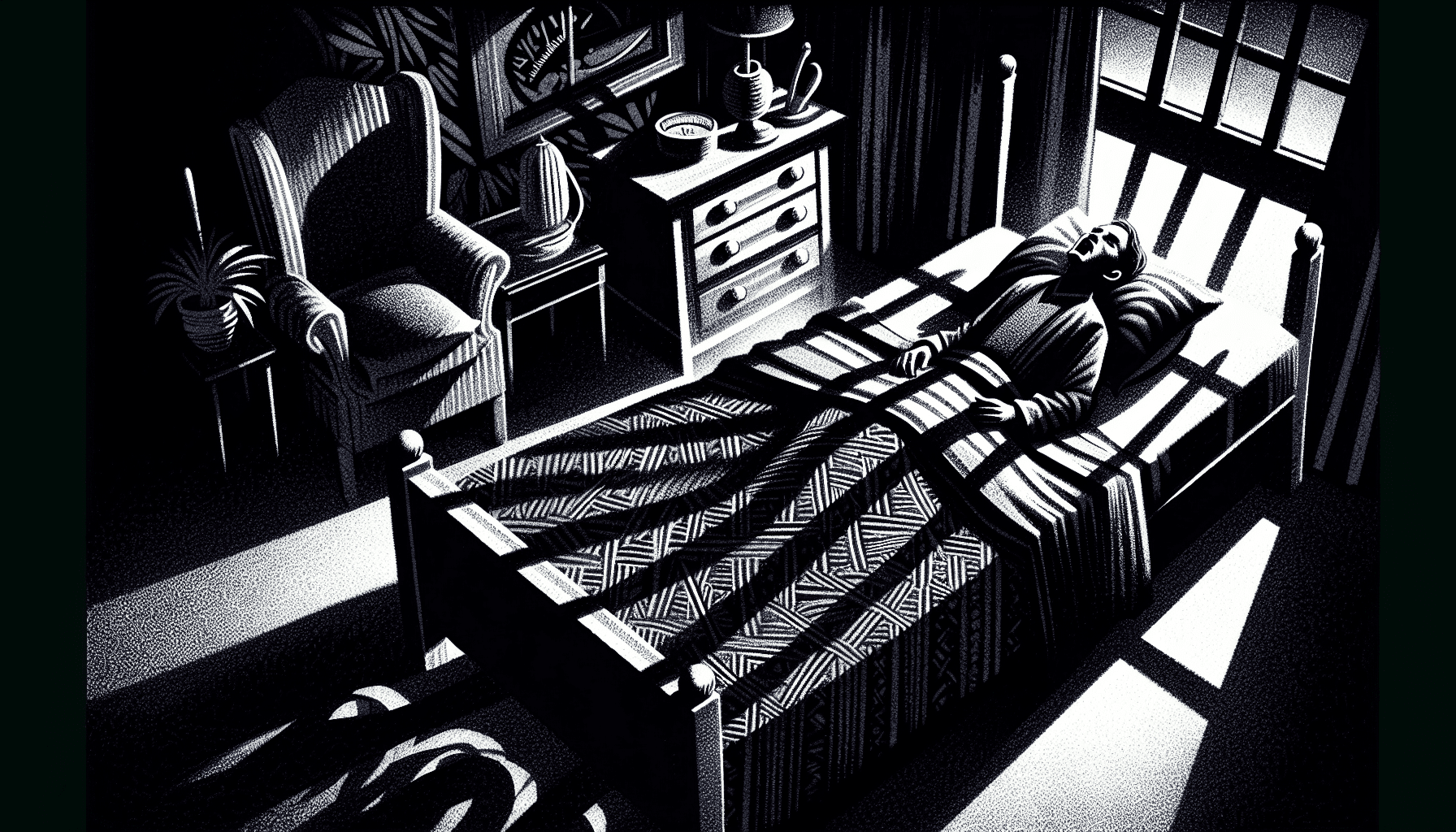
In this article, you will delve into the intriguing world of sleep paralysis research and gain a deeper understanding of this mysterious phenomenon. Sleep paralysis, a condition where individuals briefly experience the inability to move or speak while transitioning between sleep and wakefulness, has captivated scientists and researchers for centuries. By examining the scientific theories and exploring potential causes and treatments, this article aims to shed light on the intricate mechanisms behind sleep paralysis and provide valuable insights into this perplexing occurrence.
Overview of Sleep Paralysis
Definition and explanation
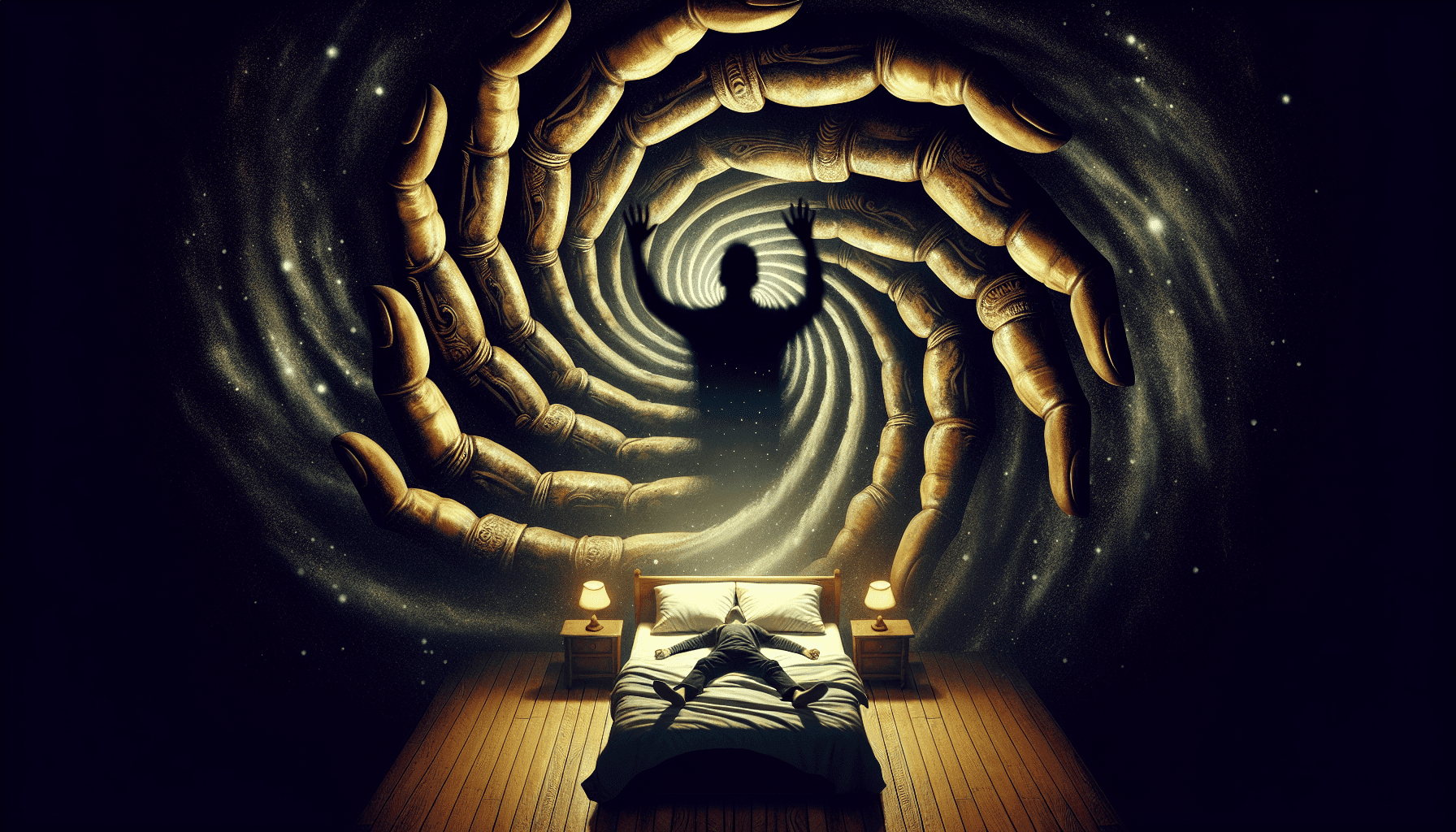
Sleep paralysis is a phenomenon characterized by the temporary inability to move or speak while falling asleep or waking up. During an episode of sleep paralysis, an individual is fully conscious but unable to move their body, which can be a distressing experience. This condition typically lasts for a few seconds to a few minutes and can occur sporadically or frequently depending on the individual.
Prevalence
Sleep paralysis is more common than one might think, with research indicating that approximately 8% of the general population has experienced at least one episode in their lifetime. It tends to occur more frequently in individuals with comorbid sleep disorders such as narcolepsy, insomnia, and sleep apnea. Sleep paralysis episodes are more common in adolescents and young adults, although they can affect individuals of all ages.
Symptoms
The primary symptom of sleep paralysis is the inability to move any voluntary muscles, despite being awake and conscious. During an episode, individuals may also experience a range of disturbing sensations, including a feeling of pressure on the chest, a sense of suffocation, or the perception of a presence in the room. These episodes often cause intense fear and anxiety, further amplifying the distressing nature of the experience.
Causes of Sleep Paralysis
Sleep deprivation
Sleep deprivation is a common trigger for sleep paralysis. When an individual does not get enough sleep, the body’s sleep-wake cycle can become disrupted, leading to irregularities in the transition between wakefulness and sleep. This disruption increases the likelihood of experiencing episodes of sleep paralysis.
Irregular sleep schedule
Having an irregular sleep schedule, such as frequently changing sleep times or inconsistent sleep patterns, can also contribute to the occurrence of sleep paralysis. These disruptions to the body’s natural sleep rhythm can disrupt the delicate balance of the sleep stages and increase the risk of sleep paralysis episodes.
Stress and anxiety
High levels of stress and anxiety have been associated with an increased incidence of sleep paralysis. The impact of stress on the body’s physiological processes can disrupt sleep patterns and increase the likelihood of experiencing sleep paralysis.
Sleep disorders
Sleep disorders, such as narcolepsy, insomnia, and sleep apnea, are strongly linked to sleep paralysis. These disorders disrupt the normal sleep architecture and can lead to episodes of sleep paralysis as a result.
The Science Behind Sleep Paralysis
REM sleep and muscle atonia
Sleep paralysis is closely linked to rapid eye movement (REM) sleep, which is a stage of sleep characterized by vivid dreaming. During REM sleep, the brain signals the body to inhibit muscle movement, resulting in muscle atonia, or temporary paralysis. In individuals experiencing sleep paralysis, this muscle atonia can persist even after awakening, leading to the inability to move or speak.
Hallucinations and sleep paralysis
Hallucinations often accompany episodes of sleep paralysis, further adding to the distress experienced during these episodes. These hallucinations can take various forms, including auditory, visual, or tactile sensations. They are thought to result from the brain’s attempt to make sense of the disorienting state between wakefulness and sleep.
Neurological factors
The exact neurological mechanisms underlying sleep paralysis are still not fully understood. However, research suggests that abnormalities in the brain regions responsible for regulating sleep-wake cycles and the control of voluntary muscle movement, such as the thalamus and the brainstem, may contribute to the occurrence of sleep paralysis.
Differentiating Sleep Paralysis from Other Sleep Disorders
Nightmares
Sleep paralysis can sometimes be mistaken for nightmares due to the vivid and often scary hallucinations that accompany an episode. However, unlike nightmares, sleep paralysis occurs during the transition between wakefulness and sleep and is characterized by the inability to move or speak.
Sleep apnea
Sleep apnea is a disorder characterized by pauses in breathing during sleep, usually caused by a partial or complete obstruction of the airway. Although sleep paralysis can sometimes occur in conjunction with sleep apnea, the two conditions are distinct and require different treatment approaches.
Narcolepsy
Narcolepsy is a neurological disorder that affects the brain’s ability to regulate sleep-wake cycles. Sleep paralysis is one of the hallmarks of narcolepsy and is often experienced alongside other symptoms, such as excessive daytime sleepiness and sudden uncontrollable episodes of sleep.
Understanding the Psychological Impact of Sleep Paralysis
Anxiety and fear
Sleep paralysis can induce intense anxiety and fear due to the perceived loss of control and the presence of hallucinations. The distressing nature of these episodes can lead to anticipatory anxiety about future occurrences, potentially exacerbating the frequency and severity of sleep paralysis.
Effects on mental health
Research has shown that individuals who experience sleep paralysis frequently may be at a higher risk of developing mental health issues such as depression and anxiety disorders. The disruption to sleep patterns and the psychological distress associated with sleep paralysis can significantly impact an individual’s overall well-being.
Cultural and Historical Perspectives on Sleep Paralysis
Folklore and supernatural explanations
Sleep paralysis has been a subject of fascination and fear across different cultures throughout history. Many cultures have attributed sleep paralysis to supernatural beings or malevolent spirits, leading to a variety of folklore and legends surrounding this phenomenon.
Artistic representations
Sleep paralysis has served as inspiration for various works of art, literature, and film. Artists and writers have used sleep paralysis as a theme to depict the eerie and unsettling experiences associated with this condition.
Scientific advancements
While sleep paralysis was historically understood through supernatural and cultural lenses, scientific advancements in the field of sleep research have shed light on the physiological and neurological aspects of this phenomenon. Our understanding of sleep paralysis has significantly improved as a result, allowing for more accurate diagnosis and treatment options.
Diagnosing Sleep Paralysis
Medical evaluation
To diagnose sleep paralysis, a healthcare professional will typically conduct a thorough medical evaluation, including a detailed history of the individual’s sleep patterns and associated symptoms. The evaluation may also involve ruling out other sleep disorders that could be responsible for the episodes of paralysis.
Sleep studies
Polysomnography, a type of sleep study, may be recommended to further investigate the occurrence of sleep paralysis. This study involves monitoring various physiological markers, such as brain activity, eye movement, and muscle tone, during sleep. By analyzing these measurements, sleep specialists can assess the frequency and duration of sleep paralysis episodes and identify any underlying sleep disorders.
Managing Sleep Paralysis
Improving sleep hygiene
Maintaining good sleep hygiene is crucial for managing sleep paralysis. This includes ensuring a consistent sleep schedule, creating a comfortable sleep environment, and practicing relaxation techniques before bed.
Stress reduction techniques
Since stress and anxiety can contribute to the occurrence of sleep paralysis, implementing stress reduction techniques can be beneficial. Engaging in activities such as meditation, deep breathing exercises, and regular physical exercise can help reduce overall stress levels and promote better sleep.
Medical interventions
In severe cases, medical interventions may be necessary to manage sleep paralysis. These interventions may include the use of medication to regulate sleep cycles or treat underlying sleep disorders that are contributing to the episodes of paralysis.
Tips for Coping with Sleep Paralysis
Recognizing triggers
Keeping a sleep diary can help identify potential triggers for sleep paralysis episodes. By tracking sleep patterns, stressful events, and other factors, individuals may be able to identify specific triggers and take proactive steps to minimize their occurrence.
Relaxation exercises
Practicing relaxation exercises, such as progressive muscle relaxation or guided imagery, can help individuals manage anxiety and promote a state of relaxation before sleep. These techniques can potentially reduce the likelihood of sleep paralysis episodes.
Seeking support
It can be helpful to seek support from healthcare professionals or support groups to cope with the psychological and emotional impact of sleep paralysis. Sharing experiences, learning coping strategies, and gaining reassurance from others can provide a sense of understanding and guidance.
Conclusion
Sleep paralysis is a complex and intriguing phenomenon that affects a significant number of individuals worldwide. While the exact causes and mechanisms behind sleep paralysis are still not fully understood, significant progress has been made in unraveling its scientific underpinnings. By understanding the psychological impact, cultural and historical perspectives, and implementing effective coping strategies, individuals experiencing sleep paralysis can navigate this often unsettling and distressing occurrence. Further research and advancements in the field of sleep science will continue to contribute to our understanding of sleep paralysis and improve the lives of those affected by this condition.