

In this article, you will delve into the intricate details surrounding the symptoms of sleep paralysis. The experience of feeling awake but unable to move or speak during sleep paralysis can be terrifying, and understanding the symptoms associated with this phenomenon is key to managing and potentially mitigating its effects. From the sensation of pressure on the chest to the presence of hallucinations, a comprehensive understanding of the symptoms of sleep paralysis is essential for individuals who may be affected by this unique sleep disorder. Through exploration of these symptoms, you will gain insight into the potential causes and triggers of sleep paralysis, as well as strategies for coping with and preventing future episodes. Have you ever woken up from sleep unable to move or speak, feeling a heavy weight on your chest, and experiencing intense fear or pressure? If so, you may have experienced a phenomenon known as sleep paralysis. In this article, we will delve into the symptoms of sleep paralysis and provide you with a comprehensive understanding of this sleep disorder.
What is Sleep Paralysis?
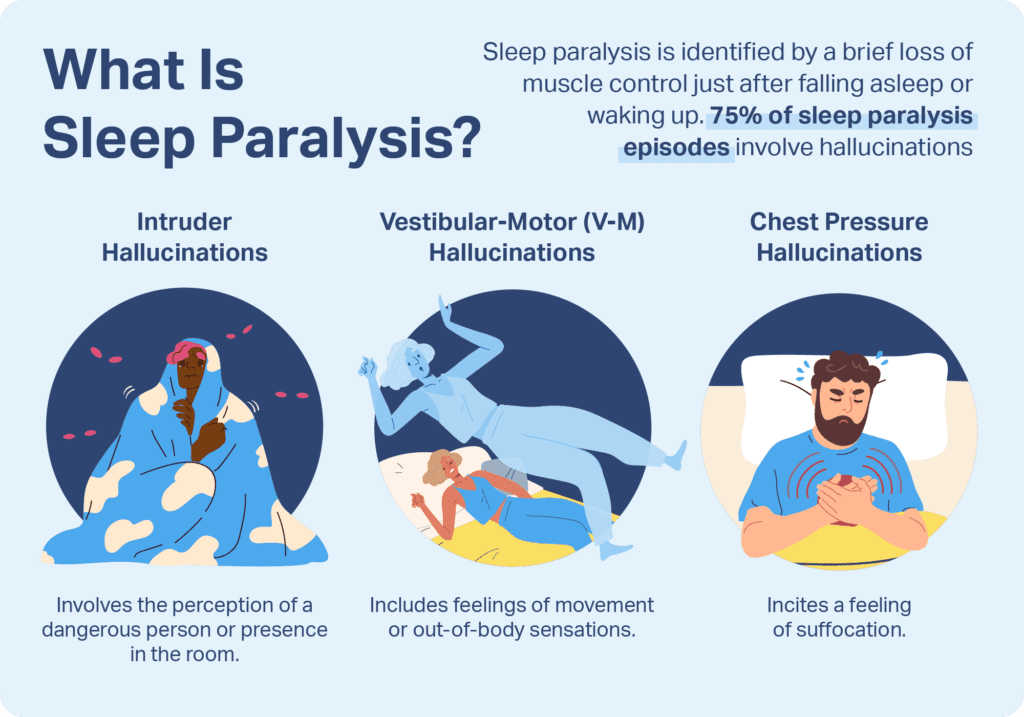
Sleep paralysis is a temporary inability to move or speak that occurs when waking up or falling asleep. It is often accompanied by hallucinations and a sense of fear or pressure on the chest. This phenomenon can be a frightening and distressing experience for those who have it, but it is generally harmless and not associated with any serious health risks.
Description of Sleep Paralysis
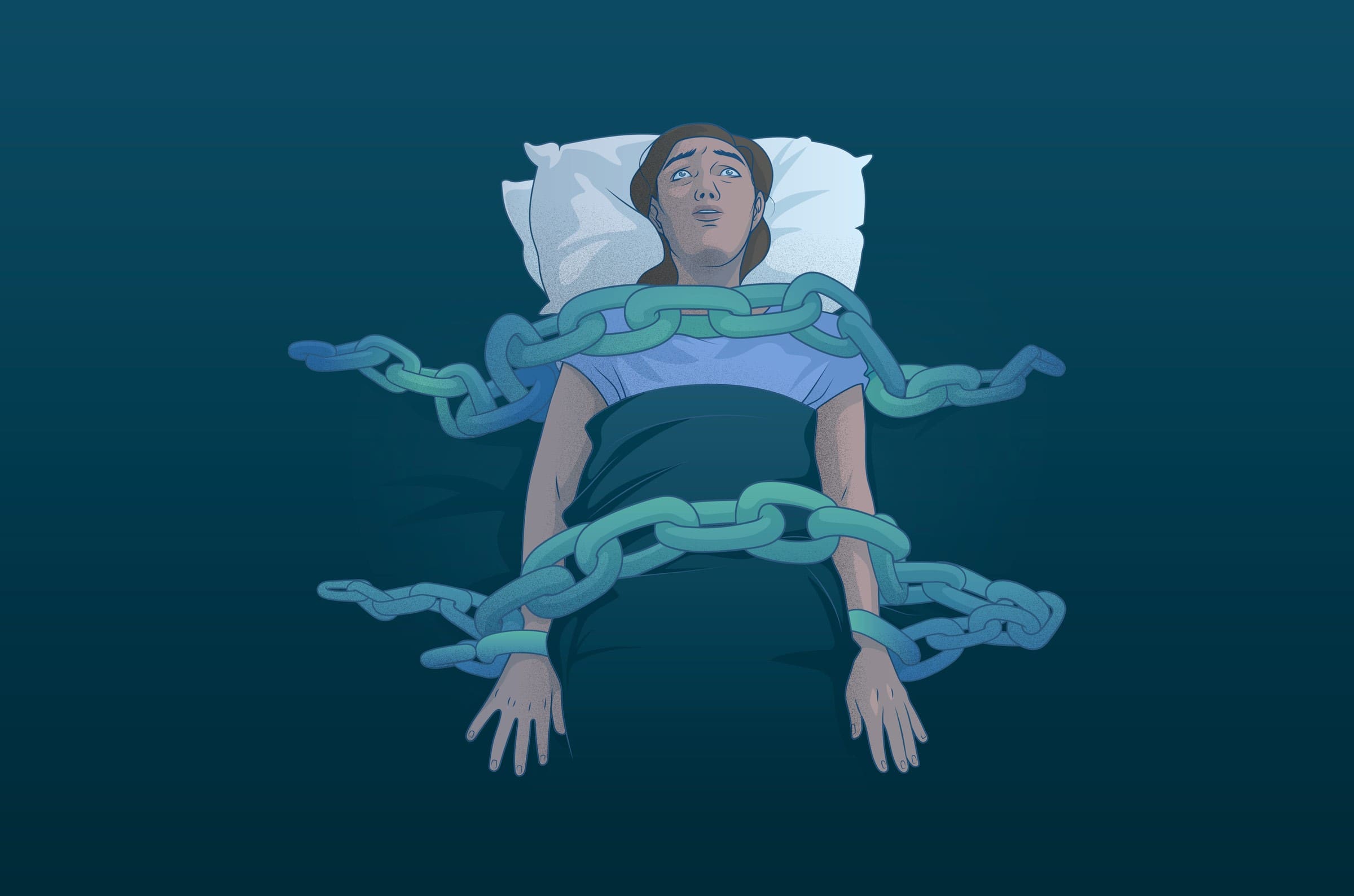
Sleep paralysis is a phenomenon that can occur during the transition between wakefulness and sleep. When a person experiences sleep paralysis, they may become conscious and aware of their surroundings while their body remains in a state of paralysis. This can lead to feelings of helplessness and fear as the individual is unable to move or speak.
Prevalence of Sleep Paralysis
Research suggests that sleep paralysis is relatively common, with studies estimating that between 20% and 60% of the general population will experience sleep paralysis at least once in their lifetime. It is more common in adolescents and young adults, and women are more likely to experience it than men.
Symptoms of Sleep Paralysis
The symptoms of sleep paralysis can vary from person to person, but there are some common experiences that many individuals report. These symptoms typically occur during the transition between wakefulness and sleep, and may include:
Sensation of Pressure on Chest
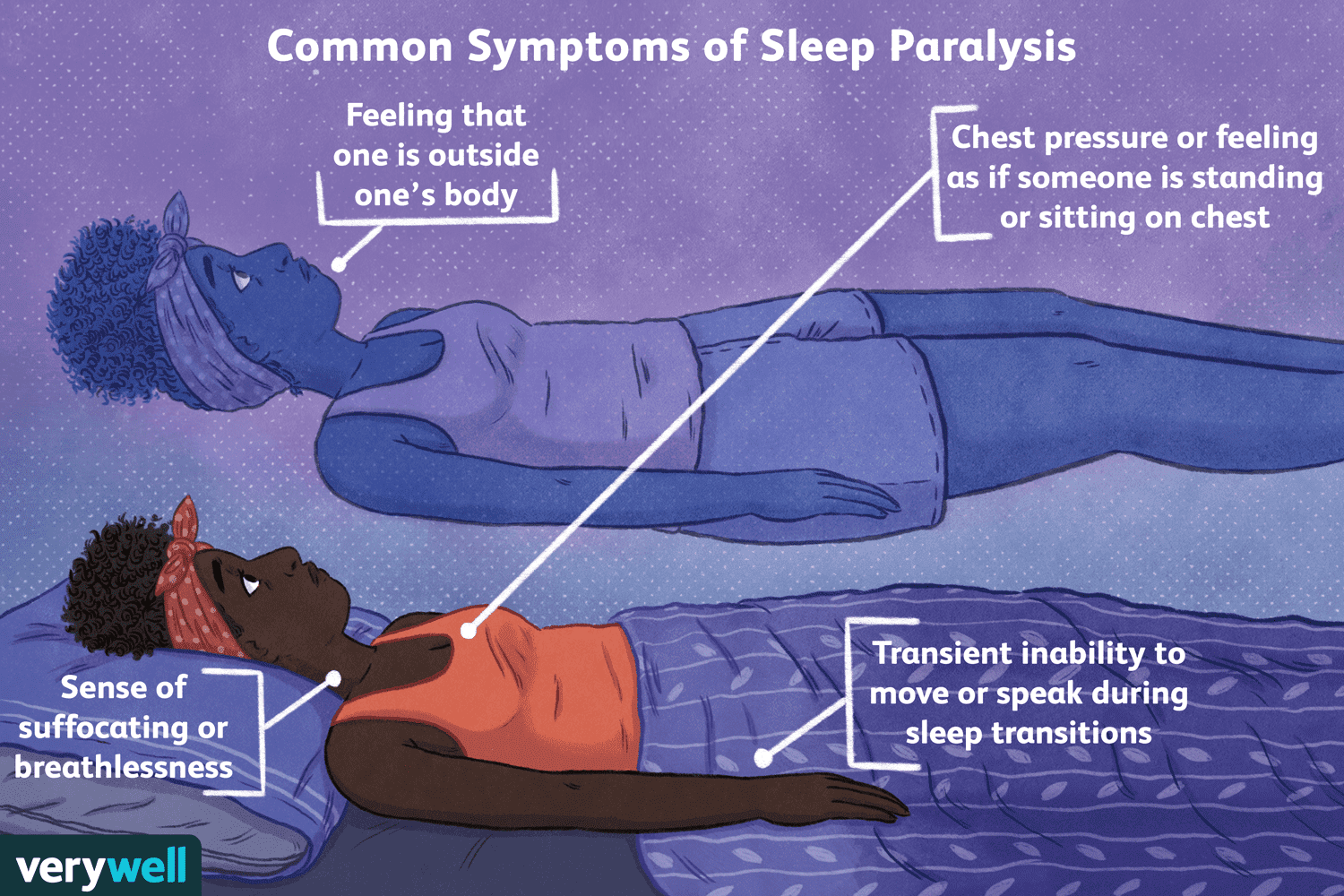
One of the most common symptoms of sleep paralysis is a sensation of pressure or heaviness on the chest. This feeling can be intense and overwhelming, leading to difficulty breathing and a sense of suffocation. Some people may describe this sensation as feeling like someone or something is sitting on their chest.
Inability to Move or Speak
Another hallmark symptom of sleep paralysis is the inability to move or speak. Despite being consciously aware of their surroundings, individuals experiencing sleep paralysis are unable to control their voluntary muscle movements or vocalize their thoughts. This sense of paralysis can be distressing and frightening for those who experience it.
Hallucinations
Hallucinations are also common during episodes of sleep paralysis. These hallucinations can take the form of visual, auditory, or tactile sensations that may be frightening or unsettling. People may report seeing shadowy figures or hearing strange noises, adding to the sense of fear and confusion that often accompanies sleep paralysis.
Types of Sleep Paralysis
There are two main types of sleep paralysis: isolated sleep paralysis and recurrent sleep paralysis.
Isolated Sleep Paralysis
Isolated sleep paralysis refers to episodes of sleep paralysis that occur sporadically and are not associated with any other sleep disorders. This type of sleep paralysis is usually triggered by stress, disrupted sleep patterns, or changes in sleep hygiene. Isolated sleep paralysis is generally considered to be a rare and isolated occurrence that does not require medical intervention.
Recurrent Sleep Paralysis
Recurrent sleep paralysis, on the other hand, involves multiple episodes of sleep paralysis that occur regularly over time. This type of sleep paralysis may be linked to underlying sleep disorders, such as narcolepsy or sleep apnea. Recurrent sleep paralysis can be more disruptive and distressing than isolated sleep paralysis, and may require medical evaluation and treatment.
Causes of Sleep Paralysis
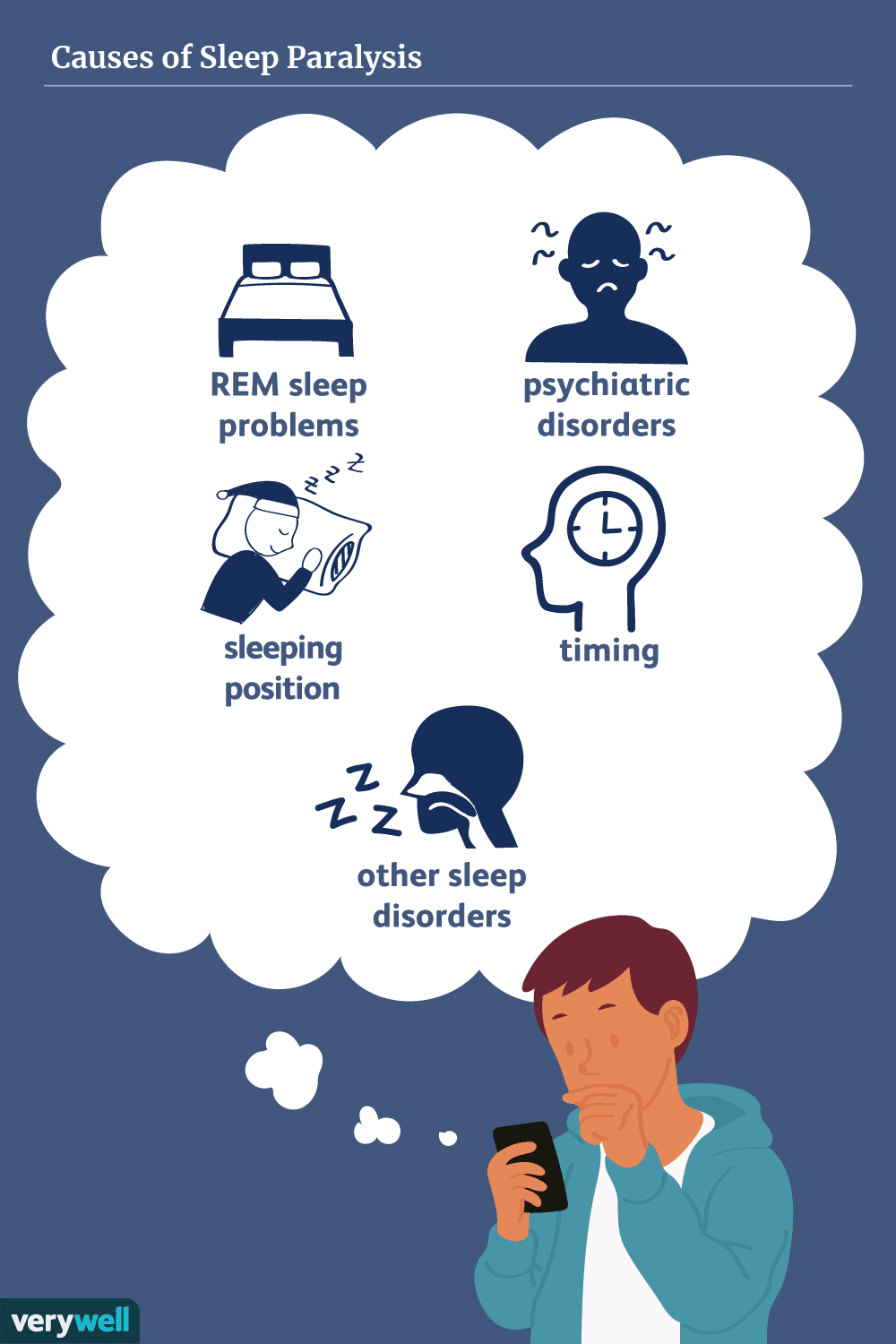
The exact cause of sleep paralysis is not fully understood, but researchers have identified several factors that may contribute to the development of this phenomenon.
Disruption of Sleep Patterns
Disruptions to normal sleep patterns, such as irregular sleep schedules or poor sleep hygiene, can increase the likelihood of experiencing sleep paralysis. Changes in sleep patterns can disrupt the brain’s ability to transition between sleep stages smoothly, leading to episodes of sleep paralysis.
Stress and Anxiety
Stress and anxiety are known triggers for sleep paralysis, as they can elevate levels of cortisol and adrenaline in the body. These stress hormones can disrupt the natural sleep cycle and increase the likelihood of experiencing sleep paralysis. Managing stress through relaxation techniques and mindfulness practices may help reduce the frequency of sleep paralysis episodes.
Sleep Disorders
Underlying sleep disorders, such as narcolepsy, insomnia, or sleep apnea, can also contribute to the development of sleep paralysis. These disorders can disrupt normal sleep patterns and increase the risk of experiencing episodes of sleep paralysis. Treating the underlying sleep disorder may help alleviate symptoms of sleep paralysis.
Diagnosis of Sleep Paralysis
Diagnosing sleep paralysis typically involves a thorough evaluation of the individual’s medical history and symptoms.
Medical History
During a medical evaluation, your healthcare provider will ask about your sleep patterns, symptoms, and any underlying medical conditions that may be contributing to your sleep paralysis. It is important to provide detailed information about your experiences with sleep paralysis to help your healthcare provider make an accurate diagnosis.
Sleep Study
In some cases, a sleep study may be recommended to evaluate your sleep patterns and identify any underlying sleep disorders that may be causing your episodes of sleep paralysis. A sleep study involves monitoring your brain activity, heart rate, and breathing patterns while you sleep to assess the quality of your sleep and identify any abnormalities.
Treatment for Sleep Paralysis
Treatment for sleep paralysis typically focuses on managing symptoms and addressing any underlying sleep disorders.
Sleep Hygiene
Improving sleep hygiene practices can help reduce the frequency of sleep paralysis episodes. This may include maintaining a regular sleep schedule, creating a comfortable sleep environment, and practicing relaxation techniques before bed. Avoiding caffeine, alcohol, and heavy meals before bedtime may also help improve the quality of your sleep.
Stress Management
Managing stress and anxiety through relaxation techniques, meditation, and therapy may help reduce the likelihood of experiencing sleep paralysis. Finding healthy ways to cope with stress can improve your overall sleep quality and reduce the risk of disruptive sleep paralysis episodes.
Cognitive Behavioral Therapy
Cognitive behavioral therapy (CBT) may be recommended for individuals who experience recurrent episodes of sleep paralysis. CBT can help identify and address negative thought patterns and behaviors that may be contributing to sleep paralysis. This type of therapy can also help improve sleep habits and reduce the frequency of sleep paralysis episodes.
Conclusion
In conclusion, sleep paralysis is a relatively common phenomenon that can occur during the transition between wakefulness and sleep. It is characterized by a temporary inability to move or speak, accompanied by hallucinations and a sense of fear or pressure on the chest. While sleep paralysis can be distressing and frightening, it is generally harmless and not associated with any serious health risks. By understanding the symptoms, causes, and treatment options for sleep paralysis, you can better manage this sleep disorder and improve the quality of your sleep. If you are experiencing frequent or severe episodes of sleep paralysis, it is important to consult with a healthcare provider for a thorough evaluation and appropriate treatment.