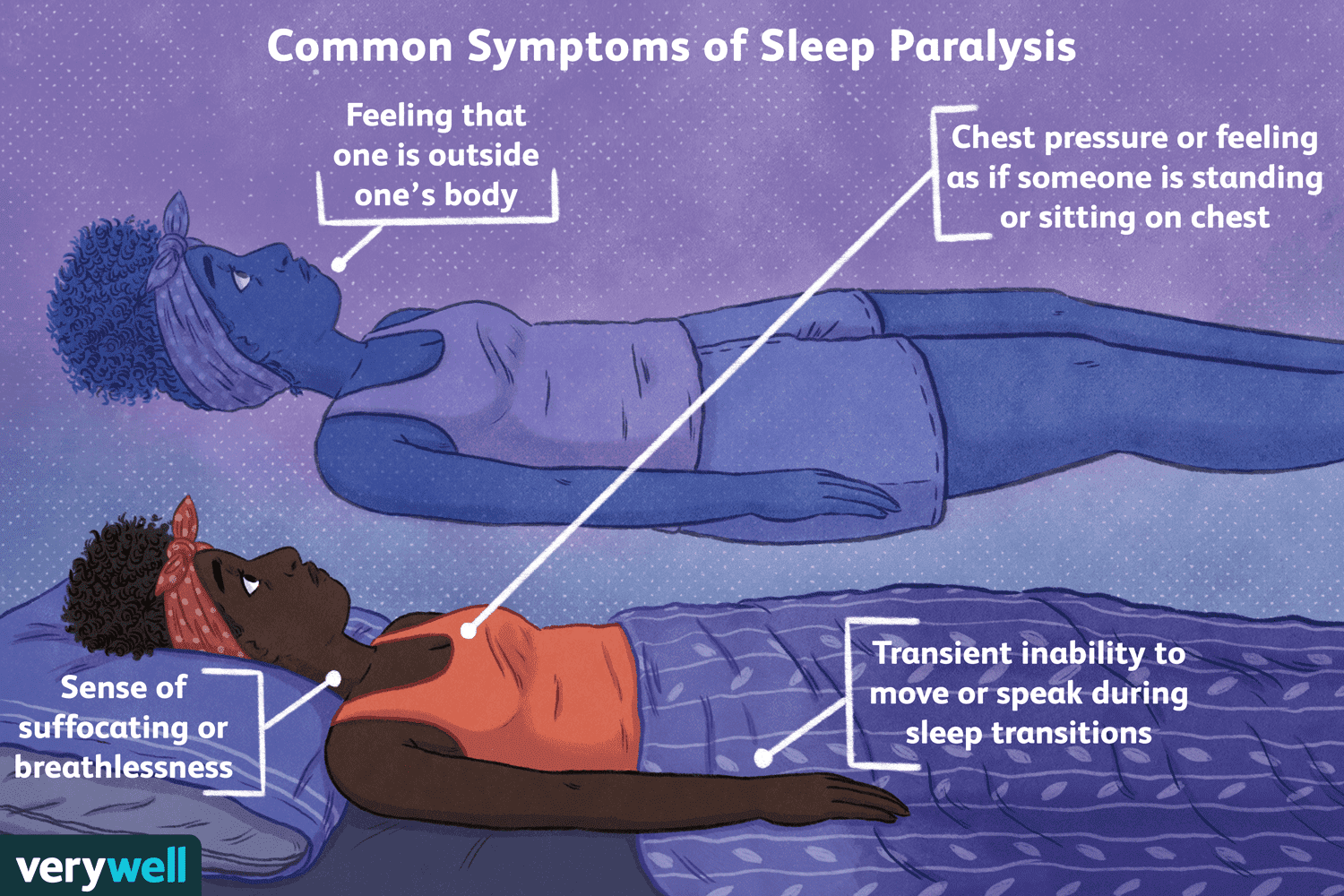
Understanding the Causes of Sleep Paralysis is a critical topic in the field of sleep research. Sleep paralysis is a phenomenon in which individuals experience a temporary inability to move or speak while falling asleep or waking up. This article aims to delve into the various factors that may contribute to the occurrence of sleep paralysis, including sleep disorders, stress, and genetics. By gaining a deeper understanding of the causes of sleep paralysis, researchers and healthcare professionals can better assist individuals who suffer from this unsettling condition. What Causes Sleep Paralysis?
Have you ever woken up in the middle of the night unable to move, feeling like there is a heavy weight on your chest, and sensing a presence in the room? You may have experienced sleep paralysis, a common phenomenon that can be both frightening and confusing. In this article, we will delve into the causes of sleep paralysis and explore the various factors that contribute to this mysterious occurrence.
Understanding Sleep Paralysis
Sleep paralysis is a temporary inability to move or speak that occurs when you are waking up or falling asleep. During this episode, you may feel immobile and experience hallucinations, such as seeing shadowy figures or hearing strange noises. These episodes typically last for a few seconds to a few minutes, but they can feel much longer due to the intense fear and panic they elicit.
The Physiology of Sleep Paralysis
Sleep paralysis is closely linked to REM (rapid eye movement) sleep, a stage of sleep when dreaming occurs. Normally, your body is temporarily paralyzed during REM sleep to prevent you from acting out your dreams and potentially injuring yourself. However, in the case of sleep paralysis, this paralysis persists beyond the REM stage, causing you to wake up while still unable to move.
Factors Contributing to Sleep Paralysis
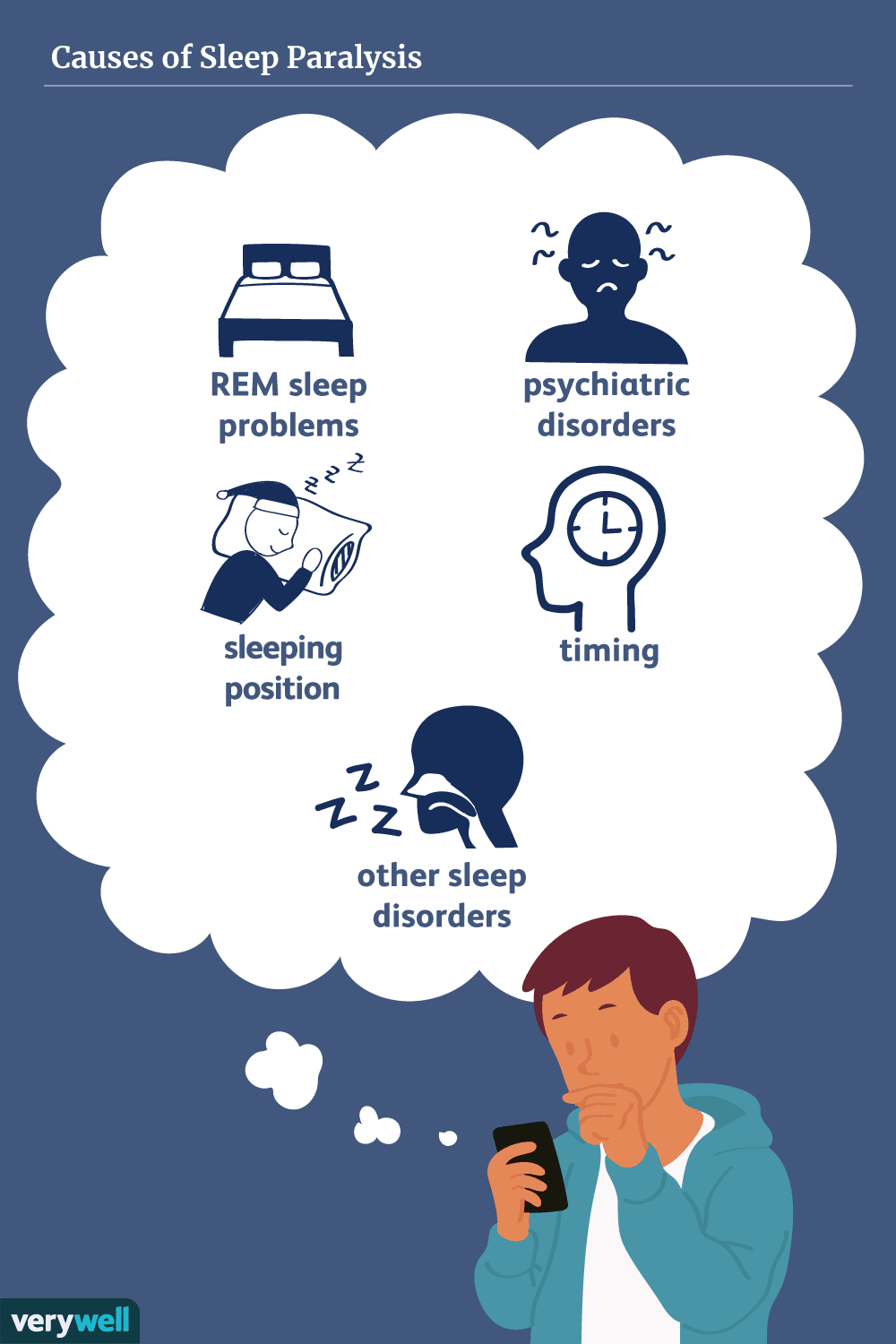
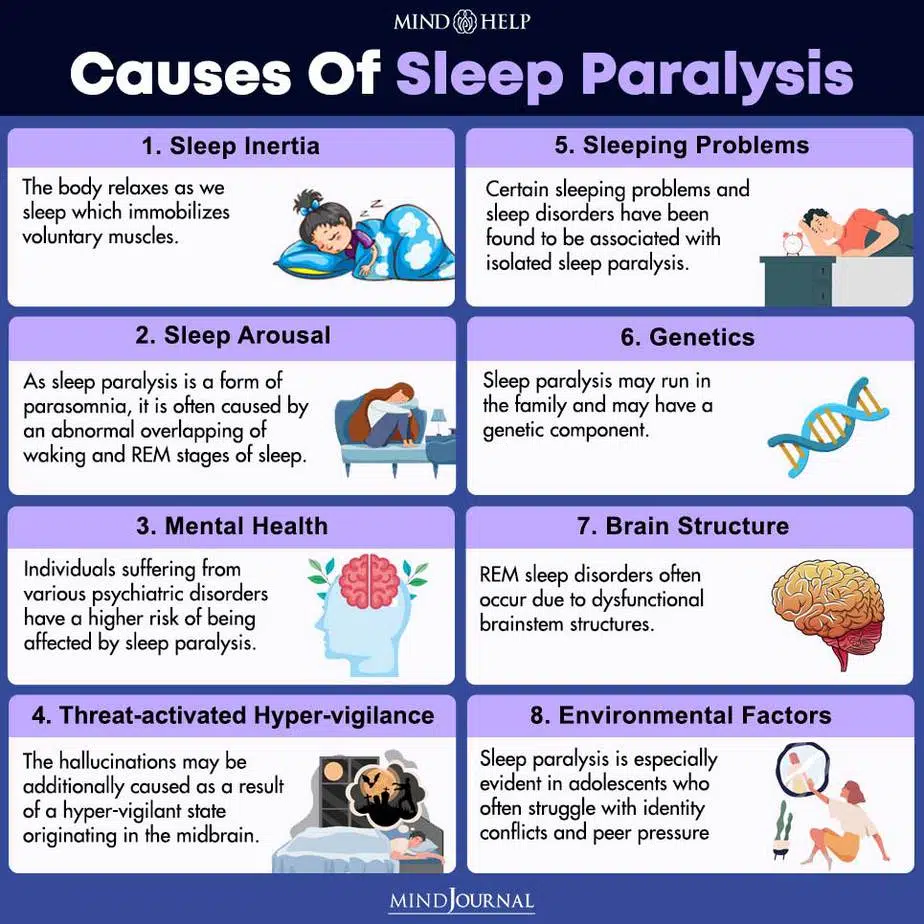
Several factors can contribute to the occurrence of sleep paralysis. These factors can be broadly categorized into three main groups: sleep-related factors, biological factors, and psychological factors.
Sleep-Related Factors
-
Irregular Sleep Patterns: Disrupted sleep schedules, such as shift work or jet lag, can increase the likelihood of experiencing sleep paralysis. Irregular sleep patterns can disrupt your natural sleep cycles, making it more likely that you will experience episodes of paralysis.
-
Sleep Deprivation: Lack of sufficient sleep can trigger episodes of sleep paralysis. When you are sleep deprived, your brain may struggle to transition smoothly between sleep stages, leading to disruptions in the normal sleep process.
-
Sleep Disorders: Conditions like insomnia, narcolepsy, and sleep apnea can increase the risk of experiencing sleep paralysis. These disorders can disrupt your sleep architecture and make you more prone to experiencing abnormal sleep phenomena like paralysis.
Biological Factors
-
Genetics: Research suggests that genetics may play a role in determining your susceptibility to sleep paralysis. If you have a family history of sleep disorders or parasomnias, you may be more likely to experience episodes of sleep paralysis.
-
Brain Chemistry: Imbalances in neurotransmitters like serotonin and dopamine can influence your sleep-wake cycle and make you more susceptible to sleep paralysis. Changes in the levels of these chemicals in the brain can disrupt the normal functioning of the sleep process.
-
Medical Conditions: Certain medical conditions, such as migraines, epilepsy, and psychiatric disorders, have been linked to an increased risk of sleep paralysis. These conditions can affect the brain’s activity during sleep and predispose you to experiencing episodes of paralysis.
Psychological Factors
-
Stress and Anxiety: Psychological factors like stress, anxiety, and panic disorders can contribute to the occurrence of sleep paralysis. Emotional distress can disrupt your sleep patterns and make you more vulnerable to experiencing episodes of paralysis.
-
Trauma: Previous traumatic experiences, such as physical or emotional trauma, can increase the likelihood of experiencing sleep paralysis. Trauma can manifest in the form of nightmares and sleep disturbances, triggering episodes of paralysis.
-
Sleep Environment: Factors in your sleep environment, such as noise, light, and temperature, can impact the quality of your sleep and contribute to the occurrence of sleep paralysis. Creating a conducive sleep environment can help reduce the frequency of episodes.
Managing and Preventing Sleep Paralysis
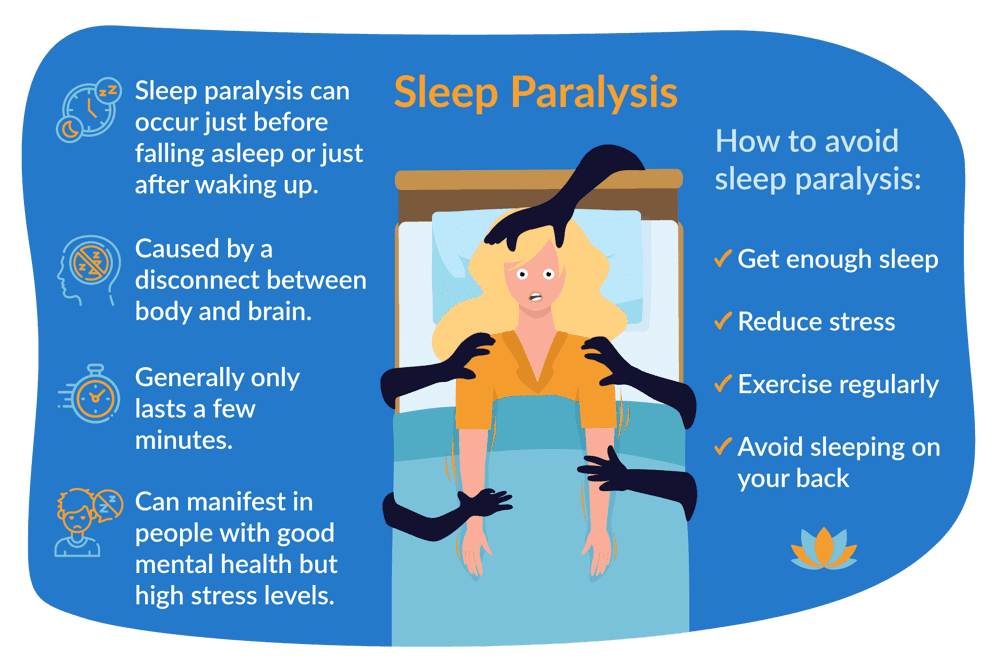
While sleep paralysis can be a terrifying experience, there are ways to manage and prevent it from occurring. By addressing the underlying factors that contribute to sleep paralysis, you can reduce the frequency and intensity of these episodes.
Improving Sleep Hygiene
-
Maintain a Regular Sleep Schedule: Establishing a consistent sleep routine can help regulate your body’s internal clock and improve your overall sleep quality. Aim to go to bed and wake up at the same time every day, even on weekends.
-
Create a Relaxing Bedtime Routine: Engage in calming activities before bed, such as reading, meditating, or taking a warm bath. Avoid stimulating activities like watching TV or using electronic devices, as they can interfere with your ability to fall asleep.
-
Optimize Your Sleep Environment: Make sure your bedroom is dark, quiet, and cool to create a conducive sleep environment. Invest in a comfortable mattress and pillows to support a restful night’s sleep.
Stress Reduction Techniques
-
Practice Mindfulness and Relaxation: Incorporate mindfulness techniques like deep breathing, meditation, or yoga into your daily routine to reduce stress and promote relaxation. These practices can help calm your mind and alleviate anxiety.
-
Seek Professional Help: If stress and anxiety are impacting your sleep quality and contributing to sleep paralysis, consider speaking to a mental health professional for guidance and support. Therapy and counseling can help you address underlying issues and develop coping strategies.
Healthy Lifestyle Choices
-
Exercise Regularly: Engaging in regular physical activity can improve your overall sleep quality and promote relaxation. Aim for at least 30 minutes of moderate exercise most days of the week to experience the benefits of better sleep.
-
Eat a Balanced Diet: Maintain a healthy diet rich in fruits, vegetables, whole grains, and lean proteins to support your overall health and well-being. Limit your intake of caffeine, alcohol, and sugary foods close to bedtime to avoid disruptions in your sleep.
Professional Help and Treatment
-
Consult a Sleep Specialist: If you continue to experience frequent episodes of sleep paralysis despite making lifestyle changes, consider seeking help from a sleep specialist. A sleep specialist can conduct a thorough evaluation of your sleep patterns and recommend appropriate treatment options.
-
Medication and Therapy: In some cases, medication or therapy may be recommended to help manage sleep paralysis and associated symptoms. Your healthcare provider can work with you to determine the most appropriate course of treatment based on your individual needs.
Conclusion
Sleep paralysis is a complex phenomenon with multiple contributing factors, including sleep-related, biological, and psychological elements. By understanding the causes of sleep paralysis and implementing strategies to address these factors, you can effectively manage and prevent episodes of paralysis. Prioritizing good sleep hygiene, stress reduction techniques, and healthy lifestyle choices can help improve your overall sleep quality and reduce the likelihood of experiencing sleep paralysis. If you continue to experience regular episodes of sleep paralysis, seeking help from a healthcare professional or sleep specialist is recommended to explore treatment options and promote restful sleep.