
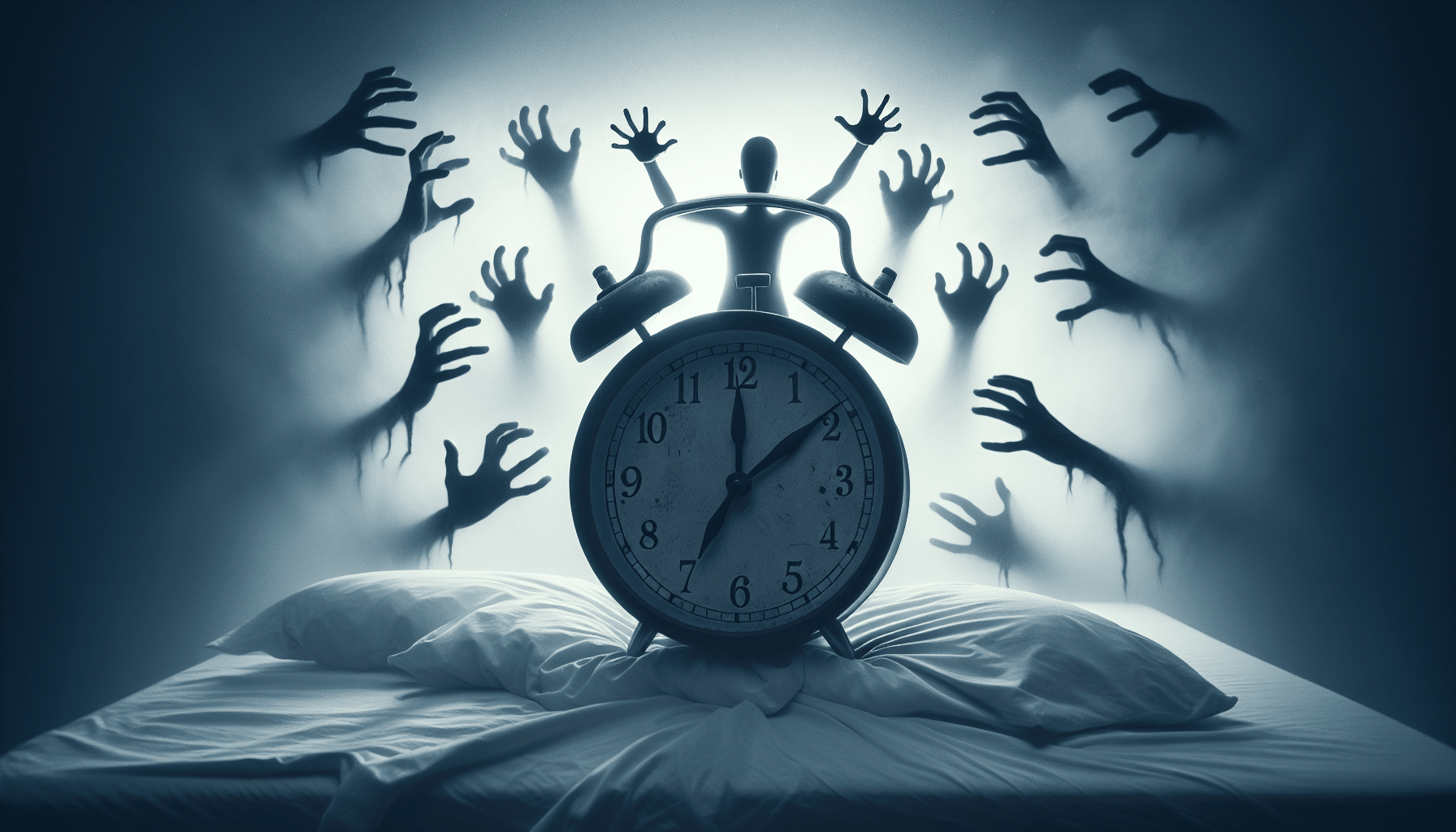
In this article, you will delve into the intricate world of sleep paralysis and gain a comprehensive understanding of its symptoms. Sleep paralysis is a fascinating phenomenon experienced by many individuals, characterized by a temporary inability to move or speak upon waking up or falling asleep. Common symptoms include a feeling of pressure on the chest, hallucinations, and a sense of being watched. Understanding these symptoms is crucial in managing and coping with this unique sleep disorder. Have you ever woken up in the middle of the night unable to move or speak, feeling an intense pressure on your chest? You may have experienced sleep paralysis, a phenomenon that affects millions of individuals worldwide. In this article, we will explore the symptoms of sleep paralysis and provide you with a comprehensive understanding of this mysterious sleep disorder.
What is Sleep Paralysis?
Sleep paralysis is a temporary inability to move or speak that occurs when you are falling asleep or waking up. It is often accompanied by vivid hallucinations and a feeling of intense fear. During an episode of sleep paralysis, you may feel as though you are conscious but unable to move your body. This can be a terrifying experience, as you may feel as though you are unable to breathe or that an unseen presence is in the room with you.
The Feeling of Immobility
One of the most common symptoms of sleep paralysis is the feeling of immobility. You may find yourself unable to move any part of your body, despite being fully conscious. This can be a frightening experience, as you may feel trapped in your own body.
Vivid Hallucinations
Many individuals who experience sleep paralysis also report vivid hallucinations during an episode. These hallucinations can take many forms, from seeing shadowy figures in the room to feeling as though someone or something is pressing down on your chest. These hallucinations can be extremely lifelike and may contribute to the intense fear experienced during sleep paralysis.
The Incidence of Sleep Paralysis
Sleep paralysis is more common than you might think, with studies estimating that up to 40% of the population will experience at least one episode in their lifetime. While sleep paralysis can occur at any age, it is most commonly reported in adolescents and young adults. Individuals who suffer from other sleep disorders, such as narcolepsy, are also more likely to experience sleep paralysis.
Demographics
Sleep paralysis does not discriminate based on gender, with both men and women being equally likely to experience episodes. However, certain demographic factors, such as age and race, may play a role in the incidence of sleep paralysis. Studies have shown that individuals of African descent are more likely to experience sleep paralysis than individuals of European descent.
Frequency of Episodes
For most individuals, sleep paralysis is an occasional occurrence that happens infrequently. However, some people may experience episodes of sleep paralysis more frequently, with some individuals reporting multiple episodes in a single night. The frequency of sleep paralysis episodes can vary greatly from person to person and may be influenced by factors such as stress, sleep deprivation, and underlying sleep disorders.
The Physiology of Sleep Paralysis
The exact cause of sleep paralysis is not fully understood, but researchers believe that it is related to disruptions in the normal sleep cycle. During the rapid eye movement (REM) stage of sleep, your brain is highly active, but your muscles are essentially paralyzed to prevent you from acting out your dreams. In individuals with sleep paralysis, this paralysis may extend into the waking state, resulting in the characteristic inability to move or speak.
REM Sleep
During REM sleep, your brain is highly active, and you may experience vivid dreams. REM sleep is also associated with increased heart rate, rapid breathing, and a temporary paralysis of the voluntary muscles in your body. This paralysis serves to prevent you from acting out your dreams and potentially injuring yourself while asleep.
Muscle Atonia
The temporary paralysis that occurs during REM sleep is known as muscle atonia. In individuals with sleep paralysis, this paralysis may persist into the waking state, resulting in the inability to move or speak. While the exact cause of this extended paralysis is not known, researchers believe that it may be related to disruptions in the normal sleep cycle.
The Psychological Impact of Sleep Paralysis
In addition to the physical symptoms of sleep paralysis, many individuals also experience a range of psychological effects. The intense fear and feelings of helplessness that often accompany sleep paralysis can have a significant impact on your mental health and overall well-being.
Fear and Anxiety
One of the most common psychological effects of sleep paralysis is fear and anxiety. During an episode, you may experience intense feelings of terror and panic, as you may feel as though you are unable to breathe or move. These feelings can linger long after the episode has ended, leading to a fear of falling asleep and a disruption of your normal sleep patterns.
Emotional Distress
The emotional distress caused by sleep paralysis can have a lasting impact on your mental health. Many individuals who experience sleep paralysis report feelings of depression, anxiety, and helplessness. These emotional effects can be particularly pronounced in individuals who suffer from frequent episodes of sleep paralysis or who have underlying mental health conditions.
Coping Strategies for Sleep Paralysis
If you have experienced sleep paralysis, you may be wondering what you can do to cope with this frightening phenomenon. There are a number of strategies that you can use to help manage the symptoms of sleep paralysis and reduce the frequency of episodes.
Improve Your Sleep Hygiene
One of the most effective ways to reduce the risk of sleep paralysis is to improve your sleep hygiene. This includes maintaining a regular sleep schedule, avoiding caffeine and other stimulants before bed, and creating a relaxing bedtime routine. By getting an adequate amount of quality sleep each night, you can help reduce the likelihood of experiencing sleep paralysis.
Address Underlying Sleep Disorders
If you suffer from other sleep disorders, such as narcolepsy or sleep apnea, addressing these conditions can help reduce the frequency of sleep paralysis episodes. By treating the underlying cause of your sleep disturbances, you may be able to improve the overall quality of your sleep and reduce the risk of experiencing sleep paralysis.
Stress Management Techniques
Stress can be a major trigger for sleep paralysis, so learning how to manage stress effectively can help reduce the frequency of episodes. Techniques such as deep breathing, meditation, and mindfulness can help you relax and unwind before bed, making it easier to fall asleep and stay asleep throughout the night.
Conclusion
Sleep paralysis is a mysterious phenomenon that affects millions of individuals worldwide. While the exact cause of sleep paralysis is not fully understood, researchers believe that disruptions in the normal sleep cycle may play a role in its development. By understanding the symptoms of sleep paralysis and implementing coping strategies to manage the condition, you can reduce the impact of this frightening sleep disorder on your life. If you continue to experience frequent episodes of sleep paralysis, it is important to consult with a medical professional to rule out any underlying sleep disorders or other health conditions.