
In the realm of sleep disorders, one phenomenon that continues to captivate researchers and individuals alike is sleep paralysis. This state of temporary immobility combined with vivid hallucinations has puzzled scientists and psychologists for years. In this article, we will delve into the various factors that contribute to the occurrence of sleep paralysis. By examining the intersection of neuroscience, psychology, and sleep patterns, we hope to shed light on this enigmatic and often terrifying experience.
Unraveling the Mystery: What Causes Sleep Paralysis?
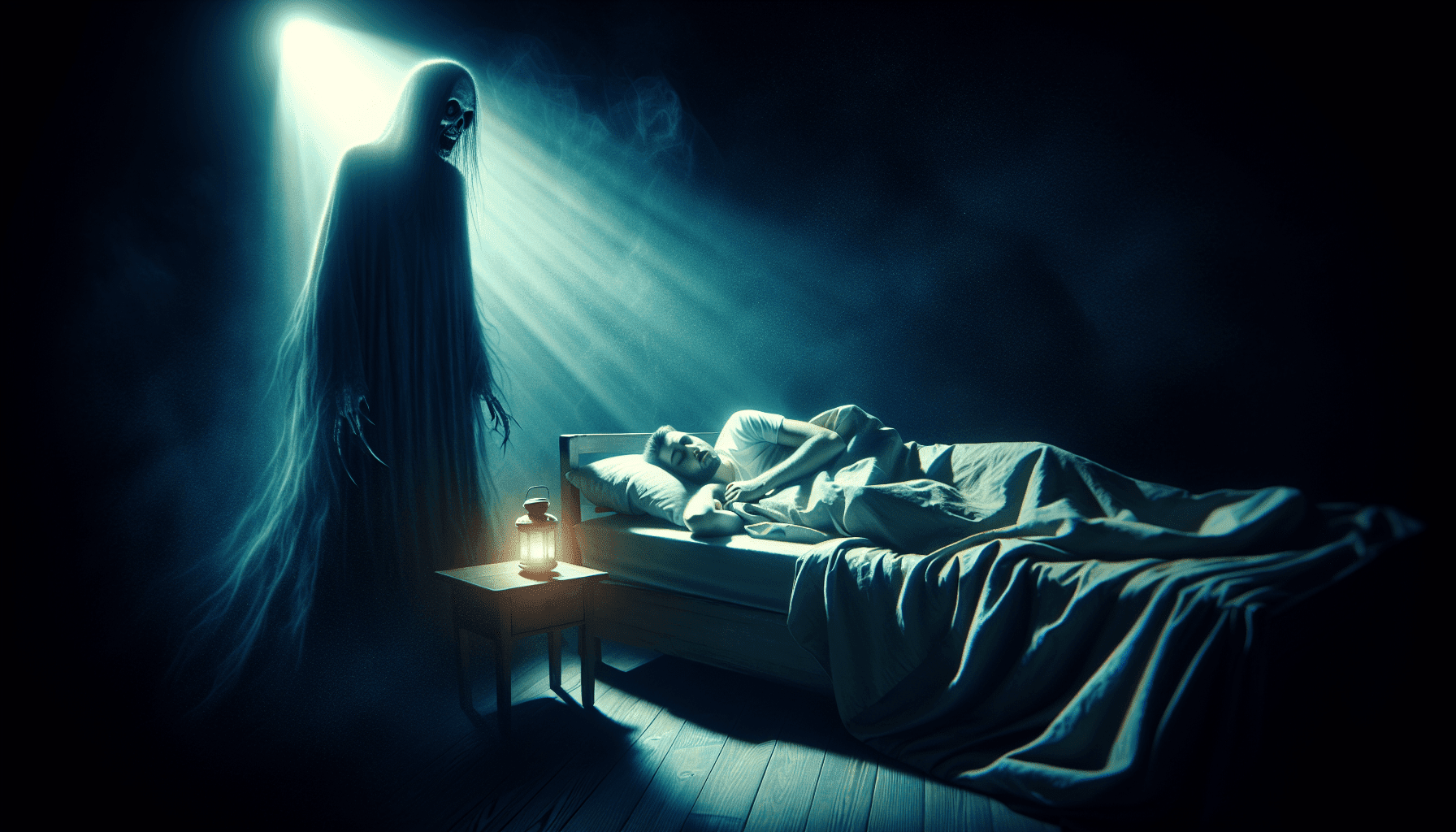
Have you ever experienced a terrifying moment where you find yourself awake but unable to move or speak, feeling a heavy weight on your chest and sensing a malevolent presence in the room? If so, you might have experienced sleep paralysis. But what causes this eerie phenomenon? Let’s delve into the science behind sleep paralysis and uncover its mysteries.

Understanding Sleep Paralysis
Before we explore the causes of sleep paralysis, it’s essential to have a basic understanding of what it is. Sleep paralysis is a temporary inability to move or speak that occurs when you are either falling asleep or waking up. During an episode of sleep paralysis, your mind is awake, but your body is still in a state of sleep paralysis, resulting in a feeling of being conscious but immobilized. This phenomenon can be accompanied by hallucinations, such as seeing shadowy figures or hearing strange noises.
The Role of REM Sleep
One of the key factors in understanding sleep paralysis is the sleep cycle, particularly Rapid Eye Movement (REM) sleep. During REM sleep, your brain is highly active, and your eyes move rapidly from side to side under your closed eyelids. This stage of sleep is when most dreaming occurs. Normally, your brain sends signals to your muscles to prevent them from moving during REM sleep, a process known as muscle atonia. This muscle atonia is essential to prevent you from acting out your dreams and potentially harming yourself or others.
How Does Sleep Paralysis Happen?
During sleep paralysis, some individuals may experience a disruption in the transition between sleep stages, specifically between REM sleep and wakefulness. This disruption can lead to your mind waking up while your body is still in a state of muscle atonia, resulting in the characteristic feeling of being unable to move or speak. Additionally, the hallucinations that often accompany sleep paralysis may be attributed to the brain still being in a dream-like state, creating a mix of waking consciousness and dream imagery.
Sleep Paralysis Triggers
While the exact cause of sleep paralysis is not fully understood, several factors have been identified as potential triggers for this phenomenon. These triggers can vary from person to person and may include:
- Sleep Deprivation: Irregular sleep patterns or a lack of sleep can increase the likelihood of experiencing sleep paralysis episodes.
- Stress and Anxiety: Emotional stress or anxiety can disrupt your sleep cycle and increase the chances of experiencing sleep paralysis.
- Sleeping Position: Sleeping on your back is often associated with a higher risk of sleep paralysis due to the position’s potential to encourage episodes of interrupted breathing.
- Narcolepsy: Individuals with narcolepsy, a neurological disorder characterized by excessive daytime sleepiness, may be more prone to experiencing sleep paralysis.
- Other Sleep Disorders: Conditions such as insomnia or sleep apnea have also been linked to an increased risk of sleep paralysis episodes.
Cultural and Historical Perspectives
Sleep paralysis has been documented throughout history and across various cultures, often attributed to supernatural or paranormal causes. For example, in many cultures, sleep paralysis is associated with malevolent spirits or demons that visit individuals during the night, leading to feelings of terror and helplessness. While these cultural beliefs may have contributed to the folklore surrounding sleep paralysis, modern science offers a more rational explanation for this phenomenon.
Genetic and Biological Factors
Research suggests that genetic and biological factors may play a role in predisposing individuals to sleep paralysis. Studies have shown that some people may have a genetic susceptibility to experiencing sleep paralysis due to variations in their neurotransmitter systems or brain chemistry. Additionally, certain neurological conditions, such as migraine headaches or epilepsy, have been linked to an increased likelihood of sleep paralysis episodes.
The Impact of Sleep Disorders
Sleep paralysis is often associated with other sleep disorders, such as insomnia, sleep apnea, or narcolepsy. These conditions can disrupt your sleep cycle, making you more susceptible to experiencing episodes of sleep paralysis. Understanding and managing these underlying sleep disorders is essential in reducing the frequency and severity of sleep paralysis episodes. By addressing these issues, you can improve the quality of your sleep and overall well-being.
Seeking Professional Help
If you frequently experience episodes of sleep paralysis that are accompanied by severe distress or interfere with your daily life, it’s essential to seek help from a qualified healthcare professional. A healthcare provider can help you evaluate any underlying sleep disorders or medical conditions that may be contributing to your sleep paralysis. They can also provide guidance on developing healthy sleep habits and coping strategies to manage and reduce the occurrence of sleep paralysis episodes.
Coping Strategies
While experiencing sleep paralysis can be a frightening and unsettling experience, there are coping strategies that you can use to help manage this phenomenon:
- Stay Calm: Remind yourself that sleep paralysis is a temporary and harmless occurrence. Focus on staying calm and relaxed during an episode.
- Control Your Breathing: Concentrate on slow, deep breaths to help relax your body and ease feelings of panic.
- Visualize Movement: Try to mentally move a part of your body, such as wiggling your toes or fingers, to help break the paralysis.
- Establish a Sleep Routine: Maintain a consistent sleep schedule, create a relaxing bedtime routine, and ensure your sleep environment is conducive to restful sleep.
- Reduce Stress: Practice stress-reducing techniques, such as mindfulness, meditation, or yoga, to help promote relaxation and better sleep.
Conclusion
Sleep paralysis is a fascinating and mysterious phenomenon that has intrigued scientists, researchers, and sleep experts for centuries. While the exact cause of sleep paralysis remains unknown, current understanding points to disruptions in the sleep cycle, particularly during the transition between REM sleep and wakefulness. By exploring the factors that contribute to sleep paralysis, from sleep disorders to genetic predisposition, we can gain a better understanding of this perplexing experience and work towards effective management strategies. If you find yourself experiencing frequent episodes of sleep paralysis, seeking professional help and implementing coping strategies can help you navigate this peculiar aspect of sleep. Remember, you are not alone in your experiences, and there are resources available to support you in managing and overcoming sleep paralysis.