
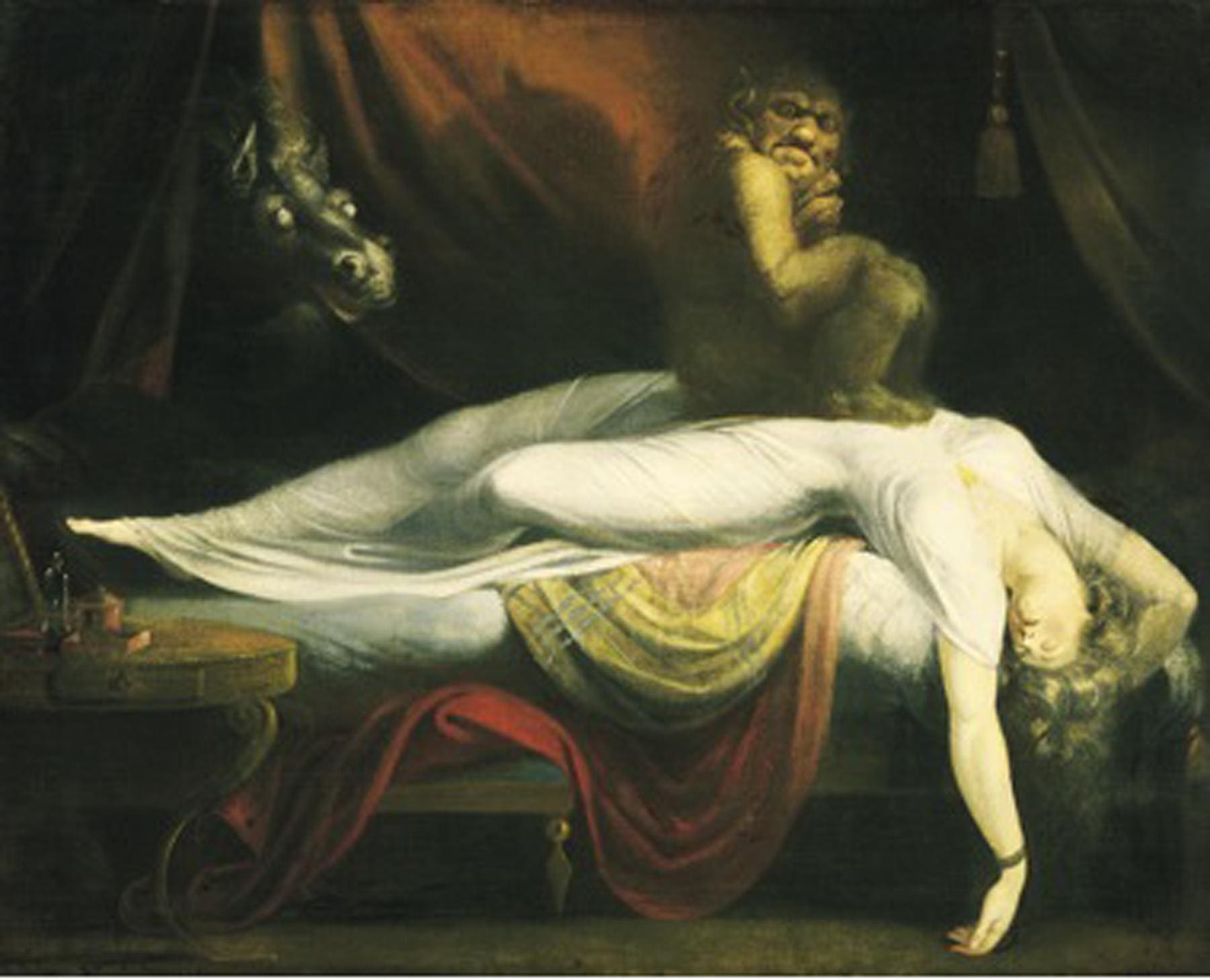
Welcome to an intriguing exploration of the phenomenon of sleep paralysis hallucinations! In this article, we will delve into the fascinating world of psychology to better understand the mechanisms behind these vivid and often unsettling experiences. By shedding light on the underlying psychological processes at play during sleep paralysis, you will gain valuable insights into this mysterious phenomenon that affects many individuals around the world. Let’s embark on this enlightening journey together as we unlock the secrets of sleep paralysis hallucinations. Have you ever experienced the terrifying phenomenon of waking up unable to move, feeling a heavy weight on your chest, and seeing or sensing a presence in the room with you? If so, you may have experienced sleep paralysis hallucinations. But what exactly are sleep paralysis hallucinations, and how do they occur? Let’s delve into the fascinating world of sleep paralysis and explore the psychological mechanisms behind this puzzling phenomenon.
What is Sleep Paralysis?
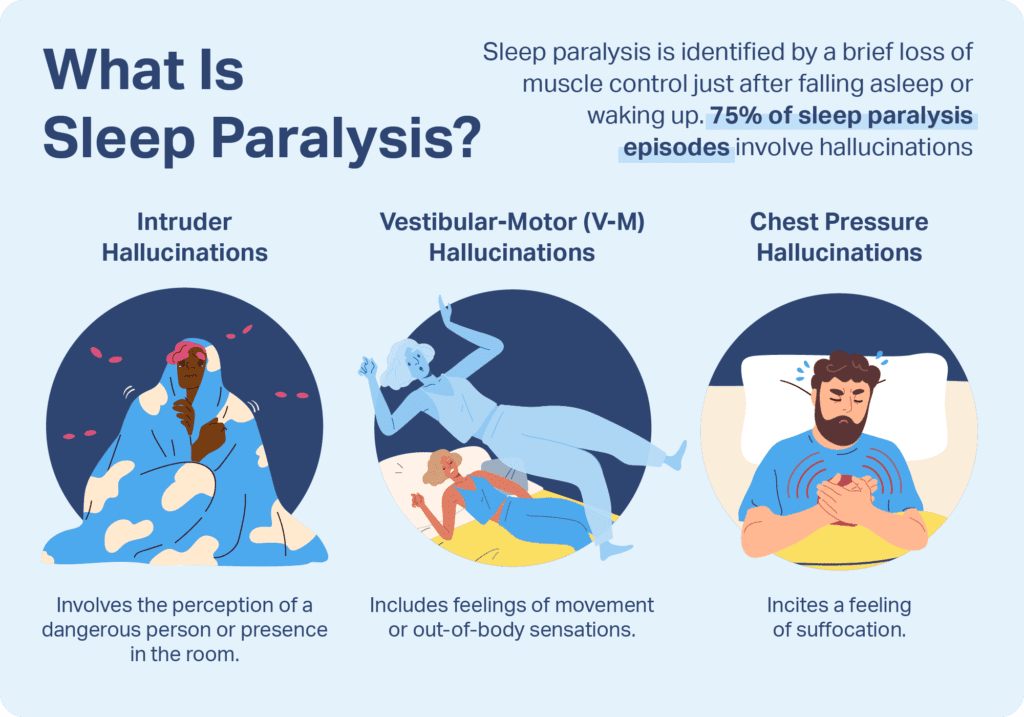
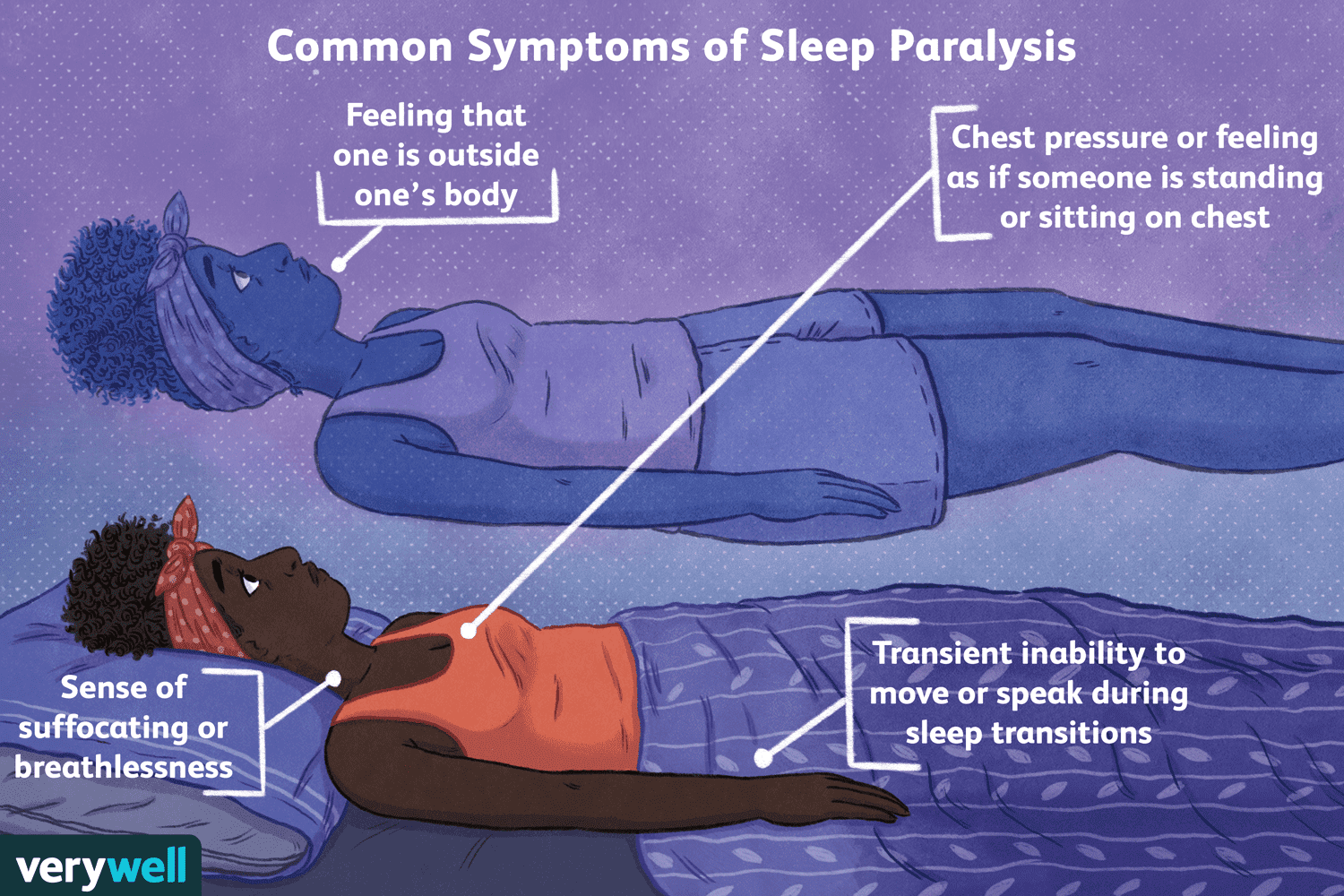
Sleep paralysis is a temporary condition that occurs when a person is unable to move or speak while falling asleep or waking up. It is often accompanied by vivid hallucinations and a sense of fear or dread. During an episode of sleep paralysis, the brain is awake, but the body is still in a state of REM (rapid eye movement) sleep, which is when dreaming occurs. This mismatch between the brain and body creates a terrifying experience for the individual.
The feeling of being awake but unable to move
Imagine waking up from a peaceful sleep, but realizing that you are unable to move any part of your body. This feeling of paralysis can be incredibly frightening and disorienting.
The sensation of pressure or weight on your chest
Many people who experience sleep paralysis report feeling as though there is a heavy weight pressing down on their chest, making it difficult to breathe. This sensation can heighten feelings of anxiety and fear during an episode.
Types of Sleep Paralysis Hallucinations
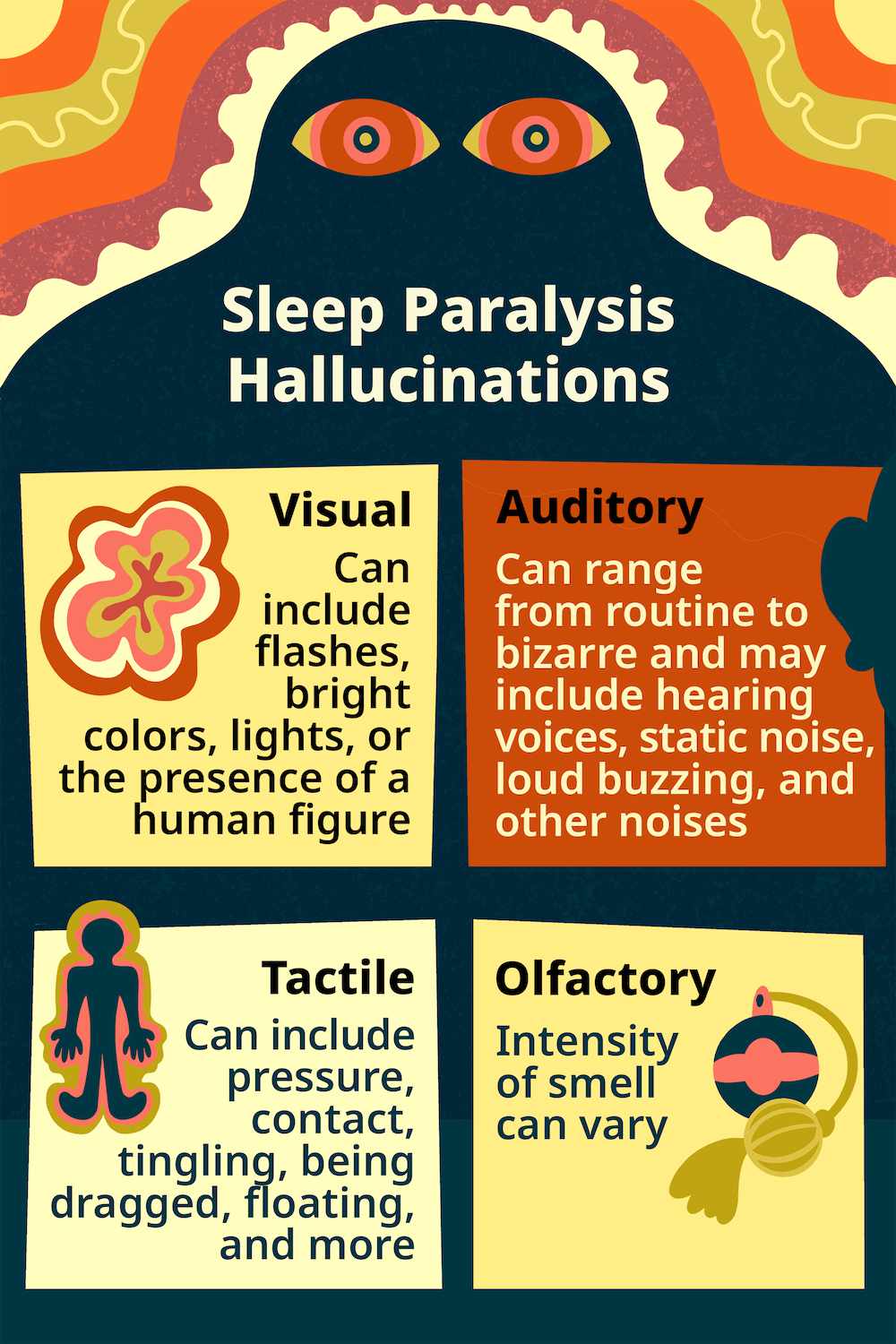
Sleep paralysis hallucinations can manifest in a variety of forms, from visual hallucinations to auditory hallucinations. These hallucinations are often vivid and realistic, making them all the more terrifying for the person experiencing them.
Visual Hallucinations
Visual hallucinations during sleep paralysis can include seeing shadowy figures, strange shapes, or even vivid scenes that seem completely real. These hallucinations often add to the feeling of fear and helplessness during an episode of sleep paralysis.
Auditory Hallucinations
Auditory hallucinations involve hearing sounds or voices that are not actually there. These can range from whispers and murmurs to loud noises or even aggressive commands. Auditory hallucinations can be particularly distressing for individuals experiencing sleep paralysis.
Tactile Hallucinations
Tactile hallucinations involve feeling physical sensations that are not real, such as a hand on your shoulder, a cold breeze on your skin, or the sensation of being touched or held down. These sensations can intensify the sense of fear and helplessness during sleep paralysis.
The Brain and Sleep Paralysis
To understand how sleep paralysis hallucinations occur, it is important to consider the role of the brain in regulating sleep and wakefulness. During normal sleep, the brain cycles through different stages, including REM sleep and non-REM sleep. REM sleep is when most dreaming occurs, and the body is typically paralyzed to prevent acting out dreams. However, during REM sleep paralysis, this paralysis can persist even as the brain becomes partially awake, leading to the phenomenon of sleep paralysis.
The amygdala and fear response
The amygdala is a key brain region involved in processing emotions, particularly fear. During an episode of sleep paralysis, the amygdala may become hyperactive, leading to intense feelings of fear and dread. This heightened fear response can contribute to the vivid and terrifying hallucinations that often accompany sleep paralysis.
The prefrontal cortex and reality monitoring
The prefrontal cortex is responsible for higher cognitive functions, such as decision-making, planning, and reality monitoring. During sleep paralysis, the prefrontal cortex may be partially awake, leading to a blurring of the line between dream and reality. This can result in the vivid and realistic hallucinations experienced during sleep paralysis.
The Role of Stress and Anxiety
Stress and anxiety are known to be major triggers for sleep paralysis episodes. When a person is under significant stress or experiencing high levels of anxiety, the body’s natural sleep-wake cycle can be disrupted, increasing the likelihood of experiencing sleep paralysis.
Stress and the fight-or-flight response
When we experience stress, our body’s fight-or-flight response is activated, releasing stress hormones such as cortisol and adrenaline. These hormones can disrupt the normal sleep cycle, leading to fragmented sleep and increased risk of sleep paralysis episodes.
Anxiety and hyperarousal
Anxiety is characterized by a state of hyperarousal, in which the body is on high alert and easily triggered into a stress response. This heightened state of arousal can make it more difficult to relax and fall asleep, increasing the chances of experiencing sleep paralysis.
Sleep Paralysis and Cultural Beliefs
Sleep paralysis has been documented in various cultures around the world, with each culture interpreting the phenomenon through its own unique lens. In some cultures, sleep paralysis is seen as a spiritual or supernatural experience, involving visitations from demons, ghosts, or other supernatural beings.
Cultural beliefs and hallucinations
Cultural beliefs can influence the content of hallucinations during sleep paralysis. For example, in cultures where belief in witchcraft or malevolent spirits is prevalent, sleep paralysis hallucinations may involve encounters with these entities. This cultural lens can shape the interpretation of the experience and impact the individual’s response to sleep paralysis.
Cultural coping mechanisms
In some cultures, specific rituals or practices are used to cope with or prevent sleep paralysis episodes. These may include prayers, charms, or rituals designed to ward off evil spirits or protect against supernatural visitations. Cultural coping mechanisms can provide a sense of control and comfort for individuals experiencing sleep paralysis.
Coping Strategies for Sleep Paralysis
If you frequently experience sleep paralysis episodes, it can be helpful to develop coping strategies to manage the condition and reduce the frequency and intensity of episodes.
Improve Sleep Hygiene
Maintaining a consistent sleep schedule and creating a relaxing bedtime routine can help improve the quality of your sleep and reduce the likelihood of experiencing sleep paralysis. Avoiding caffeine, screen time, and stimulating activities before bed can also promote better sleep.
Reduce Stress and Anxiety
Finding healthy ways to manage stress and anxiety, such as meditation, yoga, or therapy, can help reduce the triggers for sleep paralysis episodes. Practicing relaxation techniques before bed can also help calm the mind and body for better sleep.
Seek Professional Help
If sleep paralysis is significantly impacting your quality of life or causing distress, it may be helpful to consult a healthcare provider or sleep specialist. They can provide guidance on managing the condition and recommend treatment options, such as therapy or medications, if needed.
Create a Safe Sleep Environment
Creating a comfortable and safe sleep environment can help reduce feelings of fear and anxiety during sleep paralysis episodes. Keep your bedroom dark, quiet, and free of distractions, and consider using a nightlight or white noise machine to promote relaxation.
Conclusion
Sleep paralysis hallucinations can be a terrifying and unsettling experience, but understanding the psychological mechanisms behind this phenomenon can help demystify the condition. By exploring the role of the brain, stress, anxiety, and cultural beliefs in sleep paralysis, we can gain insights into why these episodes occur and how to cope with them effectively. Remember, if you are experiencing frequent or distressing sleep paralysis episodes, it is essential to seek professional help to address the underlying causes and find effective solutions. Stay informed, take care of your mental health, and rest well. Good night.