
Have you ever experienced a sleep paralysis episode? If so, you’re not alone. In this intriguing article, we will delve into the fascinating world of sleep paralysis and explore its relationship with the fear of sleep. Discover the causes, symptoms, and potential solutions for these disturbing episodes, and gain a deeper understanding of the complexities of sleep and the human mind. So, prepare to embark on a journey of exploration and knowledge as we uncover the mysteries behind sleep paralysis and its impact on our fear of sleep.
What is Sleep Paralysis?
Definition of sleep paralysis
Sleep paralysis is a temporary inability to move or speak that occurs at the transition between sleep and wakefulness. During this state, your mind is awake, but your body is still in its sleep mode, resulting in a feeling of being frozen or paralyzed. This phenomenon can occur either when falling asleep (hypnagogic or predormital sleep paralysis) or when waking up (hypnopompic or postdormital sleep paralysis). Sleep paralysis usually lasts for a few seconds to a couple of minutes, but it can be a frightening and distressing experience.
Causes of sleep paralysis
Sleep paralysis is believed to be caused by disruptions in the sleep cycle, particularly during the REM (rapid eye movement) stage of sleep. This stage is characterized by vivid dreams and temporary paralysis of the skeletal muscles to prevent us from acting out our dreams during sleep. When sleep paralysis occurs, the body essentially “wakes up” while the brain is still in this REM stage, resulting in the temporary loss of muscle control.
There are several factors that can contribute to the occurrence of sleep paralysis. Sleep deprivation, irregular sleep patterns, and sleep disorders such as narcolepsy or insomnia are common triggers. Other potential causes include sleep deprivation, sleep disorders, such as narcolepsy or insomnia, irregular sleep patterns, stress, anxiety, and certain medications.
Symptoms of sleep paralysis
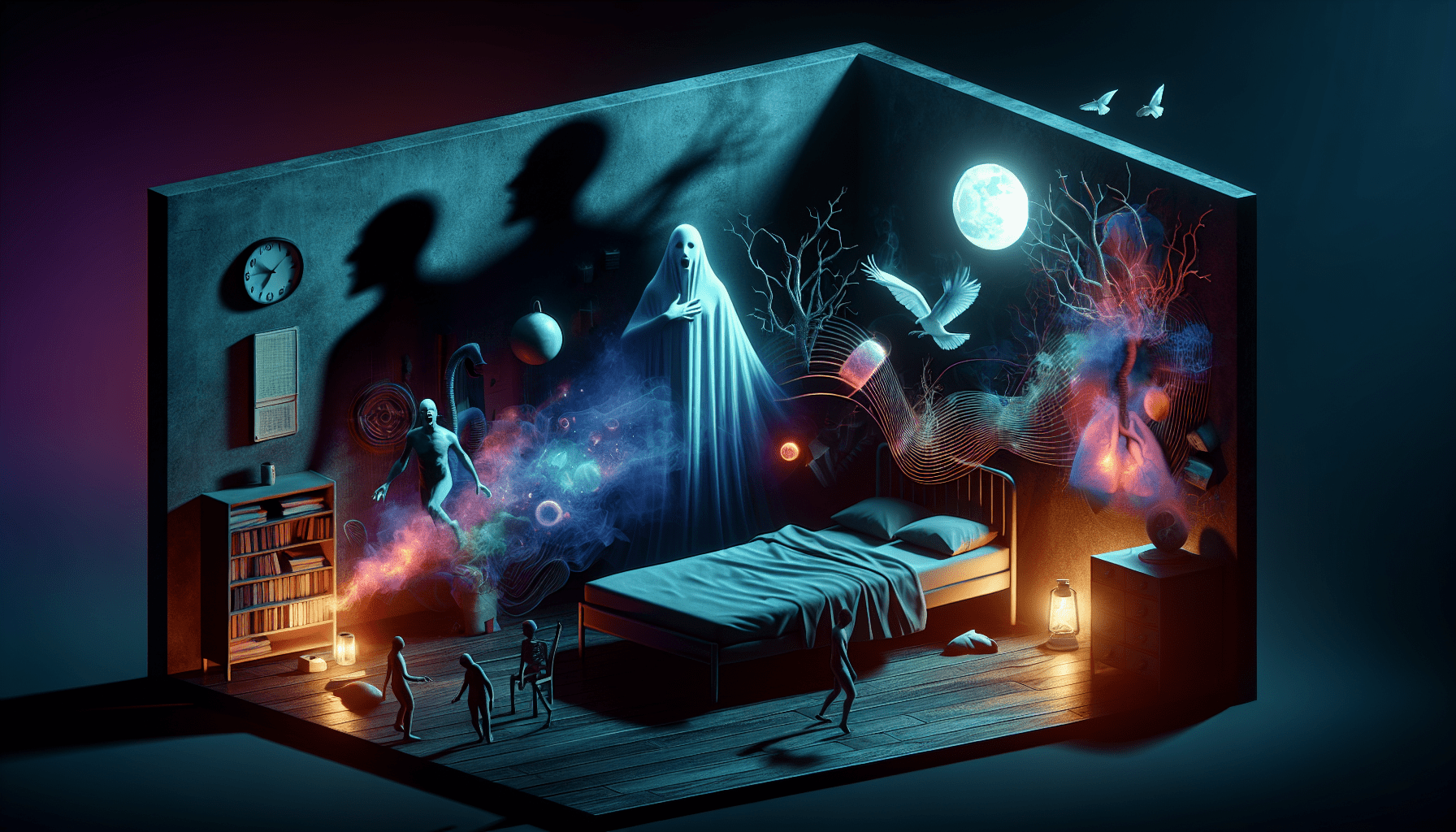
During an episode of sleep paralysis, you may experience various symptoms. These can include the sensation of pressure on your chest, difficulty breathing, a sense of impending doom, hallucinations (both auditory and visual), and intense fear. These symptoms can vary from person to person and can be influenced by individual factors such as stress or underlying psychological conditions. It is important to remember that while sleep paralysis can be distressing, it is not physically harmful and usually does not require medical intervention.
Understanding Fear of Sleep
Definition of fear of sleep
Fear of sleep, also known as somniphobia or sleep anxiety, is an excessive and irrational fear of falling asleep or getting enough sleep. It is often accompanied by feelings of anxiety, dread, and fear associated with the sleep process itself. Those who experience this fear may worry about losing control while asleep, having nightmares or night terrors, or not waking up on time. Fear of sleep can significantly impact an individual’s quality of life, as it can lead to chronic sleep deprivation and heightened anxiety levels.
Causes of fear of sleep
Fear of sleep can stem from various underlying causes. Traumatic experiences during sleep, such as recurring nightmares or night terrors, can contribute to the development of this fear. Sleep disorders, such as sleep apnea or restless leg syndrome, can also instill fear due to the disruptions they cause during sleep. Additionally, individuals who have experienced anxiety or panic attacks during the night may develop a fear of experiencing these episodes while asleep.
Another factor that can contribute to the fear of sleep is the fear of experiencing sleep paralysis. Sleep paralysis can be an extremely frightening experience, and individuals who have had previous episodes may develop a fear of it happening again. Fear of sleep can also be influenced by underlying psychological conditions, such as general anxiety disorder or post-traumatic stress disorder (PTSD).
Symptoms of fear of sleep
The symptoms of fear of sleep can vary from person to person, but common experiences include heightened anxiety or panic before bedtime, difficulty falling asleep, nightmares or night terrors, frequent waking during the night, and overall sleep deprivation. Individuals with this fear may also exhibit symptoms of anxiety during the day, such as irritability, difficulty concentrating, and fatigue. It is important to note that the fear of sleep can significantly impact an individual’s mental and emotional well-being, as well as their overall quality of life.
The Link Between Sleep Paralysis and Fear of Sleep
Common experiences and overlaps
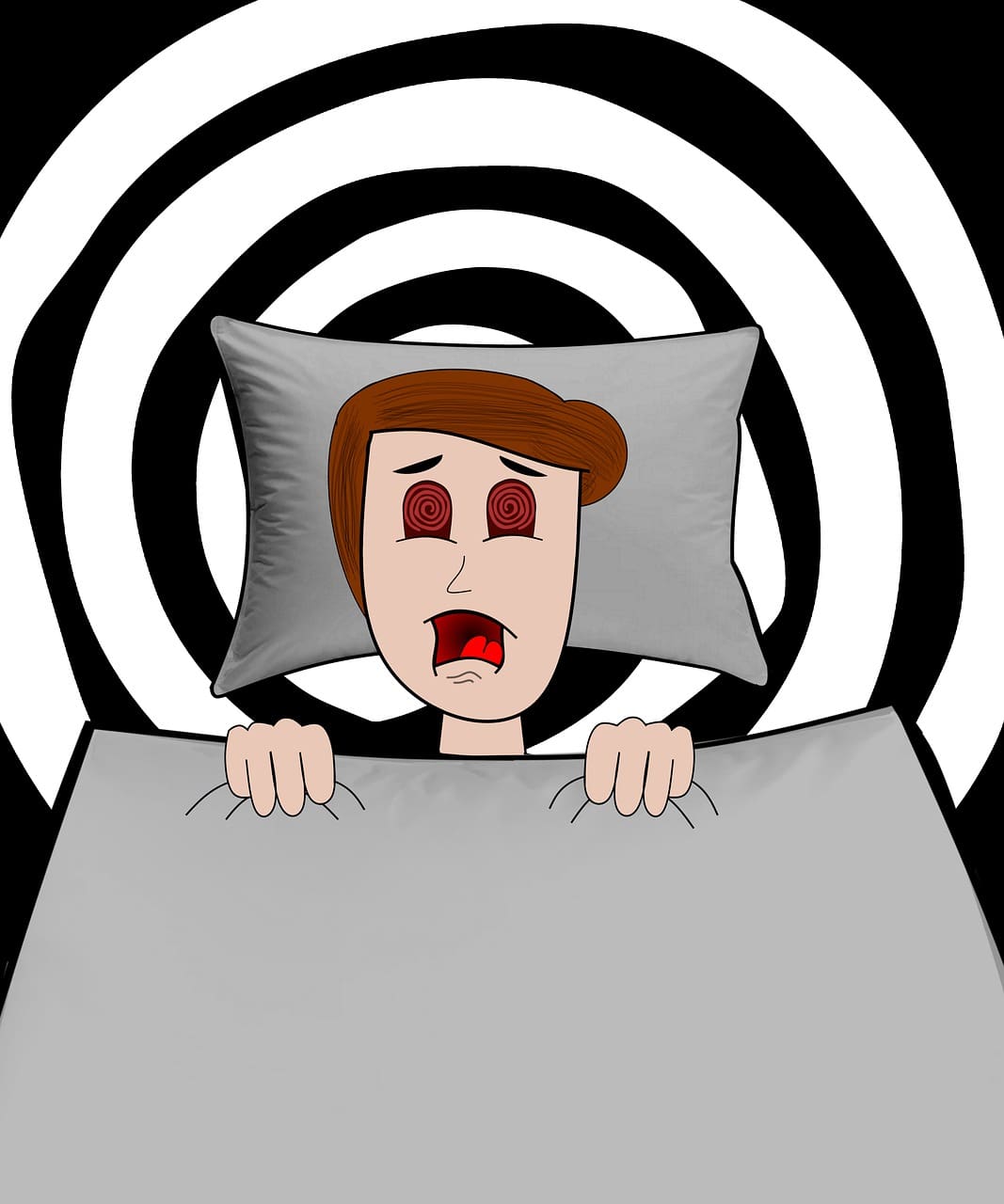
Sleep paralysis and fear of sleep often go hand in hand, as they share common experiences and overlaps. Many individuals who have experienced sleep paralysis report feelings of intense fear, as well as symptoms such as the sensation of pressure on the chest and auditory or visual hallucinations. These experiences can contribute to the development of a fear of sleep, as individuals may associate falling asleep with the potential occurrence of sleep paralysis.
Shared physiological and psychological factors
Both sleep paralysis and fear of sleep are influenced by shared physiological and psychological factors. Sleep disturbances, such as disruptions in the sleep cycle, can contribute to the occurrence of sleep paralysis and can also heighten anxiety levels related to sleep. Additionally, underlying psychological conditions, such as anxiety disorders or PTSD, can contribute to both the occurrence of sleep paralysis and the development of a fear of sleep.
Impact of fear of sleep on sleep paralysis experiences
Fear of sleep can amplify the distressing experience of sleep paralysis. Individuals who already fear falling asleep may become hypersensitive to the sensations and hallucinations that occur during sleep paralysis. This heightened fear and anxiety can intensify the overall experience and contribute to increased feelings of helplessness and fear. It is important to address and manage the fear of sleep to mitigate the impact it has on sleep paralysis experiences.
Scientific Studies on the Relationship
Research findings and observations
Several studies have explored the relationship between sleep paralysis and fear of sleep. These studies have found that individuals who experience sleep paralysis are more likely to develop a fear of sleep. Additionally, individuals with a pre-existing fear of sleep are more susceptible to experiencing sleep paralysis episodes. Research has also shown that there is a reciprocal relationship between sleep paralysis and fear of sleep, with each condition exacerbating the symptoms and fear associated with the other.
Exploration of causal direction
Researchers have also investigated the causal direction of the relationship between sleep paralysis and fear of sleep. While it is clear that the two are closely linked, it is still unclear whether sleep paralysis leads to the development of a fear of sleep or if a pre-existing fear of sleep increases the likelihood of experiencing sleep paralysis. Further research is needed to fully understand the underlying mechanisms and causal direction of this relationship.
Methods used in study
Studies on the relationship between sleep paralysis and fear of sleep have utilized various methods to gather data and insights. These methods include self-report questionnaires to assess sleep paralysis and fear of sleep experiences, sleep diaries to track sleep patterns and occurrences of sleep paralysis, and sleep studies to monitor physiological changes during sleep. Additionally, qualitative interviews and focus groups have been conducted to gain a deeper understanding of the subjective experiences and impact of sleep paralysis and fear of sleep.
Effects on Quality of Life
Impact on daily functioning
Sleep paralysis and fear of sleep can significantly impact an individual’s daily functioning. The fear and anxiety associated with falling asleep can lead to chronic sleep deprivation and fatigue, which can impair cognitive function, concentration, and overall productivity. Additionally, the distressing experiences of sleep paralysis can cause individuals to feel anxious and on edge throughout the day, further affecting their ability to function optimally.
Emotional and psychological consequences
The emotional and psychological consequences of sleep paralysis and fear of sleep can be profound. Individuals may experience heightened levels of anxiety, depression, and stress due to the constant fear and anticipation of the next sleep paralysis episode. The distressing nature of sleep paralysis and the fear surrounding it can also contribute to feelings of isolation and loneliness, as individuals may struggle to explain or share their experiences with others.
Relationship between anxiety disorders and fear of sleep
There is a strong correlation between anxiety disorders and the development of a fear of sleep. Individuals with anxiety disorders are more likely to experience sleep disturbances and sleep-related phobias, including fear of sleep. Furthermore, the fear and anxiety associated with sleep paralysis can exacerbate existing anxiety disorders, creating a cycle of fear, distress, and sleep disturbance.
Coping Strategies and Treatment Options
Self-help techniques for managing sleep paralysis and fear of sleep
There are several self-help techniques that can be beneficial in managing sleep paralysis and fear of sleep. Establishing a regular sleep schedule and maintaining good sleep hygiene can help regulate sleep patterns and reduce the occurrence of sleep paralysis episodes. Practicing relaxation techniques, such as deep breathing or meditation, before bed can help reduce anxiety and promote a more restful sleep. Additionally, avoiding stimulating activities or substances close to bedtime, such as caffeine and electronic devices, can contribute to a better sleep environment.
Therapeutic approaches and interventions
Cognitive-behavioral therapy (CBT) has been found to be effective in treating both sleep paralysis and fear of sleep. CBT focuses on identifying and challenging negative thoughts and beliefs surrounding sleep, as well as implementing behavioral strategies to promote relaxation and better sleep habits. Exposure therapy, a form of CBT, may also be used to gradually expose individuals to the fear of sleep or sleep paralysis in a controlled and safe environment to reduce anxiety and fear responses.
Medication options and their effectiveness
In some cases, medication may be prescribed to help manage the symptoms of sleep paralysis and fear of sleep. Antidepressants or anti-anxiety medications may be used to reduce symptoms of anxiety or depression that are commonly associated with sleep disturbances. However, it is important to consult with a healthcare professional before starting any medication regimen, as they can best determine the appropriate treatment plan based on individual needs.
Support and Community for Individuals
Online forums and support groups
Online forums and support groups can be invaluable resources for individuals experiencing sleep paralysis and fear of sleep. These platforms provide a safe and understanding space for individuals to share their experiences, seek advice, and connect with others who can relate to their struggles. Engaging in these communities can help individuals feel less alone in their experiences and provide validation for their feelings and fears.
Importance of sharing experiences
Sharing experiences with others who have gone through similar experiences can be a crucial step in the healing and recovery process. By hearing others’ stories, individuals can learn coping strategies, gain insights into their own experiences, and feel less isolated. Sharing experiences can also help individuals normalize their fears and anxieties, recognizing that they are not alone in their struggles.
Finding understanding and validation
Finding understanding and validation from friends, family, and healthcare professionals is essential in managing sleep paralysis and fear of sleep. Educating loved ones about these conditions can help foster empathy and support. Seeking professional help from therapists or sleep specialists who are knowledgeable about sleep paralysis and fear of sleep can provide individuals with the appropriate guidance and treatment options tailored to their specific needs.
Overcoming Fear of Sleep through Cognitive-Behavioral Therapy
Introduction to cognitive-behavioral therapy (CBT)
Cognitive-behavioral therapy (CBT) is a highly effective therapeutic approach for addressing the fear of sleep. CBT focuses on identifying and challenging negative thoughts and beliefs about sleep, as well as implementing behavioral strategies to promote positive sleep habits. By understanding the underlying fears and anxieties associated with sleep, CBT helps individuals develop coping mechanisms and strategies to overcome their fear and regain control over their sleep.
CBT techniques for addressing fear of sleep
CBT techniques for addressing the fear of sleep may include cognitive restructuring, which involves challenging and replacing negative thoughts with realistic and positive ones. Exposure and response prevention may also be utilized to gradually expose individuals to their fears, such as practicing relaxation techniques before bed or developing a consistent sleep routine. The goal of CBT is to help individuals develop a healthier and more positive relationship with sleep, reducing fear and anxiety.
Success stories and testimonials
Many individuals who have undergone CBT for their fear of sleep have reported significant improvements in their sleep quality and reduction in anxiety levels. By learning to challenge and reframe their negative thoughts, individuals often experience a sense of empowerment and control over their sleep. Success stories and testimonials from those who have overcome their fear of sleep through CBT can provide encouragement and motivation for others who are seeking help.
Prevention and Maintenance of Healthy Sleep Habits
Establishing a regular sleep schedule
Establishing a regular sleep schedule can help regulate the sleep-wake cycle and reduce the occurrence of sleep paralysis and fear of sleep. Going to bed and waking up at the same time every day, even on weekends, can help train the body to anticipate sleep and wakefulness. This consistency signals the body to sleep when it is time and helps maintain a healthy sleep pattern.
Creating a sleep-friendly environment
Creating a sleep-friendly environment can promote relaxation and better sleep quality. This can include keeping the bedroom cool, dark, and quiet, and removing distractions such as electronic devices. Engaging in calming activities before bed, such as reading or taking a warm bath, can also help signal to the body that it is time to sleep.
Practicing relaxation techniques before bed
Practicing relaxation techniques before bed can help reduce anxiety and promote a more restful sleep. Deep breathing exercises, progressive muscle relaxation, and guided imagery are effective techniques that can help calm the mind and relax the body. Integrating these practices into a bedtime routine can signal to the body that it is time to unwind and prepare for sleep.
Conclusion
Summary of key findings
Through exploring the relationship between sleep paralysis and fear of sleep, it is evident that these two conditions are closely linked. Sleep paralysis can lead to the development of a fear of sleep, while an existing fear of sleep can exacerbate and intensify the experience of sleep paralysis. The impact of sleep paralysis and fear of sleep on an individual’s quality of life can be significant, affecting daily functioning, emotional well-being, and overall sleep quality.
Encouragement for seeking help
If you are experiencing sleep paralysis or fear of sleep, it is important to seek help and support. There are numerous treatment options available, such as cognitive-behavioral therapy and medication, that can help manage these conditions and improve your sleep quality. Remember, you are not alone in your experiences, and there are communities and support networks available to provide understanding and validation.
Future avenues for research
While significant progress has been made in understanding the relationship between sleep paralysis and fear of sleep, there is still much to learn. Future research could focus on investigating the underlying mechanisms and causal direction of this relationship, as well as exploring the effectiveness of various therapeutic approaches and interventions. By continuing to expand our knowledge in this area, we can better support individuals who are affected by sleep paralysis and fear of sleep.