
In the article “Managing Hallucinations during Sleep Paralysis,” you will explore the phenomenon of hallucinations experienced during sleep paralysis. Sleep paralysis is a state in which you are partially awake but unable to move, often accompanied by vivid and often frightening hallucinations. Understanding how to manage and cope with these hallucinations can be crucial in easing the distressing experience of sleep paralysis. This article delves into strategies such as relaxation techniques, maintaining a regular sleep schedule, and seeking professional help if needed to help effectively manage hallucinations during sleep paralysis. By implementing these techniques, you can mitigate the fear and anxiety often associated with this phenomenon and improve the overall quality of your sleep.
Managing Hallucinations during Sleep Paralysis
Have you ever experienced vivid hallucinations during sleep paralysis? Are you struggling to cope with these terrifying experiences? In this article, we will explore various strategies and techniques to help you manage hallucinations during sleep paralysis effectively.
Understanding Sleep Paralysis and Hallucinations
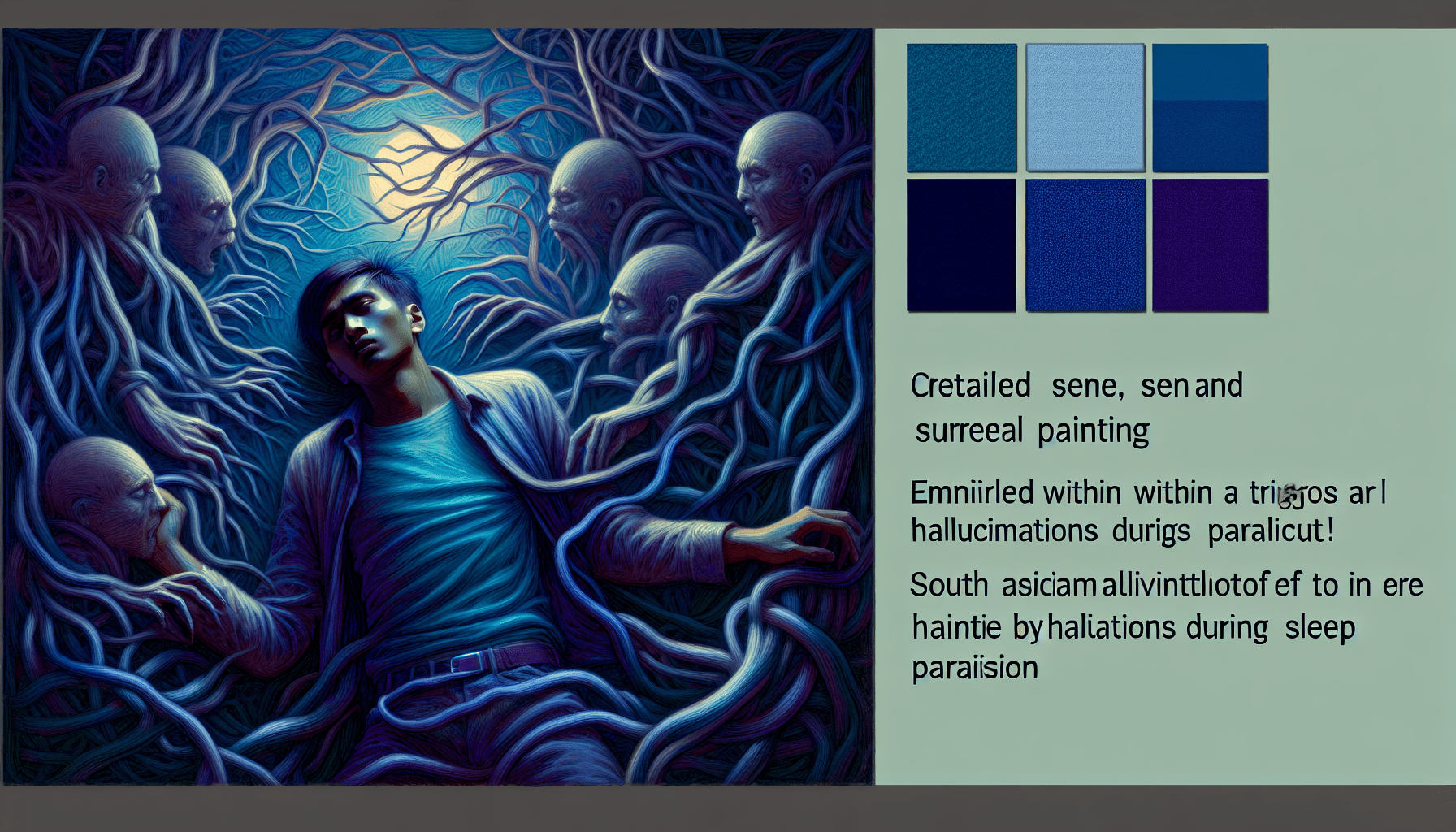
Sleep paralysis is a phenomenon in which an individual is briefly unable to move or speak while awake or falling asleep. It often occurs during the transition between the stages of wakefulness and sleep, leading to a feeling of being conscious but unable to move. Hallucinations experienced during sleep paralysis can be vivid and frightening, ranging from seeing shadowy figures to feeling a presence in the room.
Understanding the nature of sleep paralysis and hallucinations is the first step in managing these experiences effectively. By recognizing that these phenomena are a normal part of the sleep cycle and not indicative of a serious health problem, you can begin to approach them with a more rational mindset.
Keeping a Sleep Journal
One helpful strategy for managing hallucinations during sleep paralysis is to keep a sleep journal. By documenting your sleep patterns, including the frequency and intensity of episodes of sleep paralysis, you can gain insight into potential triggers and patterns that may be contributing to your hallucinations.
Keeping a detailed record of your sleep habits, such as the time you go to bed, the quality of your sleep, and any stressful events or activities you engage in before bedtime, can help you identify factors that may be exacerbating your experiences of sleep paralysis and hallucinations. By pinpointing these triggers, you can take proactive steps to minimize their impact on your sleep health.
Creating a Relaxing Sleep Environment
Creating a relaxing sleep environment is essential for managing hallucinations during sleep paralysis. By making your bedroom a peaceful and calming space, you can promote restful sleep and reduce the likelihood of experiencing frightening hallucinations.
Ensuring that your bedroom is dark, quiet, and at a comfortable temperature can help create an optimal sleep environment. Consider using white noise machines, blackout curtains, and comfortable bedding to enhance the quality of your sleep. Additionally, practicing relaxation techniques such as deep breathing, meditation, or gentle yoga before bedtime can help calm your mind and body, making it easier to drift off to sleep peacefully.
Establishing a Consistent Sleep Routine
Establishing a consistent sleep routine is crucial for managing hallucinations during sleep paralysis. By going to bed and waking up at the same time every day, you can regulate your body’s internal clock and promote healthy sleep patterns.
Maintaining a consistent sleep schedule can help reduce the frequency and intensity of episodes of sleep paralysis, making it easier to cope with hallucinations when they occur. Additionally, avoiding caffeine, alcohol, and electronics close to bedtime can improve the quality of your sleep and reduce the likelihood of experiencing disruptive hallucinations during sleep paralysis.

Seeking Professional Help
If you continue to struggle with managing hallucinations during sleep paralysis despite trying the strategies mentioned above, it may be beneficial to seek professional help. Consulting with a sleep specialist or mental health professional who has experience working with individuals who experience sleep disorders can provide you with additional support and guidance.
A professional can help you explore the underlying causes of your sleep paralysis and hallucinations, as well as develop a personalized treatment plan to address your specific needs. They may recommend cognitive-behavioral therapy, medication, or other interventions to help you manage your symptoms and improve the quality of your sleep.
Conclusion
In conclusion, managing hallucinations during sleep paralysis can be a challenging experience, but with the right strategies and support, it is possible to minimize their impact on your daily life. By understanding the nature of sleep paralysis, keeping a sleep journal, creating a relaxing sleep environment, establishing a consistent sleep routine, and seeking professional help when needed, you can effectively cope with hallucinations during sleep paralysis and improve the quality of your sleep.
Remember, you are not alone in experiencing sleep paralysis and hallucinations, and there are resources and professionals available to help you navigate these challenging experiences. By taking proactive steps to manage your symptoms, you can learn to cope with sleep paralysis and enjoy restful and rejuvenating sleep.