
Welcome to this informative article that will help you understand the key differences between sleep paralysis and other common sleep disorders. Sleep paralysis is a unique phenomenon that can be frightening, but learning more about it can help alleviate any concerns. By exploring the characteristics of sleep paralysis compared to other sleep disorders such as insomnia or sleep apnea, you will gain a better understanding of your own sleep experiences. Let’s delve into the nuances of these sleep issues to help you feel more knowledgeable and empowered when it comes to your own sleep health.
Key Differences Between Sleep Paralysis And Other Sleep Disorders
Have you ever woken up in the middle of the night unable to move, feeling a sense of dread or fear? If so, you may have experienced sleep paralysis. This phenomenon can be frightening and confusing, but it’s essential to understand that it is different from other sleep disorders. In this article, we will delve into the key differences between sleep paralysis and other sleep disorders to help you better understand your experiences and how to address them.
What is Sleep Paralysis?
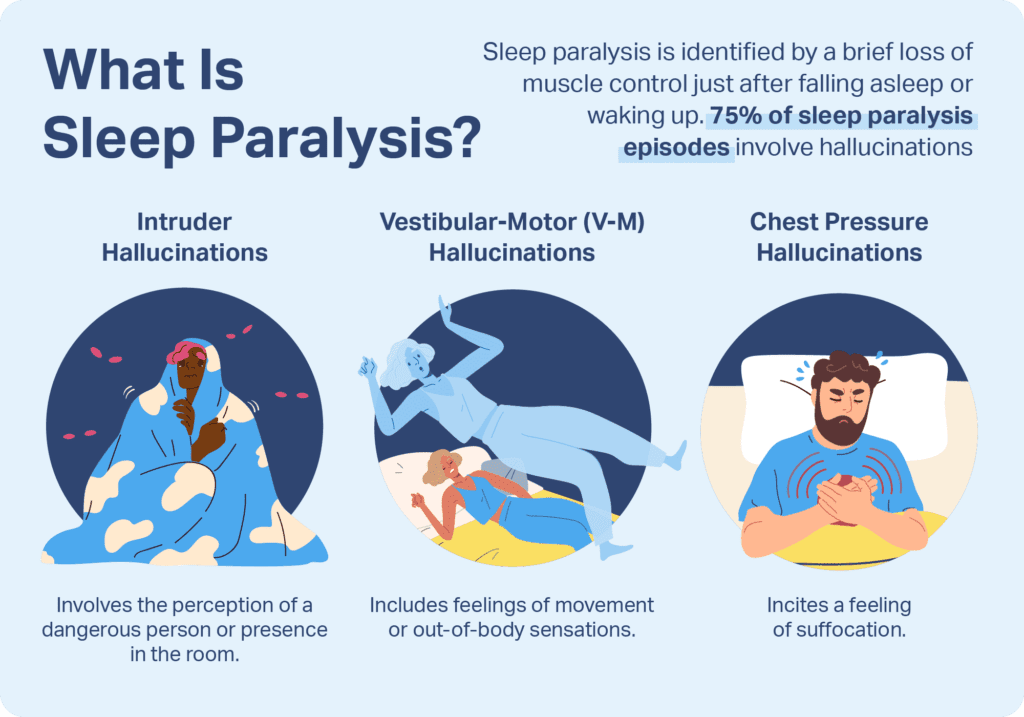
Before diving into the differences, let’s first define what sleep paralysis is. Sleep paralysis is a temporary inability to move or speak while falling asleep or waking up. During an episode of sleep paralysis, your mind is awake, but your body remains in a state of muscle atony, preventing you from moving or speaking. This can last a few seconds to a few minutes and may be accompanied by hallucinations or intense feelings of fear.
Description of Sleep Paralysis
Sleep paralysis is often described as feeling like you are trapped in your body, unable to move or speak despite being fully conscious. Some people experience a sense of pressure on their chest or feel like there is a presence in the room with them. These hallucinations can be vivid and disturbing, making sleep paralysis a frightening experience for those who go through it.
Key Differences Between Sleep Paralysis And Other Sleep Disorders
Now that we have a better understanding of what sleep paralysis is, let’s explore the key differences between sleep paralysis and other sleep disorders.
Sleep Paralysis vs. Narcolepsy
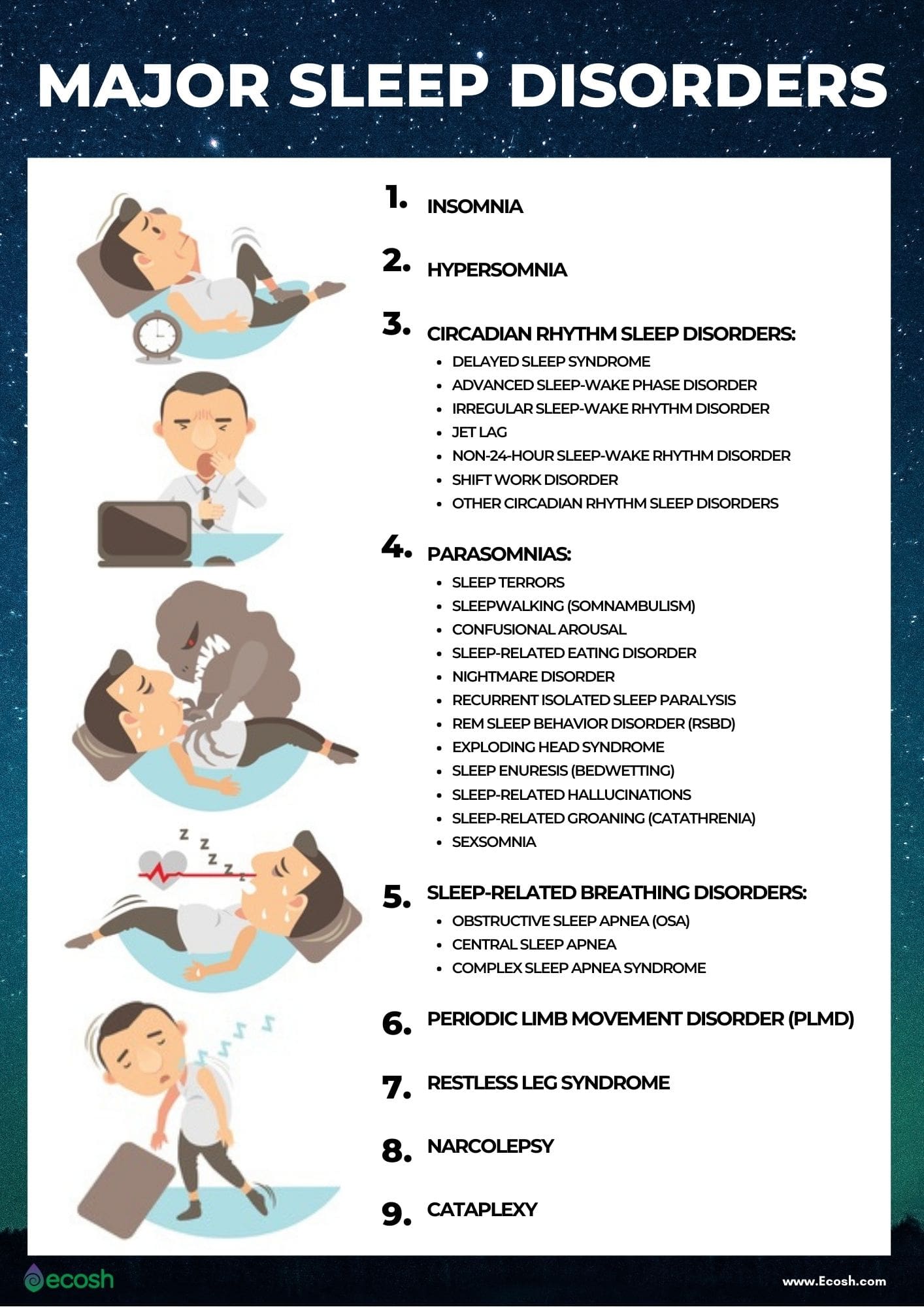
One common sleep disorder that is often mistaken for sleep paralysis is narcolepsy. Both conditions involve disruptions to the normal sleep-wake cycle, but they have distinct differences. Narcolepsy is a neurological disorder that affects the brain’s ability to regulate sleep-wake cycles, resulting in excessive daytime sleepiness, sudden loss of muscle tone (cataplexy), vivid dreamlike hallucinations, and sleep paralysis. Unlike sleep paralysis, narcolepsy is a chronic condition that requires ongoing medical management.
Sleep Paralysis vs. Insomnia
Insomnia is another sleep disorder that is often confused with sleep paralysis, as both can result in difficulty falling asleep or staying asleep. However, the key difference lies in the experience itself. Insomnia is characterized by persistent difficulty initiating or maintaining sleep, leading to daytime impairment or distress. In contrast, sleep paralysis is linked to specific moments during the transition between wakefulness and sleep, where muscle atony occurs, leading to temporary paralysis.
Sleep Paralysis vs. REM Sleep Behavior Disorder
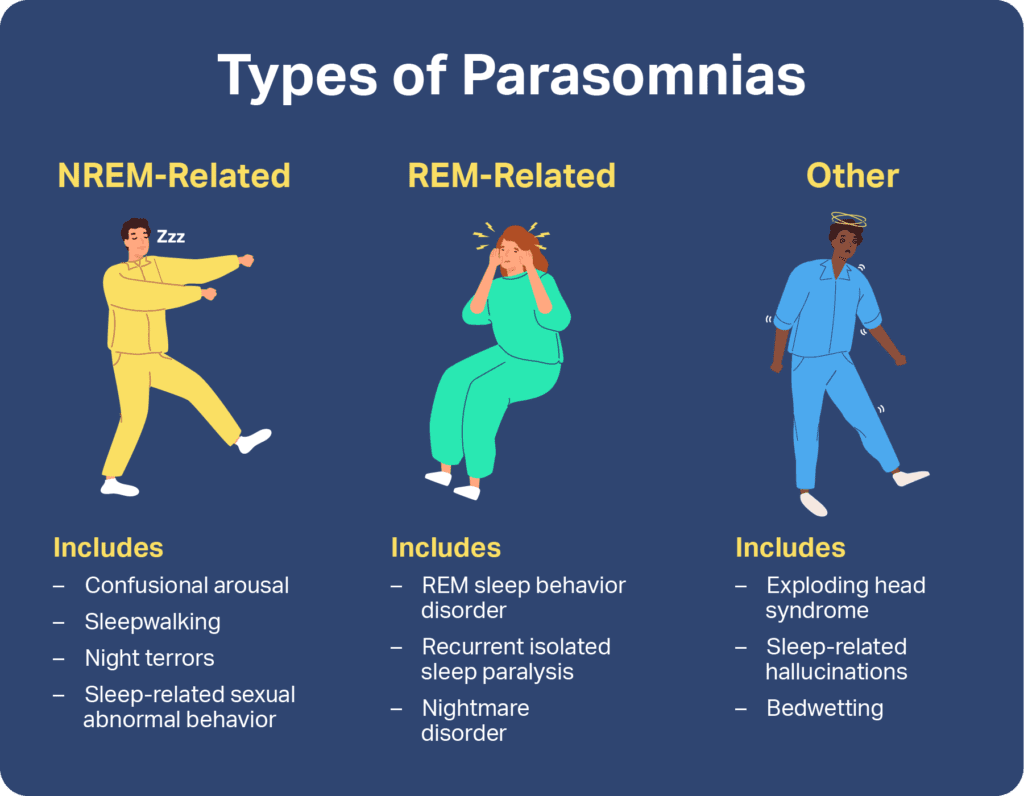
REM sleep behavior disorder (RBD) is a sleep disorder characterized by the absence of muscle atony during REM sleep, allowing individuals to act out their dreams physically. While sleep paralysis and RBD both involve disruptions to the normal sleep cycle, they manifest in different ways. Sleep paralysis occurs during the transition between wakefulness and sleep, leading to temporary muscle atony, whereas RBD occurs during REM sleep, resulting in individuals physically acting out their dreams.
Sleep Paralysis vs. Sleep Apnea
Sleep apnea is a sleep disorder characterized by pauses in breathing or shallow breathing during sleep, leading to disrupted sleep patterns and daytime fatigue. While sleep paralysis and sleep apnea can both impact the quality of sleep, they are distinct in their symptoms and underlying causes. Sleep paralysis is linked to muscle atony during the transition between wakefulness and sleep, whereas sleep apnea is caused by the obstruction of the airway during sleep, leading to breathing difficulties.
Diagnosing Sleep Paralysis vs. Other Sleep Disorders
Diagnosing sleep paralysis can be challenging due to its episodic and subjective nature. Unlike other sleep disorders that can be measured objectively through sleep studies or diagnostic tests, sleep paralysis relies on self-reporting of symptoms and experiences. It’s essential to differentiate sleep paralysis from other sleep disorders to receive appropriate treatment and management.
Diagnosing Sleep Paralysis
To diagnose sleep paralysis, healthcare providers rely on a detailed medical history, physical examination, and symptom description provided by the individual experiencing the episodes. There are no specific diagnostic tests for sleep paralysis, making it essential to rule out other potential sleep disorders that may present with similar symptoms. Keeping a sleep diary and tracking episodes of sleep paralysis can help healthcare providers better understand the frequency and triggers of the episodes.
Diagnosing Other Sleep Disorders
In contrast, other sleep disorders such as narcolepsy, insomnia, REM sleep behavior disorder, and sleep apnea often require objective measures for diagnosis. Sleep studies, polysomnography, multiple sleep latency tests, and other diagnostic tools are utilized to assess sleep patterns, breathing disturbances, muscle tone abnormalities, and daytime sleepiness. These tests provide valuable insights into the underlying causes of sleep disturbances and guide treatment decisions.

Treatment Approaches for Sleep Paralysis vs. Other Sleep Disorders
Effective management of sleep disorders requires a multidisciplinary approach that may include lifestyle modifications, behavioral therapies, medications, and in some cases, surgical interventions. The treatment approach for sleep paralysis differs from other sleep disorders due to its distinct nature and triggers.
Treatment Approaches for Sleep Paralysis
Managing sleep paralysis often involves addressing underlying factors that may contribute to these episodes, such as sleep deprivation, stress, sleep position, and disrupted sleep schedules. Adopting good sleep hygiene practices, reducing stress levels, maintaining a consistent sleep schedule, and improving sleep environment can help reduce the frequency and severity of sleep paralysis episodes. In some cases, therapy or counseling may be beneficial for addressing any psychological factors that contribute to sleep paralysis.
Treatment Approaches for Other Sleep Disorders
The treatment of other sleep disorders such as narcolepsy, insomnia, REM sleep behavior disorder, and sleep apnea may involve a combination of pharmacological and non-pharmacological interventions. Medications, such as stimulants, antidepressants, hypnotics, or continuous positive airway pressure (CPAP) therapy, may be prescribed to manage symptoms and improve sleep quality. Behavioral therapies, cognitive-behavioral therapy for insomnia (CBT-I), relaxation techniques, and lifestyle modifications are also essential components of the treatment plan for these sleep disorders.
Coping Strategies for Managing Sleep Disorders
Living with a sleep disorder can be challenging, impacting various aspects of your life, including work, relationships, and overall well-being. Developing coping strategies and incorporating self-care practices can help you effectively manage your sleep disorder and improve your quality of life.
Coping Strategies for Sleep Paralysis
Coping with sleep paralysis involves recognizing triggers, creating a calming bedtime routine, maintaining good sleep hygiene, and seeking support from healthcare providers or mental health professionals. Establishing a consistent sleep schedule, practicing relaxation techniques before bed, and creating a comfortable sleep environment can help minimize the occurrence of sleep paralysis episodes. Communicating openly with your healthcare provider about your experiences and concerns is essential for developing an effective management plan.
Coping Strategies for Other Sleep Disorders
For individuals living with narcolepsy, insomnia, REM sleep behavior disorder, or sleep apnea, coping strategies may include establishing healthy sleep habits, managing stress levels, incorporating physical activity into your routine, and seeking social support. Educating yourself about your sleep disorder, adhering to treatment recommendations, and engaging in self-care practices can help you navigate the challenges associated with these conditions. Maintaining open communication with your healthcare team and exploring new treatment options can also empower you to take control of your sleep health.

Conclusion
In conclusion, sleep paralysis is a unique sleep disorder that differs from other sleep disorders in its symptoms, triggers, diagnosis, and treatment approaches. While sleep paralysis can be a frightening and unsettling experience, understanding its key differences from other sleep disorders can help you better manage your symptoms and improve your overall sleep quality. By seeking appropriate medical guidance, adopting healthy sleep habits, and exploring coping strategies, you can navigate the challenges of living with a sleep disorder and achieve restful and rejuvenating sleep. Remember, you are not alone in your journey towards better sleep health, and with the right support and resources, you can overcome the obstacles that stand in the way of a good night’s rest.