
Can Sleep Paralysis Affect Children?
Can sleep paralysis affect children?
Understanding Sleep Paralysis
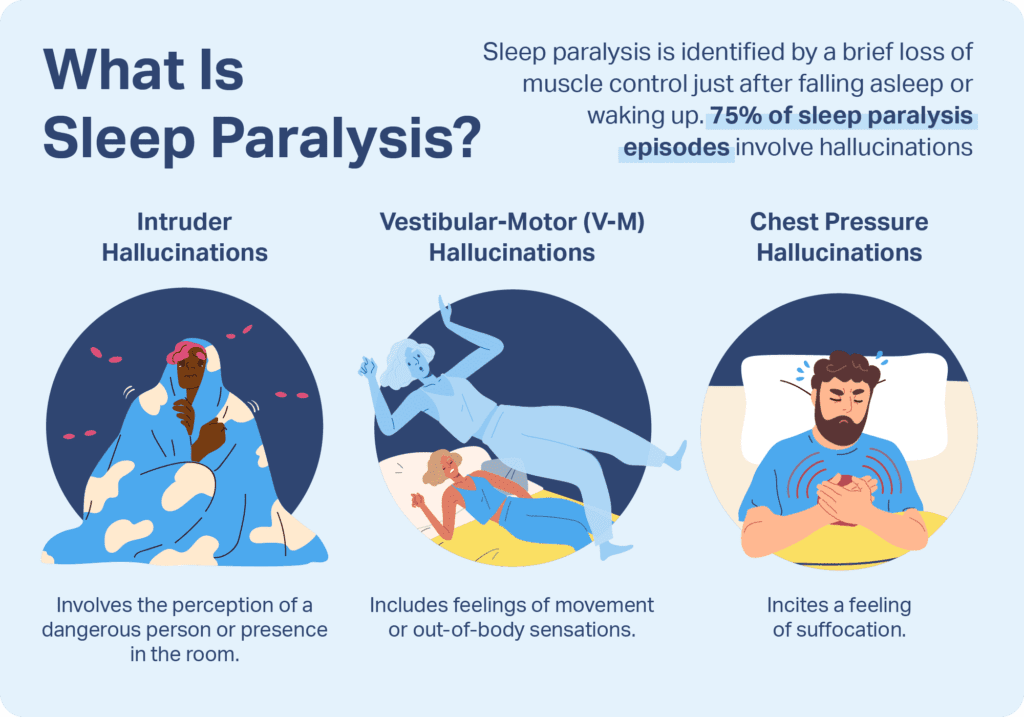
Sleep paralysis is a phenomenon in which a person wakes up from sleep but finds themselves unable to move or speak, often accompanied by a feeling of pressure on the chest and a sense of fear or dread. It typically occurs when falling asleep or waking up and can last from a few seconds to a few minutes. While it is a common experience among adults, can sleep paralysis also affect children?
What Causes Sleep Paralysis?
Sleep paralysis occurs when a person’s REM (rapid eye movement) sleep is interrupted, leading to a temporary inability to move or speak. During REM sleep, the body is usually in a state of muscle paralysis to prevent acting out dreams. However, in sleep paralysis, this paralysis extends into wakefulness, causing the sensation of being unable to move.
Symptoms of Sleep Paralysis
Symptoms of sleep paralysis can vary from person to person but often include:
- Inability to move or speak
- Feeling of pressure on the chest
- Hallucinations
- Fear or dread
Sleep Paralysis in Children
While sleep paralysis is more commonly reported in adults, it can also affect children. Research suggests that around 7.6% of children experience sleep paralysis at some point during their childhood. Understanding the factors that contribute to sleep paralysis in children can help parents and caregivers provide support and guidance.
Age of Onset
Sleep paralysis can occur at any age, including childhood. However, it is more commonly reported in adolescents and young adults. Children as young as six years old have been known to experience sleep paralysis, although it is more prevalent in older children.
Prevalence in Children
Research has shown that sleep paralysis is less common in children compared to adults, but it still occurs in a significant percentage of the pediatric population. Studies have found that approximately 15% of children between the ages of 8 and 10 experience sleep paralysis at least once.
Factors Contributing to Sleep Paralysis in Children
Several factors can contribute to the occurrence of sleep paralysis in children. Understanding these factors can help identify triggers and develop strategies to manage and prevent episodes of sleep paralysis in children.
Genetics
Genetics play a role in sleep paralysis, with some studies suggesting a familial predisposition to the condition. Children with a family history of sleep paralysis may be more likely to experience episodes themselves.
Sleep Disorders
Sleep disorders such as narcolepsy and obstructive sleep apnea can increase the likelihood of experiencing sleep paralysis. Children with underlying sleep disorders may be at a higher risk of experiencing episodes of sleep paralysis.
Stress and Anxiety
Stress and anxiety are common triggers for sleep paralysis in both children and adults. Children who experience high levels of stress or anxiety may be more prone to episodes of sleep paralysis. Helping children manage stress and anxiety can reduce the frequency of sleep paralysis episodes.
Recognizing Sleep Paralysis in Children
Recognizing sleep paralysis in children can be challenging, as they may have difficulty articulating their experiences. However, being aware of the signs and symptoms can help parents and caregivers identify when a child may be experiencing sleep paralysis.
Signs and Symptoms
Signs and symptoms of sleep paralysis in children may include:
- Reports of feeling unable to move or speak upon waking
- Complaints of pressure on the chest during sleep
- Expression of fear or anxiety surrounding sleep
Communication with Children
Encouraging open communication with children about their experiences during sleep can help identify potential episodes of sleep paralysis. Providing a safe and supportive environment for children to express their feelings and concerns can facilitate understanding and management of sleep paralysis.
Coping Strategies for Children with Sleep Paralysis
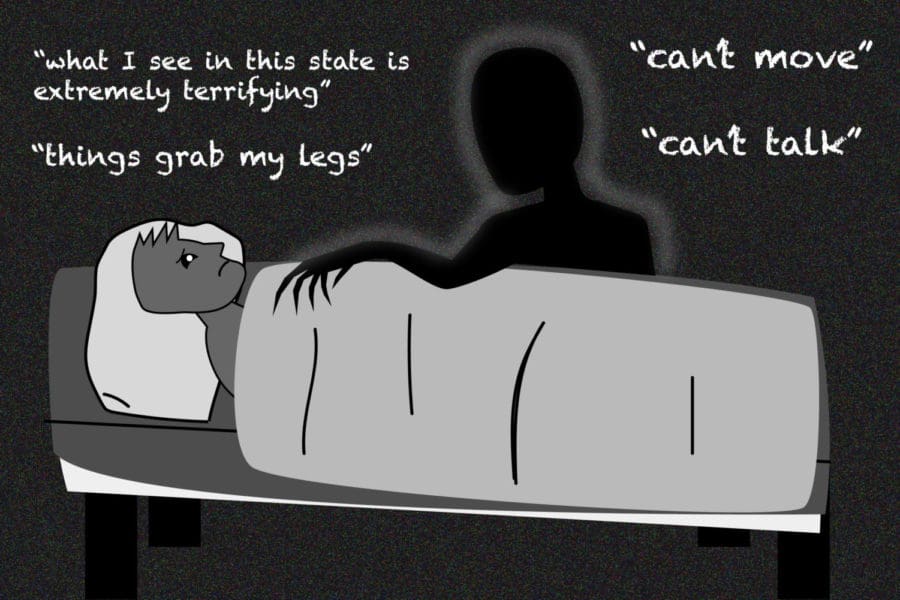
Children experiencing sleep paralysis may feel frightened or confused by the sensations and hallucinations associated with the condition. Implementing coping strategies can help children manage and reduce the impact of sleep paralysis episodes.
Reassurance and Support
Providing reassurance and support to children experiencing sleep paralysis can help alleviate fear and anxiety associated with the condition. Communicating openly with children about sleep paralysis and addressing any concerns they may have can empower them to cope with episodes effectively.
Creating a Relaxing Sleep Environment
Establishing a relaxing sleep environment can promote restful sleep and reduce the likelihood of sleep paralysis episodes. Encouraging bedtime routines and practices that promote relaxation can help children feel more comfortable and secure during sleep.
Stress Management Techniques
Teaching children stress management techniques can help reduce anxiety and prevent episodes of sleep paralysis. Activities such as deep breathing exercises, mindfulness, and relaxation techniques can equip children with skills to manage stress and promote restful sleep.
Seeking Professional Help
In some cases, children experiencing frequent or distressing episodes of sleep paralysis may benefit from seeking professional help. Consulting with a healthcare provider or sleep specialist can help identify underlying causes and develop a treatment plan to address sleep paralysis in children.
Sleep Study
A sleep study, also known as polysomnography, may be recommended for children experiencing persistent sleep paralysis. This diagnostic test evaluates sleep patterns and can help identify any underlying sleep disorders contributing to episodes of sleep paralysis.
Therapy
Therapy, such as cognitive-behavioral therapy (CBT) or relaxation therapy, can help children cope with stress and anxiety related to sleep paralysis. Working with a therapist can provide children with tools and techniques to manage symptoms and improve sleep quality.
Medication
In severe cases of sleep paralysis, medication may be prescribed to help regulate sleep patterns and reduce the frequency of episodes. It is essential to consult with a healthcare provider before starting any medication to ensure safety and effectiveness for children.
Conclusion
While sleep paralysis is more commonly associated with adults, it can also affect children. Understanding the factors contributing to sleep paralysis in children and implementing coping strategies can help manage and prevent episodes. By providing support, reassurance, and guidance, parents and caregivers can help children navigate the challenges of sleep paralysis and promote restful and peaceful sleep. If your child is experiencing frequent or distressing episodes of sleep paralysis, it may be beneficial to seek professional help to address underlying causes and develop a treatment plan. Remember, you are not alone in supporting your child through the experience of sleep paralysis.