
In this article, you will explore the various symptoms associated with sleep paralysis. Sleep paralysis is a phenomenon characterized by the temporary inability to move or speak while falling asleep or waking up. Common symptoms include a sense of pressure on the chest, hallucinations, and feelings of fear or dread. By understanding the symptoms of sleep paralysis, you can better recognize and manage this unsettling experience. Have you ever experienced the terrifying sensation of being awake but unable to move, with a sense of pressure on your chest and a feeling of impending doom lurking nearby? These are some of the common symptoms of sleep paralysis, a phenomenon that affects many people around the world. In this article, we will delve into the intricate details of sleep paralysis symptoms, their causes, and potential treatment options to help you better understand this perplexing sleep disorder.

What is Sleep Paralysis?
Sleep paralysis is a phenomenon that occurs when a person is temporarily unable to move or speak while falling asleep or waking up. It is a transitional state between wakefulness and sleep, where the brain is conscious but the body is temporarily paralyzed. This can be a terrifying experience, as individuals may feel trapped, unable to move, and experience vivid hallucinations.
The Experience of Sleep Paralysis
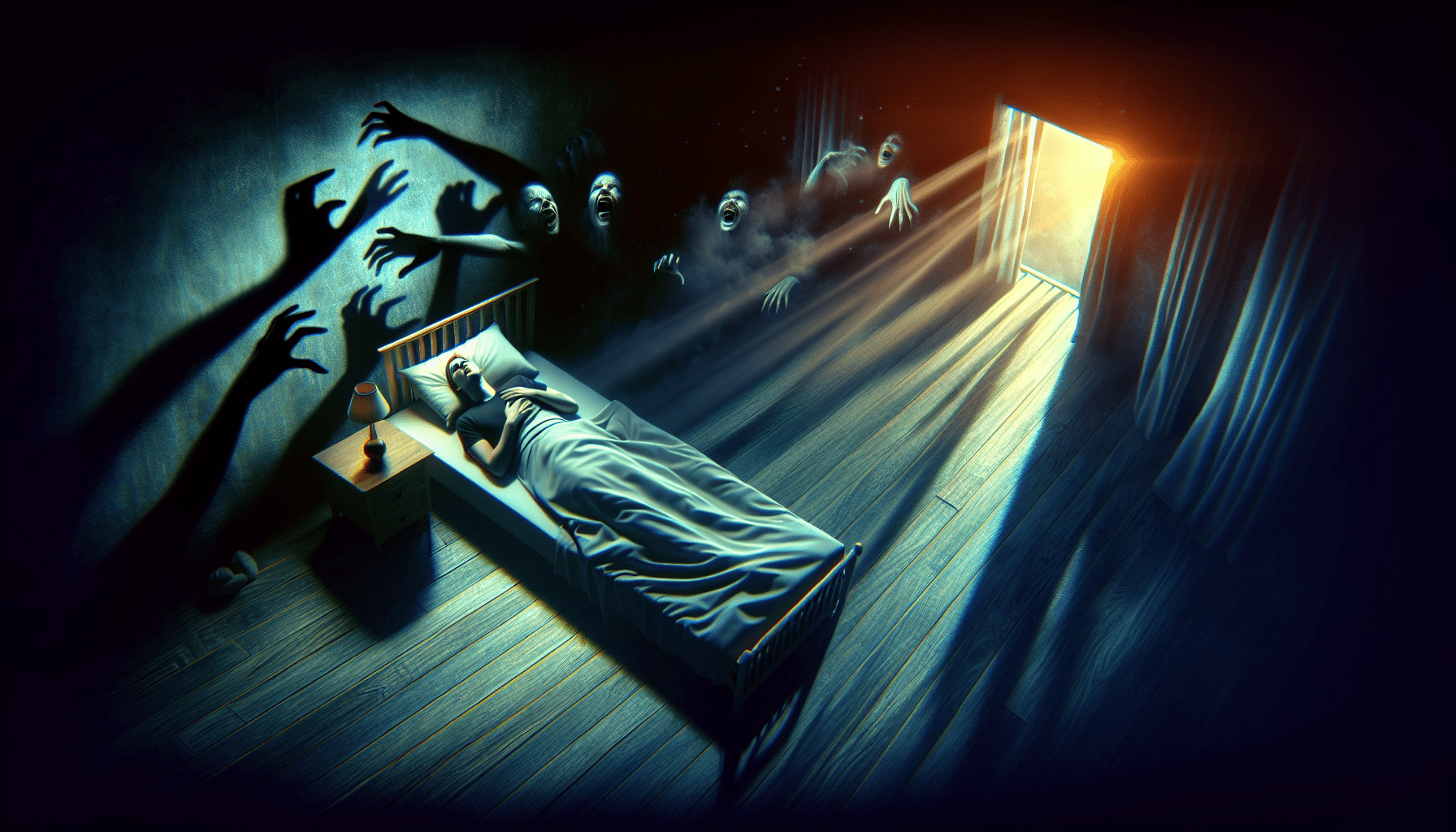
Imagine waking up from a deep sleep only to find that you are unable to move a muscle. You try to scream for help, but no sound comes out of your mouth. You feel a crushing pressure on your chest, and a sense of fear washes over you as you see shadowy figures lurking in the darkness. This is what many people with sleep paralysis experience, a frightening ordeal that can leave them feeling helpless and anxious.
Common Symptoms of Sleep Paralysis
There are several common symptoms associated with sleep paralysis that many individuals may experience during an episode. These symptoms can vary in intensity and duration, but they often share similar characteristics. Some of the most common symptoms of sleep paralysis include:
Inability to Move
During an episode of sleep paralysis, individuals may feel completely paralyzed, unable to move their limbs or speak. This sensation of being trapped in their own body can be distressing and terrifying.
Hallucinations
Many people with sleep paralysis experience vivid hallucinations, such as seeing shadowy figures, hearing strange noises, or feeling a presence in the room. These hallucinations can feel very real and add to the overall sense of fear and unease during an episode.
Feeling of Pressure on the Chest
A common symptom of sleep paralysis is a feeling of pressure or heaviness on the chest, as if something is pushing down on the individual. This sensation can make it difficult to breathe and exacerbate feelings of panic and anxiety.
Sense of Fear or Doom
Individuals with sleep paralysis often report feeling an overwhelming sense of fear or impending doom during an episode. This feeling of dread can be intense and difficult to shake, contributing to the overall distress of the experience.
Difficulty Breathing
Some people may also experience difficulty breathing during an episode of sleep paralysis. This sensation of breathlessness can be frightening and may exacerbate feelings of panic and helplessness.
What Causes Sleep Paralysis?
The exact cause of sleep paralysis is not fully understood, but researchers believe that it may be linked to disruptions in the normal sleep-wake cycle. During REM (rapid eye movement) sleep, the body is typically paralyzed to prevent individuals from acting out their dreams. However, in some cases, this paralysis may persist into wakefulness, leading to sleep paralysis.
Disrupted Sleep Patterns
Sleep paralysis is more likely to occur in individuals who have disrupted sleep patterns, such as those with insomnia or sleep apnea. These conditions can interfere with the normal sleep cycle, increasing the likelihood of experiencing sleep paralysis.
Stress and Anxiety
High levels of stress and anxiety can also contribute to the development of sleep paralysis. Stress can disrupt the sleep-wake cycle and trigger episodes of paralysis, while anxiety can exacerbate feelings of fear and helplessness during an episode.
Genetics
Research suggests that genetics may play a role in the development of sleep paralysis, as it tends to run in families. Individuals with a family history of sleep disorders or parasomnias may be more likely to experience sleep paralysis themselves.
Sleep Disorders
Certain sleep disorders, such as narcolepsy, can also increase the risk of developing sleep paralysis. Narcolepsy is a neurological condition characterized by excessive daytime sleepiness and sudden bouts of muscle weakness, which can lead to episodes of paralysis during wakefulness.
Treatment Options for Sleep Paralysis
While sleep paralysis can be a frightening and distressing experience, there are treatment options available to help alleviate symptoms and reduce the frequency of episodes. It is important to consult with a healthcare provider if you are experiencing sleep paralysis regularly, as they can help determine the underlying cause and recommend an appropriate treatment plan.
Establishing Healthy Sleep Habits
One of the most effective ways to manage sleep paralysis is by establishing healthy sleep habits. This includes maintaining a consistent sleep schedule, creating a relaxing bedtime routine, and ensuring a comfortable sleep environment free of distractions.
Managing Stress and Anxiety
Since stress and anxiety can contribute to the development of sleep paralysis, it is important to find healthy ways to manage these emotions. This may include practicing relaxation techniques, such as deep breathing exercises, meditation, or yoga, to reduce stress levels and promote better sleep.
Cognitive-Behavioral Therapy (CBT)
Cognitive-behavioral therapy (CBT) is a type of therapy that can help individuals identify and change negative thought patterns and behaviors that may be contributing to sleep paralysis. CBT can help individuals develop coping strategies to manage fear and anxiety during an episode.
Medication
In some cases, medication may be prescribed to help manage symptoms of sleep paralysis. This may include antidepressants or anti-anxiety medications to help regulate the sleep-wake cycle and reduce feelings of fear and panic during an episode.
Conclusion
In conclusion, sleep paralysis is a relatively common phenomenon that can be a frightening and distressing experience for those who suffer from it. By understanding the symptoms, causes, and treatment options for sleep paralysis, individuals can better manage this sleep disorder and improve their quality of life. If you are experiencing frequent episodes of sleep paralysis, it is important to seek help from a healthcare provider to determine the underlying cause and develop an appropriate treatment plan. Remember, you are not alone in your struggle with sleep paralysis, and there are resources available to help you overcome this challenging sleep disorder.