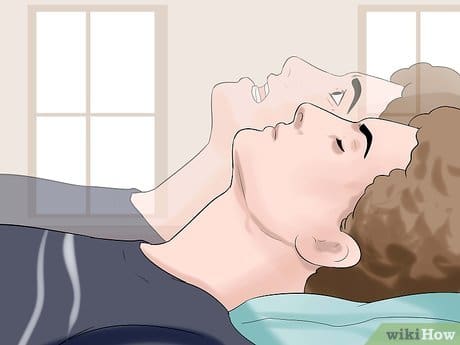
Are you tired of dealing with the terrifying experience of sleep paralysis? Look no further, as this article will provide you with the best practices for preventing sleep paralysis. Sleep paralysis is a condition that affects many individuals, causing a temporary inability to move or speak while falling asleep or waking up. However, by implementing these recommended practices into your daily routine, you can significantly reduce the occurrence of sleep paralysis and enjoy a more peaceful night’s rest.

Maintain a Consistent Sleep Schedule
Go to bed and wake up at the same time every day
Having a consistent sleep schedule can greatly improve your sleep quality and reduce the chances of experiencing sleep paralysis. Going to bed and waking up at the same time every day helps regulate your body’s internal clock, making it easier for you to fall asleep and wake up naturally. By following a regular sleep schedule, your body can adjust and optimize its sleep patterns, leading to better overall sleep health.
Avoid napping too close to bedtime
While napping can be a great way to recharge during the day, it’s important to avoid taking naps too close to bedtime. Napping too late in the day can interfere with your ability to fall asleep at night, disrupting your sleep schedule and potentially increasing the likelihood of experiencing sleep paralysis. If you feel the need to nap, try to limit it to earlier in the day and keep it to a short duration (around 20-30 minutes) so that it won’t interfere with your nighttime sleep.
Create a relaxing pre-sleep routine
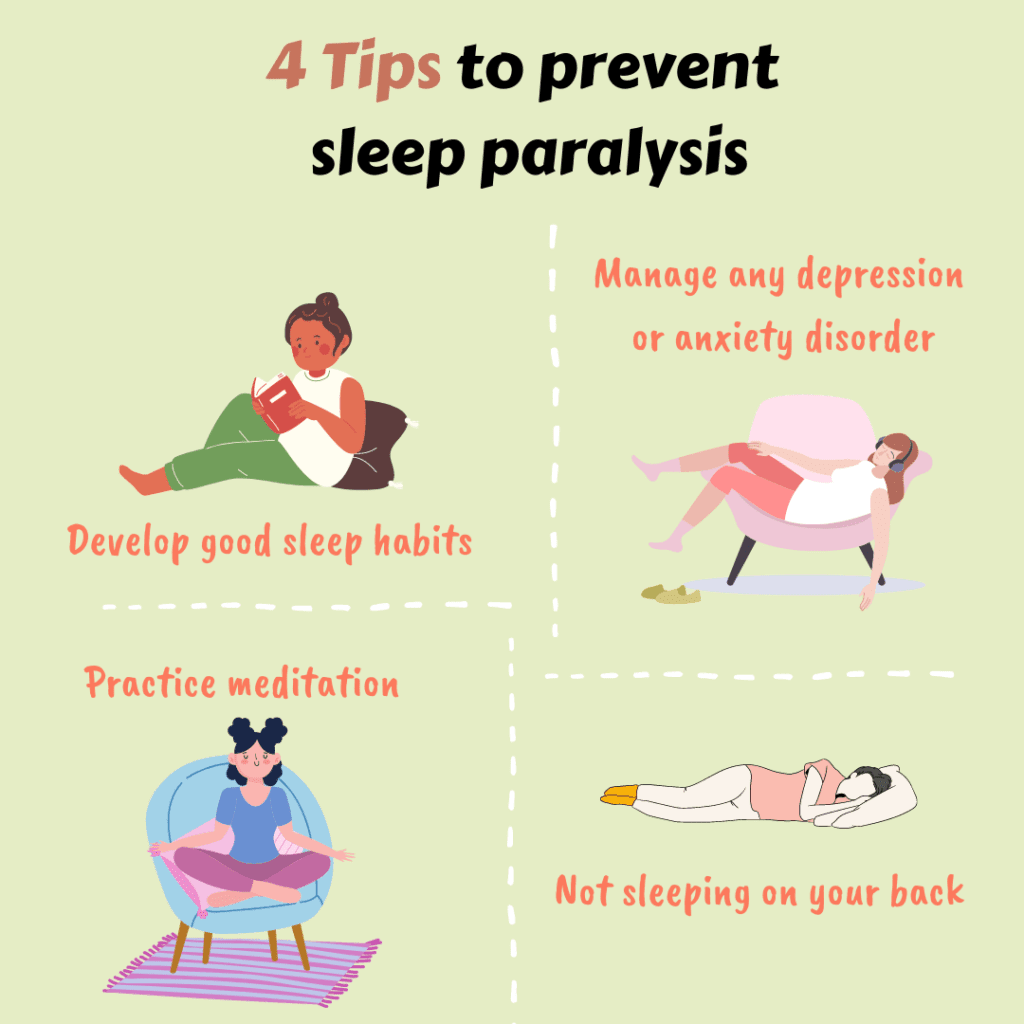
Establishing a relaxing pre-sleep routine can signal to your body that it’s time to wind down and prepare for sleep. Engaging in calming activities such as reading a book, taking a warm bath or shower, or practicing relaxation techniques like deep breathing or meditation can help promote a sense of calmness and prepare your mind and body for a restful night’s sleep. Avoid stimulating activities or screens before bed, as they can interfere with your ability to relax and fall asleep.
Create a Comfortable Sleep Environment
Keep your bedroom cool, dark, and quiet
Your sleep environment plays a crucial role in promoting quality sleep. Keep your bedroom cool, ideally between 60-67 degrees Fahrenheit, to create an optimal sleeping environment. Use curtain shades or blinds to block out any external light sources and consider using earplugs or white noise machines to mask any disruptive sounds. Making your bedroom a serene and comfortable space can enhance your sleep experience and reduce the likelihood of experiencing sleep paralysis.
Use a comfortable mattress and supportive pillow
Investing in a comfortable mattress and supportive pillow is essential for maintaining proper spinal alignment and ensuring a restful sleep. The right mattress and pillow can help alleviate any discomfort or pain that may interfere with your ability to fall asleep or stay asleep. Find a mattress and pillow that suit your personal preferences and provide adequate support for your body. It’s also important to replace your mattress and pillow regularly to ensure optimal comfort and support.
Minimize electronic devices in the bedroom
Electronic devices emit blue light, which can interfere with your body’s natural production of melatonin, a hormone that regulates sleep. Minimize the use of electronic devices in your bedroom, especially before bedtime. Create a technology-free zone by removing TVs, laptops, smartphones, and tablets from your sleep environment. Instead, opt for calming activities such as reading a physical book or engaging in conversation with your loved ones to relax before bed.
Manage Stress Levels
Practice stress-reduction techniques such as meditation or deep breathing
Chronic stress can significantly disrupt your sleep and increase the likelihood of experiencing sleep paralysis. Incorporate stress-reduction techniques into your daily routine, such as meditation, deep breathing exercises, or mindfulness practices. These techniques can help calm your mind, relax your body, and reduce the levels of stress hormones in your system, promoting a more peaceful and restorative sleep.
Engage in regular exercise
Regular physical exercise has been shown to improve sleep quality by reducing stress, anxiety, and promoting relaxation. Engaging in moderate-intensity aerobic exercise, such as brisk walking, swimming, or cycling, for at least 30 minutes a day can help regulate your sleep-wake cycle and enhance your overall sleep health. However, avoid vigorous exercise close to bedtime as it can lead to increased alertness, making it more difficult to fall asleep.
Seek professional help if stress becomes overwhelming
If stress becomes overwhelming and begins to significantly impact your sleep and daily life, don’t hesitate to seek professional help from a therapist or counselor. A mental health professional can provide guidance and support in managing stress and developing coping strategies tailored to your specific needs. They can help you navigate through challenging times and work towards reducing stress levels, ultimately improving your sleep quality and reducing the risk of sleep paralysis.
Establish Healthy Habits
Limit caffeine and alcohol intake, especially before bedtime
Consuming caffeine and alcohol can interfere with your sleep, making it harder to fall asleep and stay asleep. Limit your intake of caffeine, found in coffee, tea, soda, and chocolate, especially in the late afternoon and evening. Similarly, avoid consuming alcohol close to bedtime, as it can disrupt the natural sleep cycle and contribute to fragmented and restless sleep. Opt for caffeine-free herbal teas or decaffeinated beverages instead.
Avoid heavy meals and spicy foods close to bedtime
Eating heavy meals or consuming spicy foods too close to bedtime can lead to indigestion, discomfort, and disrupted sleep. It’s best to finish dinner at least two to three hours before you plan to go to bed, allowing your body ample time to digest the food. If you need a bedtime snack, choose light and easily digestible options such as a small piece of fruit, yogurt, or a handful of nuts.
Limit fluid intake before sleep to prevent frequent awakenings
While staying hydrated is important, consuming excessive fluids before bed can lead to frequent bathroom visits during the night, interrupting your sleep. Aim to hydrate adequately during the day and gradually decrease your fluid intake in the hours leading up to bedtime. This can reduce the likelihood of waking up during the night to use the bathroom, promoting uninterrupted and more restful sleep.
Ensure Physical Comfort
Wear comfortable sleepwear
Wearing comfortable sleepwear can contribute to a more relaxing and comfortable sleep experience. Opt for loose-fitting, breathable fabrics that allow your skin to breathe and ensure a comfortable body temperature throughout the night. Avoid clothing that is too tight or restrictive, as it can interfere with your ability to move and find a comfortable sleep position.
Maintain a comfortable room temperature
The temperature of your sleep environment can significantly impact your sleep quality. Aim to keep your bedroom at a cool, comfortable temperature, typically between 60-67 degrees Fahrenheit. Adjust your bedding and clothing layers accordingly to ensure that you stay comfortably warm without becoming too hot or cold. Experiment with different bedding materials such as cotton or moisture-wicking fabrics to find what works best for you.
Use relaxation techniques before bed
Engaging in relaxation techniques before bed can help prepare your body and mind for sleep. Consider incorporating practices such as progressive muscle relaxation, gentle stretching, or even using essential oils to create a soothing atmosphere. Experiment with different techniques and find what works best for you to promote physical and mental relaxation, ensuring a more comfortable and restful night’s sleep.
Create a Relaxing Bedtime Routine
Avoid stimulating activities or screens before bed
Stimulating activities or screens before bed can make it difficult for your brain to wind down and prepare for sleep. Avoid engaging in activities that are mentally or physically stimulating, such as intense workouts, engaging in heated discussions, or watching exciting or suspenseful television shows. Instead, choose activities that promote relaxation and calmness, allowing your mind and body to transition into sleep mode.
Read a book or engage in a calming activity
Reading a book is an excellent way to relax before bed and shift your focus away from the stresses of the day. Choose books that are not overly stimulating or suspenseful, opting for genres that allow you to unwind and escape into a peaceful world. Alternatively, engage in calming activities such as coloring, knitting, or listening to soothing music to help calm your mind and prepare for a good night’s sleep.
Take a warm bath or shower
Taking a warm bath or shower before bed can help relax your muscles and promote a sense of tranquility, allowing you to unwind and prepare for sleep. The change in body temperature after stepping out of a warm bath or shower signals to your body that it’s time to sleep. Incorporate calming scents like lavender or chamomile into your bath or shower routine to further enhance the relaxation benefits.
Improve Sleep Quality
Invest in a quality mattress and pillows
Investing in a high-quality mattress and pillows can significantly improve your sleep quality. Your mattress and pillows should provide proper support and alignment for your body, ensuring optimal comfort and reducing the risk of waking up with aches or pains. Take the time to research and test different mattresses and pillows to find the ones that suit your specific sleep preferences and needs.
Use blackout curtains or eye masks to block out light
Light exposure can interfere with your body’s natural sleep-wake cycle and contribute to sleep disruptions. Consider using blackout curtains or eye masks to block out any external light sources that may enter your bedroom, especially if you live in an area with streetlights or bright early morning sunlight. Creating a dark sleep environment can enhance sleep quality and minimize the risk of experiencing sleep paralysis.
Try sleep-inducing aromatherapy or white noise
Incorporating sleep-inducing aromatherapy or white noise into your sleep environment can promote a more relaxing and peaceful sleep experience. Lavender, chamomile, and valerian essential oils are known for their calming properties and can be diffused or applied topically before bed. Alternatively, white noise machines or smartphone apps that produce soothing sounds can drown out background noise and create a more serene sleep environment.
Reduce the Risk of Sleep Disruptions
Avoid excessive alcohol consumption
Excessive alcohol consumption can disrupt your sleep patterns and increase the likelihood of experiencing sleep disruptions, including sleep paralysis. While alcohol may initially make you feel drowsy and help you fall asleep faster, it can lead to fragmented and restless sleep as the effects wear off. Aim to limit your alcohol consumption and allow your body ample time to metabolize the alcohol before going to sleep.
Address any potential sleep disorders
If you suspect you may be experiencing more than occasional sleep paralysis episodes or if you have other persistent sleep-related issues, it’s important to consult a healthcare professional. They can help evaluate your symptoms and determine whether an underlying sleep disorder, such as sleep apnea or narcolepsy, may be contributing to your sleep paralysis. Treating the underlying sleep disorder can help reduce the frequency and severity of sleep paralysis episodes.
Minimize exposure to loud noises
Loud noises during sleep can be disruptive and increase the risk of experiencing sleep paralysis. Take steps to minimize exposure to loud noises, such as using earplugs or a white noise machine to create a soothing and quiet sleep environment. If external sources of noise are unavoidable, consider using earplugs specifically designed for sleep or using white noise apps or machines that can help mask and minimize the impact of disruptive sounds.

Avoid Sleep Paralysis Triggers
Identify personal triggers and avoid them
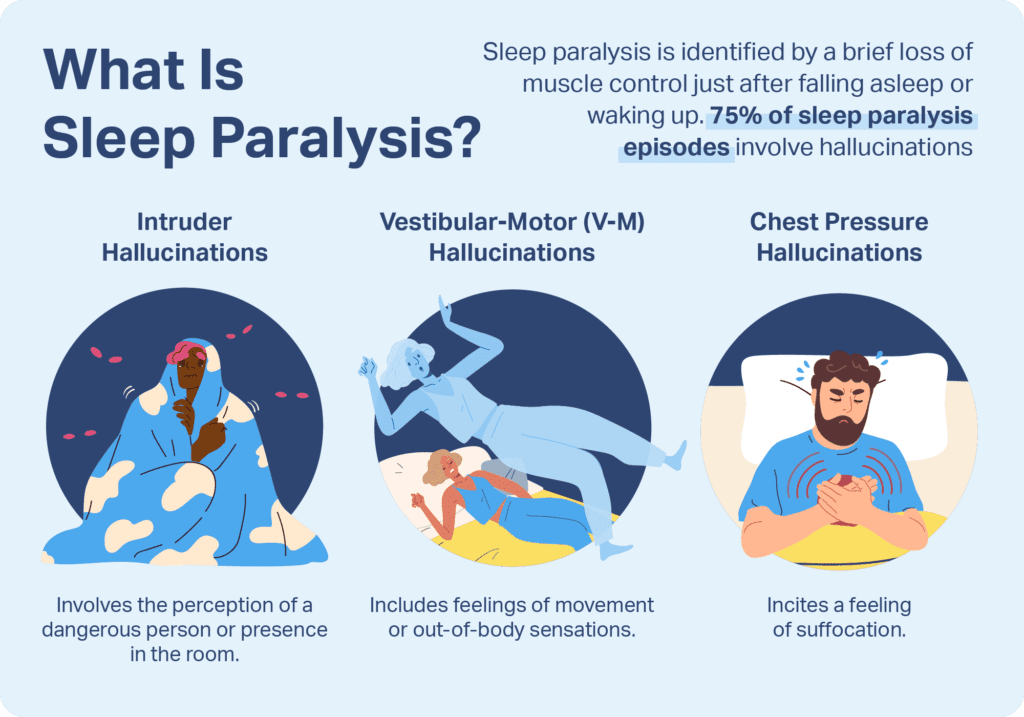
Sleep paralysis triggers can vary from person to person. Keep a sleep journal or make note of any patterns or factors that may contribute to your sleep paralysis episodes. Common triggers include irregular sleep schedules, sleep deprivation, excessive stress, and certain medications. Once you identify your personal triggers, make a conscious effort to avoid or minimize their impact on your sleep, reducing the likelihood of experiencing sleep paralysis.
Keep a consistent sleep routine
Maintaining a consistent sleep routine is crucial in reducing the risk of sleep paralysis episodes. Going to bed and waking up at the same time every day, even on weekends, can help regulate your body’s sleep-wake cycle and promote a more harmonious sleep pattern. Consistency in your sleep routine can minimize disruptions and help prevent sleep paralysis from occurring.
Manage any underlying sleep conditions
If you have an underlying sleep condition, such as insomnia or sleep apnea, it’s important to manage and treat these conditions effectively. Seeking treatment for these sleep disorders can significantly improve your sleep quality and reduce the frequency of sleep paralysis episodes. Consult with a sleep specialist or healthcare professional to develop a comprehensive treatment plan tailored to your specific needs and condition.
Seek Professional Help
If sleep paralysis occurs frequently or severely, consult a sleep specialist
If you are experiencing frequent or severe sleep paralysis episodes that significantly impact your quality of life, it may be beneficial to consult a sleep specialist. A sleep specialist can evaluate your symptoms, conduct diagnostic tests if necessary, and provide expert guidance on managing and minimizing sleep paralysis. They can help you understand the underlying causes and develop a personalized treatment plan to alleviate your symptoms.
Explore options for therapy or medication if necessary
In some cases, therapy or medication may be recommended to manage severe or persistent sleep paralysis. Cognitive-behavioral therapy (CBT) can help identify and modify negative thought patterns and beliefs surrounding sleep paralysis, reducing anxiety and fear associated with the episodes. In certain situations, medications such as selective serotonin reuptake inhibitors (SSRIs) or benzodiazepines may be prescribed to manage underlying conditions like anxiety or sleep disorders that contribute to sleep paralysis.
Discuss any concerns or questions with a healthcare professional
If you have any concerns or questions about sleep paralysis or improving your sleep quality, it’s important to discuss them with a healthcare professional. They can provide valuable insights, address any specific concerns you may have, and offer guidance on optimizing your sleep health. Open and honest communication with a healthcare professional can help ensure that you receive the necessary support and information to improve your sleep and reduce the occurrence of sleep paralysis.