
Have you ever woken up but found yourself unable to move? Or perhaps you’ve experienced a vivid and terrifying dream that jolts you awake in a cold sweat. In this article, we will explore the key differences between sleep paralysis and nightmares. While both can be unsettling experiences, understanding their distinctions can help shed light on what our minds and bodies go through during sleep, offering reassurance and knowledge in the process. So grab a cozy blanket, settle in, and let’s dive into the fascinating realm of sleep paralysis and nightmares.
Definition
Sleep paralysis
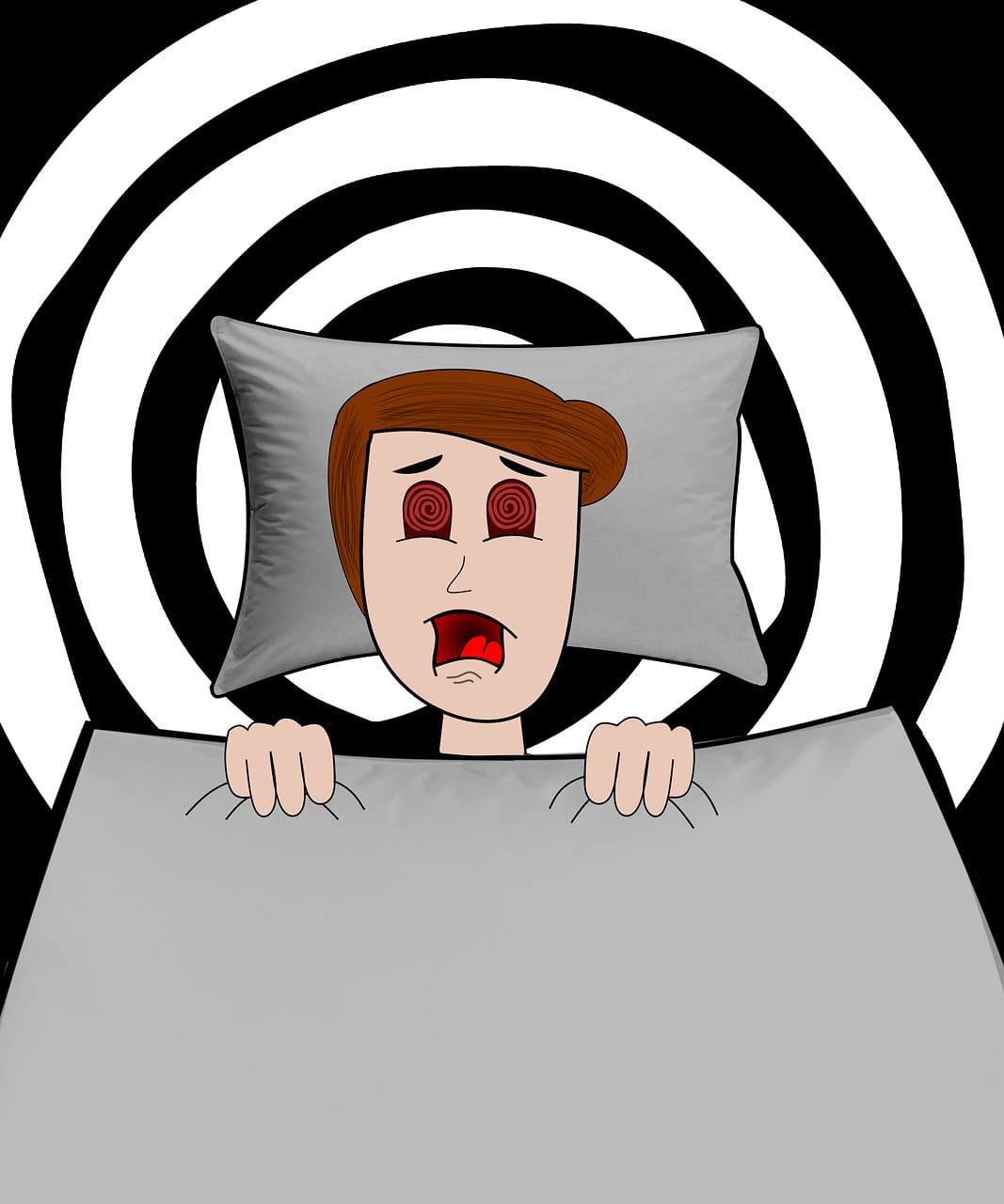
Sleep paralysis is a phenomenon that occurs during the transition between sleep and wakefulness, where you are temporarily unable to move or speak. It is often accompanied by a sense of pressure on your chest and a feeling of being trapped or unable to escape. Sleep paralysis typically lasts for a few seconds to a couple of minutes and can be extremely frightening.
Nightmares
Nightmares are vivid, disturbing dreams that evoke intense emotions such as fear, anxiety, or terror. These dreams often wake you up during the night, causing distress and difficulty in returning to sleep. Nightmares can vary in intensity and content, but they commonly involve situations or events that are threatening or distressing in nature.
Causes
Sleep paralysis
Sleep paralysis is thought to result from a disruption in the normal sleep-wake cycle. It can occur due to various factors including sleep deprivation, irregular sleep patterns, stress, anxiety, and certain medications. Sleep paralysis is most commonly experienced in individuals with underlying sleep disorders such as narcolepsy, but it can also occur in people without any known sleep conditions.
Nightmares
Nightmares can be caused by a variety of factors, including psychological stressors, traumatic experiences, anxiety, medications, and certain sleep disorders. They often arise from emotional or psychological disturbances, triggering intense fear or distress during sleep. Nightmares can also be influenced by external factors such as watching scary movies or reading unsettling literature before bed.
Duration
Sleep paralysis
Sleep paralysis episodes typically last for a brief period, usually lasting anywhere from a few seconds to a few minutes. However, during these episodes, time can feel distorted, and the experience may seem to last much longer than it actually does.
Nightmares
Nightmares can vary in duration, with some lasting only a few minutes while others may seem to go on for an extended period. The duration of nightmares is subjective and highly variable, as it depends on individual perception and how quickly one can wake up from the terrifying dream.
Symptoms
Sleep paralysis
The main symptom of sleep paralysis is the temporary inability to move or speak, despite being mentally awake. Other symptoms often accompany sleep paralysis, including a sense of pressure on the chest, difficulty breathing, and a feeling of fear or dread. Sleep paralysis episodes may also be accompanied by hallucinations, which can be visual, auditory, or tactile in nature.
Nightmares
The primary symptom of nightmares is the occurrence of intensely vivid and distressing dreams during sleep. These dreams often involve frightening scenarios or situations that provoke a range of emotions such as fear, anxiety, and terror. Upon waking from a nightmare, individuals may experience rapid heart rate, sweating, and an overwhelming sense of relief that it was just a dream.
Consciousness
Sleep paralysis
During sleep paralysis, you are fully conscious and aware of your surroundings, but your voluntary muscles are temporarily paralyzed. This state of being awake and aware while being unable to move or speak can be incredibly distressing and contribute to the fear and anxiety associated with sleep paralysis.
Nightmares
During nightmares, your level of consciousness can fluctuate. While you are not fully awake, you may have some awareness that you are dreaming, but may feel trapped within the dream and unable to control or escape the terrifying events unfolding. The level of consciousness during nightmares can vary from person to person and from one nightmare episode to another.
Realism
Sleep paralysis
Sleep paralysis experiences can range from realistic to surreal. Some individuals may experience hallucinations that feel incredibly real, such as seeing shadowy figures or hearing strange noises. These hallucinations can add to the overall fear and confusion during sleep paralysis episodes.
Nightmares
Nightmares can be both realistic and surreal, often incorporating elements from real-life experiences or fears. However, nightmares also include fantastical or supernatural elements that may defy the laws of reality. The level of realism in nightmares can vary widely, depending on the individual’s imagination and the specific content of the dream.
Physical Manifestations
Sleep paralysis
Sleep paralysis can have physical manifestations in addition to the temporary paralysis of voluntary muscles. It is common to experience a feeling of pressure on the chest, making it difficult to breathe. Some individuals may also report a sensation of being weighed down or unable to move due to the intense heaviness in their body.
Nightmares
While nightmares primarily affect the mind and emotions, they can also lead to physical manifestations. Individuals may wake up from a nightmare in a state of heightened arousal, with rapid breathing, increased heart rate, and profuse sweating. These physical responses are the body’s natural reaction to the intense fear or anxiety experienced during the nightmare.
Sleep Quality
Sleep paralysis
Sleep paralysis can significantly impact sleep quality, as it can disrupt the normal sleep cycle and lead to fragmented or inadequate rest. The fear and anxiety associated with sleep paralysis can also cause difficulties in falling asleep or returning to sleep after an episode, further compromising sleep quality.
Nightmares
Nightmares can disrupt sleep quality by causing frequent awakenings throughout the night. The intense emotions elicited by nightmares can make it challenging to go back to sleep, leading to sleep fragmentation and a decrease in the overall duration of restful sleep. Consequently, individuals may experience daytime sleepiness and fatigue due to the disturbed sleep caused by nightmares.
Frequency
Sleep paralysis
The frequency of sleep paralysis episodes can vary widely among individuals. Some people may experience sleep paralysis infrequently, perhaps only once or twice in their lifetime, while others may experience it more frequently, even multiple times a month. The frequency of sleep paralysis episodes can be influenced by various factors, including underlying sleep disorders, stress levels, and sleep quality.
Nightmares
Nightmare frequency can also vary from person to person. Some individuals may have occasional nightmares, while others may experience them more frequently, sometimes even occurring several nights in a row. Factors such as stress, anxiety, trauma, and certain medications can influence the frequency of nightmares.
Psychological Impact
Sleep paralysis
Sleep paralysis can have a significant psychological impact on affected individuals. The fear and confusion experienced during sleep paralysis episodes can lead to increased anxiety surrounding sleep, causing individuals to develop a fear of going to bed. Over time, the psychological burden of sleep paralysis can contribute to feelings of helplessness, insomnia, and overall mental distress.
Nightmares
Nightmares can have a profound psychological impact on individuals, particularly when they occur repeatedly or are exceptionally vivid and disturbing. Frequent nightmares can lead to anxiety, fear of sleep, and the development of sleep disorders such as insomnia. They can also impact overall mental well-being, causing emotional distress and affecting daytime functioning.
In conclusion, while both sleep paralysis and nightmares can be distressing experiences during sleep, they are distinct phenomena with different causes, symptoms, and psychological effects. Understanding the key differences between the two can help individuals better comprehend and cope with these sleep-related challenges. If you frequently experience sleep paralysis or nightmares and find it interfering with your overall well-being, it is advisable to consult with a healthcare professional or a sleep specialist for proper evaluation and guidance.