

Have you ever experienced that eerie feeling of being awake but unable to move? It’s a phenomenon called sleep paralysis, and scientists are now delving into the genetic factors behind this mysterious condition. In a groundbreaking study, researchers have discovered that certain genetic variations may play a role in predisposing individuals to sleep paralysis. This newfound knowledge opens up a world of possibilities for further understanding this perplexing phenomenon and developing potential treatments. So, if you’ve ever wondered why sleep paralysis occurs or how it could be linked to your genetics, keep reading to unravel the fascinating science behind it.

What is Sleep Paralysis?
Sleep paralysis is a phenomenon characterized by a temporary inability to move or speak, typically occurring during the transition between wakefulness and sleep. It is often accompanied by a feeling of pressure on the chest and a sense of impending doom or the presence of a malevolent entity. Despite being a relatively common experience, with a significant number of individuals reporting having experienced it at least once in their lives, sleep paralysis is still not fully understood. This article aims to provide a comprehensive overview of the current knowledge regarding the genetics, neurochemical factors, associated sleep disorders, environmental triggers, clinical presentation, diagnosis, and treatment of sleep paralysis.
Definition of Sleep Paralysis
Sleep paralysis is defined as a state of temporary muscle paralysis that occurs during sleep or upon awakening. It is considered a normal phenomenon that happens when the mind wakes up before the body fully emerges from the sleep state. During this state, an individual may experience vivid hallucinations and a complete inability to move or speak, which can be quite distressing. These episodes typically last several seconds to a few minutes and may recur intermittently.
Prevalence of Sleep Paralysis
Sleep paralysis is more common than one might think, with approximately 8% of the general population experiencing it at least once in their lifetime. It is estimated that about 25-40% of individuals will experience sleep paralysis at some point in their lives, with the highest occurrence reported among adolescents and young adults. While sleep paralysis can occur in people of all genders and ethnicities, it tends to be more prevalent in individuals with certain sleep disorders or mental health conditions.
Understanding the Genetics of Sleep Paralysis
Inherited or Acquired?
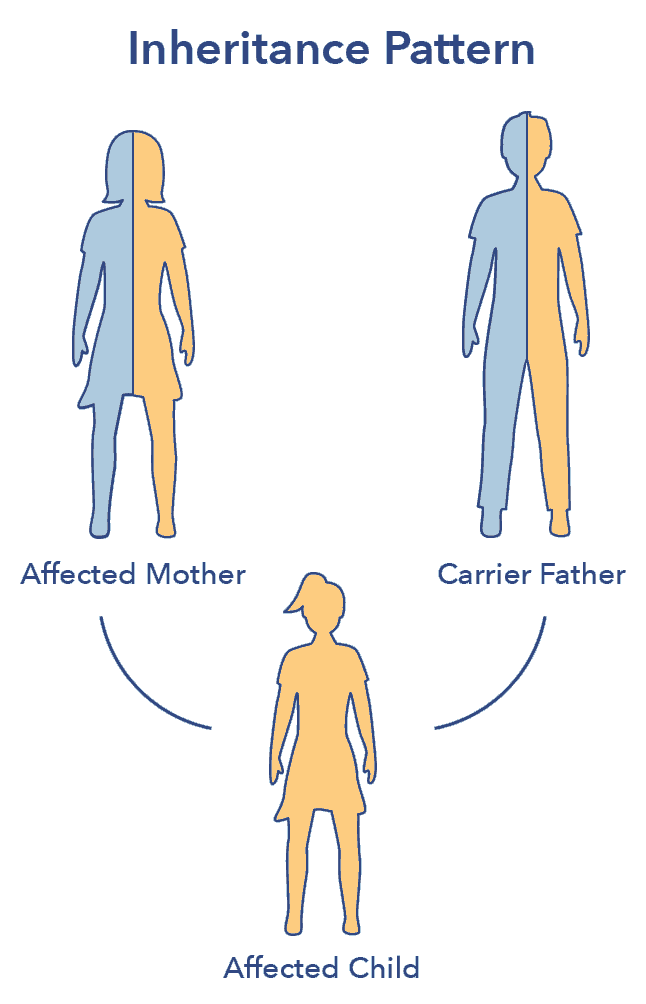
The genetics of sleep paralysis still remain relatively understudied, but there is evidence to suggest that it may have a genetic component. While some cases of sleep paralysis are acquired due to factors like stress or sleep deprivation, familial cases have been reported, indicating a potential genetic basis. Furthermore, twin studies have shown a higher concordance rate for sleep paralysis in identical twins compared to fraternal twins, suggesting a genetic influence on this phenomenon.
Role of Specific Genes
Several candidate genes have been implicated in sleep paralysis, including genes involved in neurotransmitter regulation, circadian rhythm control, and sleep-wake cycle regulation. One of the most studied genes in the context of sleep paralysis is the HLA-DQB1 gene, which has been associated with an increased risk of experiencing sleep paralysis. Other genes, such as the CLOCK gene and the 5-HT2A receptor gene, have also been investigated, although further research is needed to fully understand their role in sleep paralysis.
Genetic Polymorphisms Associated with Sleep Paralysis
Certain genetic variations, or polymorphisms, have been identified as potential risk factors for sleep paralysis. For example, a specific polymorphism in the HLA-DQB1 gene has been found to be more prevalent in individuals with sleep paralysis compared to those without. Additionally, variations in the CLOCK gene and the 5-HT2A receptor gene have also been associated with an increased likelihood of experiencing sleep paralysis. These findings suggest that genetic factors may contribute to the development of sleep paralysis and further research is needed to uncover the mechanisms underlying these associations.
Research Findings
Family Studies
Family studies have provided valuable insights into the genetic basis of sleep paralysis. Several cases of familial sleep paralysis have been reported, indicating a potential hereditary component. In these families, sleep paralysis tends to occur more frequently and be more severe compared to sporadic cases. This suggests that there may be specific genetic factors at play, contributing to the familial aggregation of sleep paralysis.
Twin Studies
Twin studies have been crucial in unraveling the genetic and environmental factors influencing sleep paralysis. Identical twins, who share 100% of their genetic material, have been found to have a higher concordance rate for sleep paralysis compared to fraternal twins, who share only 50% of their genetic material. This indicates a genetic component in the development of sleep paralysis. However, twin studies also highlight the role of environmental factors, as not all identical twins experience sleep paralysis, suggesting that both genetic and environmental factors contribute to its occurrence.
Association Studies
Association studies have focused on identifying specific genetic variations associated with an increased risk of sleep paralysis. These studies have often investigated genes involved in neurotransmitter regulation and circadian rhythm control. While some associations have been found, further research is needed to replicate these findings and understand the functional implications of the identified genetic variations.
Animal Studies
Animal studies have provided valuable insights into the neurobiology of sleep paralysis. By studying animal models, researchers have been able to manipulate specific genes or neurotransmitter systems to induce sleep paralysis-like states. These studies have shed light on the underlying neural mechanisms and potential targets for therapeutic interventions.
Neurochemical Factors
Neurotransmitters
Several neurotransmitters have been implicated in the development of sleep paralysis. One of these neurotransmitters is serotonin, which plays a crucial role in regulating sleep-wake cycles and has been linked to sleep paralysis through genetic studies. Other neurotransmitters, such as gamma-aminobutyric acid (GABA) and acetylcholine, are also involved in sleep paralysis. Imbalances in these neurotransmitters or dysfunction in their respective receptor systems may contribute to the occurrence of sleep paralysis.
Brain Regions Involved
Different brain regions have been implicated in sleep paralysis, including the amygdala, hippocampus, and brainstem. The amygdala, involved in emotional processing, may play a role in the hallucinatory experiences that often accompany sleep paralysis. The hippocampus, responsible for memory formation and retrieval, may contribute to the vividness of these hallucinations. The brainstem, particularly the pontine tegmentum, is involved in the regulation of rapid eye movement (REM) sleep and muscle atonia, which are disrupted during sleep paralysis.
Sleep Disorders Associated with Sleep Paralysis
Narcolepsy
Narcolepsy is a sleep disorder characterized by excessive daytime sleepiness and cataplexy, which is the sudden loss of muscle tone triggered by emotions. Sleep paralysis is a common symptom of narcolepsy and is often one of the first symptoms to appear. The co-occurrence of sleep paralysis and narcolepsy suggests shared underlying mechanisms and highlights the importance of evaluating for narcolepsy in individuals with sleep paralysis.
Sleep Apnea
Sleep apnea is a sleep disorder characterized by interruptions in breathing during sleep. While sleep paralysis is not a primary symptom of sleep apnea, it can occur in individuals with this disorder. The disrupted sleep patterns associated with sleep apnea may contribute to the occurrence of sleep paralysis.
Rapid Eye Movement (REM) Sleep Behavior Disorder
REM sleep behavior disorder is a sleep disorder characterized by the loss of muscle atonia during REM sleep, leading to the acting out of dreams. Sleep paralysis can occur in individuals with REM sleep behavior disorder as a result of the incomplete muscle atonia during REM sleep. The co-occurrence of sleep paralysis and REM sleep behavior disorder highlights the importance of considering this disorder in the differential diagnosis of sleep paralysis.
Environmental Triggers
Stress
Stress is a common trigger for sleep paralysis episodes. High levels of stress can disrupt sleep patterns and increase the likelihood of experiencing sleep paralysis. Managing stress through relaxation techniques, exercise, and a healthy lifestyle may help reduce the occurrence of sleep paralysis.
Sleep Deprivation
Sleep deprivation, whether chronic or acute, can increase the risk of experiencing sleep paralysis. Lack of sleep disrupts the normal sleep-wake cycle and can lead to an imbalance in neurotransmitters involved in sleep regulation. Prioritizing adequate sleep and establishing a consistent sleep schedule can help prevent sleep deprivation and reduce the risk of sleep paralysis.
Sleep Position
Sleeping in certain positions, such as on the back, has been associated with a higher risk of sleep paralysis. This position may contribute to the occurrence of sleep paralysis by promoting muscle relaxation and increasing the likelihood of experiencing partial or complete muscle atonia during sleep.

Clinical Presentation and Diagnosis
Symptoms of Sleep Paralysis
The hallmark symptom of sleep paralysis is the temporary inability to move or speak while being consciously aware of one’s surroundings. This is often accompanied by a sense of pressure on the chest, difficulty breathing, and intense fear or anxiety. Hallucinations, both visual and auditory, are also common during sleep paralysis, with individuals reporting seeing shadowy figures or hearing strange sounds.
Differential Diagnosis
Sleep paralysis can sometimes be mistaken for other sleep disorders or medical conditions. It is important to consider narcolepsy, sleep apnea, REM sleep behavior disorder, and other sleep-related movement disorders in the differential diagnosis. Additionally, certain psychiatric conditions, such as panic disorder and post-traumatic stress disorder, can present with symptoms similar to sleep paralysis and should be ruled out.
Treatment and Management
Improving Sleep Hygiene
Improving sleep hygiene is an essential part of managing sleep paralysis. This includes establishing a consistent sleep schedule, creating a sleep-friendly environment, and practicing relaxation techniques before bedtime. Avoiding stimulants, such as caffeine and nicotine, close to bedtime can also promote better sleep.
Medication Options
In some cases, medication may be prescribed to manage sleep paralysis. Antidepressants, such as selective serotonin reuptake inhibitors (SSRIs), have been found to be effective in reducing the frequency and severity of sleep paralysis episodes. However, the use of medication should be discussed with a healthcare professional, as the benefits and risks need to be carefully considered.
Psychotherapy
Psychotherapy, particularly cognitive-behavioral therapy (CBT), can be beneficial in managing sleep paralysis. CBT aims to identify and modify negative thought patterns and behaviors that may contribute to sleep disturbances. By addressing underlying stress, anxiety, and fear associated with sleep paralysis, individuals can learn coping strategies and improve their overall sleep quality.

Future Directions
Advancements in Genetic Research
As genetic research continues to advance, it is expected that more genes and genetic variations associated with sleep paralysis will be identified. Understanding the genetic underpinnings of sleep paralysis may provide insights into the underlying mechanisms and potential therapeutic targets.
Potential Therapeutic Targets
The identification of specific genes and neurotransmitter systems involved in sleep paralysis may lead to the development of targeted therapies. By modulating these pathways, it may be possible to alleviate the symptoms and reduce the occurrence of sleep paralysis. However, further research is needed to validate these potential therapeutic targets.
Conclusion
Sleep paralysis is a fascinating phenomenon that affects a significant portion of the population. While it can be distressing and sometimes terrifying, understanding the genetics, neurochemical factors, associated sleep disorders, environmental triggers, clinical presentation, diagnosis, and treatment options can help individuals manage and overcome this condition. Ongoing research and advancements in genetic research hold promise for further unraveling the mysteries of sleep paralysis and potential targeted interventions.
