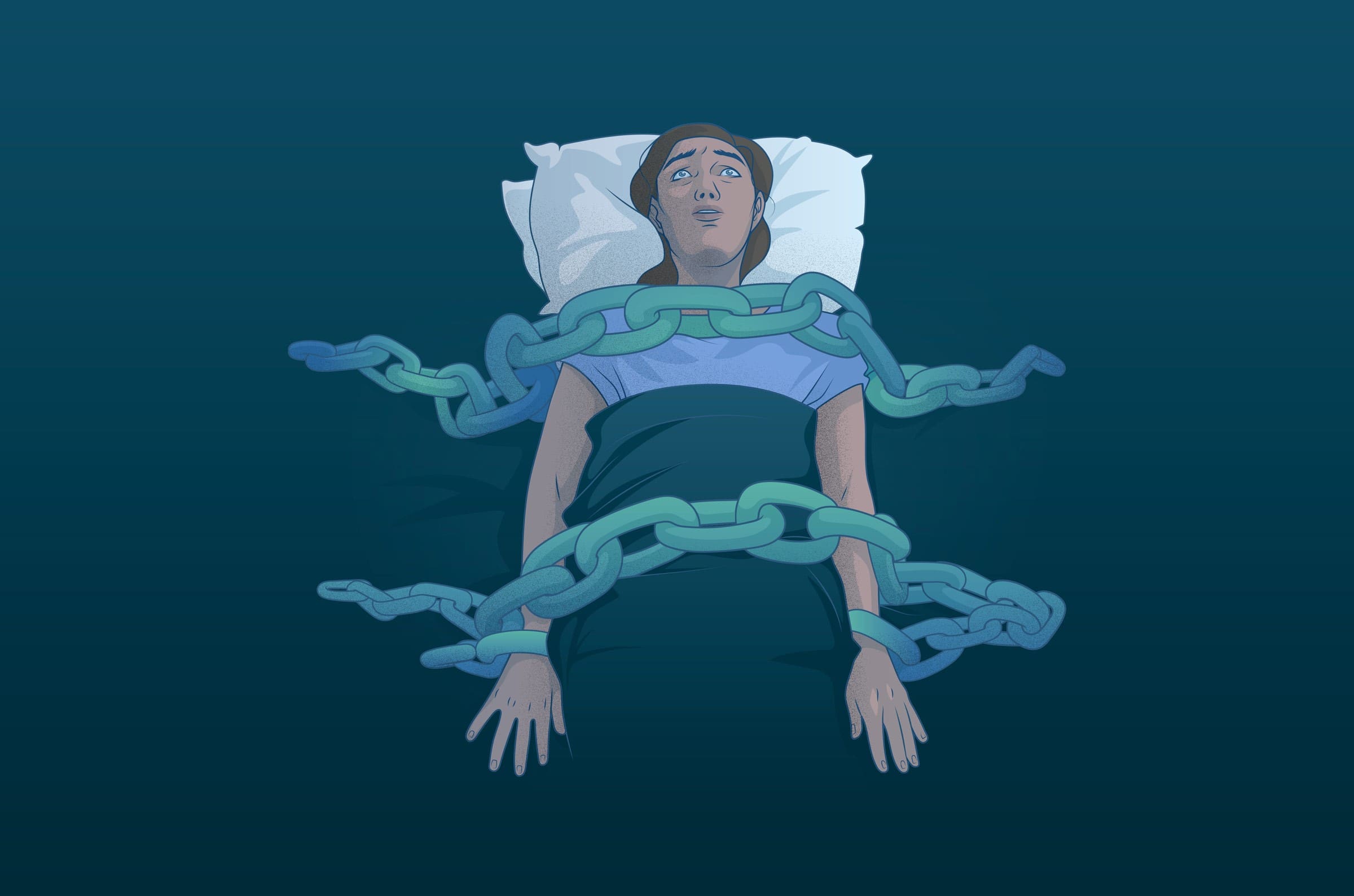
Imagine waking up in the middle of the night, your body frozen, unable to move or speak. Your mind races with fear as you feel an overwhelming presence in the room. This terrifying experience is known as sleep paralysis, a phenomenon that affects countless people around the world. But what exactly triggers these episodes?
Sleep Deprivation
Lack of sleep is a common trigger for sleep paralysis episodes. When you don’t get enough sleep, your body and mind can become fatigued, leading to disruptions in your sleep cycles. This can result in an increased likelihood of experiencing sleep paralysis. Sleep deprivation can occur for various reasons, including work demands, lifestyle factors, or underlying sleep disorders. It is important to prioritize your sleep schedule and ensure you are getting the recommended seven to nine hours of sleep each night to reduce the risk of sleep paralysis.
Sleep Disorders
Several sleep disorders have been linked to sleep paralysis episodes. Narcolepsy is a neurological disorder that affects the brain’s ability to regulate sleep-wake cycles. People with narcolepsy often experience excessive daytime sleepiness and can have episodes of sleep paralysis. Sleep apnea, another common sleep disorder, involves repeated pauses in breathing during sleep, which can lead to fragmented sleep and an increased likelihood of experiencing sleep paralysis. Additionally, insomnia, a sleep disorder characterized by difficulty falling asleep or staying asleep, can also contribute to the occurrence of sleep paralysis.

Stress and Anxiety
Mental stress and anxiety disorders can play a significant role in triggering sleep paralysis episodes. When you are stressed or anxious, your body releases hormones that can disrupt your sleep patterns and increase the likelihood of experiencing sleep paralysis. The constant thoughts and worries can keep your mind active even during sleep, leading to a state of sleep paralysis. Managing stress and seeking proper treatment for anxiety disorders can help reduce sleep paralysis occurrences and promote better overall sleep quality.
Sleeping Position
Your sleeping position can also influence the occurrence of sleep paralysis episodes. Sleeping on your back is known to be a common trigger for sleep paralysis. This position can lead to a relaxation of the muscles and an increased chance of experiencing sleep paralysis. Additionally, unsupported head and neck positions during sleep can put strain on your muscles, potentially leading to muscle tension and an increased likelihood of experiencing sleep paralysis. Trying different sleeping positions, such as sleeping on your side, may help reduce the frequency of sleep paralysis episodes.

Family History
There is evidence to suggest that genetics may play a role in the occurrence of sleep paralysis. If you have a family history of sleep paralysis, you may be more likely to experience it yourself. Genetic predisposition can make certain individuals more susceptible to disruptions in sleep cycles and the occurrence of sleep paralysis. While you cannot change your genetic makeup, understanding your family history of sleep paralysis can help you identify potential triggers and take steps to manage and minimize its impact.
Sleeping Environment
Your sleeping environment can also contribute to the onset of sleep paralysis episodes. Excessive noise in your surroundings can disturb your sleep and increase the likelihood of experiencing sleep paralysis. Similarly, bright lights, whether from streetlights outside or electronic devices in your bedroom, can disrupt your sleep patterns and contribute to sleep paralysis episodes. Creating a comfortable and calming sleeping environment, free from excessive noise and bright lights, can help promote better sleep and reduce the occurrence of sleep paralysis.

Substance and Medication Use
The use of certain substances and medications can be a contributing factor to sleep paralysis. Illegal drug use, such as hallucinogens or stimulants, can disrupt your sleep patterns and increase the risk of experiencing sleep paralysis. Additionally, certain medications, such as those used to treat psychiatric conditions or sleep disorders, may have side effects that can trigger sleep paralysis episodes. It is important to discuss any substance use or medications you are taking with your healthcare provider to determine if they may be affecting your sleep and contributing to sleep paralysis.
REM Sleep
Rapid Eye Movement (REM) sleep is a stage of sleep that is often associated with vivid dreaming. Sleep paralysis typically occurs during the transition between REM sleep and wakefulness. Misalignment of REM sleep cycles, where the timing of REM sleep becomes disrupted, can increase the likelihood of experiencing sleep paralysis. This misalignment can be caused by various factors, including irregular sleep patterns, sleep disorders, and other triggers mentioned in this article. Understanding the importance of REM sleep and maintaining a regular sleep schedule can help reduce the occurrence of sleep paralysis.

Physical and Mental Health Factors
Certain physical and mental health conditions can contribute to the occurrence of sleep paralysis episodes. Depression, bipolar disorder, post-traumatic stress disorder (PTSD), and migraines have been linked to an increased risk of experiencing sleep paralysis. These conditions can disrupt sleep patterns, increase stress levels, and affect brain chemistry, all of which can contribute to sleep paralysis. Treating and managing these underlying health conditions, in consultation with healthcare professionals, can help reduce the occurrence of sleep paralysis episodes.
Other Triggers
In addition to the factors mentioned above, there are other triggers that can contribute to sleep paralysis episodes. Jet lag, resulting from traveling across different time zones, can disrupt your sleep patterns and increase the likelihood of experiencing sleep paralysis. Similarly, sleeping in unfamiliar surroundings, such as during travel or staying in a new place, can disrupt your sleep routine and trigger sleep paralysis. Being aware of these triggers and taking steps to mitigate their impact, such as adjusting sleep schedules or creating a familiar sleeping environment, can help reduce the occurrence of sleep paralysis.