
Have you ever experienced the feeling of being awake but unable to move? This phenomenon is known as sleep paralysis and it can be a frightening and disorienting experience. In this article, we will explore the topic of sleep paralysis and its potential influence on emotional health. By delving into the possible causes and effects of sleep paralysis, we hope to shed light on this intriguing sleep disorder and its impact on our overall well-being. Whether you’ve personally experienced sleep paralysis or simply have a curiosity about the subject, this article aims to provide valuable insights into the connection between sleep paralysis and our emotional state.
What is sleep paralysis?
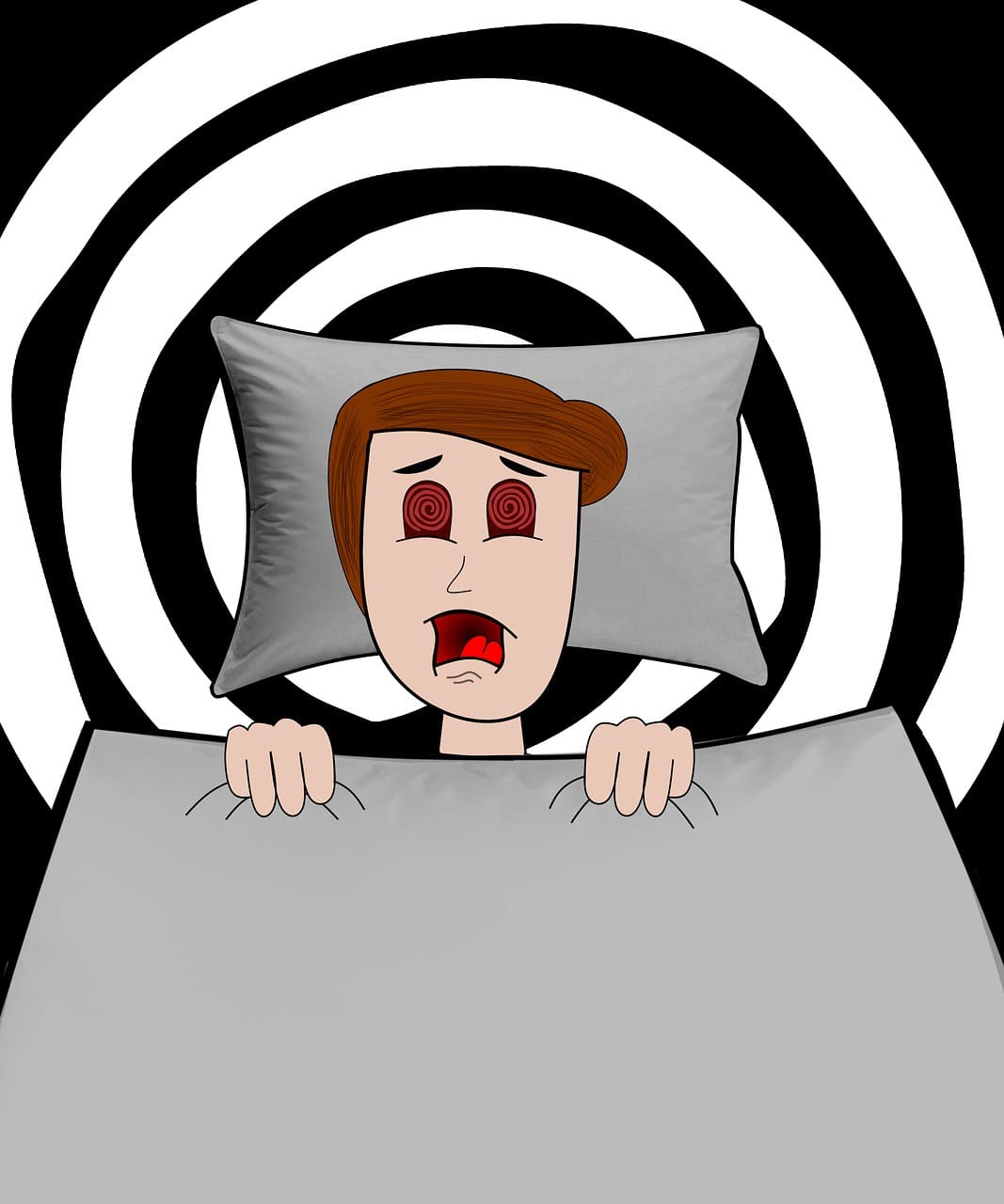
Sleep paralysis is a phenomenon that occurs during the transition between waking up and falling asleep. During sleep paralysis, your mind becomes briefly conscious, but your body remains temporarily paralyzed. This results in an inability to move or speak, often accompanied by hallucinations and a sense of pressure on the chest. Sleep paralysis can be a distressing experience, as it can lead to feelings of fear and helplessness. It is important to understand the causes, symptoms, impact on emotional health, management strategies, treatments, prevention, and the relationship between sleep paralysis and mental health.
Definition of sleep paralysis
Sleep paralysis is a state in which a person is temporarily unable to move or speak while falling asleep or waking up. This condition occurs due to a disruption in the normal sleep-wake cycle and the consequent misalignment between the brain and the body’s motor function. It is a parasomnia, a group of sleep disorders characterized by abnormal behaviors or experiences during sleep. Sleep paralysis can happen to anyone at any age, but it is more common among adolescents and young adults.
Types of sleep paralysis
There are two types of sleep paralysis: isolated sleep paralysis and recurrent isolated sleep paralysis. Isolated sleep paralysis refers to sporadic episodes that occur infrequently, while recurrent isolated sleep paralysis involves recurring episodes over an extended period. Both types share similar characteristics, such as temporary muscle paralysis and vivid hallucinations, but recurrent isolated sleep paralysis is often more disruptive due to its frequent occurrence.
Causes of sleep paralysis
Several factors contribute to the occurrence of sleep paralysis. Understanding these causes can help shed light on why some individuals are more prone to experiencing sleep paralysis than others.
Sleep deprivation
Sleep deprivation, whether chronic or acute, can increase the likelihood of sleep paralysis. When the body does not get adequate rest, it can disrupt the sleep-wake cycle, leading to irregularities in the transition between sleep stages. This disruption can result in sleep paralysis episodes.
Sleep disorders
Sleep disorders like narcolepsy and sleep apnea have been linked to sleep paralysis. Narcolepsy is a neurological disorder characterized by excessive daytime sleepiness and sudden loss of muscle tone, while sleep apnea relates to interrupted breathing during sleep. Both disorders can disrupt sleep architecture, increasing the risk of sleep paralysis.
Stress and anxiety
High levels of stress and anxiety can also trigger sleep paralysis. The body’s response to stressful situations, such as the release of stress hormones, can impact the quality of sleep. Stress and anxiety may contribute to sleep disturbances and disruptions in the sleep-wake cycle, making individuals more susceptible to experiencing sleep paralysis.
Genetic and familial factors
Research suggests that genetic and familial factors may play a role in sleep paralysis. Some studies have found a higher prevalence of sleep paralysis within certain families, indicating a potential genetic predisposition. Further research is needed to fully understand the genetic and familial influences on sleep paralysis.
Symptoms of sleep paralysis
Sleep paralysis is accompanied by various symptoms that can be distressing and alarming for those who experience them. It is essential to recognize these symptoms to identify and differentiate sleep paralysis from other sleep-related conditions.
Inability to move or speak
The most recognizable symptom of sleep paralysis is the inability to move or speak. During an episode, individuals may feel as though their muscles are temporarily paralyzed, leaving them unable to perform any voluntary movements or communicate verbally. This sensation can be frightening and disorienting.
Hallucinations and vivid dreams
Hallucinations and vivid dreams are common experiences during sleep paralysis. These hallucinations can involve visuals, sounds, or even tactile sensations. It is not uncommon for individuals to perceive the presence of a menacing figure in the room or feel as though someone is sitting on their chest. These hallucinations can feel incredibly realistic and can add to the fear and anxiety associated with sleep paralysis.
Feeling of pressure or weight on the chest
During sleep paralysis episodes, many individuals report a feeling of pressure or weight on their chest. This sensation can make breathing feel difficult or restricted, adding to the distress experienced during the episode.
Sense of impending doom or danger
Feelings of impending doom or danger are often reported by individuals during sleep paralysis. The combination of muscle paralysis, hallucinations, and a general sense of vulnerability can evoke strong emotions of fear and panic.
Impact of sleep paralysis on emotional health
Sleep paralysis can have a significant impact on emotional well-being, as it often leads to heightened anxiety, depressive symptoms, and sleep disturbances. Understanding these emotional consequences is crucial for effectively managing and addressing the impact of sleep paralysis on mental health.
Anxiety and panic disorder
Sleep paralysis can trigger or exacerbate existing anxiety disorders, such as panic disorder. The intense fear experienced during an episode, coupled with the anticipation of future episodes, can contribute to feelings of heightened anxiety and panic.
Depression and mood disturbances
Research suggests a strong association between sleep paralysis and depressive symptoms. The chronic distress caused by sleep paralysis can contribute to feelings of sadness, hopelessness, and a lack of interest in daily activities, all of which are characteristic of depression.
Sleep disturbances and insomnia
Sleep paralysis can disrupt the normal sleep patterns of individuals, leading to sleep disturbances and insomnia. The fear and anxiety associated with sleep paralysis can make falling asleep and staying asleep difficult, resulting in insufficient rest and daytime sleepiness.
Impaired daytime functioning
The fragmented sleep caused by sleep paralysis and its associated emotional distress can impair daytime functioning. Individuals may experience difficulties with concentration, memory, and overall productivity. Additionally, excessive daytime sleepiness may increase the risk of accidents and hinder social and occupational performance.

Managing and coping with sleep paralysis
Although sleep paralysis can be a distressing experience, there are strategies for managing and coping with its occurrence. By implementing lifestyle changes and seeking appropriate support, individuals can reduce the frequency and impact of sleep paralysis episodes.
Improving sleep hygiene
Maintaining good sleep hygiene is essential for managing sleep paralysis. This involves adopting healthy sleep habits, such as maintaining a consistent sleep schedule, creating a comfortable sleep environment, avoiding caffeine and stimulating activities before bed, and establishing a relaxing bedtime routine.
Reducing stress and anxiety
Given the close connection between stress, anxiety, and sleep paralysis, incorporating stress-reduction techniques into daily life can be beneficial. Engaging in activities like deep breathing exercises, meditation, yoga, or engaging in hobbies can help reduce stress and promote relaxation.
Seeking professional help
For individuals experiencing severe or frequent sleep paralysis episodes, seeking professional help is recommended. Consulting with a healthcare provider or sleep specialist can provide valuable insights and potential treatment options to address underlying sleep disorders or other contributing factors.
Practicing relaxation techniques
Practicing relaxation techniques, such as progressive muscle relaxation or guided imagery, can help manage sleep paralysis. These techniques promote muscle relaxation and can alleviate anxiety, creating a more conducive sleep environment and reducing the occurrence of sleep paralysis episodes.
Treatments for sleep paralysis
Various treatment options are available for sleep paralysis, depending on the underlying cause and individual needs. These treatments aim to address the root cause of sleep paralysis and alleviate its associated symptoms.
Medication options
In some cases, medication may be prescribed to manage sleep paralysis. Medications like selective serotonin reuptake inhibitors (SSRIs) or benzodiazepines may be prescribed to help manage anxiety and improve sleep quality. However, medication should be discussed with a healthcare professional, as the benefits and risks must be carefully assessed.
Cognitive-behavioral therapy
Cognitive-behavioral therapy (CBT) can be effective in treating sleep paralysis. CBT involves identifying and challenging negative thought patterns, developing coping strategies, and modifying behaviors that may contribute to sleep disturbances. This therapy aims to promote healthy sleep patterns and address underlying psychological factors.
Continuous positive airway pressure (CPAP)
For individuals with sleep apnea-related sleep paralysis, continuous positive airway pressure (CPAP) therapy may be recommended. CPAP involves wearing a mask over the nose or mouth during sleep, which delivers a continuous stream of air pressure, preventing the airways from collapsing. By treating sleep apnea, the likelihood of sleep paralysis episodes can be reduced.
Alternative therapies
Various alternative therapies, such as acupuncture, hypnosis, or herbal supplements, have been suggested as potential treatments for sleep paralysis. While some individuals may find relief through these methods, the effectiveness and safety of alternative therapies vary, and it is important to consult with a qualified healthcare professional before pursuing them.
Preventing sleep paralysis
While sleep paralysis may not always be completely preventable, certain lifestyle adjustments can reduce the occurrence and severity of episodes.
Maintaining a regular sleep schedule
Maintaining a regular sleep schedule is crucial for preventing sleep paralysis. Going to bed and waking up at consistent times helps regulate the body’s internal clock and promotes a healthy sleep-wake cycle.
Creating a sleep-friendly environment
Creating a sleep-friendly environment can contribute to better sleep quality and reduce the likelihood of sleep paralysis. This can be achieved by ensuring the bedroom is dark, quiet, and at a comfortable temperature. Additionally, removing electronic devices from the bedroom and limiting exposure to stimulating activities before bed can promote relaxation and better sleep.
Avoiding sleep deprivation
Prioritizing sufficient sleep and avoiding sleep deprivation is essential in preventing sleep paralysis. Adequate rest helps regulate the sleep-wake cycle and decreases the chances of experiencing disruptions in the transition between sleep stages.
Managing stress levels
Taking proactive steps to manage stress levels can have a positive impact on sleep paralysis prevention. Engaging in stress-reducing activities, practicing relaxation techniques, and seeking support from loved ones or professionals can help mitigate the effects of stress on sleep paralysis.
Understanding the relationship between sleep paralysis and mental health
Research has shed light on the complex relationship between sleep paralysis and mental health. Understanding this connection is crucial for improving support and treatment outcomes for individuals affected by sleep paralysis.
Research findings on the association
Numerous studies have investigated the association between sleep paralysis and mental health. Research suggests that individuals with sleep paralysis are at an increased risk of developing mental health conditions, such as anxiety disorders, mood disorders, and post-traumatic stress disorder (PTSD). However, further research is needed to establish the nature of this relationship more definitively.
Mechanisms linking sleep paralysis and emotional health
Several mechanisms may explain the link between sleep paralysis and emotional health. The distress experienced during sleep paralysis can lead to the development or exacerbation of psychiatric symptoms. Additionally, disruptions in sleep architecture and the physiological changes associated with sleep paralysis can impact brain function and emotional regulation.
Distinguishing cause and effect
It is essential to differentiate between sleep paralysis as a cause or effect of mental health conditions. While sleep paralysis can contribute to emotional distress, it is also possible for existing mental health conditions to increase the susceptibility to sleep paralysis. Further research is needed to clarify the directionality of the relationship and the underlying mechanisms involved.
Personal experiences and stories of individuals with sleep paralysis
Personal narratives and testimonials from individuals who have experienced sleep paralysis provide valuable insights into the lived experiences and the impact it can have on overall well-being.
Narratives and testimonials
Many individuals share their personal experiences with sleep paralysis, describing the intense fear, helplessness, and confusion that accompany the episodes. These accounts highlight the commonality and universality of the experiences, providing comfort and support to others who may be going through similar challenges.
Impact on overall well-being
Personal stories often detail the detrimental effects of sleep paralysis on overall well-being. The physical and emotional toll of sleep paralysis can lead to increased stress, anxiety, and insomnia, affecting various aspects of life, including relationships, work, and overall quality of life.
Strategies for coping
Individuals who have experienced sleep paralysis often share strategies they have found effective in coping with and managing the condition. These may include implementing relaxation techniques, seeking therapy, maintaining good sleep hygiene, or finding support through online communities or support groups.
Conclusion and future directions
Sleep paralysis is a complex phenomenon that can significantly impact emotional health. Understanding the causes, symptoms, management strategies, treatments, prevention methods, and the relationship between sleep paralysis and mental health is crucial for improving support and treatment outcomes for affected individuals. Further research is needed to elucidate the underlying mechanisms and to develop more targeted therapies. By promoting awareness, education, and improved support, we can enhance the well-being and quality of life for those experiencing sleep paralysis.